.png)
 10 hours ago
8
10 hours ago
8
Final Fantasy is an RPG franchise that has innovated like no other. Across nearly four decades, the series has moved from classic turn-based adventures to experimental RPG systems, MMORPGs, open-world games, and cinematic action RPGs. Yet every numbered entry has maintained the same ambition: create memorable worlds, characters, music, and adventures.
How did you get into the Final Fantasy Franchise? pic.twitter.com/Wsm2uIXliK
— ProdigyxCD (@ProdigyxCD) January 19, 2024There are 16 numbered mainline entries, from Final Fantasy I to Final Fantasy XVI, and we’ll be ranking them today. In this ranking, we’ll consider each game’s overall quality, influence, storytelling, gameplay, and how well it holds up today.
16 Final Fantasy II
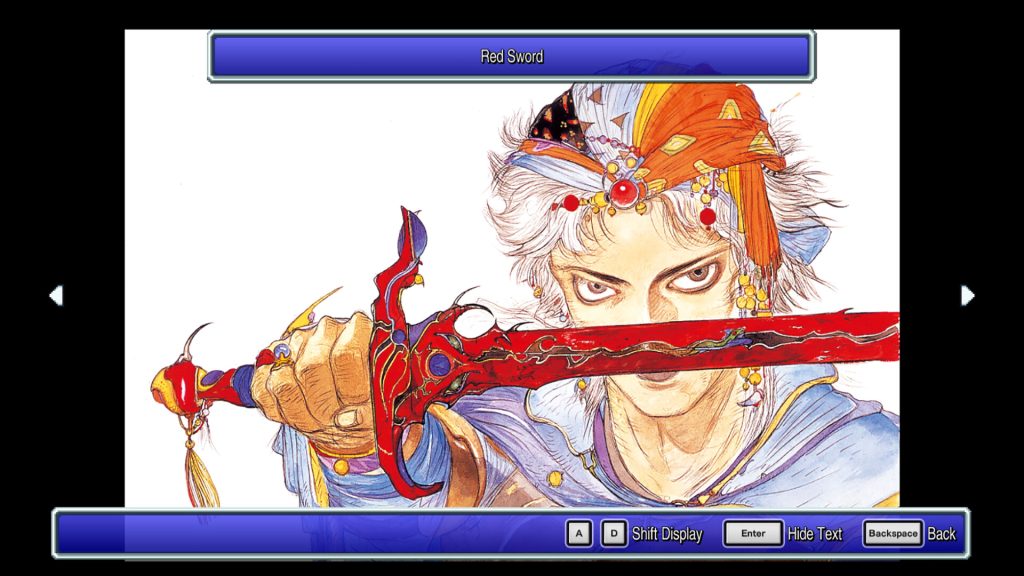 Image Credit: Square Enix.
Final Fantasy II deserves credit for experimenting with progression instead of simply repeating the formula of the first game. Its unusual system improves individual abilities based on how they are used, while its story takes a surprisingly serious approach to war and loss.
Unfortunately, that progression system can feel awkward and easily exploited, while the rest of the game hasn’t aged as gracefully as later entries. The modern versions of the game make it more accessible, but it remains primarily a curiosity for dedicated fans.
15 Final Fantasy III
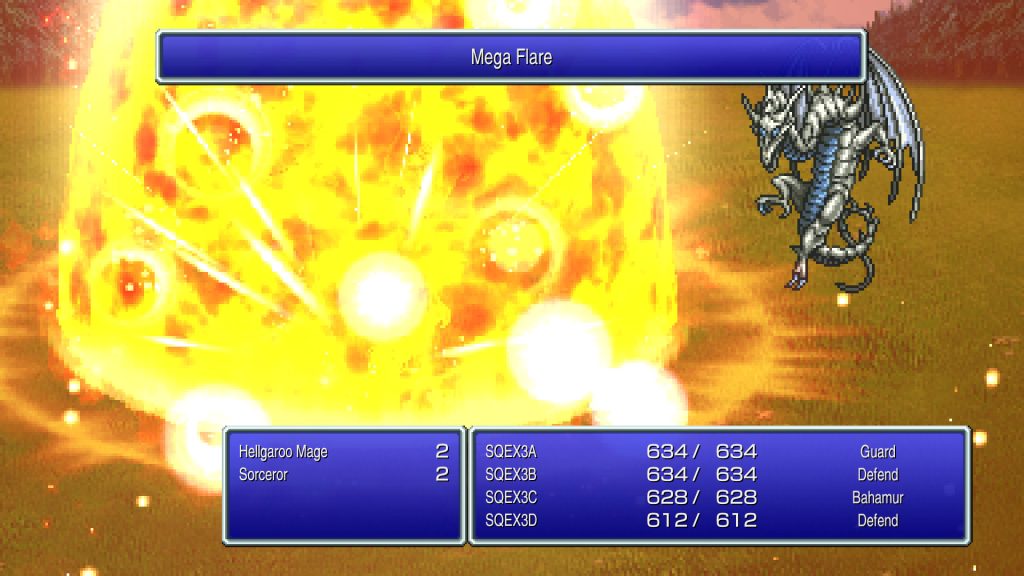 Image Credit: Square Enix.
The original Final Fantasy III introduced the Job System, one of the most influential mechanics in the franchise. Being able to change characters between different roles created a level of party customization that later games would expand upon.
The problem is that III doesn’t fully capitalize on its best idea. Its story is forgettable, some jobs are highly situational, and its difficulty can be frustrating. It’s historically important, but later games simply do more with its concepts.
14 Final Fantasy I
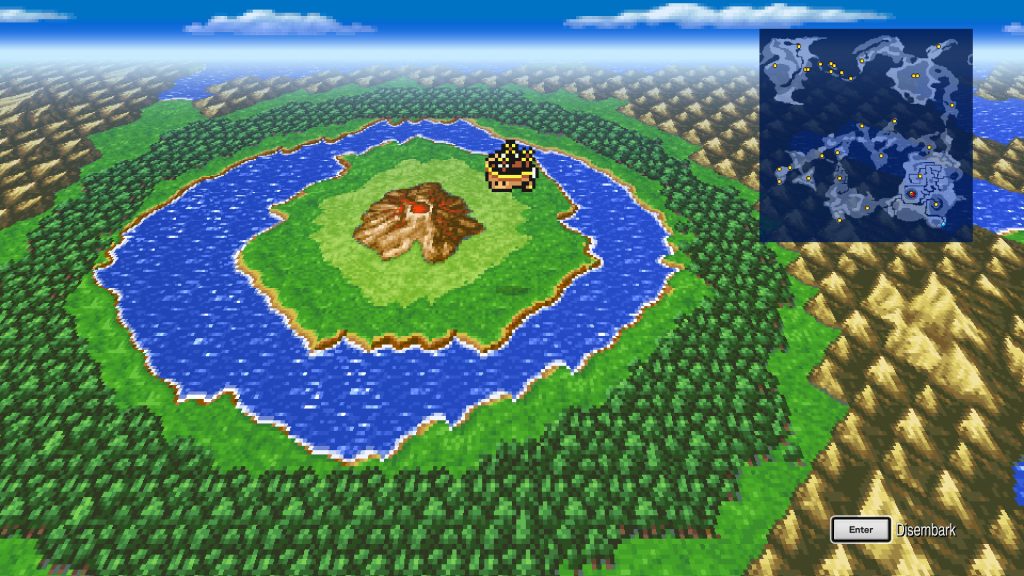 Image Credit: Square Enix.
The game that started it all is still a charming old-school RPG. Creating a party from different classes gives players considerable freedom for such a straightforward adventure, and experimenting with different combinations are still fun.
Its minimal storytelling and dated mechanics inevitably hold it back. The Pixel Remaster is the ideal way to experience it today, preserving the original’s simplicity while removing many of its most frustrating limitations.
13 Final Fantasy XI
 Image Credit: Square Enix.
Final Fantasy XI was a huge gamble for Square when it transformed the franchise into an MMORPG. That gamble paid off by creating Vana’diel, one of the franchise’s biggest worlds.
The game’s greatest strength is still its depth. Its world is packed with lore, cultures, factions, quests, and systems that can keep dedicated players occupied for hundreds of hours. Its multiplayer focus also gave the series a completely different identity. It’s an important and fascinating chapter in the franchise, but a difficult recommendation for newcomers.
12 Final Fantasy XIII
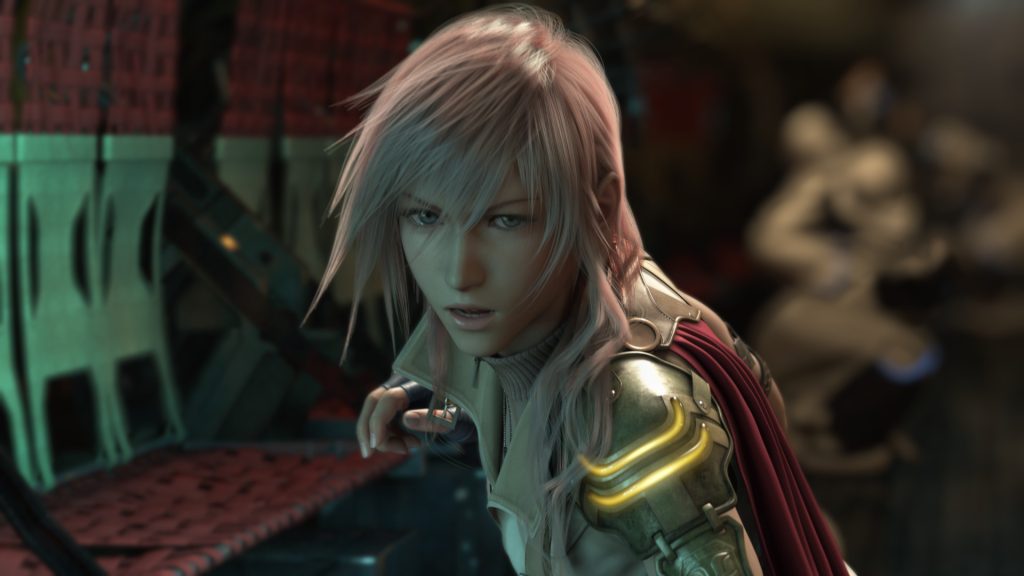 Image Credit: Square Enix.
Final Fantasy XIII is one of the most divisive games in the series, largely because of its extremely linear structure and complicated terminology. However, its combat system is much better than its reputation suggests.
The Paradigm system encourages players to switch roles and react to enemies rather than simply selecting attacks. Its visuals and soundtrack also remain impressive. Unfortunately, it takes too long to open up, and its narrative can make simple ideas unnecessarily difficult to follow.
11 Final Fantasy VIII
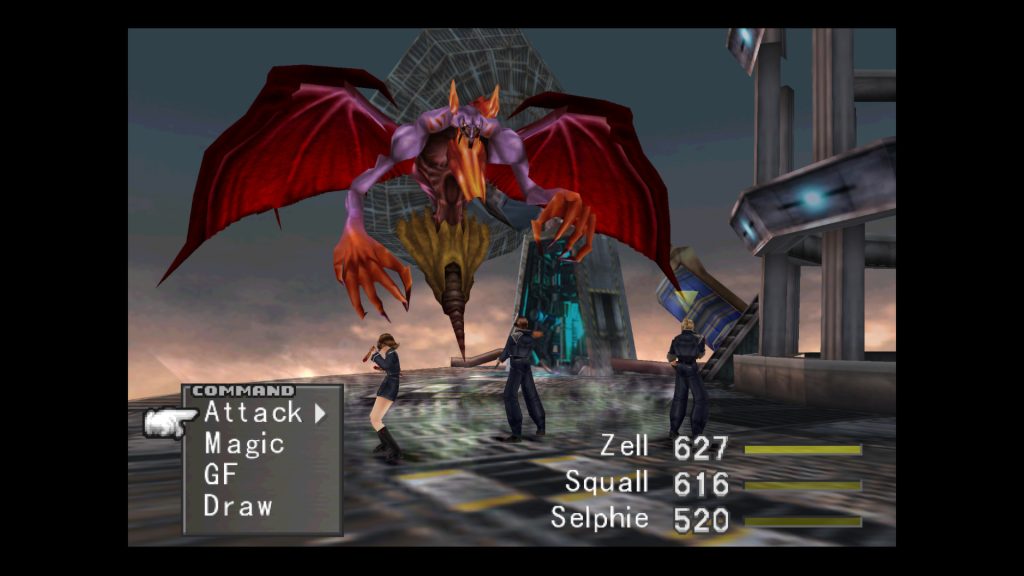 Image Credit: Square Enix.
Final Fantasy VIII is arguably the most experimental of the original PlayStation trilogy. Its futuristic setting, SeeD academy, time-travel elements, Guardian Forces, and Junction System make it unlike almost anything else in the series.
The Junction System can be incredibly flexible once understood, but it is also easy to exploit and confusing for newcomers. Its romance and story are similarly divisive. Still, Triple Triad, memorable set pieces, and an excellent soundtrack make VIII a fascinating entry.
10 Final Fantasy XV
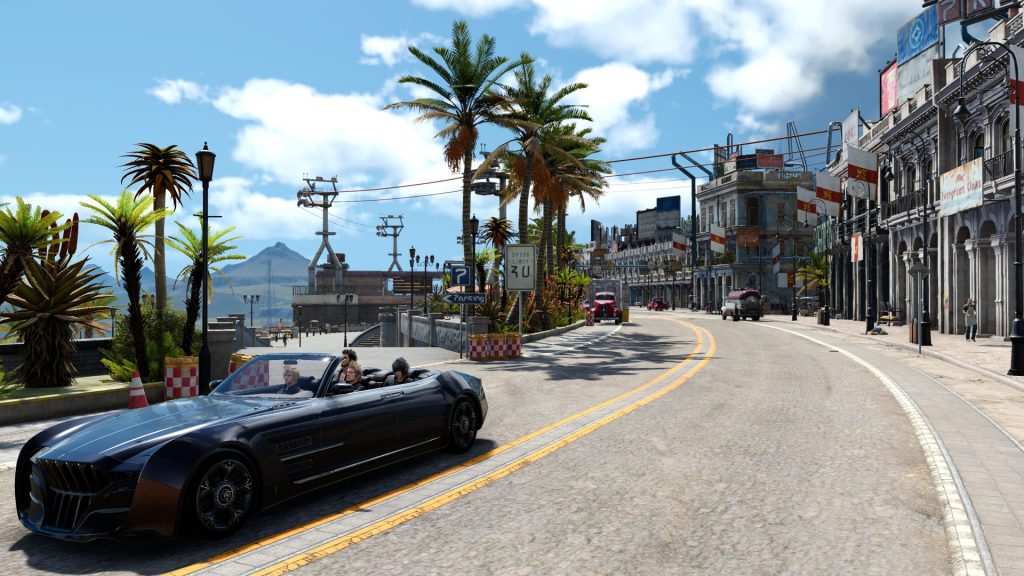 Image Credit: Square Enix.
Final Fantasy XV has some of the franchise’s biggest highs and most obvious shortcomings. Its open-world design, real-time combat, and beautiful environments helped push the series into a new era.
The friendship between Noctis, Ignis, Gladiolus, and Prompto is the game’s strongest element. Their road trip creates plenty of memorable moments, but the main story becomes increasingly rushed toward the end. Additional DLC helped fill some gaps, yet XV still feels like an ambitious game that never completely became what it wanted to be.
9 Final Fantasy V
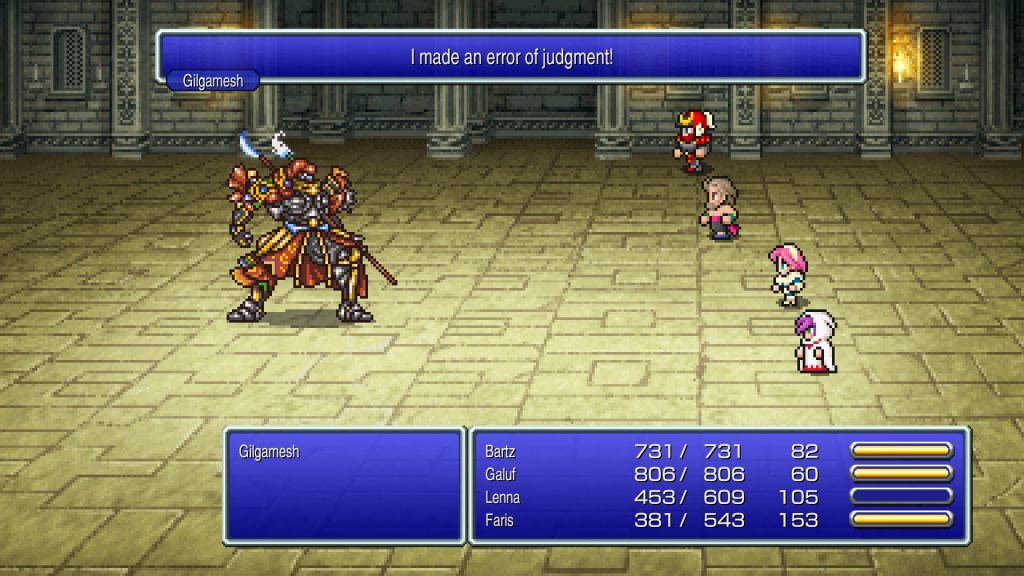 Image Credit: Square Enix.
Final Fantasy V is one of the series’ strongest games from a gameplay perspective. Its expanded Job System lets players mix abilities and build highly customized parties, making experimentation a major part of the experience.
The story is lighter and less dramatic than those of IV or VI, but that gives it a distinct personality. Its colorful cast and playful tone work well with its mechanically deep combat. It may not be the most memorable game, but it is one of the most enjoyable to play.
8 Final Fantasy XII
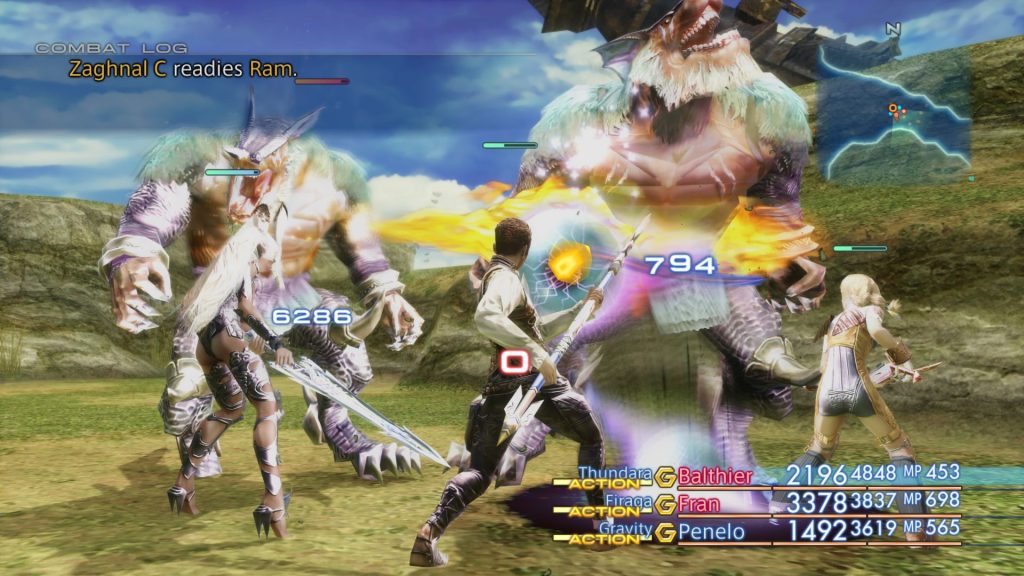 Image Credit: Square Enix.
Final Fantasy XII completely changed how the series approached combat and exploration. Its Gambit system lets players program party members to respond automatically to different situations, while visible enemies eliminate traditional random encounters.
Ivalice is also one of the franchise’s richest worlds, filled with political conflicts, different cultures, and enormous environments. Its story can suffer from pacing issues, but The Zodiac Age improves the experience considerably with job systems and quality-of-life features.
7 Final Fantasy XVI
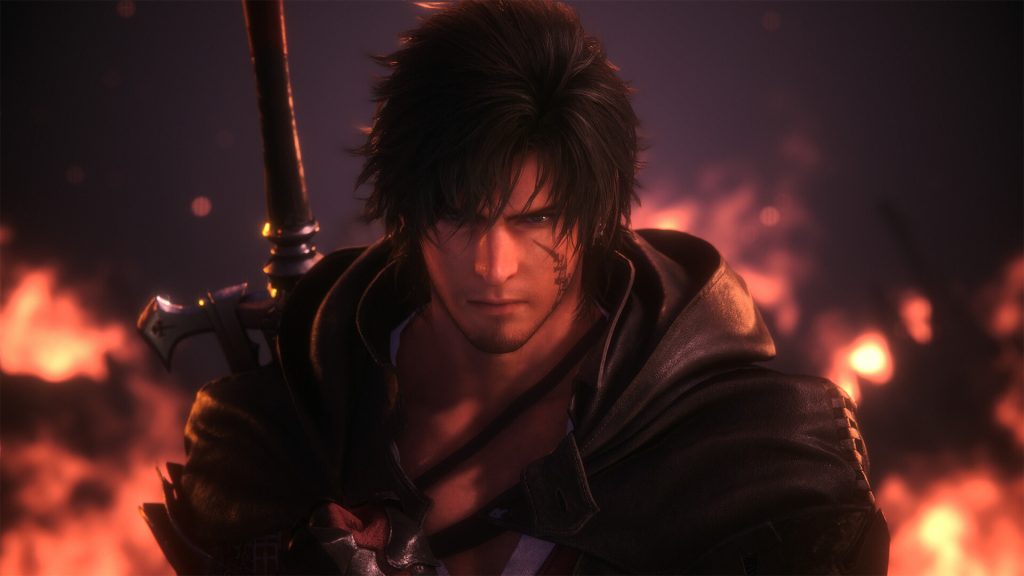 Image Credit: Square Enix.
Final Fantasy XVI takes the franchise in a heavily action-focused direction. Its fast-paced combat, Eikonic abilities, massive boss fights, and spectacular presentation make it one of the most cinematic entries ever released.
Clive Rosfield anchors the story with a strong character arc and an excellent performance from Ben Starr. The downside is that traditional RPG mechanics and exploration are comparatively limited. Even so, its characters, soundtrack, dark fantasy setting, and enormous set pieces make it a great experience today.
6 Final Fantasy IX
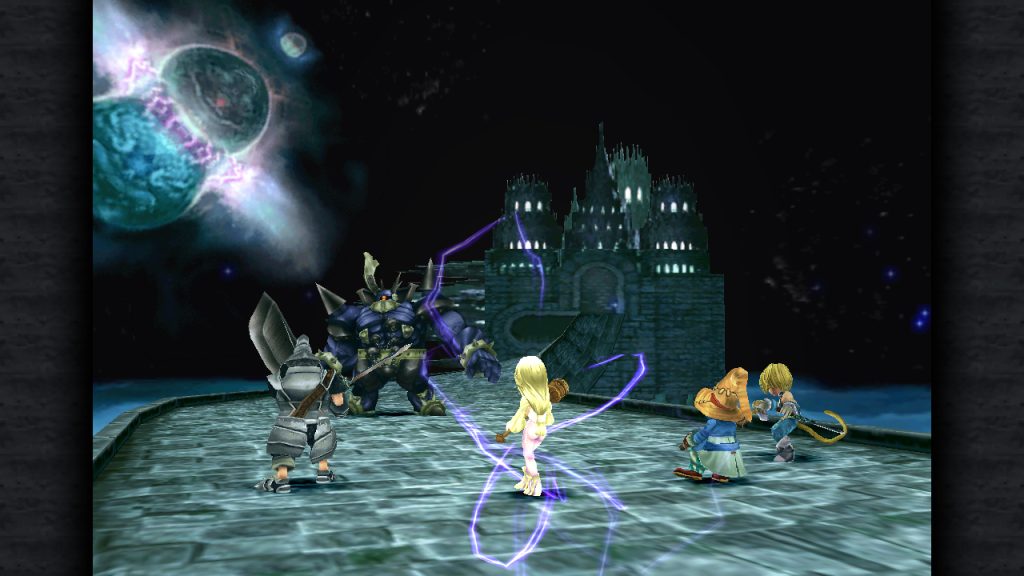 Image Credit: Square Enix.
After three increasingly modern and science-fiction-focused entries, Final Fantasy IX returned to the franchise’s traditional fantasy roots. Castles, crystals, black mages, airships, and magic once again became central to the adventure.
Its biggest strength is the cast. Zidane, Vivi, Garnet, Steiner, and the rest of the party are remarkably memorable, while the story balances humor with surprisingly heavy themes. The combat is slower than modern players might expect, but the game’s charm and emotional depth have allowed it to age exceptionally well.
5 Final Fantasy IV
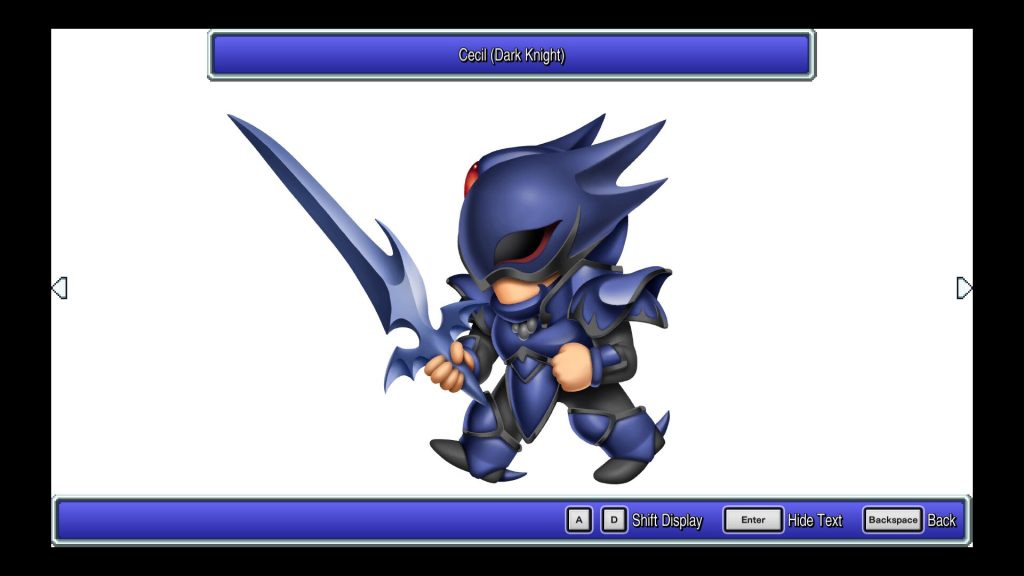 Image Credit: Square Enix.
Final Fantasy IV was a major turning point for the franchise. Cecil, Kain, Rosa, and Rydia were far more developed than the archetypal characters of earlier games, giving the adventure a much stronger emotional core.
The game also introduced Active Time Battle, which would become a defining feature of the series. Its 16-bit visuals, memorable soundtrack, dramatic set pieces, and surprisingly ambitious narrative helped establish the template that many later RPGs would follow.
4 Final Fantasy X
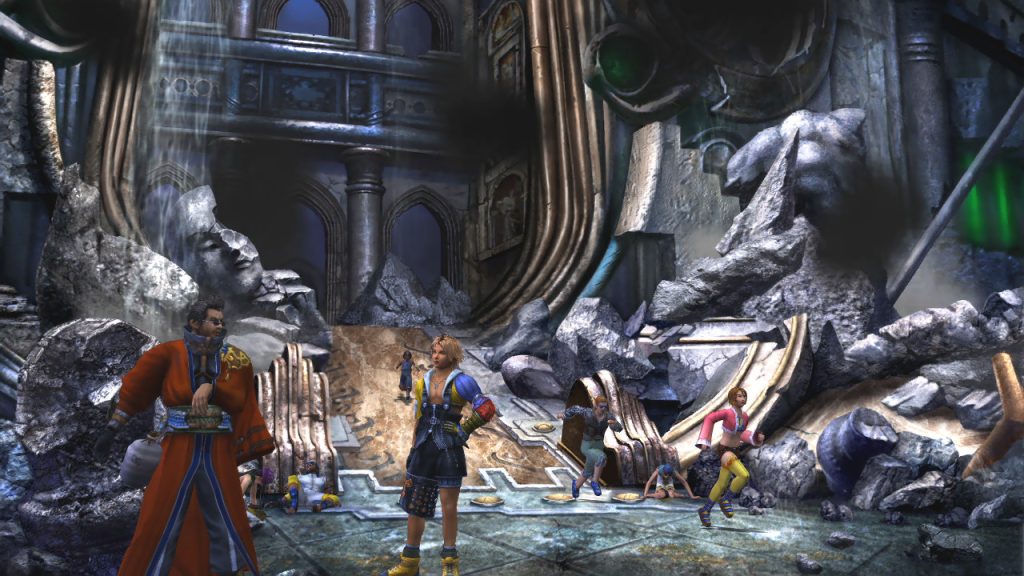 Image Credit: Square Enix.
Final Fantasy X is the perfect mix of the franchise’s old and the modern era. Its turn-based combat is streamlined by allowing players to swap party members during battles, while the Sphere Grid provides extensive character customization.
Spira is also an exceptional setting. The cycle surrounding Sin and the sacrifices made by summoners create an emotional story centered on Tidus and Yuna. A memorable cast, excellent soundtrack, Blitzball, and one of the series’ strongest endings make X a game that continues to resonate decades later.
3 Final Fantasy XIV
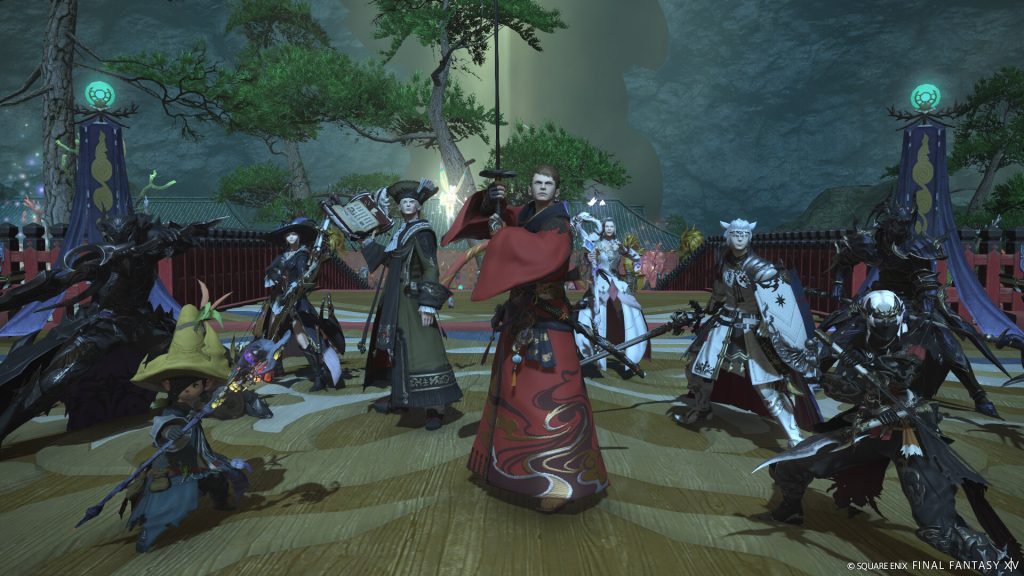 Image Credit: Square Enix.
Final Fantasy XIV has perhaps the most remarkable comeback story in gaming. After the original version’s disastrous launch, Square Enix rebuilt the game as A Realm Reborn, eventually transforming it into one of the world’s most successful MMORPGs.
Its greatest achievement is turning the history and identity of the franchise into one enormous adventure. Its expansions deliver memorable characters, emotional stories, fantastic music, and countless callbacks to earlier games. It requires a significant time investment, but modern features make much of its story accessible to solo players.
2 Final Fantasy VI
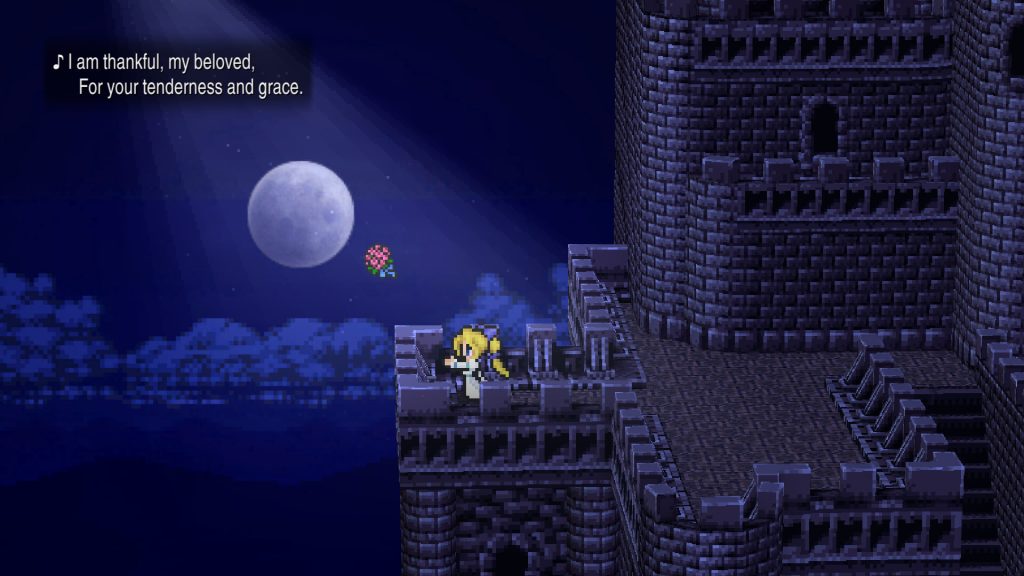 Image Credit: Square Enix.
Final Fantasy VI demonstrates just how much a 16-bit RPG could accomplish. Rather than relying on one protagonist, it builds its story around a huge ensemble cast, with each character bringing their own personality and motivations.
Kefka is one of the franchise’s greatest villains, particularly because the game allows him to actually reshape the world. The transition into the World of Ruin gives the adventure an emotional shift few RPGs have matched.
Its memorable characters, exceptional soundtrack, flexible combat, and unforgettable set pieces make VI one of the greatest traditional RPGs ever created.
1 Final Fantasy VII
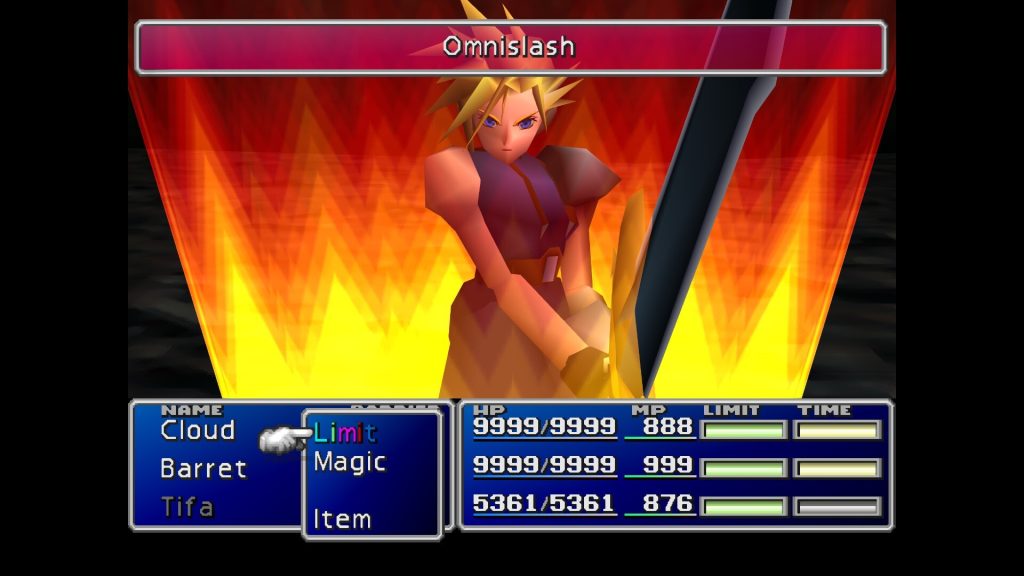 Image Credit: Square Enix.
Final Fantasy VII is still the most complete and influential package in the series. Its move into 3D helped introduce the franchise to an enormous global audience, but its lasting appeal goes far beyond its original visual spectacle.
Cloud’s journey combines environmentalism, corporate power, identity, trauma, sacrifice, and friendship with a huge world full of memorable locations and side activities. The Materia system also gives players plenty of freedom to customize their party without making combat inaccessible.
Its original graphics have obviously aged, but the characters, soundtrack, atmosphere, and story remain remarkably effective. The ambitious Remake project itself demonstrates just how much material and potential was packed into the original.
Ultimately, there is no definitive ranking. Every game is a different version of what the series can be, and that variety is why the franchise has remained relevant for almost 40 years. Which is your favorite Final Fantasy game? Let us know in the comments!
























 Bengali (BD) ·
  English (US) ·