.png)
 1 hour ago
13
1 hour ago
13
One of Netflix’s biggest strengths has also become one of its biggest criticisms. The platform has earned a reputation for canceling promising shows after one or two seasons, while simultaneously extending established hits well beyond the point where many viewers feel the stories have naturally concluded.
A renewal isn’t automatically good news. Television history is filled with series that became less memorable with each season, eventually losing the magic that initially attracted fans. In many cases, audiences don’t remember the good seasons but the uneven final ones.
So, here we have 10 Netflix shows that should have ended in 2026, which might have protected their legacy, allowed creators to leave on their own terms or prevented stories from becoming increasingly repetitive.
1. Sweet Magnolias
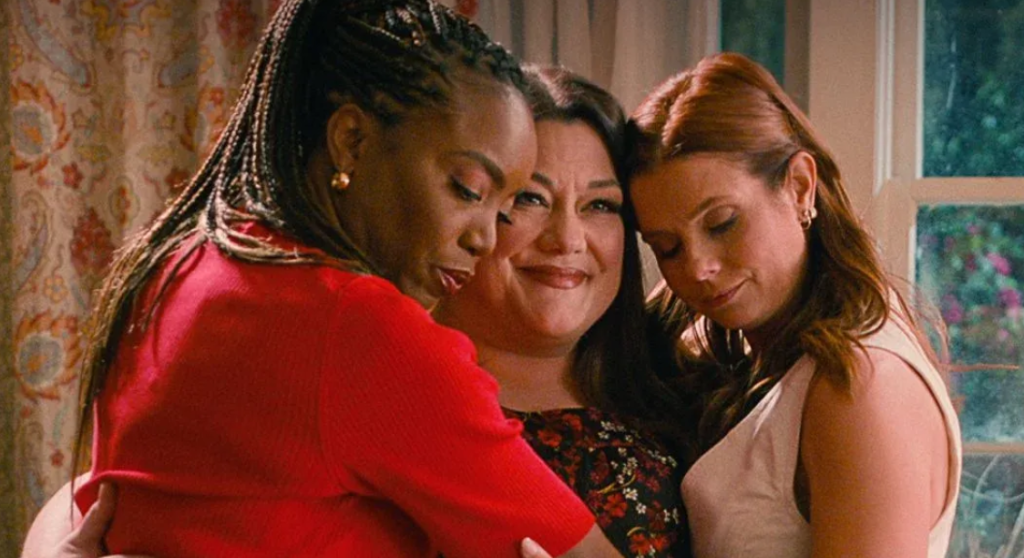 Sweet Magnolias | Credits: Netflix
Sweet Magnolias has always succeeded because of its comforting, small-town atmosphere rather than unpredictable storytelling. However, fans and critics have argued that it has lost its original comfort vibe and charm.
Many of the central conflicts now revolve around familiar relationship misunderstandings, business hurdles, and romantic setbacks that increasingly resemble earlier storylines. New seasons lack the emotional beats of previous seasons, and much of it feels repetitive.
Even the numbers state that the show should end before it incurs more damage. While Seasons 3 and 4 showed a drop of 13% in views, Season 5 had a drop of 30% (via Deadline). Ending sooner wouldn’t have diminished its appeal; if anything, it would have preserved its legacy.
2. XO, Kitty
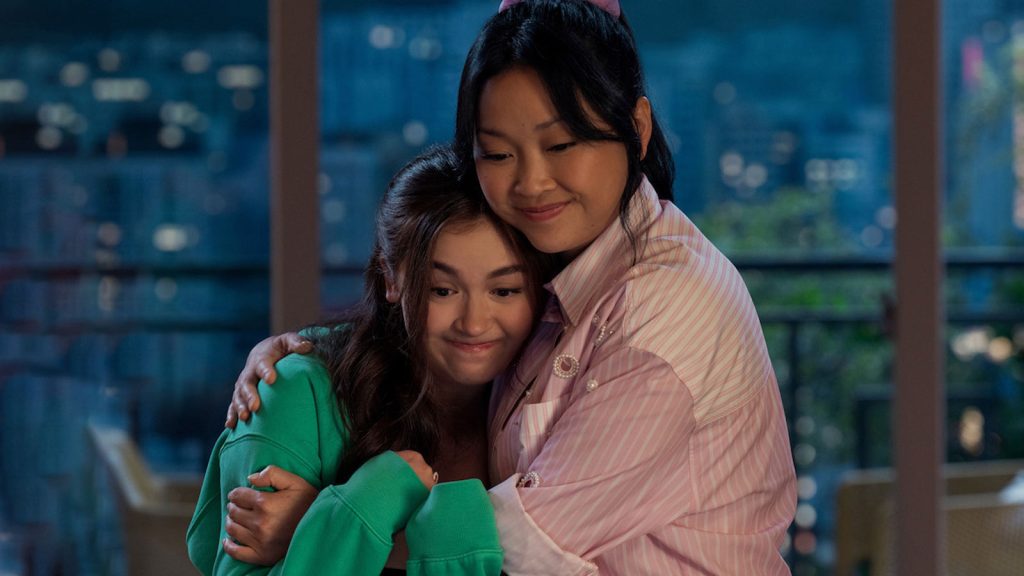 XO, Kitty | Credits: Paramount Television Studios
As a spin-off of To All the Boys I’ve Loved Before, XO, Kitty began with a clear identity. Kitty wasn’t simply repeating Lara Jean’s story; she was navigating romance, identity, and independence in an entirely different environment.
But with each season, it seems repetitive almost. It seems a little too stagnant, with the narrative relying too much on love triangles and artificial conflict. Even the writing and dialogue have declined across the three seasons, not to mention the bad acting (remember Kitty’s Korean scene!)
Moreover, the problem with each additional season risks turning that coming-of-age journey into an endless cycle of romantic triangles and misunderstandings. Season 3 already concluded pretty well and another season risks messing it up.
3. Love, Death + Robots
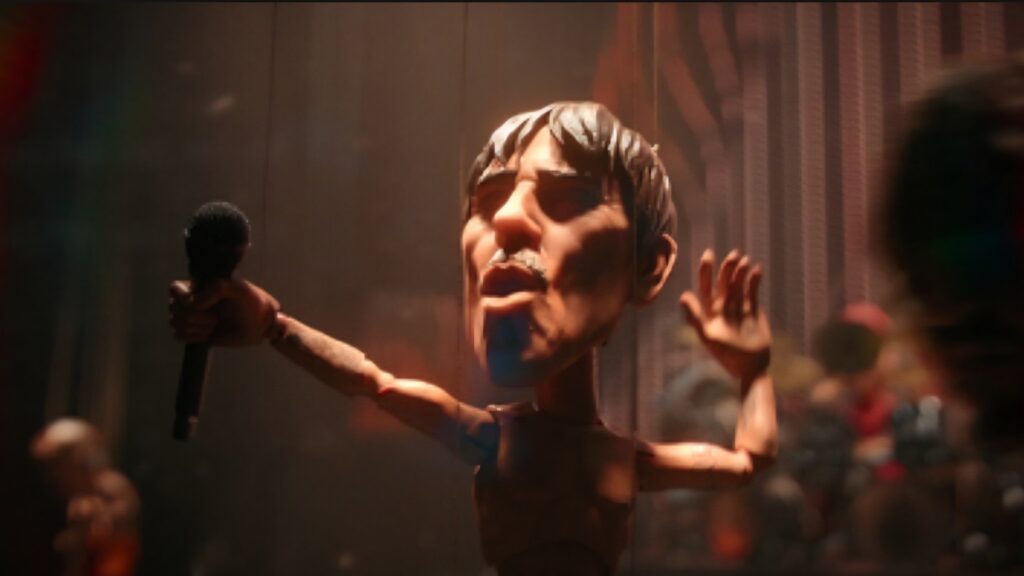 Love, Death & Robots Volume 4 (2025) | Credits: Blur Studios
Love, Death + Robots remains one of Netflix’s most technically ambitious animated projects, with animation studios around the world contributing wildly different visual styles and storytelling approaches. However, the issue is not with animation; the issue here is storytelling and excessive filler episodes.
Later seasons lack the narrative quality and consistency. Even its anthology format feels inconsistent, with many fans and critics pointing out that it lacks meaningful character development and strong endings. Instead, the series seems to have focused more on shock value.
This has also led to unpredictability, as now viewers generally know what to expect. While it is still entertaining, it is less groundbreaking than it once was. It is better Netflix cancels the show now before they end up ruining it.
4. No Good Deed
No Good Deed is currently stuck in limbo, as it has been put on indefinite pause by the streamer, as Deadline reported back in July 2025. Liz Feldman’s dark comedy arrived with an intriguing premise and a cast capable of balancing humor with emotional drama. However, it did not quite land the way it was envisioned.
Although the show was always intended to function as an anthology, the mixed reviews of the first season make it a doubtful renewal if Netflix ever greenlights another season. The shift between drama and slapstick is also not executed well, feeling uneven.
Not every Netflix series deserves another season, and No Good Deed is a good example of that.
5. Tires
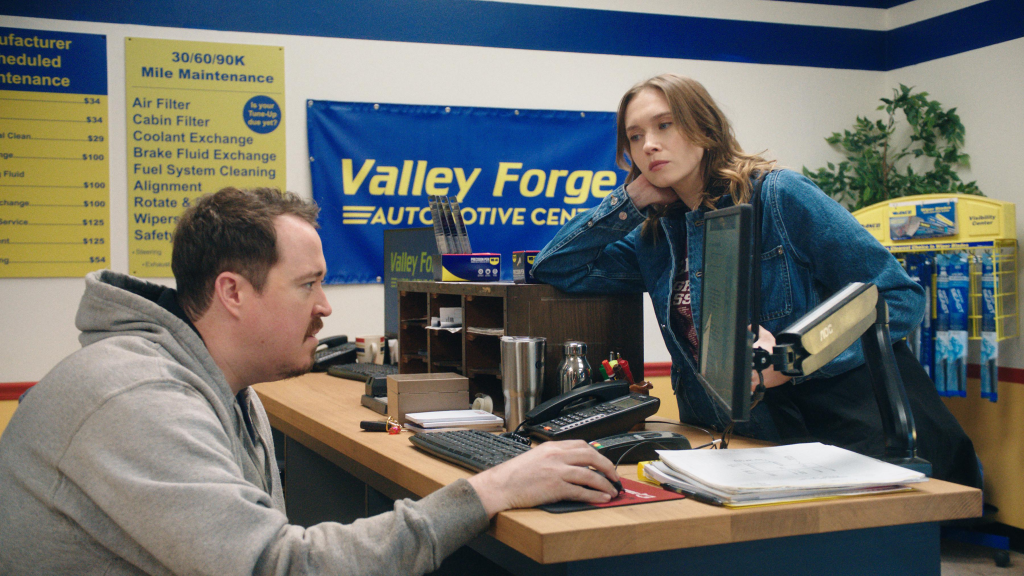 Tires | Credits: Netflix
Across two seasons, Shane Gillis‘ workplace comedy succeeded by keeping its ambitions relatively modest. While a third season has been approved, many viewers feel the show should not have been renewed.
Tires relies heavily on the familiar nostalgic sitcom tropes of the mid-2000s, essentially bringing the same thing but in a different setting. In this sense, there isn’t something really new that the show has to offer. Moreover, its deliberately antagonizing anti-woke plot feels a bit too much for Netflix to have greenlit another season.
Then there is the question of character arcs, writing, and acting, which feels too forced and intentional to make it funny. The lack of authenticity and genuine, organic storytelling makes it rather static.
6. Emily in Paris
 Emily in Paris | Credits: Netflix
Few Netflix shows generate as much discussion as Emily in Paris. The conversation, however, increasingly revolves around whether the show has progressed at all and if there has been any meaningful development.
Emily continues finding herself caught between romantic choices, career opportunities, and cultural misunderstandings that often resemble conflicts from previous seasons. While the appeal of the show has never been realism, repeating the same script every season has started to feel exhausting.
Viewers also have started to feel tired of Emily making the same mistakes. It would have been a good decision for Netflix to end the show with Season 5 rather than greenlighting another one, even if it’s the last.
7. Selling Sunset
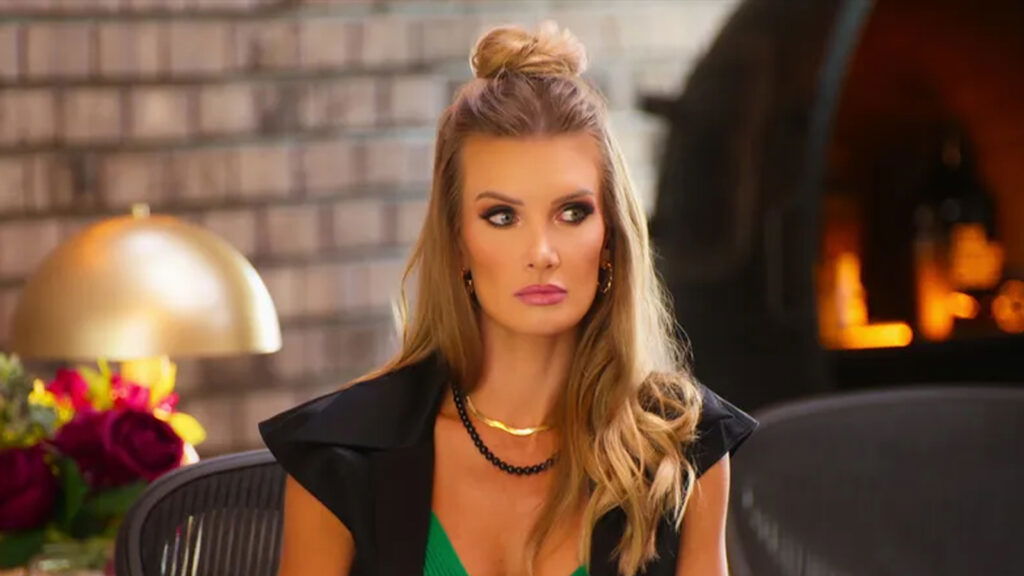 Selling Sunset | Credits: Netflix
Reality TV does not follow traditional rules, but even unscripted series depend on novelty. Early seasons of Selling Sunset balanced luxury real estate with genuine workplace dynamics, but the recent seasons feel primarily driven by interpersonal conflict.
The show now feels more like a toxic workplace than a luxury real estate show. While longtime stars like Chrishell Stause and Mary Bonnet were heavily featured in Season 9, their recent exits ahead of the upcoming Season 10 leave many feeling that Selling Sunset has lost its original charm.
Feeling more like conventional reality TV shows, the real estate has become secondary to the interpersonal arguments and cast drama. This shift has arguably changed what initially made the series distinctive, and Netflix should drop it before it gets too messy.
8. Dubai Bling
 Dubai Bling | Credits: Netflix
Dubai Bling entered Netflix’s reality lineup by showcasing extraordinary wealth while highlighting friendships, rivalries, and family relationships within Dubai’s social scene.
However, like many ensemble reality shows, it has failed to sustain long-term momentum. And for good reason, too, since the show centers heavily on forced drama and toxic interpersonal relations. It feels heavily scripted, and the recent Season 3 appeared to stray too far from its original lifestyle-focused setting. The continued focus on polarizing feuds such as those involving DJ Bliss and Loujain Adada has further alienated viewers.
Ending now while viewers remain invested often preserves credibility better than extending the format indefinitely.
9. The Witcher
Every long-time fan of The Witcher franchise would agree that the Netflix show should have ended when Henry Cavill departed. Its fourth season had just 7.4 million views across the first four days (via What’s on Netflix), which is significantly less than previous seasons starring Cavill.
The casting change came alongside continued discussion among fans regarding adaptation choices and departures from Andrzej Sapkowski’s novels. Neither Netflix nor the creative team has suggested those conversations influenced production decisions, but they have undeniably shaped audience discourse.
While the issue here isn’t Liam Hemsworth, all these things combined made it a controversial decision to continue the show. Although there is still potential for it to finish strongly, its legacy will likely remain tied to many of its off-screen changes and creative changes.
10. Beef
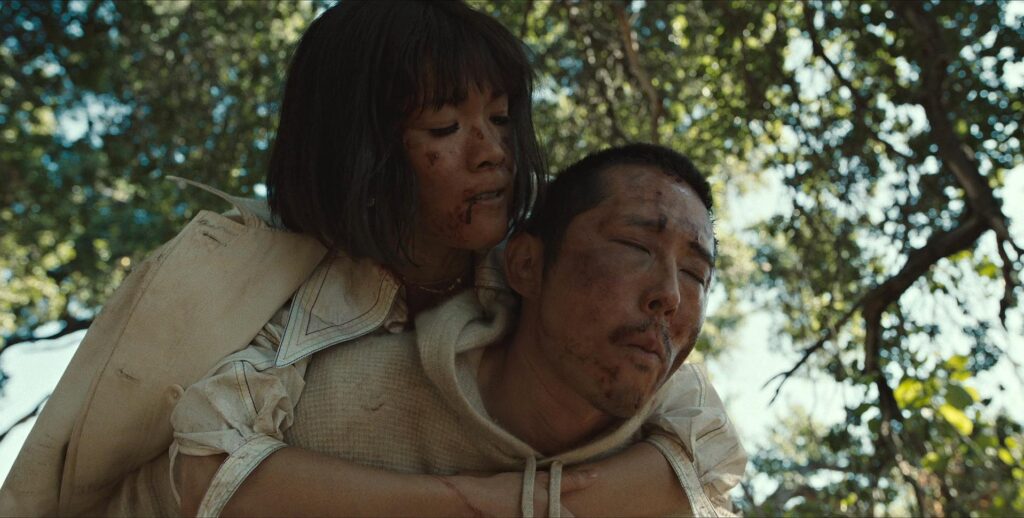 Beef | Credits: Netflix
This may be the most controversial choice. Unlike the other entries, Beef does not suffer from declining quality. Both seasons were pretty exceptional, but that is also why many viewers believed it should remain a self-contained story.
Creator Lee Sung Jin originally conceived Beef as a limited series before later taking the anthology route. While the second season featured different characters and stories, it inevitably invited comparison with one of Netflix’s strongest original dramas.
Continuing under the same title may produce excellent television, but it also changes how audiences remember the original. Sometimes protecting a show’s legacy means resisting the temptation to expand it simply because more stories are possible.
What do you think about our choices? Let us know in the comments below.
All of these shows are available for streaming on Netflix.




















 Bengali (BD) ·
  English (US) ·