.png)
 1 hour ago
11
1 hour ago
11
Hollywood’s relationship with anime has produced everything from faithful visual tributes to adaptations accused of stripping away the cultural identity that made the originals special. Films like Ghost in the Shell, Dragon Ball Evolution, Death Note, and Avatar: The Last Airbender ignited fierce debates over whitewashing, with critics questioning casting choices and the replacement of Japanese or Asian protagonists with Western counterparts.
This ranking isn’t about which adaptations are the worst. Instead, it examines the Hollywood anime and anime-inspired adaptations that generated the biggest whitewashing controversies, exploring the creative decisions behind the criticism, and why these debates continue to shape conversations about adapting Japanese stories for global audiences.
10 Alita: Battle Angel Faced Questions Over Representation Despite Fan Praise
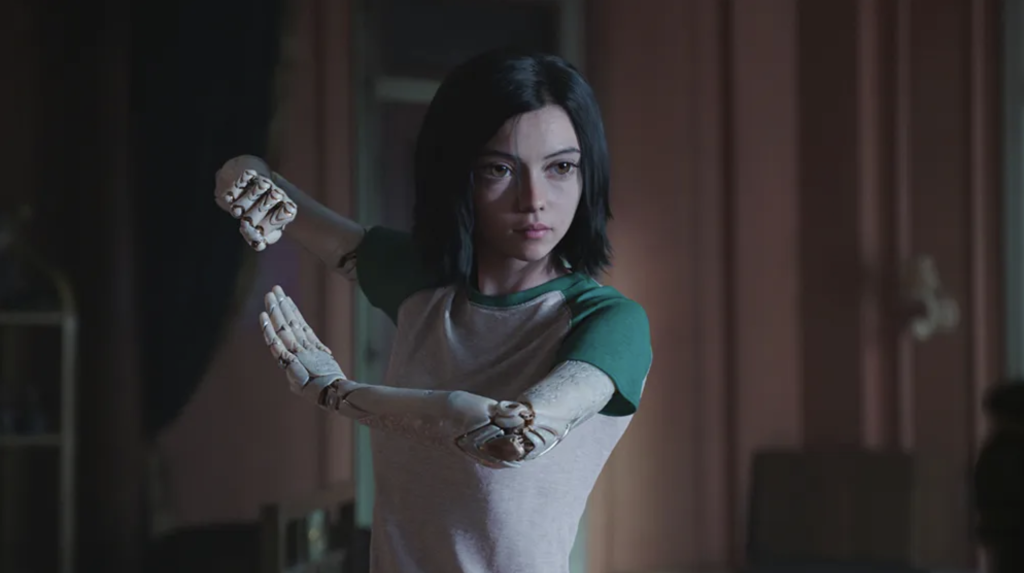 Alita from Alita: Battle Angel. [Credit: Lightstorm Entertainment]
Alita: Battle Angel largely escaped the level of backlash seen by other entries, but it still generated discussion before release. Based on Yukito Kishiro’s Battle Angel Alita (Gunnm), the film starred Rosa Salazar through performance capture as Alita, whose manga design already featured intentionally large, stylized eyes rather than distinctly Japanese features.
It made fans wonder whether Hollywood had once again centered a non-Asian lead in a Japanese story. However, the source material itself embraced multicultural influences. It sits at last because the controversy remained comparatively limited despite persistent debate.
9 The Last Airbender Became a Cautionary Tale About Whitewashed Casting
Although Avatar: The Last Airbender is an American animated series rather than Japanese anime, its heavy inspiration from East Asian and Inuit cultures led to global actors being cast as Aang (Noah Ringer), Katara (Nicola Peltz), Sokka (Jackson Rathbone), and Zuko (Dev Patel) for the 2010 movie. The widespread backlash turned the 2010 film into one of Hollywood’s most cited examples of controversial casting decisions and bad storytelling, earning it a horrible score of 3.9/10 on IMDb.
Meanwhile, the 2024 Netflix live-action series actively corrected course by casting actors of East Asian and Southeast Asian descent as the Fire Nation. While it was a massive improvement, it still left a few fans with minor casting disappointments, with some debating online about how closely the new cast matched the specific cultural balances established by the animated series.
8 Bullet Train Turned a Japanese Bestseller Into a Star-Studded Hollywood Ride
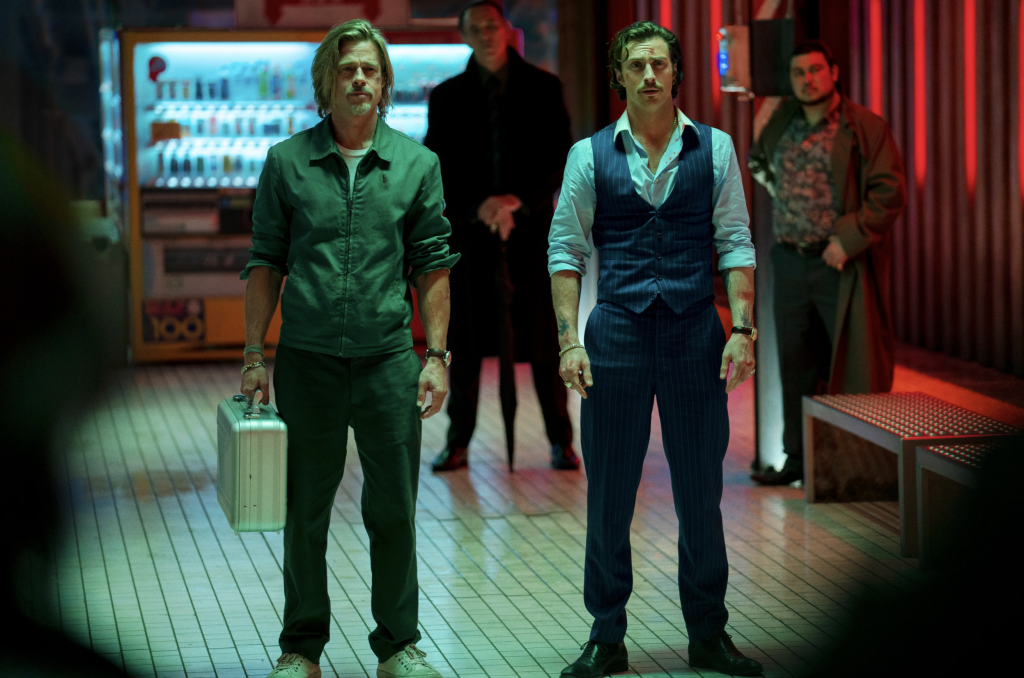 Brad Pitt and Aaron-Taylor Johnson from Bullet Train. [Credit: Columbia Pictures]
Kōtarō Isaka’s novel Maria Beetle, Bullet Train, shifted much of its focus toward Hollywood spectacle, with Brad Pitt leading an ensemble cast aboard Japan’s famous Shinkansen. Critics questioned why a story deeply rooted in Japanese culture featured relatively few Japanese actors in its central roles (via HollywoodReporter).
The film embraced stylized comedy rather than aiming for strict cultural authenticity, while Japanese actors including Andrew Koji, Hiroyuki Sanada, and Karen Fukuhara played important supporting parts. Because the adaptation openly reinvented the novel instead of claiming fidelity, the controversy places it eighth.
7 Edge of Tomorrow Replaced Its Japanese Hero With Tom Cruise
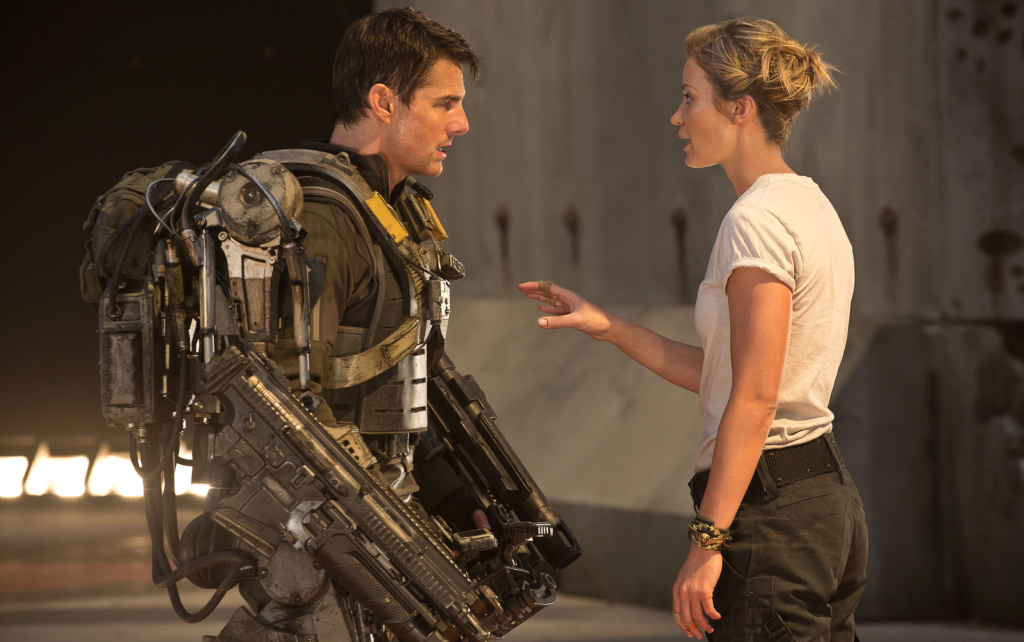 Tom Cruise and Emily Blunt in Edge of Tomorrow. [Credit: Warner Bros. Pictures]
Edge of Tomorrow adapted Hiroshi Sakurazaka’s novel All You Need Is Kill rather than an anime, yet the Hollywood interpretation lacked creativity compared to other adaptations. The novel’s protagonist, Keiji Kiriya, became Major William Cage, portrayed by Tom Cruise, while the story moved away from its Japanese military perspective toward a global sci-fi blockbuster.
Supporters argued the changes suited a big-budget adaptation aimed at international audiences and praised the film as one of Hollywood’s strongest Japanese-inspired productions. Fans even demanded that the sequel shouldn’t face the same whitewashing (via Resonate).
6 Blood: The Last Vampire Struggled to Preserve Its Japanese Roots
The live-action Blood: The Last Vampire (2009) retained Saya as an Asian protagonist through South Korean actress Jun Ji-hyun (Gianna Jun), but the adaptation diluted the franchise’s cultural identity in other ways. The original anime’s restrained atmosphere, postwar Japanese themes, and subtle storytelling gave way to a more conventional English-language action film. It ranks sixth because, while it avoided outright Caucasian whitewashing for its lead, it was still filled with a predominantly Western cast, weakening its Japanese roots.
It ranks sixth because the dialogue shifted primarily to English, the casting avoided the most common whitewashing criticisms, it was still filled with more English and French cast than Asian, leading to its Japanese roots being weakened (via BloodyDisgusting).
5 Speed Racer Ignited a Debate Over Identity Beneath the Neon Spectacle
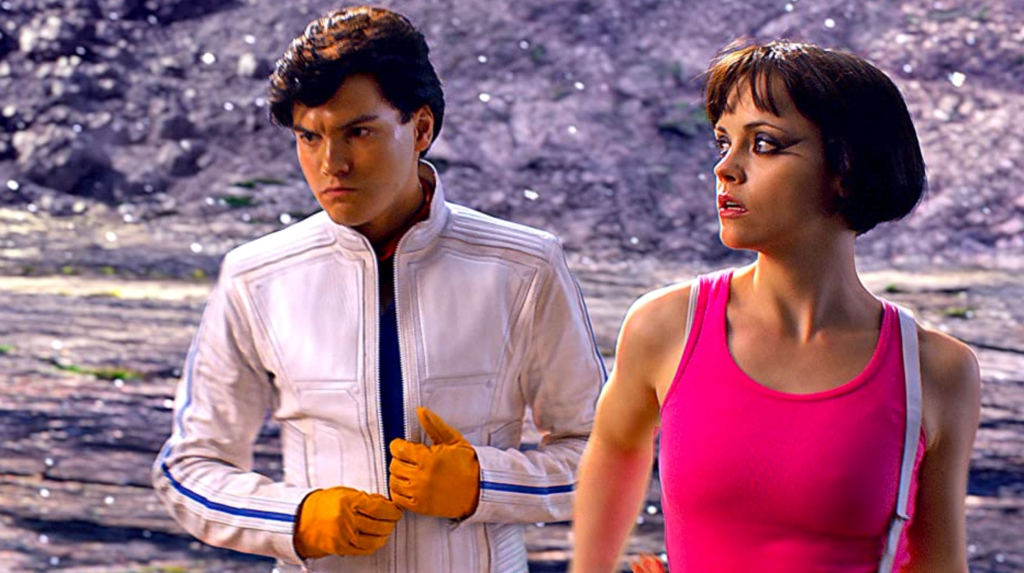 Emile Hirsch and Christina Ricci from the Speed Racer movie. [Credit: Warner Bros. Pictures]
The Wachowskis’ 2008 hyper-stylized film cast Emile Hirsch as Speed Racer (originally Go Mifune). The film remains a complex talking point: while it was heavily Americanized in character names and setting, the directors maintained a deep, almost reverent fidelity to the visual language, campiness, and structural pacing of Tatsuo Yoshida’s 1960s anime.
The casting did face criticism for bypassing Asian leads, but the film’s overwhelming visual ambition, cult-classic status, and respectful tone managed to soften the blow for many fans, making the debate more academic than furious (via Buzzfeed News).
4 Fist of the North Star Reimagined Kenshiro With a Hollywood Face
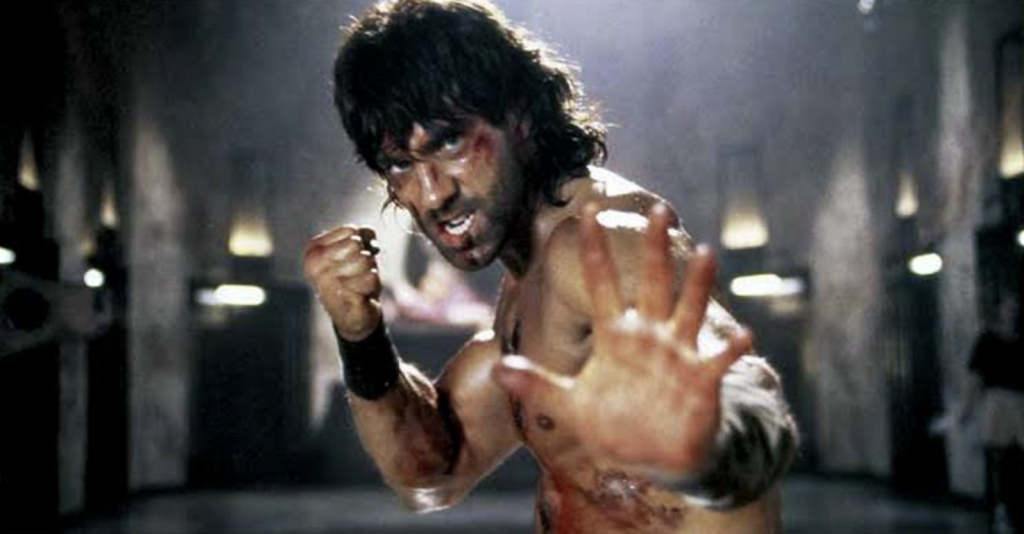 Gary Daniels in Fist of the North Star (1995). [Credit: First Look Pictures]
Sitting in fourth place, this straight-to-video 1995 adaptation cast American martial artist Gary Daniels as Kenshiro, the iconic post-apocalyptic savior inspired by Bruce Lee and Mad Max. Filmed on a low budget with a predominantly Western cast, the movie stripped the story of its dramatic epic scale and inherently dramatic manga roots, transforming it into a standard B-movie action flick.
While it avoided the massive mainstream media scrutiny of modern blockbusters due to its limited release, anime fans widely consider it an early, egregious example of Hollywood erasing Asian identities from leading martial arts roles.
3 Death Note Americanized Light Yagami and Divided Fans Worldwide
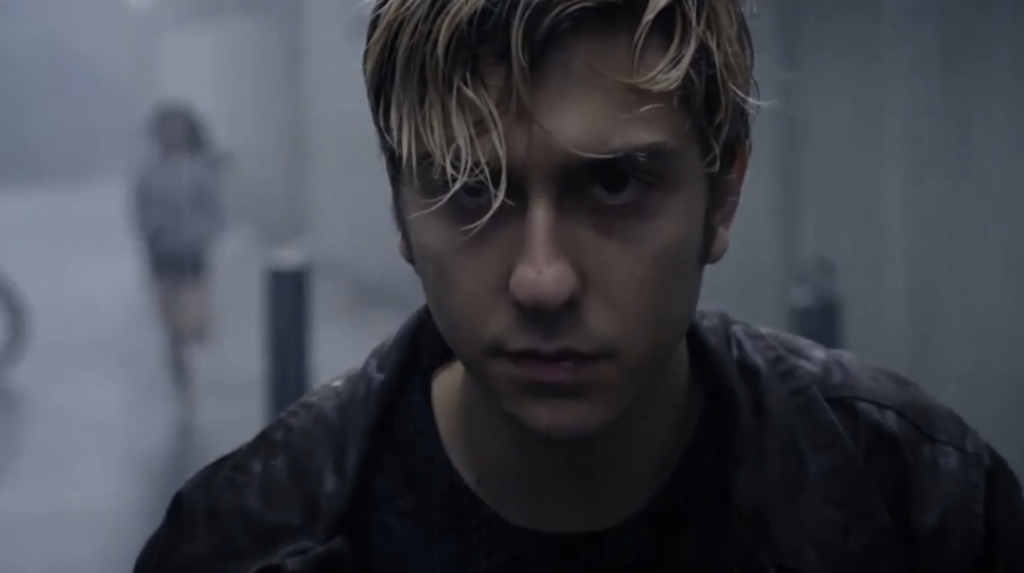 Nat Wolff as Light Turner in Death Note live-action. [Credit: Netflix]
Netflix’s 2017 adaptation shifted the psychological battleground from Tokyo to Seattle, casting Nat Wolff as “Light Turner” (originally Light Yagami). While director Adam Wingard defended the change as an exploration of American societal issues rather than a direct translation (via The Playlist), critics argued that removing the story from its Japanese context, rooted in specific Eastern concepts of morality, justice, and the shinigami folklore, gutted its thematic weight.
The casting provoked widespread debate online, contrasting sharply with the praise given to Willem Dafoe’s voice performance and Lakeith Stanfield’s interpretation of L, earning it third place.
2 Dragonball Evolution Stripped Son Goku of Toriyama’s Original Spirit
2009’s disastrous live-action adaptation cast Justin Chatwin as Son Goku, transforming a character deeply rooted in Chinese mythology (Journey to the West) and Japanese martial arts culture into a generic American high schooler. Furthermore, Lord Piccolo (played by James Marsters) was reduced to wearing cheap-looking practical makeup that completely failed to capture his iconic alien design.
It ranks second because fans globally condemned the casting and the total dilution of the source material’s spiritual essence. The backlash was so severe that it famously motivated original creator Akira Toriyama to come out of semi-retirement to write Dragon Ball Z: Battle of Gods.
1 Ghost in the Shell Sparked Hollywood’s Biggest Whitewashing Firestorm
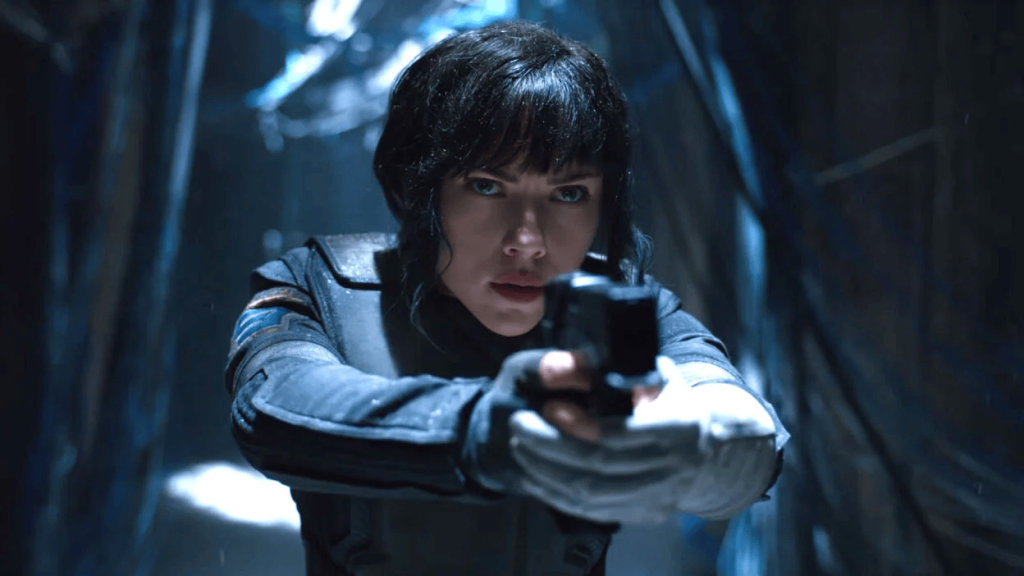 Scarlett Johansson as Motoko in Ghost in the Shell. [Credit: Paramount Pictures]
Casting Scarlett Johansson as Major Motoko Kusanagi (renamed ‘Mira Killian’) ignited a massive global firestorm. The controversy went beyond surface-level casting; the narrative itself tried to justify the change by revealing the character was originally a Japanese woman named Motoko whose brain was non-consensually placed into a Caucasian cyborg shell. While Johansson consistently defended her casting by arguing the cyborg character was essentially identity-less, critics and fans argued the film’s plot literalized cultural erasure.
Critics and fans argued this literalized cultural erasure, turning identity politics into a literal plot point (via The Guardian). The backlash made this the definitive modern case study for Hollywood whitewashing, which is why it sits at the top.
Here’s a ranked table:
| Rank | Anime / Source Material Name |
| 1 | Ghost in the Shell |
| 2 | Dragonball Evolution |
| 3 | Death Note |
| 4 | Fist of the North Star |
| 5 | Speed Racer |
| 6 | Blood: The Last Vampire |
| 7 | Edge of Tomorrow |
| 8 | Bullet Train |
| 9 | Avatar: The Last Airbender |
| 10 | Alita: Battle Angel |
Which adaptation do you think mishandled its source material the most? Comment below!























 Bengali (BD) ·
  English (US) ·