.png)
 1 hour ago
6
1 hour ago
6
Apple TV+ just debuted the For All Mankind spin-off show, Star City. Set years back during the 1970s, it tells the story of the Soviet Space Race. Leaning into secrecy, surveillance, and ideological pressure, Apple TV Press described it as a propulsive paranoid thriller.
Taking inspiration from real-life events, the show has a goldmine of real Soviet history to pull from. In many cases, the real stories are already more dramatic than fiction. So, below are five real Soviet space program stories that Star City could adapt brilliantly and why each one would fit perfectly into the show’s tone, themes, and emotional architecture.
1 Decompression of Soyuz 11 (1971)
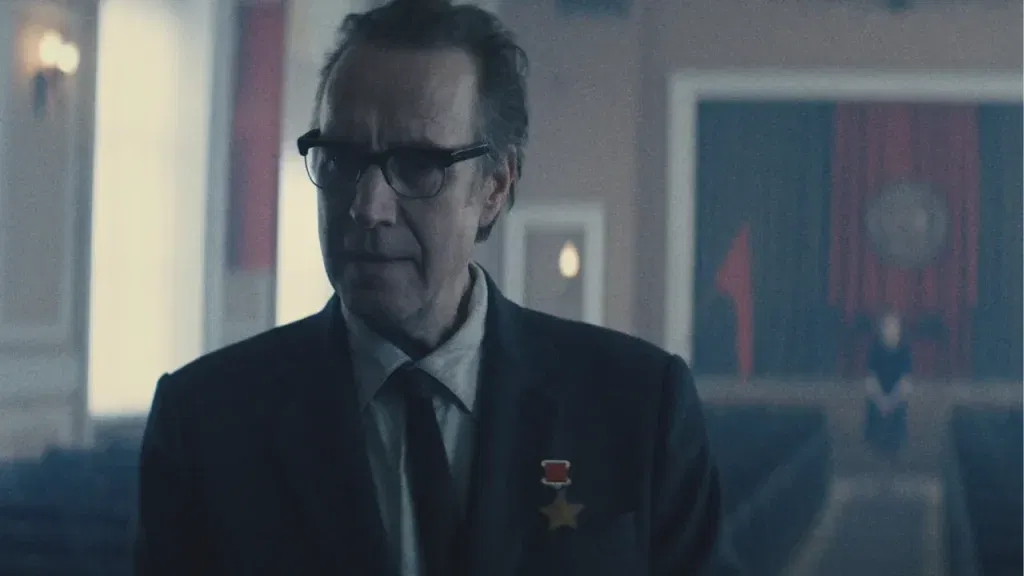 Rhys Ifans in a still from Star City | Credits: Apple TV
The Soyuz 11 mission disaster remains one of the most horrifying tragedies in spaceflight history. In June 1971, Soviet cosmonauts Georgy Dobrovolsky, Vladislav Volkov, and Viktor Patsayev became the first humans to occupy the world’s first space station, Salyut 1. The mission itself was a massive success for the USSR. But during re-entry, a pressure equalization valve accidentally opened prematurely, causing the spacecraft cabin to depressurize in space (via History.com).
The crew, all of them, died a cruel death due to direct exposure to the space vacuum. This is practically tailor-made for the show’s bleak Soviet aesthetic. Star City can adapt and show how the mission is initially celebrated, but then, how internally, the crew and engineers are grappling with the design flaw. A fictionalized version could even become the emotional centerpiece of an entire season.
2 Soviet Union’s Lunokhod 1 (1970)
 A still from the drama | Credits: Apple TV
Before modern Mars rovers captivated the world, the Soviet Union’s Lunokhod 1 was the first successful remote-controlled rover on another celestial body. Delivered to the Moon by Luna 17 in 1970, Lunokhod 1 traveled across the lunar surface, sending back thousands of photographs and hundreds of panoramic images. What’s fascinating is that Lunokhod 1 later became “lost” for decades before being rediscovered in 2010 through Lunar Reconnaissance Orbiter imagery (via Space.com).
Star City could use this as a thematic counterpoint to the human spaceflight. Star City could portray operators emotionally bonding with the rover, almost like a living being. A Soviet-era version of that attachment could feel haunting and original, giving the Soviet Space Mission more depth and grounding it.
3 Soviet Union’s Venera 7 Probe (1970)
 A still from the drama | Credits: Apple TV
In 1970, Venera 7 became the first spacecraft to successfully soft-land on another planet and transmit data back to Earth from the surface of Venus. The mission nearly failed. Its parachute malfunctioned during descent, and controllers initially believed the probe was destroyed. But faint transmissions revealed it had survived impact and continued sending data for about 23 minutes (via Garden of Memories).
One of the Soviet Union’s greatest unmanned achievements, adapting this could show how the Soviet Union’s achievements often happened under conditions of scarcity and improvisation. It could also humanize the Soviet engineers, as they tried to achieve scientific miracles under oppressive systems. And visually, this event would allow Star City to go beyond the Earth and Moon, while remaining grounded in history.
4 Soviet Union’s Soyuz Spacecraft Failure (1967)
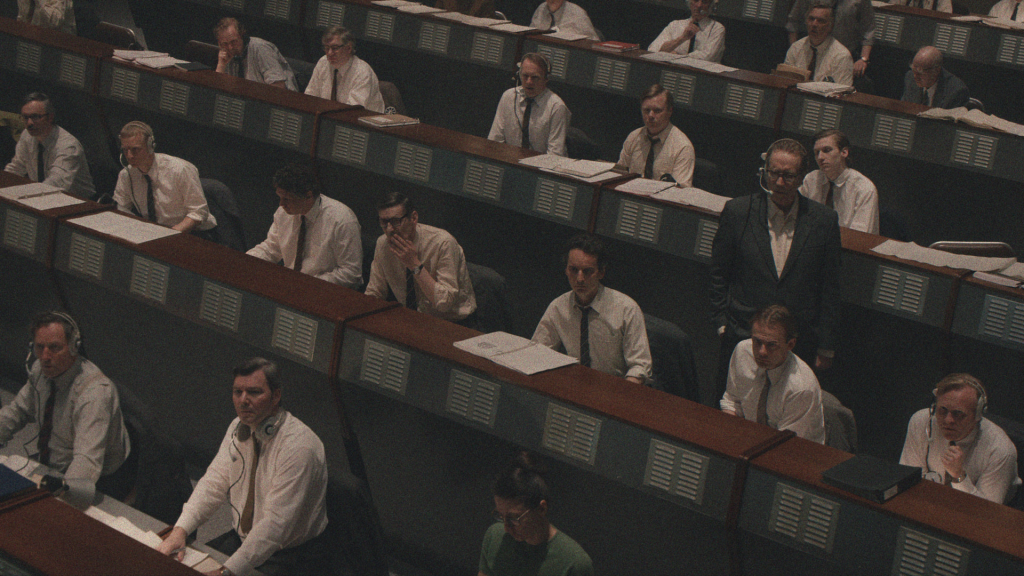 A still from the drama | Credits: Apple TV
The early Soyuz spacecraft program was plagued with disasters, technical failures, and political pressure. The most infamous early tragedy was Soyuz 1 in 1967, where cosmonaut Vladimir Komarov died after multiple spacecraft malfunctions and parachute failure during re-entry (via Astronomy).
Historians continue debating how much Soviet leadership knew about the spacecraft’s flaws before launch. Many accounts suggest engineers warned against proceeding. Since Star City is centered on the Soviet Space Mission, adapting this could show the flaws in the mission and what political interference does. The moral tension and political cover-up give enormous storytelling opportunities. The show’s thriller tone would thrive on that atmosphere.
5 Interkosmos “Guest Cosmonaut” Program (1978-88)
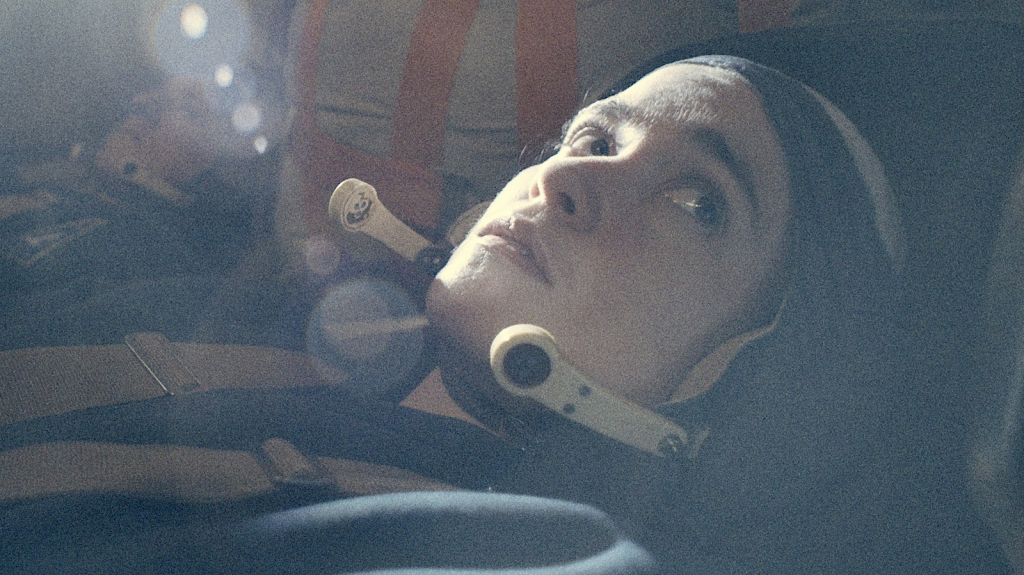 A still from Star City | Credits: Apple TV
The Interkosmos program was one of the Soviet Union’s smartest geopolitical tools. Through Interkosmos, the USSR invited allied nations and sympathetic countries to send cosmonauts into space aboard Soviet missions. Participants came from countries that were either socialist or pro-Soviet, members of the Warsaw Pact, and some other non-aligned countries (via Challenge Magazine).
This cunning scheme promoted international cooperation among countries in favor of the USSR. By using the Interkosmos programme, Star City could expand beyond a purely Soviet story and also bring in the geopolitical element of the space race. It would also make the world feel bigger and more global, making the show feel more relatable and in touch with historical realities.
| # | Soviet Space Event (Year) | Historical Context | Star City Narrative Fit |
| 1 | Soyuz 11 Decompression (1971) | The crew successfully occupied the first space station (Salyut 1) but died during re-entry when a valve accidentally opened. | Amplifies the show’s bleak aesthetic; contrasts public celebration with internal grief and guilt over design flaws. |
| 2 | Lunokhod 1 Rover (1970) | The first successful remote-controlled lunar rover. It sent back thousands of images before being “lost” until 2010. | Serves as a humanizing counterpoint; explores operators forming a haunting emotional bond with a robotic probe. |
| 3 | Venera 7 Venus Probe (1970) | The first spacecraft to land on another planet. Despite a parachute failure, it survived impact and transmitted data for 23 minutes. | Highlights themes of scarcity, improvisation, and achieving scientific miracles under oppressive, high-pressure systems. |
| 4 | Soyuz 1 Structural Failure (1967) | Cosmonaut Vladimir Komarov died after catastrophic malfunctions, despite engineers reportedly warning leadership beforehand. | Drives the paranoid thriller tone; exposes political interference, moral tension, and systemic cover-ups. |
| 5 | Interkosmos Program (1978–88) | A geopolitical initiative that invited cosmonauts from allied, Warsaw Pact, and non-aligned nations onto Soviet missions. | Expands the show’s scope globally; introduces international espionage, propaganda, and broader Cold War dynamics. |
Each of these events is unique and integral to the history of the space race, and frankly, these stories would give Star City a genuine sense of tragedy and achievement, something most modern sci-fi lacks.
What do you think? Let us know in the comments below.
Star City can be streamed on Apple TV+.


























/https%3A%2F%2Fsportsmole-media-prod.s3.gra.io.cloud.ovh.net%2Fuploads%2F2026%2F05%2Fimago1077546153-2-6a0b8bbf76f8f531157643.jpg)
 Bengali (BD) ·
  English (US) ·