.png)
 1 week ago
15
1 week ago
15
In the One Piece anime and manga series, the World Government is more than just an institution or organization; it is the main villain. An administrative body created to tackle pirates and maintain peace – but in reality, they are as flawed as the next thing in the room.
For those who’re interested in learning more about the World Government, this article is the perfect place. We’ve listed every distinct rank within the World Government and the Marines in the One Piece series for our convenience. Without further ado, let’s jump right in.
| TITLE | One Piece |
| CREATORS | Eiichiro Oda |
| RELEASE DATE | October 20, 1999 |
| IMDb RATINGS (as of July 9, 2026) | 9/10 |
| WHERE TO WATCH | Crunchyroll |
What Is the World Government in One Piece, Summarized
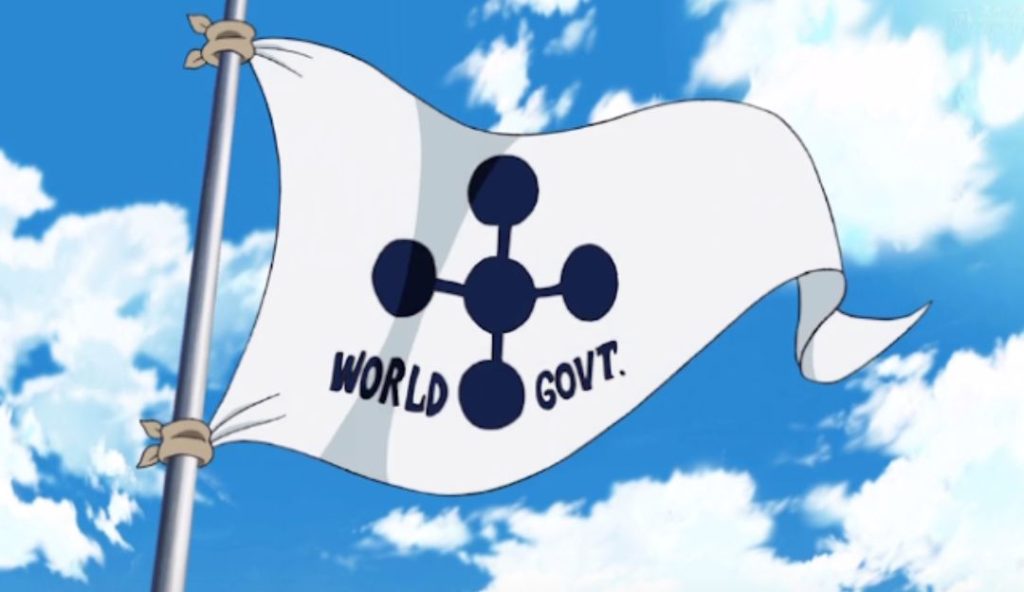 The World Government Flag from One Piece | Credits: Toei Animation
The World Government is the single ruling body over the One Piece world, born eight centuries ago when twenty kings banded together to topple the mysterious Great Kingdom during the Void Century. Today, it claims roughly 170 affiliated nations, all paying “Heavenly Tribute” for protection from the Marines and Cipher Pol.
Its capital is Mary Geoise, floating above the Red Line, where the ruling class lives untouched by ordinary law. Behind the public face of order sits a system built on secrecy, buried history, and a chain of command that goes far higher than most citizens ever realize.
The World Government Hierarchy, Explained
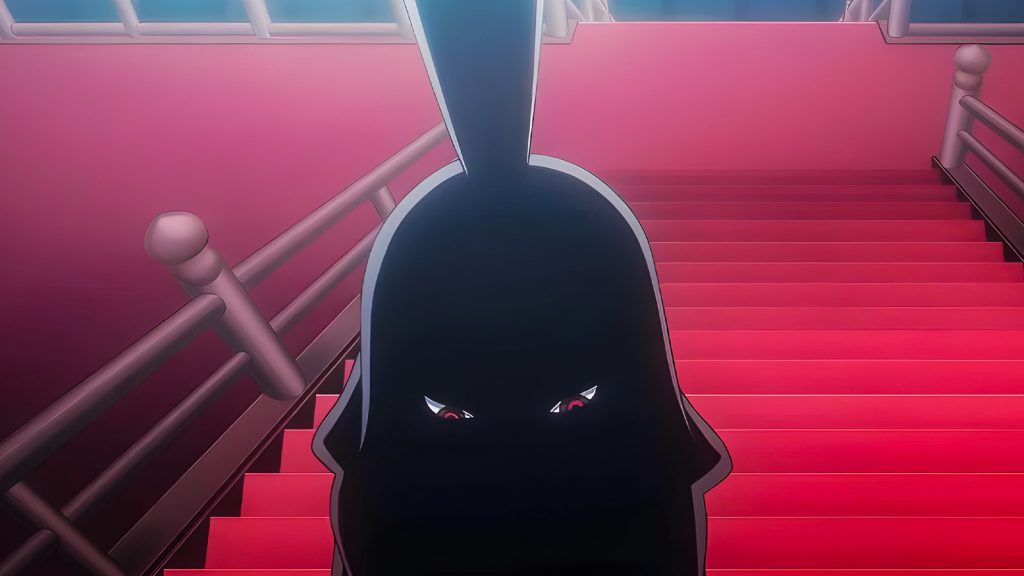 Imu from One Piece | Credits: Toei Animation
The World Government’s hierarchy looks simple from the outside: five old men and a Navy, but it’s built like a pyramid with hidden floors. Publicly, the Five Elders (also known as The Gorosei) sit at the very top, answering to no one.
In truth, an entire tier of power exists above and around them: a secret ruler, an aristocratic bloodline, an elite guard, and shadow agencies most of the world doesn’t even know exist. Understanding this ladder means separating who looks powerful from who actually pulls the strings, because in One Piece, those are rarely the same people.
The King of the World
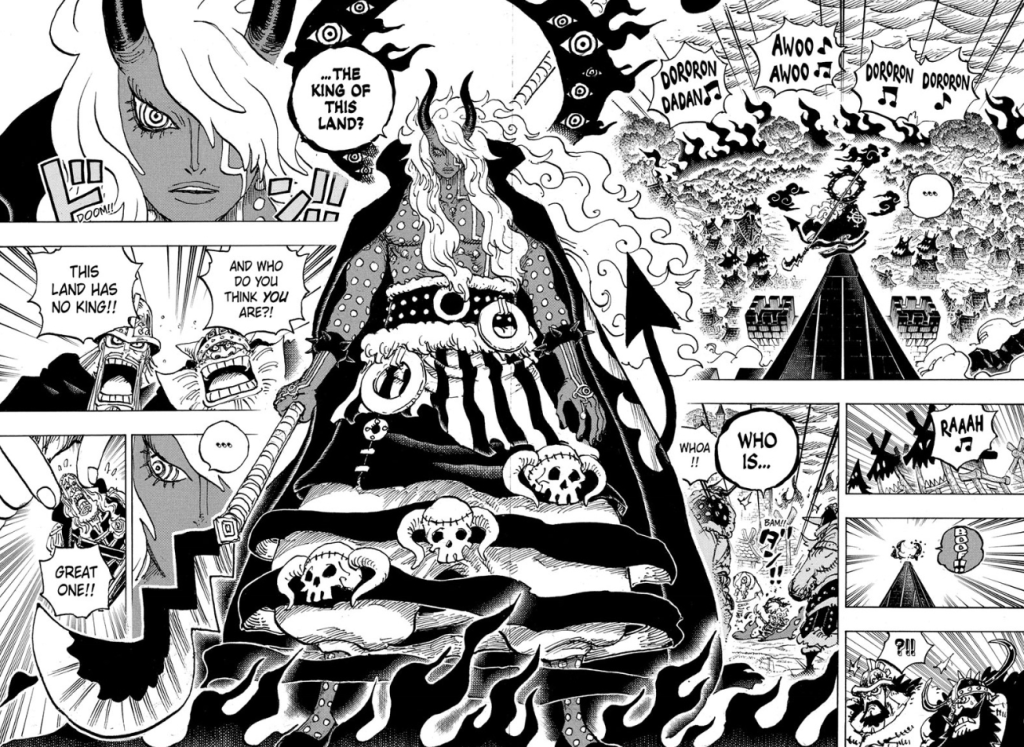 Saint Nerona Imu from One Piece Chapter 1180 | Credits: Shueisha
Above the Five Elders sits the World Government’s actual ruler, Imu, who occupies the Empty Throne inside Mary Geoise’s Pangaea Castle. For most of the series, Imu existed only as a rumor, since even the Elders answer to this individual in total secrecy.
Introduced at the Reverie, Imu can erase entire nations from history, as shown when the Lulusia Kingdom vanished from world memory. Wielding a mysterious ability tied to the Void Century, Imu represents the true authority; the Elders merely pretend to hold it in front of the public.
The World Nobles
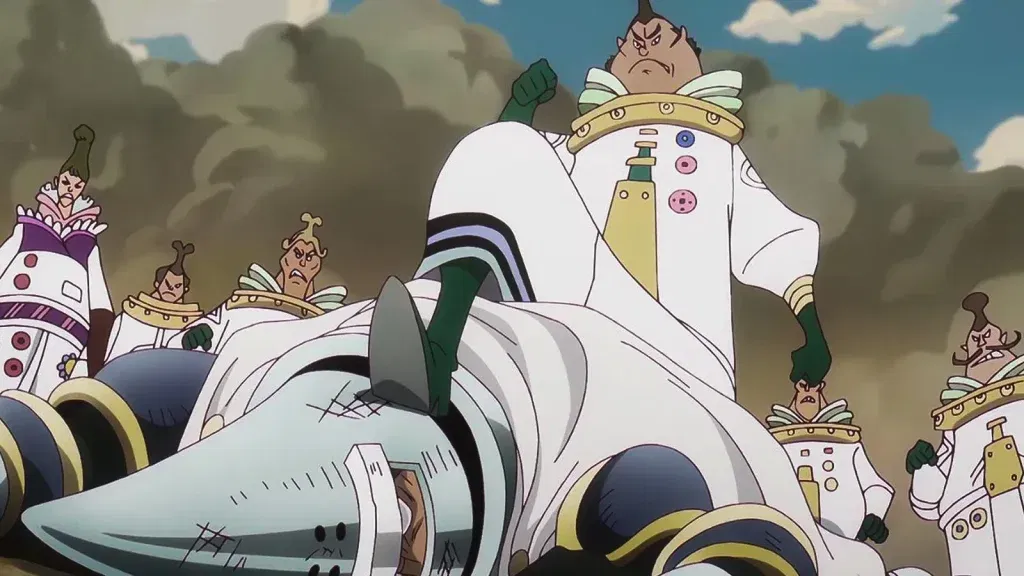 The Celestial Dragons from One Piece | Credits: Toei Animation
The World Nobles, or Celestial Dragons, are the aristocratic descendants of nineteen of the original twenty kings who founded the government, and they live in Mary Geoise completely outside ordinary law. They wear bubble helmets so they don’t breathe common air, own slaves branded with the Hoof of the Soaring Dragon, and can summon an Admiral if anyone dares oppose them.
Their wealth comes largely from Heavenly Tribute payments squeezed from member nations. Despite representing the government’s ugliest hypocrisy, they hold enormous unofficial influence, since even Reverie monarchs answer to their whims.
The Gorosei
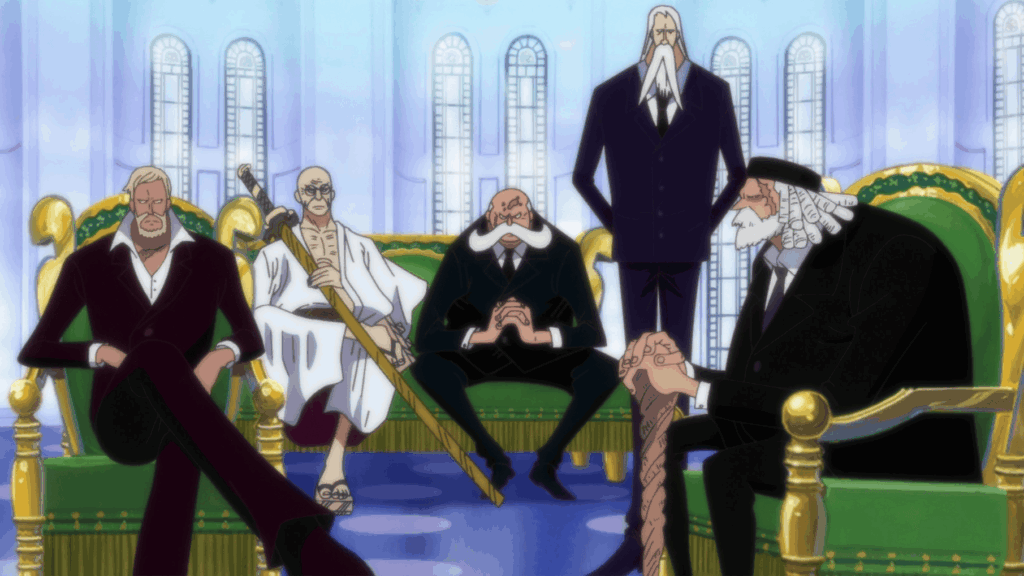 The Gorosei from One Piece | Credits: Toei Animation
Known as the Five Elders, or Gorosei, this council of the highest-ranking Celestial Dragons is publicly billed as the government’s supreme authority, overseeing everything from Buster Calls to Warlord appointments. Each Elder governs a specific portfolio; Jaygarcia Saturn handled Science and Defense, for instance, and all five can transform into monstrous Mythical Zoan forms once pushed into combat.
They control the flow of information worldwide and have ordered the destruction of entire islands to bury inconvenient truths. Yet even they kneel before Imu, proving their “highest authority” title is mostly theater for the outside world.
The Knights of Gods
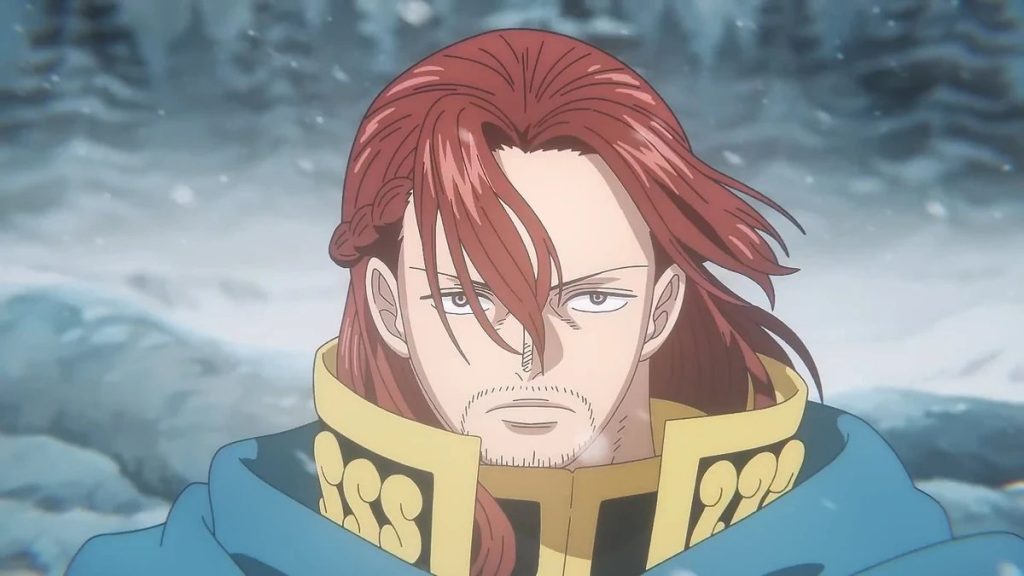 Figarland Shamrock from One Piece | Credits: Toei Animation
Also called the Holy Knights, this elite unit answers directly to Supreme Commander Figarland Garling and operates almost exclusively within Mary Geoise, making them the only authorized law enforcement above even the Marines inside the Holy Land. Composed largely of combat-capable World Nobles, they can execute a Celestial Dragon found guilty of wrongdoing, a power nobody else holds.
They’re functionally immortal through their Abyss ability, only vulnerable to Conqueror’s Haki, and rarely recruit outsiders, as seen with the giant Harald. Their existence stayed hidden from readers for over two decades before finally surfacing. As of now, only Figarland Shamrock, Sommers, Killingham, and Gunko of the Holy Knights have appeared.
The Commander-in-Chief
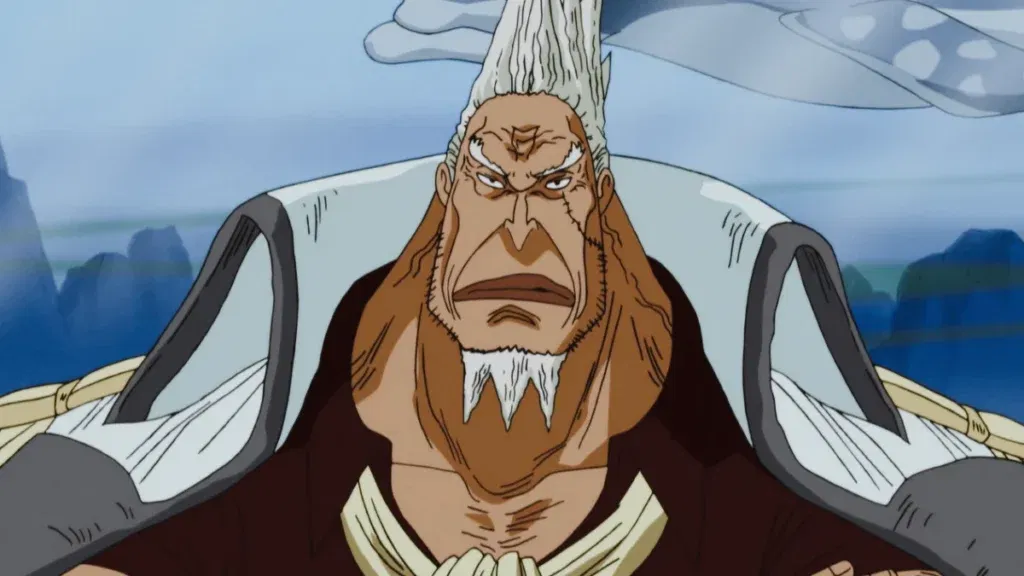 Kong from One Piece | Credits: Toei Animation
Sitting just below the Five Elders is the Commander-in-Chief, a title currently held by Kong, a former Fleet Admiral who once oversaw the Battle of Edd War. This role commands the Marines, the Cipher Pol network, and formerly the Seven Warlords of the Sea, making it the highest operational post beneath the Elders themselves.
Only the Gorosei can override a Commander-in-Chief’s decisions, giving Kong near-total authority over the government’s military and intelligence machinery. It’s a political promotion rather than a combat rank, rewarding a Fleet Admiral’s loyalty and service with government-level command.
The Scientific Research and Development Division
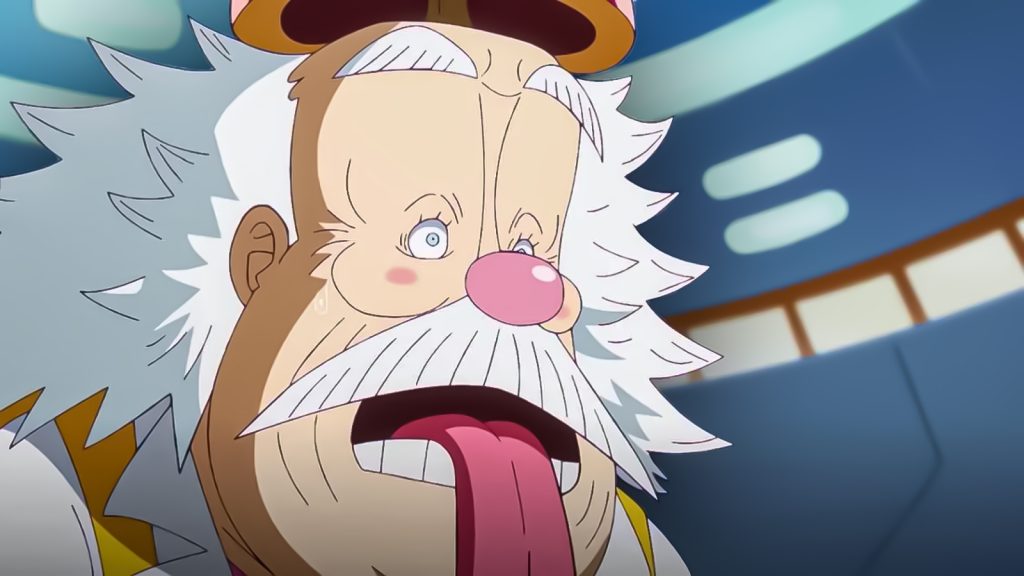 Dr. Vegapunk from One Piece | Credits: Toei Animation
Officially known as the Special Science Group, this division answers to the Five Elders through the Marines and has been led for years by Dr. Vegapunk, the world’s foremost scientific mind. It’s responsible for the government’s most dangerous hardware, including Seastone-lined weapons, the Pacifista units, and the Seraphim that replaced the Seven Warlords entirely.
Vegapunk himself was once part of MADS, an outlaw research team the government later arrested and absorbed. The division blurs the line between scientific progress and weaponized control, arguably shaping the government’s future more than any Admiral could.
The Cipher Pol
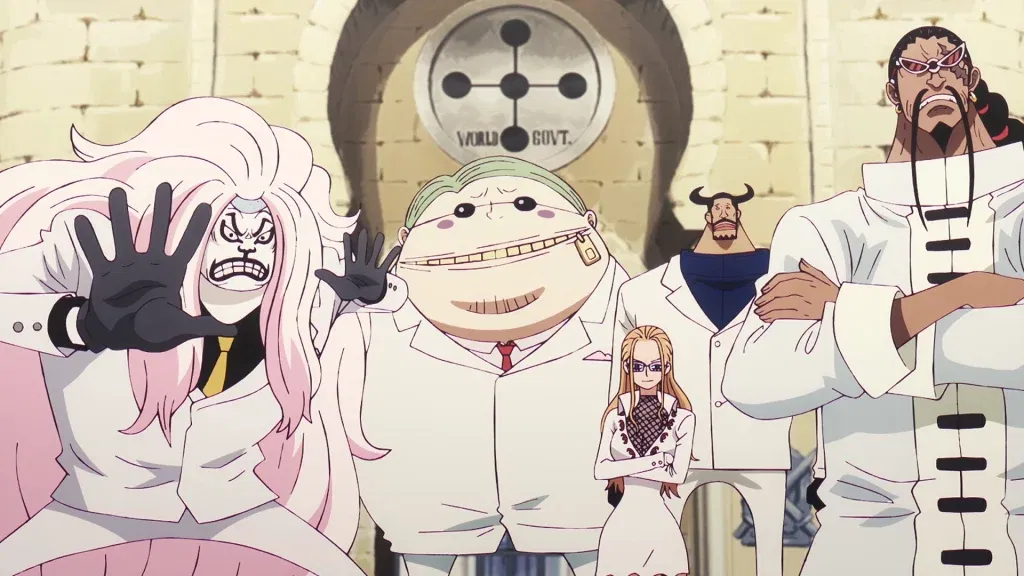 Cipher Pol from One Piece | Credits: Toei Animation
Cipher Pol is the government’s intelligence wing, split into eight numbered public branches plus two unofficial ones, CP9 and CP0, that officially don’t exist on paper. CP9 agents are licensed to kill anyone working against the government and are trained from childhood in Rokushiki.
CP0, nicknamed Aigis Zero, sits above them all, answering directly to the World Nobles rather than the Marines’ chain of command. Its agents wear masks, dress in white rather than black, and appear whenever something world-altering is unfolding, as seen throughout the Egghead Incident’s fallout.
The Marine Ranking System in One Piece, Summarized
 The Marine logo from One Piece | Credits: Toei Animation
Beneath the government’s political tier sits the Marines, the uniformed military force that actually enforces order across the seas. Their ranking system runs eleven tiers deep, from lowest Ensign to the singular Fleet Admiral, and climbing it usually means gaining both combat strength and access to Haki training.
Every rank from Vice Admiral upward reports, at least nominally, all the way to the Five Elders. What follows breaks down each Commissioned Officer rank in order, along with what separates one gold epaulet from the next.
The Fleet Admiral
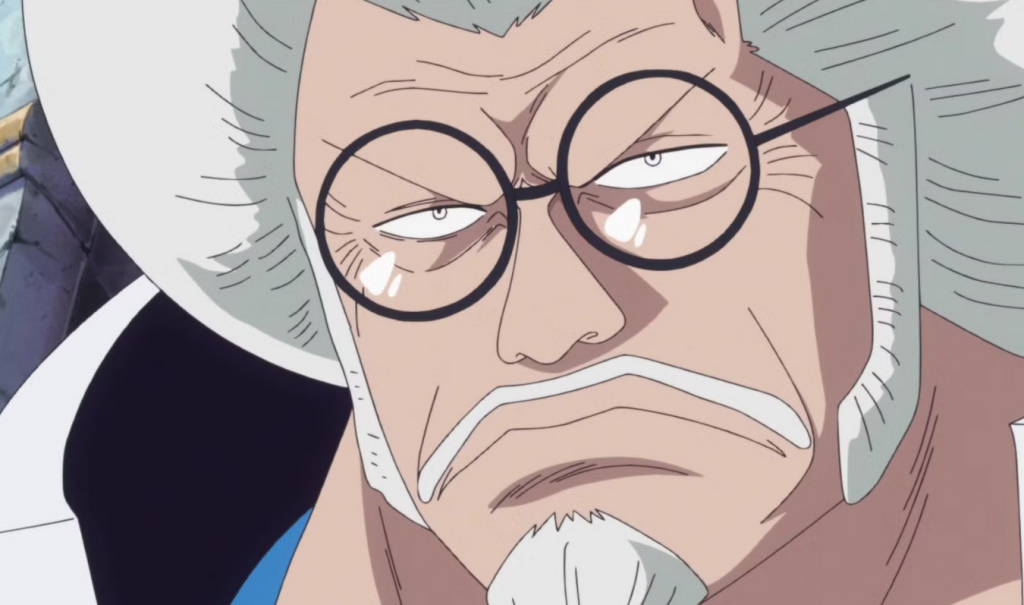 Former Fleet Admiral Sengoku from One Piece | Credits: Toei Animation
The Fleet Admiral is the single highest rank inside the Marine organization, sitting just below the Commander-in-Chief and Five Elders in the overall chain. Along with the three Admirals, Fleet Admirals can authorize a Buster Call and revoke a Warlord’s title outright.
Sakazuki currently holds the seat after defeating Kuzan in a ten-day duel across Punk Hazard following Sengoku’s retirement post-Marineford Arc. The uniform reflects the position’s weight too, a stylized white coat with pure gold epaulets and white cuffs that visually separates the Fleet Admiral from every officer beneath.
The Admirals
Only three Admirals serve the Marines at any given time, and each one is branded the World Government’s “Greatest Military Power” for good reason. Kizaru, Fujitora, and Ryokugyu currently hold the rank, with Fujitora and Ryokugyu drafted in through the World Military Draft after Aokiji’s resignation.
Alongside the Fleet Admiral, Admirals are the only officers who can call a Buster Call unilaterally. Their coats carry golden epaulets matched to their alias colors, and their Devil Fruit powers alone are usually enough to make entire pirate crews reconsider a fight.
The Vice Admirals
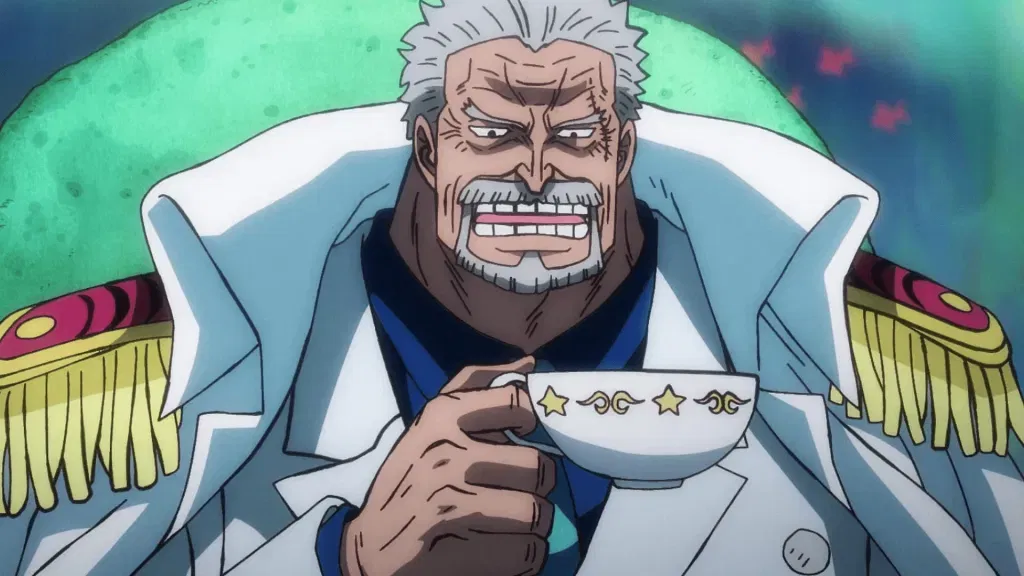 Monkey D. Garp from One Piece | Credits: Toei Animation
Vice Admiral is the third-highest Marine rank and the point at which Haki mastery becomes mandatory for every officer who reaches it. Garp, Tsuru, and Smoker all currently hold this position, and at least five Vice Admirals accompany any Buster Call fleet dispatched.
Monkey D. Garp specifically has refused promotion to Admiral repeatedly, since climbing higher would place him under direct Celestial Dragon oversight, something he despises. Many Giants who join the Marines land here too, a testament to how physically demanding the rank’s expectations actually are.
The Rear Admirals
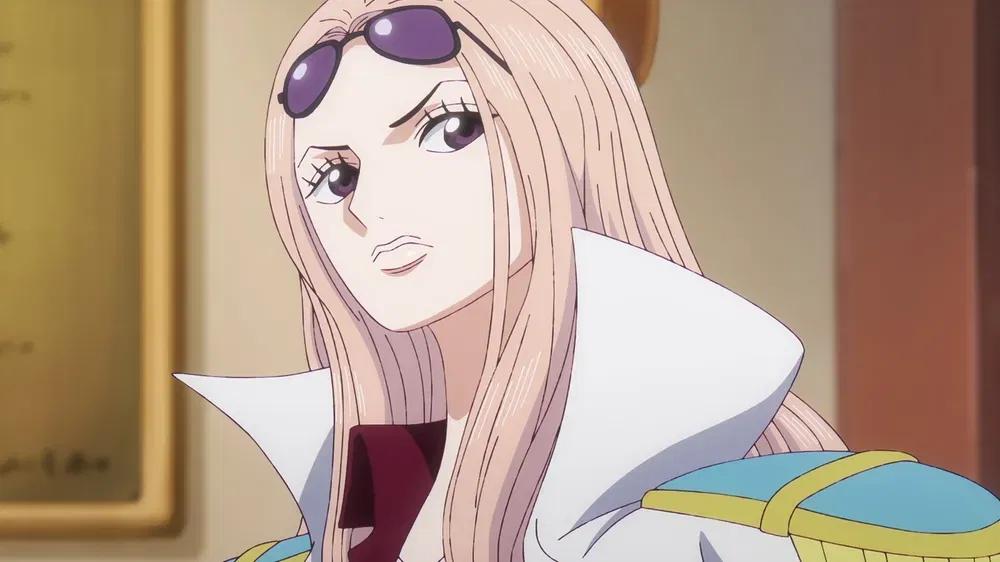 Rear Admiral Hina from One Piece | Credits: Toei Animation
Rear Admiral is technically the lowest of the “Admiral” tier ranks but still ranks fourth overall in the Marines, giving holders full command over anyone beneath them. Hina and Prince Grus currently serve at this level, and while Rear Admirals have the least authority among Admiral-tier officers, standout individuals like Hina get assigned extra responsibilities at Headquarters.
This is also the minimum rank required for a Marine to be permitted an audience with the Five Elders, marking a real jump in political access even if combat strength varies more widely at this level.
The Commodore
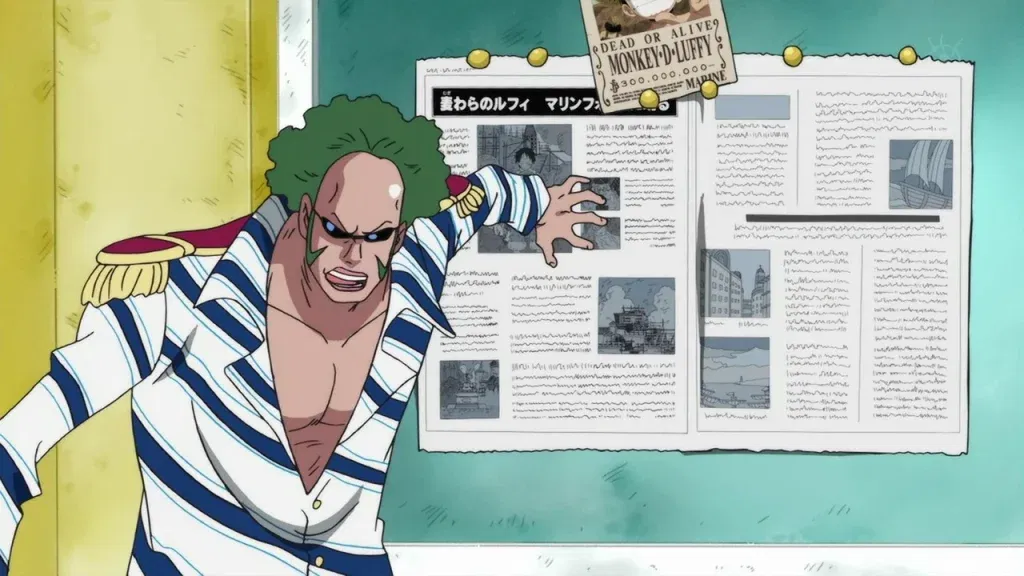 Brannew from One Piece | Credits: Toei Animation
Commodore sits fifth in the Marine hierarchy, one rank above Captain, and carries authority over any lower-ranked officer regardless of station. Brannew, the officer responsible for assigning many of the story’s biggest bounties, holds this rank and reports directly to the Fleet Admiral as a special case.
Daigin and Yarisugi are other notable Commodores. Officers at this level are typically trusted with tasks too politically sensitive for Captains, ranging from prisoner assignments to communications tied directly to Headquarters and its ongoing operations.
The Captains
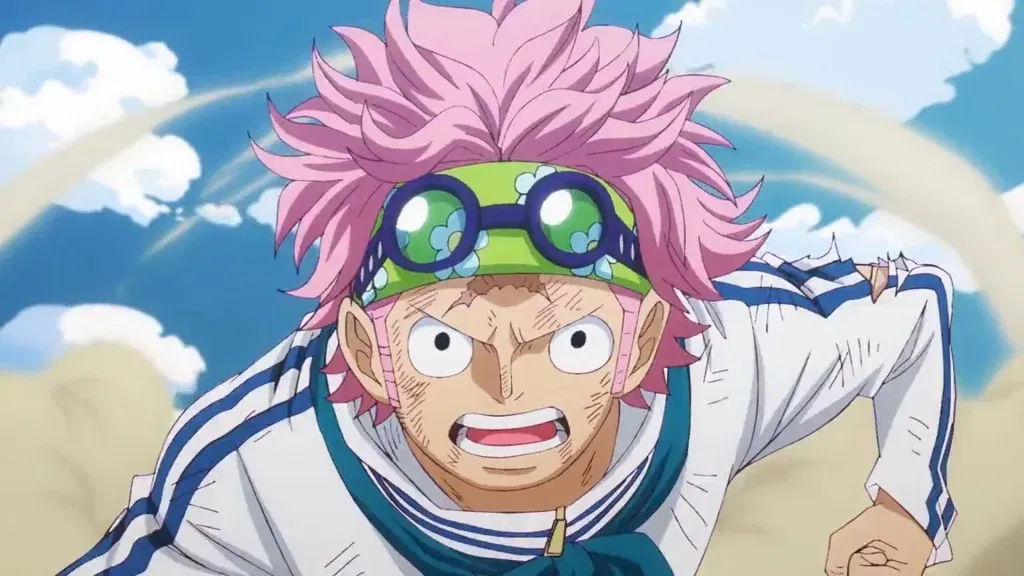 Koby from One Piece | Credits: Toei Animation
Captain marks a real turning point in a Marine’s career, since officers at this rank command entire branches built around specific islands and often lead in the absence of higher-ranked officers. Koby, a One Piece zero-to-hero, and Tashigi both hold Captain rank following their growth after the Summit War, alongside veterans like Shu and Sharinguru.
Many Captains wield Devil Fruits or advanced combat styles by this point, and they’re trusted with real tactical decision-making rather than simple patrol duty, making the jump from Ensign to Captain one of the more meaningful climbs in the entire system.
The Commanders
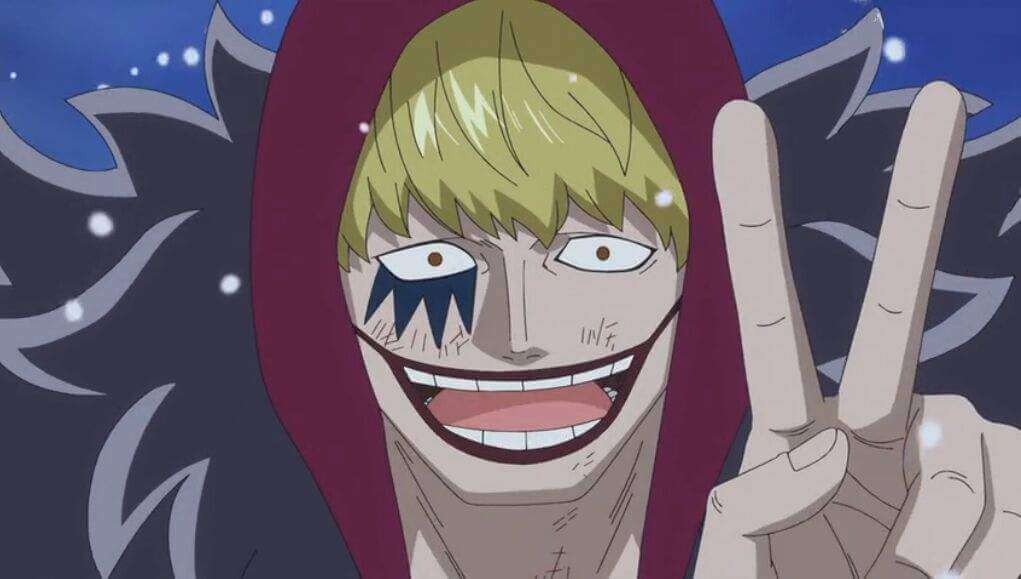 Donquixote Rosinante from One Piece | Credits: Toei Animation
Commander sits in the middle tier of Commissioned Officers, and Oda himself has admitted the details separating it from neighboring ranks like Lieutenant Commander remain largely unexplained. Donquixote Rosinante, seen through Law’s flashbacks working undercover inside the Marines, is the best-known officer to have held this rank.
Commanders generally oversee smaller operational units beneath Captains, though the manga has spent far less time explaining their specific day-to-day duties compared to higher-profile ranks like Vice Admiral or Rear Admiral, leaving much of this tier deliberately vague by design.
The Lieutenant Commanders
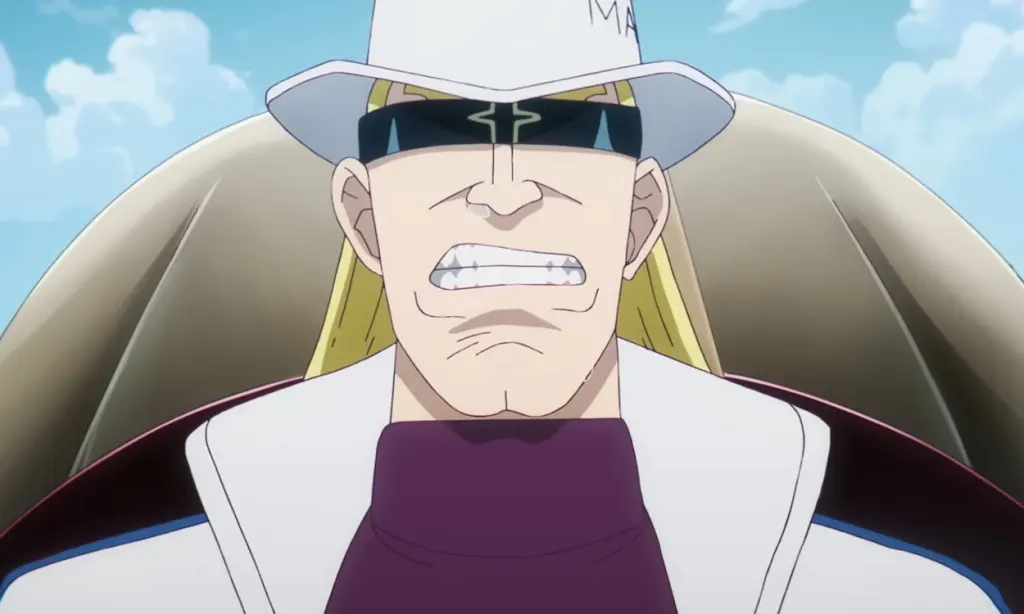 Helmeppo from One Piece | Credits: Toei Animation
Lieutenant Commander, sometimes referred to as Major depending on translation, sits below Commander in the Marine hierarchy and has been held by recognizable characters including Jango and Helmeppo. Like the Commander rank above it, exact operational differences at this level remain thin in canon, since Oda has focused far more attention on flashier upper ranks.
Officers here typically handle smaller squads or specific base assignments rather than fleet-level command, making Lieutenant Commander a solid mid-career post rather than a rank associated with major story moments or standout combat feats.
The Lieutenant
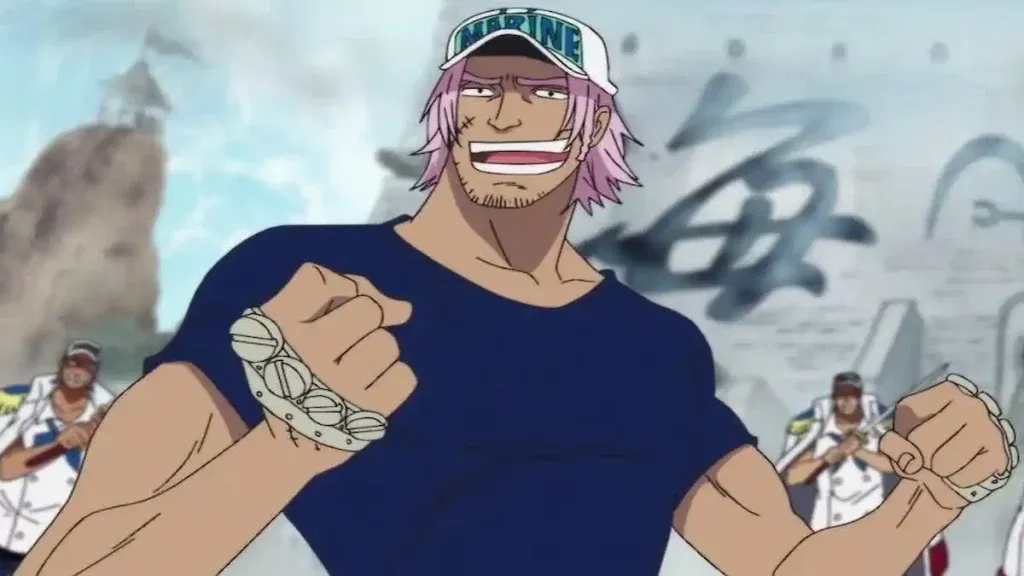 Former Lieutenant Fullbody from One Piece | Credits: Toei Animation
Lieutenant ranks below Lieutenant Commander and represents a solidly mid-tier Commissioned Officer position, generally reserved for Marines stationed and trained at Headquarters once they climb this high.
Like several ranks clustered around it, specific duties tied exclusively to the Lieutenant haven’t been spelled out across the manga’s run. What is clear is that reaching Lieutenant and above typically signals real growth beyond entry-level Marine work, putting officers on a track that can eventually lead toward Captain and the more prominent, story-relevant positions above it.
The Ensign
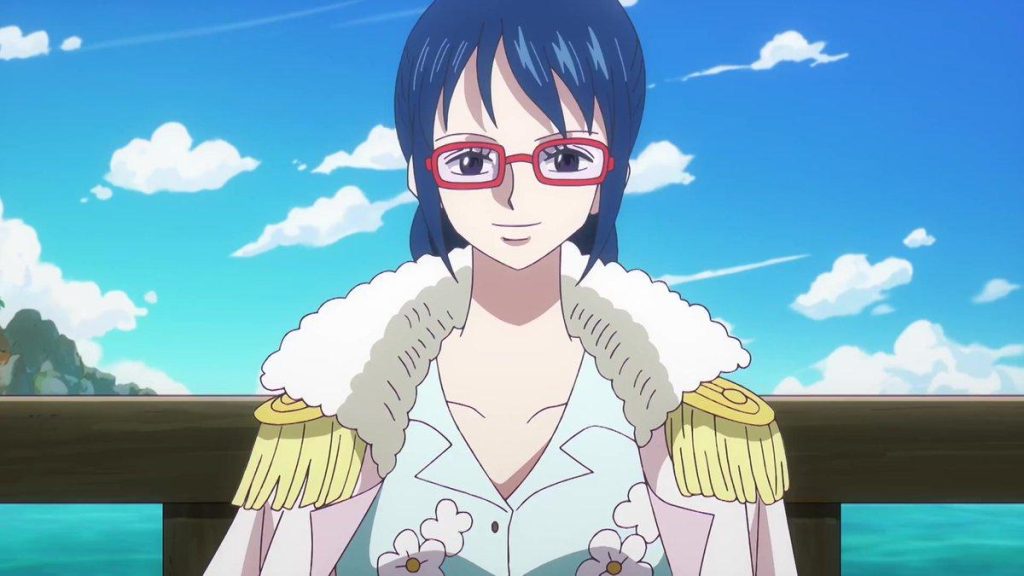 Former Ensign Tashigi from One Piece | Credits: Toei Animation
Ensign is the lowest rank among the eleven Commissioned Officer positions, but it still carries real significance since this is the point where Marines earn the right to wear the kanji for “Justice” on their uniforms.
Tashigi held this rank before her promotion to Captain, making her the clearest example readers have seen. Everyone from Ensign upward is considered a true Commissioned Officer rather than infantry, marking the first real step out of the lower ranks and into a career path that can eventually climb toward Admiral status.
The Marine Infantry and Sailor Division in One Piece, Explained
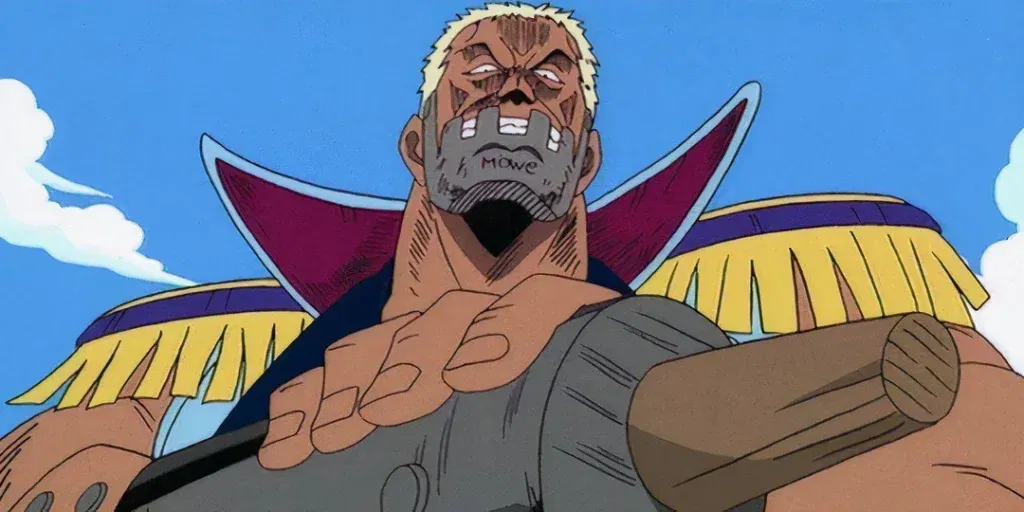 Axe-hand Morgan from One Piece | Credits: Toei Animation
Beneath the eleven Commissioned Officer ranks sits an entirely separate ladder called the Infantry and Sailor Division, running from Warrant Officer down to lowly Chore Boy. Master Chief Petty Officer, held early on by both Koby and Tashigi, sits near the top of this track, followed by Chief Petty Officer.
Petty Officers and various Seaman ranks fill out the middle, while Chore Boys, the absolute lowest position, handle base upkeep and equipment maintenance rather than combat, wearing no formal uniform at all. Every known Marine Infantry and Sailor Division position:
- Warrant Officer
- Master Chief Petty Officer
- Chief Petty Officer
- Petty Officer
- Seaman First Class
- Seaman Apprentice
- Seaman Recruit
- Chore Boy
The Marine Support Staff in One Piece, Explained
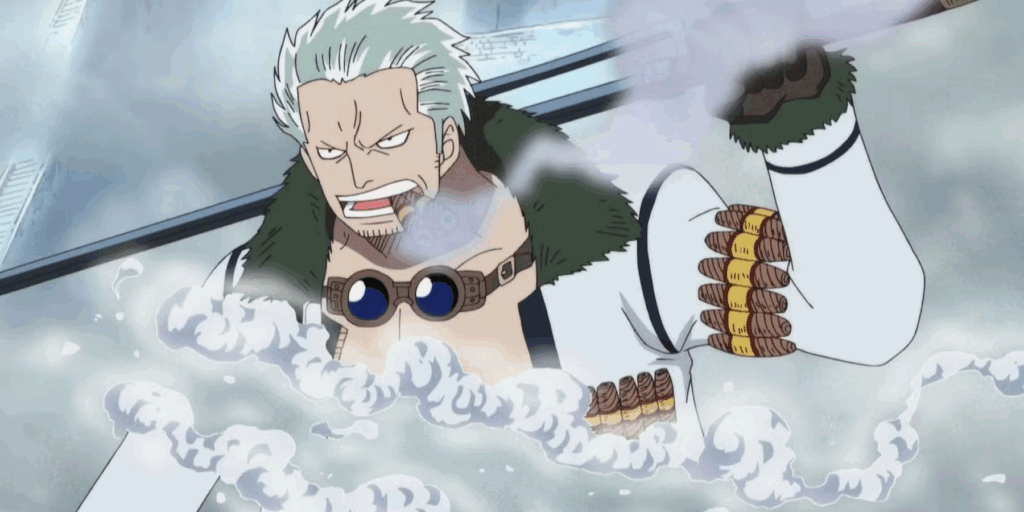 Former Base Commander Smoker from One Piece | Credits: Toei Animation
Beyond ranked officers, the Marines rely on a wide support structure that rarely gets its own spotlight but keeps the entire organization running. This includes the Special Science Group under Vegapunk’s authority, medical staff treating wounded officers after battles like Marineford, shipwrights maintaining the fleet’s warships, and instructors like Garp who train the next generation without holding an active command post.
Special administrative ranks such as Inspector General, currently held by the retired Sengoku, exist purely to police corruption within the ranks themselves, proving the Marines need far more than fighters to function. Every known Marine Support Staff position:
- Base Commander
- Inspector General
- Instructor
- Cook
- Doctor
- Scientist
- Shipwright
- Custodian
Former Warlords and Their Connection to the World Government, Explained
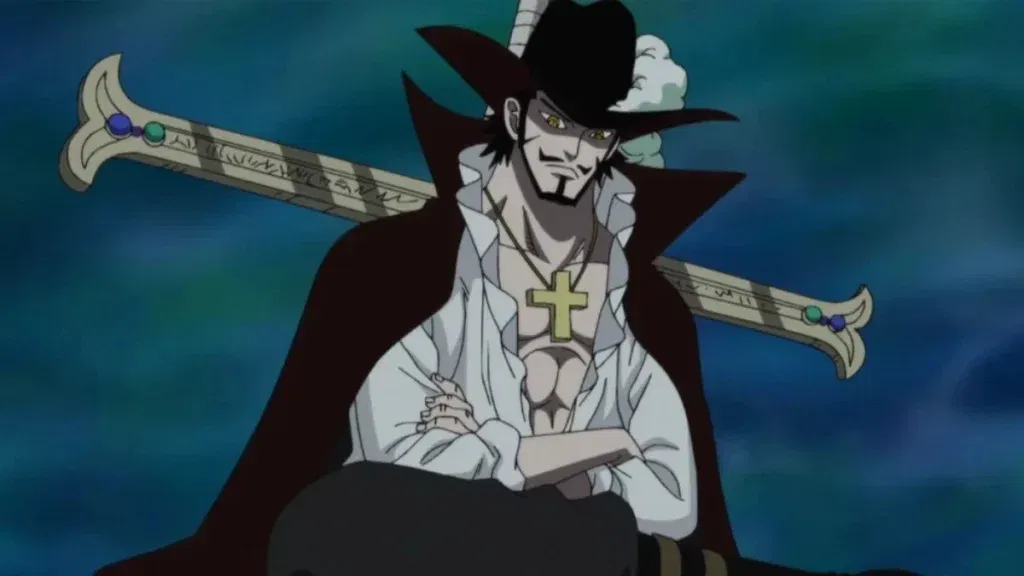 Former Warlord Dracule Mihawk from One Piece | Credits: Toei Animation
The Seven Warlords of the Sea, or Shichibukai, were dangerous pirates the government pardoned and armed in exchange for hunting other criminals, forming one of the Three Great Powers alongside the Marines and Four Emperors. Crocodile and Doflamingo’s crimes against Alabasta and Dressrosa eventually exposed how badly the system could be abused, pushing Fujitora to campaign for its removal.
At the following Reverie, member nations voted the system out entirely, stripping remaining Warlords like Dracule Mihawk, Hancock, and Buggy of their protections. Vegapunk’s Seraphim, built using the Warlords’ own genetic data, effectively made the entire system obsolete.
So, after this, are you clear about the World Government and its ranking systems in the One Piece anime and manga verse? We’d love to hear your thoughts and opinions on the system created by Eiichiro Oda in the comments below.
The One Piece anime series is currently available to watch on Crunchyroll.
















/https%3A%2F%2Fsportsmole-media-prod.s3.gra.io.cloud.ovh.net%2Fuploads%2F2026%2F07%2Fdaniel-mcgregor-huyer-zuma-press-wire-luciano-gonzalez-anadolu-abacapress-com-estadio-azteca-harry-kane-jude-bellingham-composite-6a49eb8857b70695441164.png)
 Bengali (BD) ·
  English (US) ·