.png)
 1 hour ago
10
1 hour ago
10
The Odyssey is true to Homer’s epic’s structure to the extent that everyone who has been made to endure the poem in a high school classroom (or read avidly later) will immediately recognize its basic shape. There is the disguise of the beggar, the strung bow, the murdered suitors, and the long-awaited reunion. But true to the plot does not necessarily mean true to the meaning. And Christopher Nolan slowly but surely strips away the divine gears of the epic to leave behind only a war movie wearing myth’s clothing.
While Homer’s epic ends up being one of a heroic, epic return of a flawed hero to his home, Nolan’s takes a much greater interest in whether a man such as Odysseus merits such a return in the first place. Here are five distinct and significant differences between the adaptation and the text.
Quick reference:
| Title | The Odyssey |
| Director | Christopher Nolan |
| Premise | Based on Homer’s epic poem, the film follows Odysseus’ perilous decade-long journey home to Ithaca after the Trojan War. |
| Cast | Matt Damon, Tom Holland, Anne Hathaway, Zendaya, Lupita Nyong’o, Robert Pattinson, Charlize Theron, Jon Bernthal, Benny Safdie, John Leguizamo, Elliot Page, Mia Goth |
| Release Date | July 17, 2026 |
| IMDb score (as of July 17, 2026) | N/A |
| Rotten Tomatoes Score (as of July 17, 2026) | 96% | 96% |
1 Odysseus Never Truly Reclaims His Throne
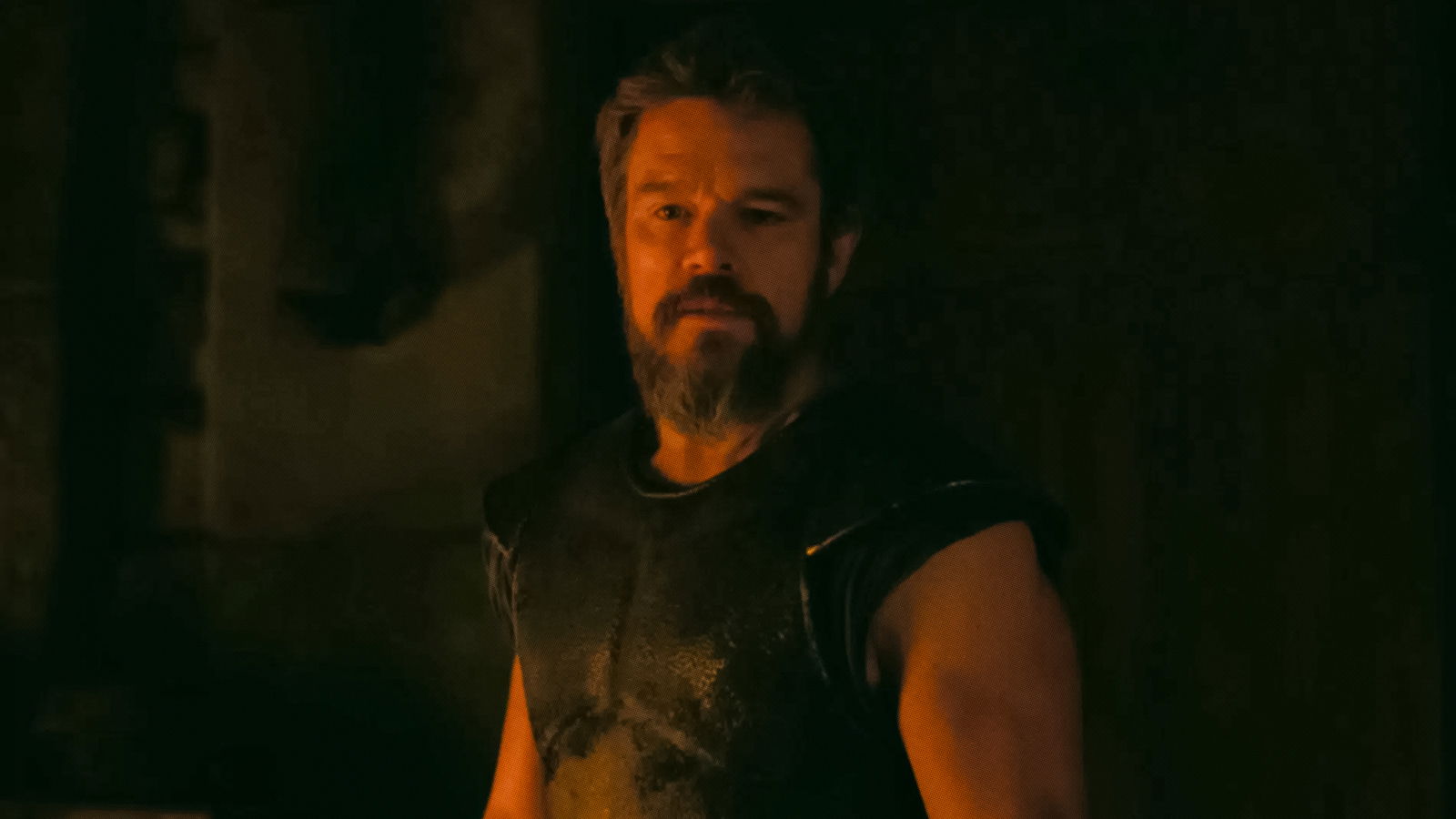
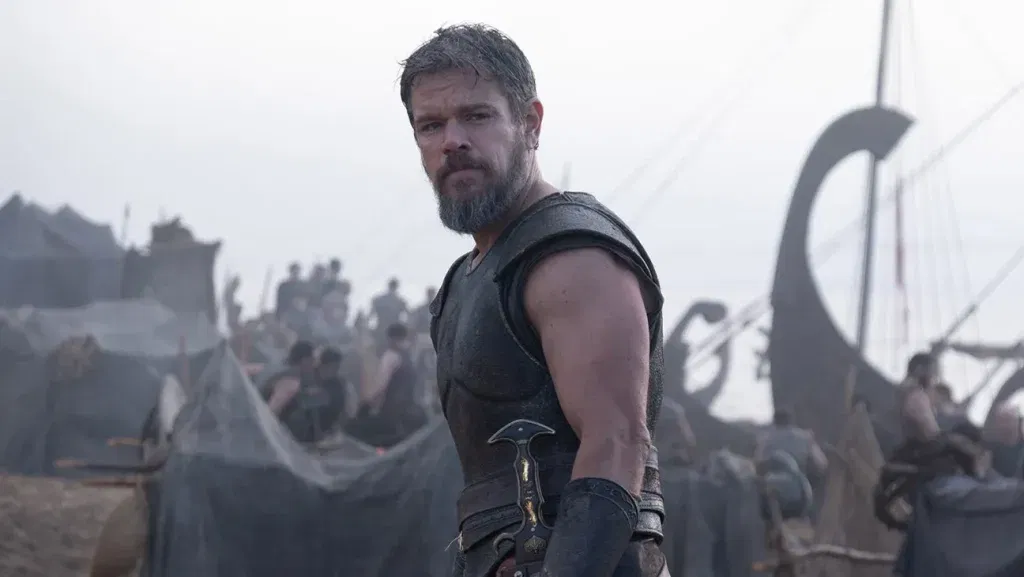 Matt Damon stars as Odysseus in Christopher Nolan’s The Odyssey | Credits: Universal Pictures
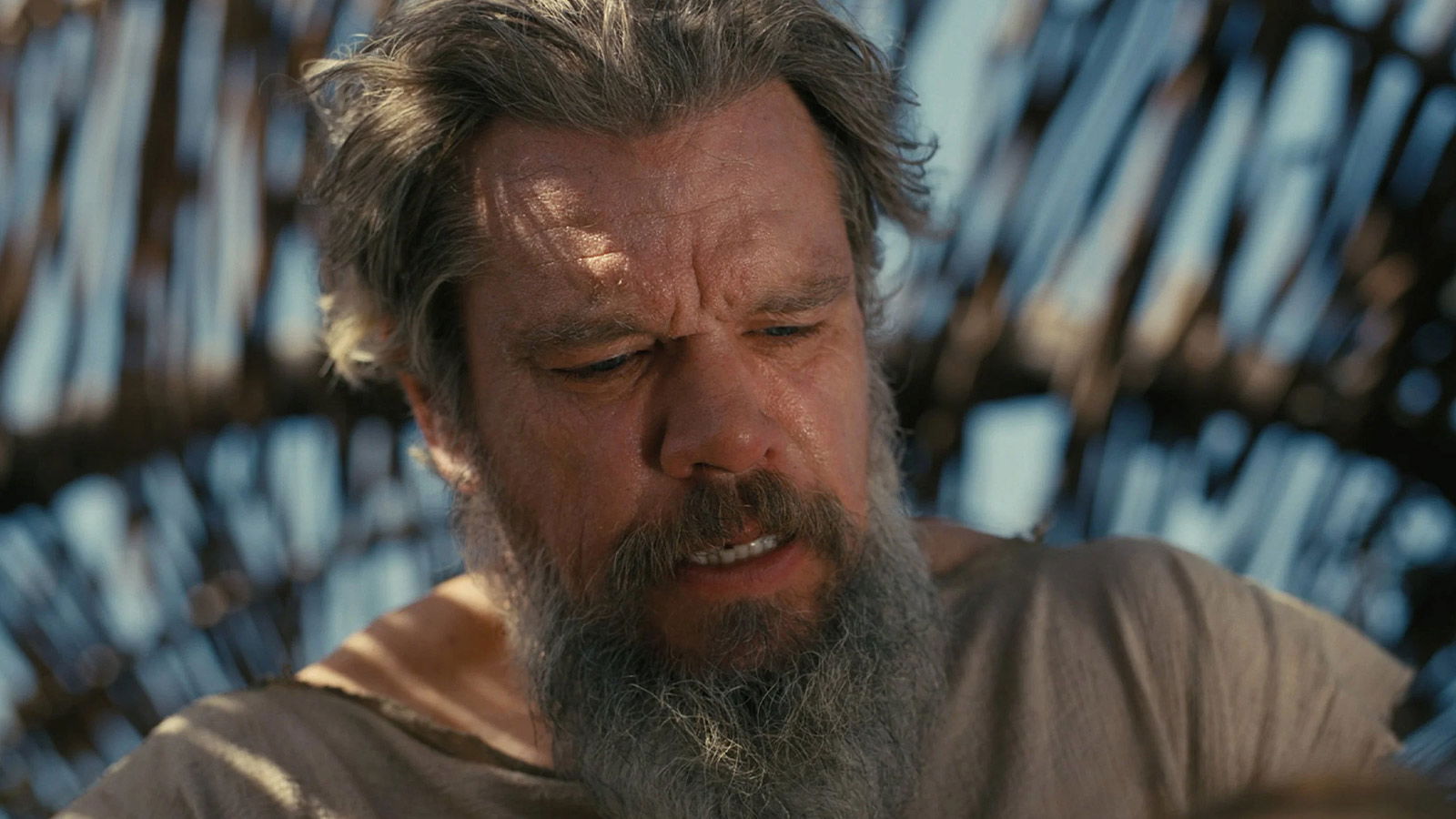
Homer concludes the epic with Odysseus (Matt Damon) fully restored to the throne and becoming the king of Ithaca, the rightful husband of Penelope. But more importantly, he is now finally united with his father, Laertes, after a long span in a scene meant to close the loop on three generations of the same family. Nolan’s The Odyssey keeps almost none of that. In Nolan’s version, Laertes makes no appearance at all.
Rather than taking over the throne of his kingdom, Odysseus fulfills the oath made to Sinon (Elliot Page), a fallen soldier, and goes off into exile. He leaves behind his son, Telemachus (Tom Holland), to rule in his stead towards The Odyssey‘s ending.
2 Athena Is Revealed to Be a Hallucination
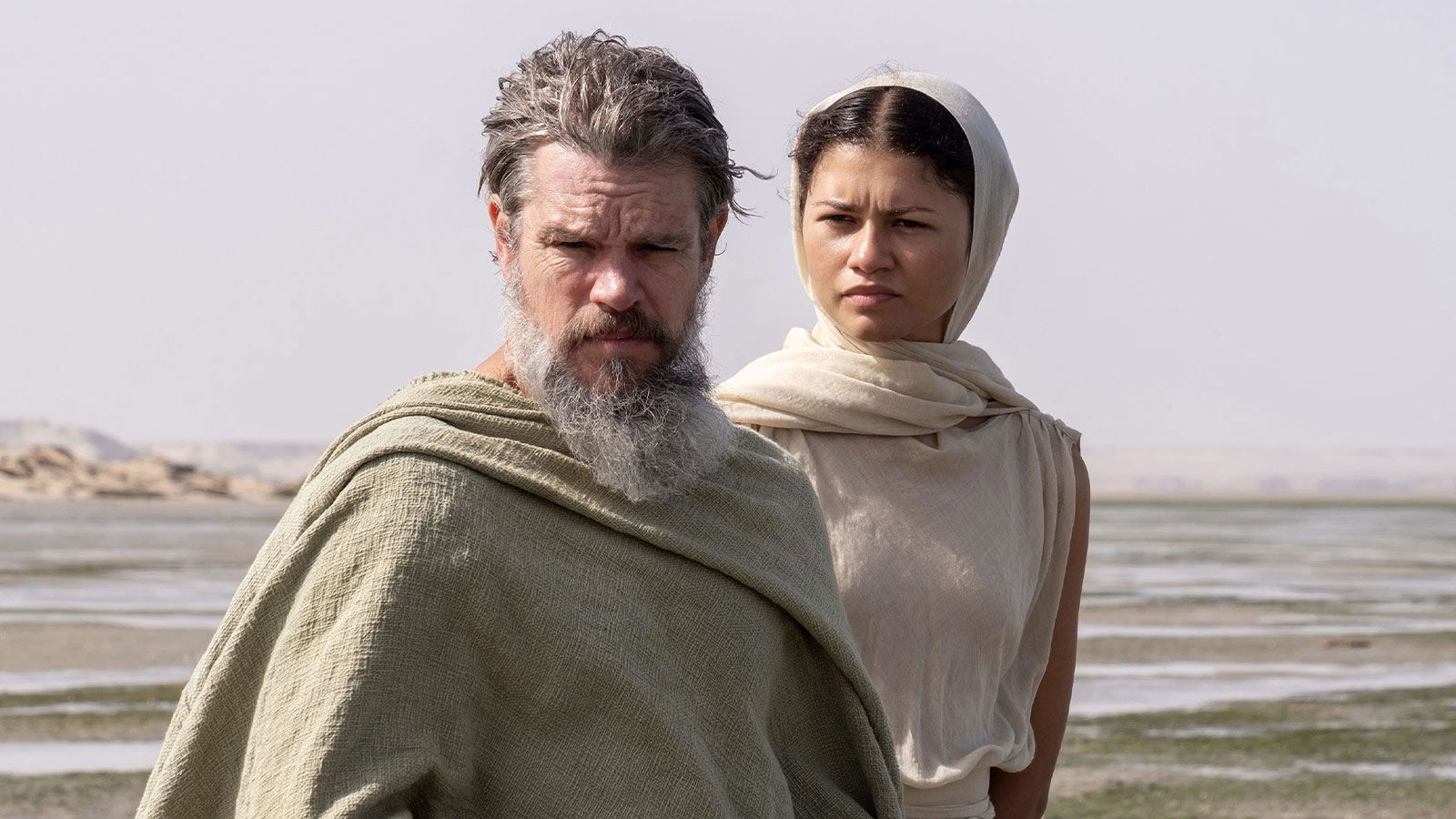
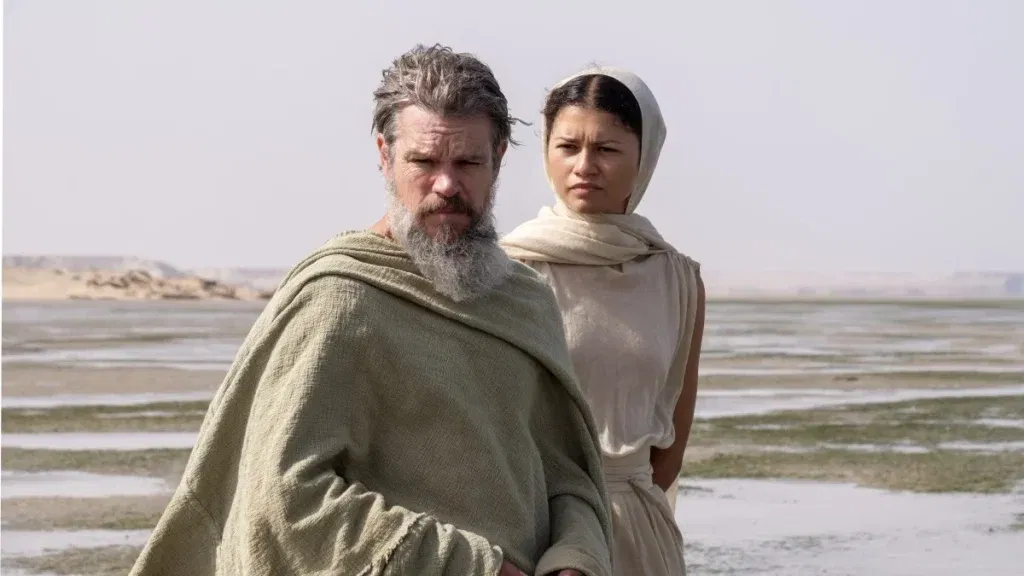 Matt Damon and Zendaya in The Odyssey | Credits: Universal Pictures
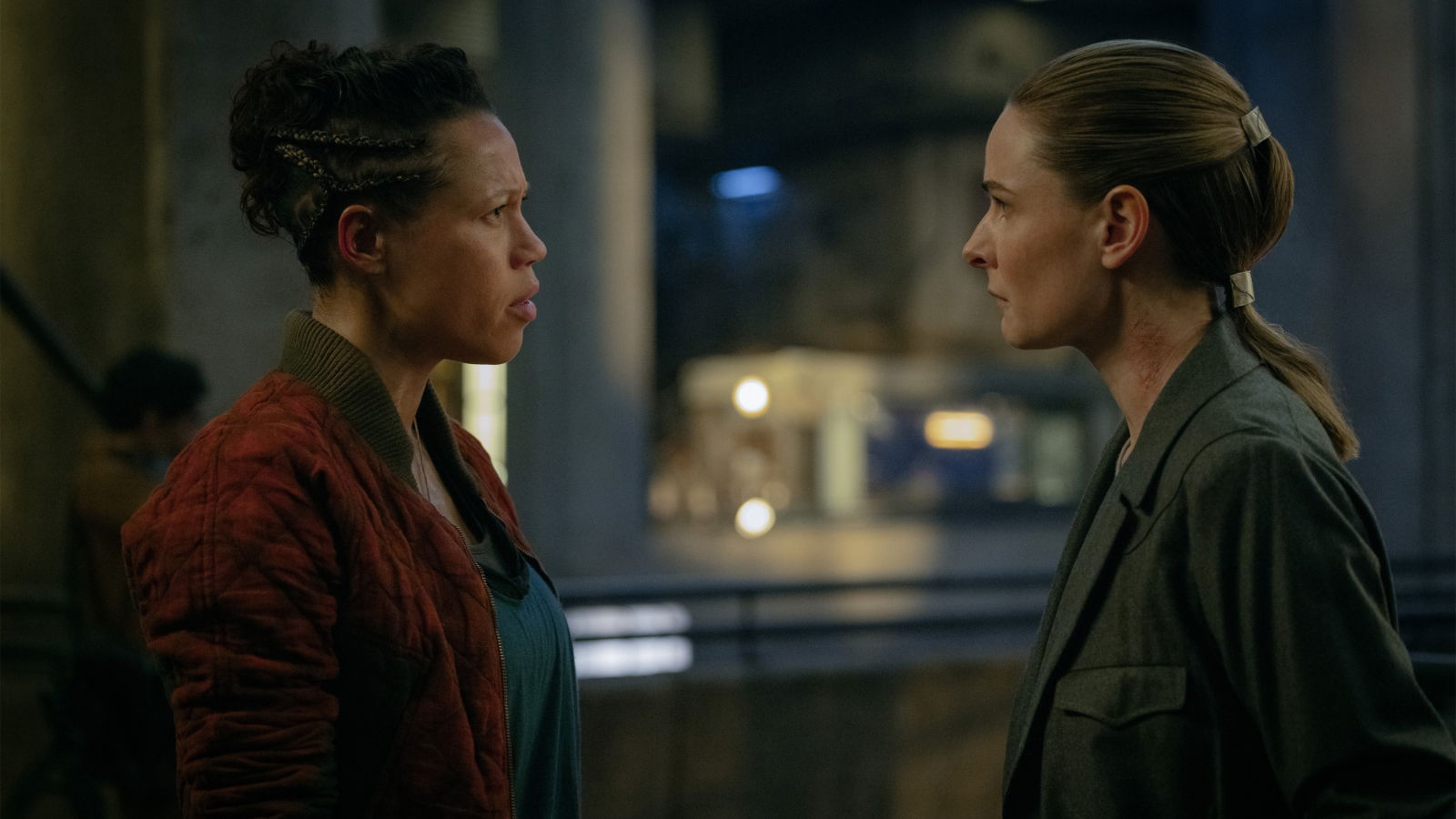
Athena in Homer’s epic acts as a recurring and tangible presence who transforms into mentors and whispers strategy. Nolan’s Athena (Zendaya) does nothing like that. She turns out to be an illusion based on the memory of a priestess from Troy whom Odysseus witnessed dying when Troy was being sacked (after his Trojan horse ploy, mind you).
This makes her the only “goddess” in the movie, and even that goddess is but an illusion made out of ten years of guilt wearing a familiar face. It is the greatest theological downgrade in the adaptation, changing the meaning of every scene with her involvement. And despite what we expected, The Odyssey is not really a Greek mythology movie. It is more like a historical fiction movie set in Ancient Greece. Not that we are complaining, of course. Nolan’s adaptation is his own thing, a fresh edifice formed on the bones of the original’s foundations.
3 The Olympian Gods Are Left Deliberately Ambiguous
-

Credits: Universal Pictures
-

Credits: Universal Pictures
-

Credits: Universal Pictures


But Athena is far from being the only casualty. Despite its hefty runtime (it is one of Nolan’s longest movies), The Odyssey strips away the mythological elements: Poseidon’s rage is visualized in tempests at the sea, Zeus’ law is a very human contract, and the whole divine structure that controls everything in Homer’s world has disappeared. For Nolan, this is all projected by the characters into their environment and not something that is really happening inside the environment. This divine curse that the characters have to endure after their encounter with the Cyclops seems to be nothing more than collective guilt, and the movie is always careful never to establish whether or not this is really happening.
4 The Trojan War’s Real Cause Is Political, Not Mythological
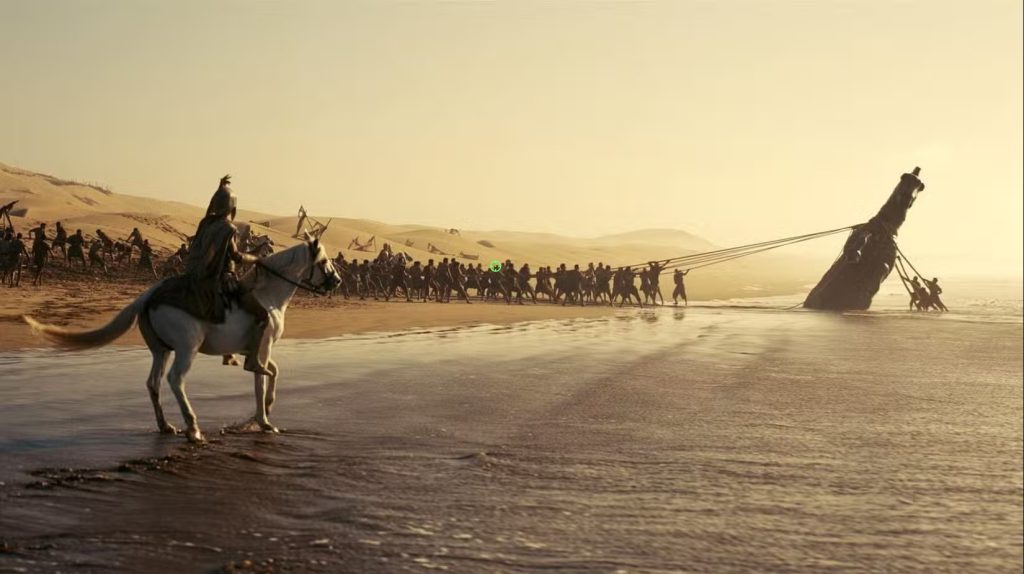 A still from The Odyssey | Credits: Universal Pictures
Homer roots the entire conflict in the Judgment of Paris, a squabble among goddesses over a golden apple that spirals into a decade-long war over a stolen queen. Nolan strips that out entirely. In his version, Agamemnon (Benny Safdie) frames the invasion as retaliation for Helen’s abduction, but the film makes clear this is a convenient pretext for seizing valuable trade routes — politics dressed up as mythology, not the other way around. It’s a small change with a large effect, since it turns the war’s origin from a cosmic accident into a decision men made and then dressed up in god-talk to avoid responsibility for.
5 The ‘Men From the Sea’ Subplot Is Invented
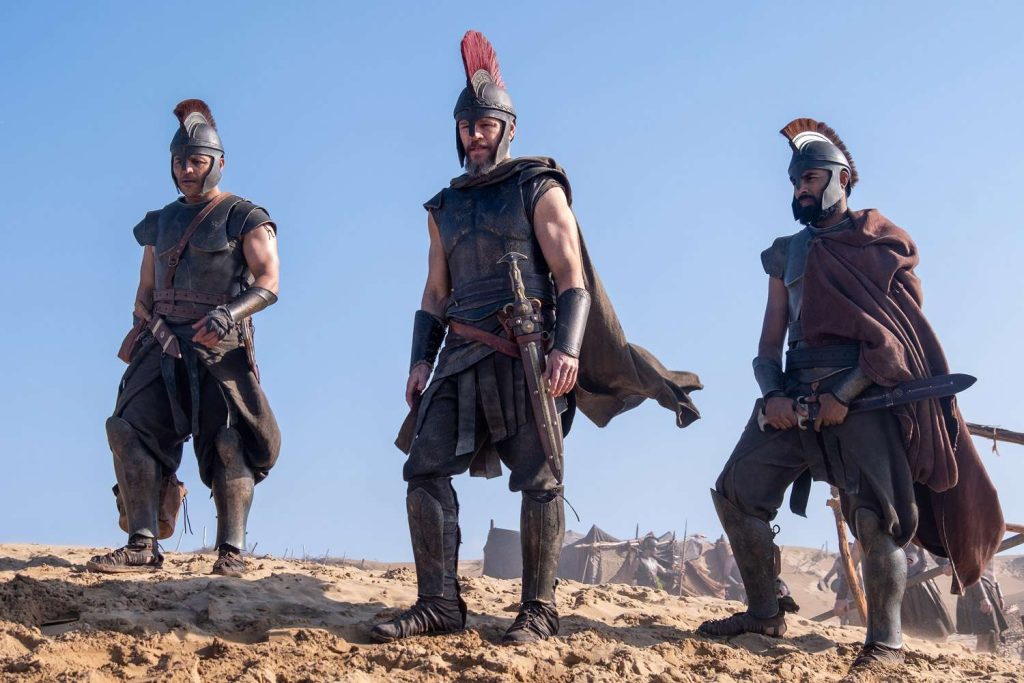 Matt Damon and his warriors in a still from The Odyssey | Credits: Universal Pictures
This one has no precedent at all in Homer’s epic. Nolan in The Odyssey crafts a new subplot concerning the ‘Men from the Sea,’ a gang of raiders marauding the coast of Greece that Telemachus learns of by hearsay, only to be told later in the film that they are not a foreign force at all, but Agamemnon’s own troops, plundering as they go back from the war they’ve already won.
It is the most explicit articulation of the film’s thesis regarding just how narrow the gap between heroism and barbarity truly is in reality. This is unlike Homer’s version, where returning Greek soldiers are victims of divine misfortune rather than men still finishing the violence they started.
The differences are summarized:
| Odysseus’ Ending | Odysseus reclaims the throne of Ithaca and is restored as the rightful king. | Odysseus abandons the throne, honors his promise to Sinon, and leaves Ithaca in self-imposed exile. He leaves Telemachus behind to rule. |
| Athena’s Role | Athena is a real Olympian goddess who repeatedly intervenes and guides Odysseus throughout his journey. | Athena is revealed to be a hallucination based on a Trojan priestess whose death haunts Odysseus, making her a manifestation of guilt rather than a deity. |
| The Olympian Gods | The gods actively shape events. Poseidon, Zeus, Athena, and others directly influence Odysseus’ fate. | The gods are left deliberately ambiguous. Divine events are presented as psychological or natural phenomena instead of confirmed supernatural interventions. |
| Cause of the Trojan War | The war begins because of the Judgment of Paris (depicted in Homer’s other epic, The Iliad, and the gods’ rivalry. This culminates in Helen’s abduction. | Agamemnon uses Helen’s abduction as political propaganda, while the true motive is control of lucrative trade routes. |
| ‘Men From the Sea’ Storyline | No equivalent subplot exists; the returning Greek heroes are largely victims of storms, divine punishment, and fate. | Nolan introduces the ‘Men from the Sea’. Agamemnon’s soldiers who continue pillaging after the war. This is to underscore the lasting brutality of the Greek campaign. |
So, that’s it. The Odyssey deviates from the source material in a few significant ways, and yet somehow The Odyssey retains the epic scale. Which of Nolan’s changes in the movie surprised you the most? Let us know in the comments.
The Odyssey was released in US theaters on July 17, 2026.





















/https%3A%2F%2Fsportsmole-media-prod.s3.gra.io.cloud.ovh.net%2Fuploads%2F2026%2F07%2Fdaniel-mcgregor-huyer-zuma-press-wire-luciano-gonzalez-anadolu-abacapress-com-estadio-azteca-harry-kane-jude-bellingham-composite-6a49eb8857b70695441164.png)
 Bengali (BD) ·
  English (US) ·