.png)
 1 hour ago
5
1 hour ago
5
Anime has long earned a reputation for pushing creative boundaries, exploring stories and themes that few other forms of animation would attempt. While many controversial titles simply sparked heated debates, others went much further, facing official government bans, refused classifications that outlawed their sale, or severe institutional blockages in different parts of the world. In fact, China has banned around 38 anime from its digital landscape. From the graphic violence of Violence Jack and Genocyber to the explicit content of La Blue Girl and Bible Black, authorities across the globe have repeatedly intervened to remove these works from circulation.
This article explores five anime that became infamous for attracting these official restrictions. Rather than focusing on shock value alone, it examines what prompted authorities to step in, how these legal bans manifested across different regions, and the lasting impact each controversy had on anime’s global reputation
1 Violence Jack Faced Legal Distribution Bans
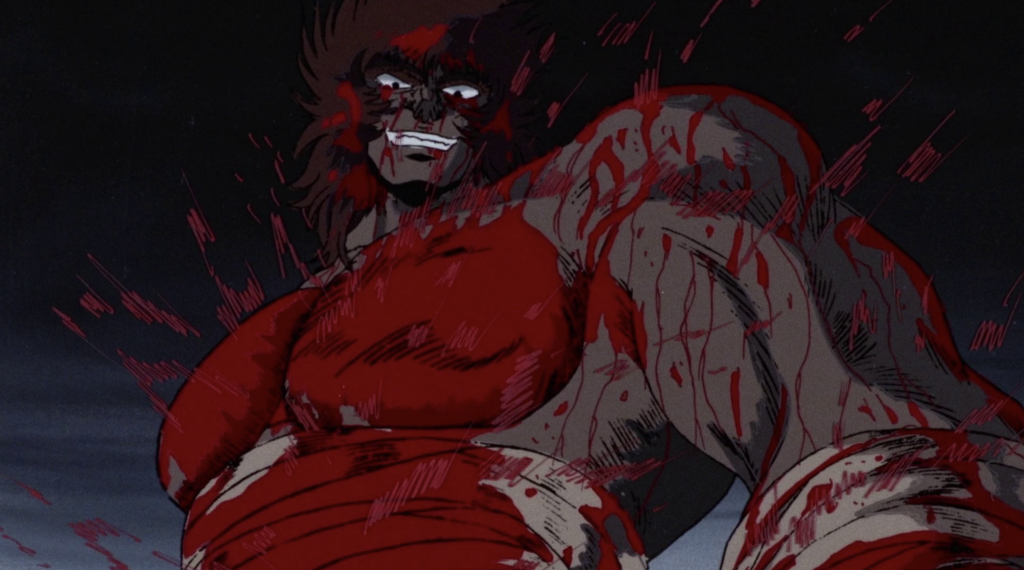 Jack from Violence Jack: Hell’s Wind. [Credit: Studio 88]
Violence Jack became infamous for its relentless blend of extreme violence, s*xual assault, and graphic gore, earning a reputation as one of anime’s most disturbing OVAs. Adapted from Go Nagai’s manga, the series attracted government intervention almost immediately after reaching international audiences. In the United Kingdom and several other territories, multiple entries were officially refused classification during the height of the “video nasties” era. It was a legal status that effectively banned them from being sold, imported, or commercially distributed.
Violence Jack is a reminder that timing matters just as much as content. It reached international audiences when anime was still largely unfamiliar in the West, so instead of being treated as one extreme corner of the medium, it was often seen as representative of anime as a whole. That misunderstanding arguably did as much damage to anime’s early reputation overseas as the violence itself.
2 Urotsukidōji: Legend of the Overfiend Shocked Audiences Into Bans Worldwide
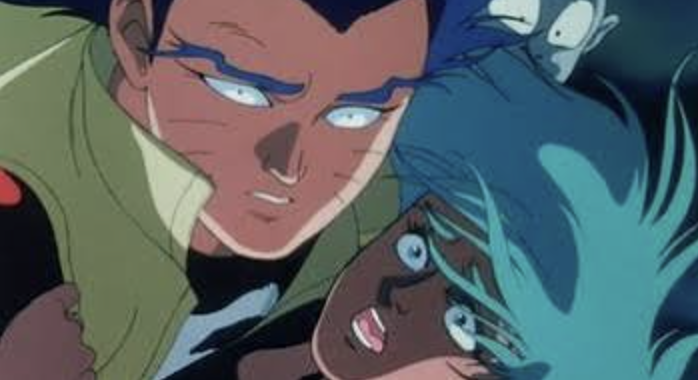 A still from Urotsukidōji: Legend of the Overfiend. [Credit: Japan Audiovisual Network & West Cape Corporation]
Few anime have influenced censorship debates as profoundly as Urotsukidōji: Legend of the Overfiend. Combining graphic violence, explicit s*xual content, body horror, and scenes involving s*xual assault, the film became infamous shortly after its international release in the late 1980s and early 1990s. The action-horror anime movie was heavily censored in the United Kingdom, where authorities removed substantial footage before allowing limited releases, while other regions prohibited or severely restricted its distribution outright through total bans.
Looking back, the backlash against Urotsukidōji wasn’t just about one controversial OVA. It exposed how unprepared many countries were to classify adult animation. The series forced regulators to acknowledge that animation wasn’t exclusively children’s entertainment, a conversation that continues to influence classification decisions decades later.
3 Kodomo no Jikan Sparked Global Backlash Over Its Controversial Themes
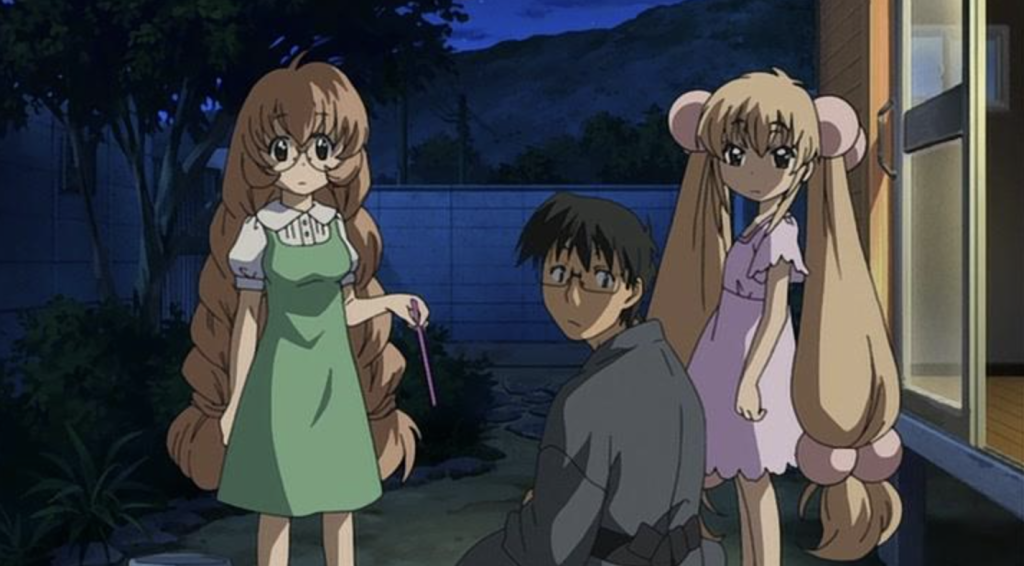 Mimi, Aoki, and Rin in Kodomo no Jikan. [Credit: Studio Barcelona]
Kodomo no Jikan became one of anime’s most divisive titles because of its depiction of elementary school children in s*xually suggestive situations, even though the series attempted to address deeper psychological and social issues. The controversy led several licensors and broadcasters to distance themselves from the anime. Australia’s Classification Board refused classification for certain releases connected to the franchise, legally banning their importation and commercial sale within the country. Due to the legal risk, several international television networks and streaming services chose not to license the anime at all.
What stands out is that Kodomo no Jikan remains controversial even among anime fans who generally oppose censorship. That says a lot about how uniquely divisive its subject matter is. More than most banned anime, it underlines how the same story can be interpreted completely differently depending on the cultural and legal framework through which it’s viewed.
4 High School DxD Was Officially Banned in New Zealand
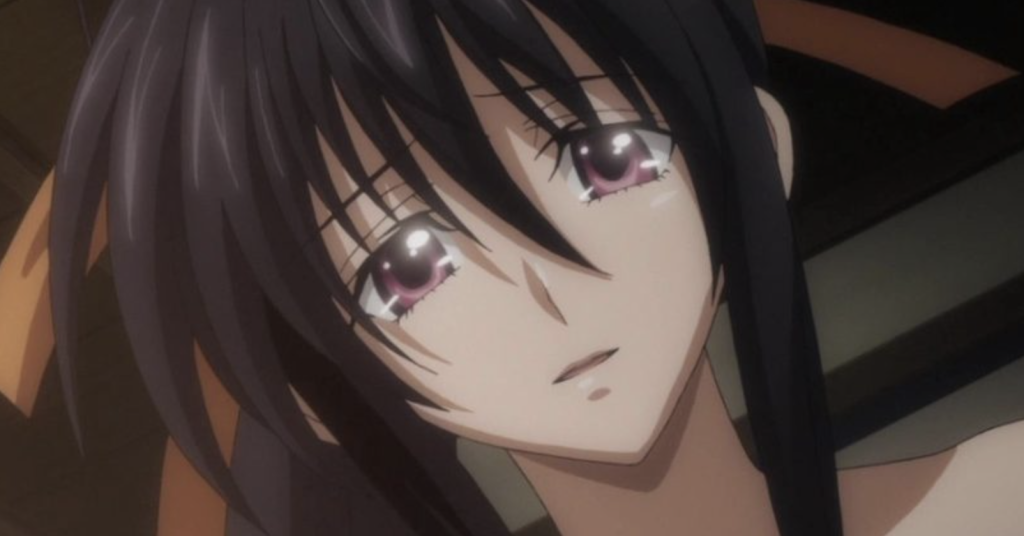 Priestess of Thunder and Light in High School DxD. [Credit: TNK]
Unlike many controversial anime that merely faced parental complaints or television edits, High School DxD received an official legal restriction in New Zealand. In 2015, the country’s Office of Film and Literature Classification refused classification for the OVA High School DxD New: Oppai, Tsutsumimasu!, effectively banning its distribution because it depicted s*xualized teenage-looking characters in ways deemed objectionable under New Zealand law.
While the ban was historically significant, a 2023 legal reconsideration officially overturned the restriction, reclassifying the franchise with an R16 rating. Even then, the formal government action stands as a stark example of legal intervention. The New Zealand ruling also highlights something fans often overlook: censorship decisions aren’t always made because a series is wildly controversial worldwide. Sometimes a single release crosses a country’s legal threshold, even if the broader franchise remains widely accepted elsewhere.
5 Death Note Faced Bans and Restrictions Over Copycat Concerns
Death Note generated worldwide controversy not because of explicit content, but because authorities feared its potential real-world influence. Following reports of students creating “Death Notes” and isolated copycat incidents, several schools in countries including China, the United States, and parts of Southeast Asia prohibited manga or anime on campus. In China, some local authorities also restricted Death Note-related merchandise. Ultimately, the restrictions culminated in a full, nationwide government ban in 2015 when China’s Ministry of Culture officially blacklisted the series from all domestic streaming and digital distribution networks.
What I find most fascinating about Death Note is that its controversy had almost nothing to do with graphic imagery. Instead, authorities focused on the power of its central idea and whether audiences (particularly younger viewers) might imitate it. Very few anime have prompted that kind of response, which is why Death Note remains one of the clearest examples of fiction influencing real-world policy discussions.
Here is a summary table:
| Anime | Type of Restriction | Where It Was Restricted |
| Violence Jack | Refused classification, heavy censorship, and retail distribution restrictions | United Kingdom and multiple international markets |
| Urotsukidōji: Legend of the Overfiend | Outright bans, censorship, restricted distribution | United Kingdom and several other countries |
| Kodomo no Jikan | Refused classification (import bans), broadcaster, and distributor restrictions | Australia, various international broadcasters, and streaming platforms |
| High School DxD | Official refusal of classification (OVA ban) | New Zealand (overturned in 2023) |
| Death Note | School bans, institutional restrictions, and regional merchandise restrictions | Schools in the U.S. and Southeast Asia; completely banned by the national government in China |
Which controversial anime do you think deserved a spot on this list? Let us know your picks and opinions in the comments!




















/https%3A%2F%2Fsportsmole-media-prod.s3.gra.io.cloud.ovh.net%2Fuploads%2F2026%2F07%2Fdaniel-mcgregor-huyer-zuma-press-wire-luciano-gonzalez-anadolu-abacapress-com-estadio-azteca-harry-kane-jude-bellingham-composite-6a49eb8857b70695441164.png)
 Bengali (BD) ·
  English (US) ·