.png)
 3 hours ago
12
3 hours ago
12
MangaPlaza has officially turned down a publisher-by-publisher subscription model. In an Anime Expo 2026 interview with Anime Herald, the NTT Solmare-run manga platform was asked if it could borrow the add-on approach Prime Video uses and sell subscriptions tied to one publisher’s catalog. MangaPlaza said no.
To be clear, we aren’t calling Prime Video’s tiered strategy predatory. The publisher-exclusive version is another story. Charging separate fees for separate publishers is predatory pricing, and it works against healthy competition. Here’s what MangaPlaza said, how its prices are set, and where the platform came from.
MangaPlaza Flatly Rejects Publisher-Exclusive Subscriptions
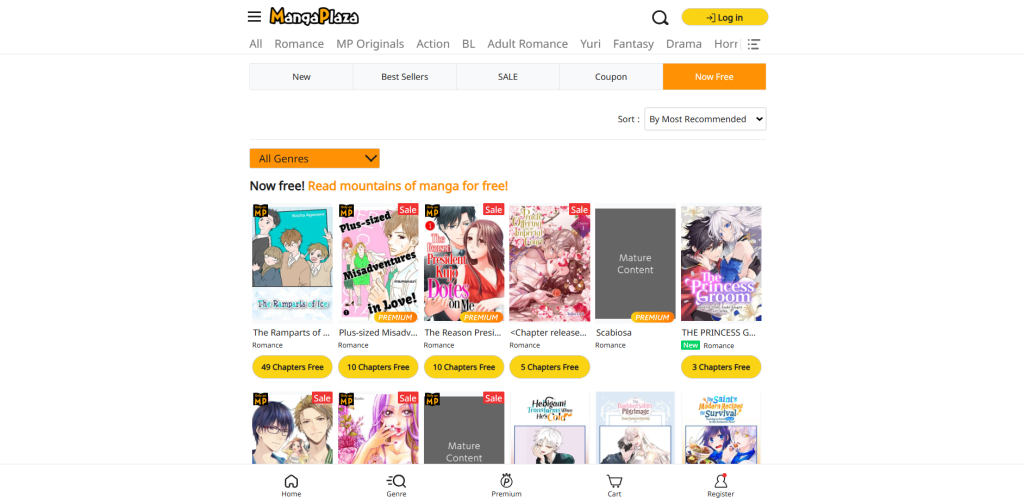 MangaPlaza Homepage | Credits: MangaPlaza
The question came from the Anime Herald interviewer, who used Amazon’s streaming service as the example. Prime Video has extra subscription services for niche producers, so could MangaPlaza strike a similar deal and let readers subscribe to a single publisher’s titles? The reply was short and flat:
No, we are not considering that.
That’s a relief, honestly. Think about what that setup would look like for a regular reader. One fee for one publisher’s shelf, another fee for the next, and a third after that. Someone who only wants a couple of series from different houses ends up stacking bills just to follow what they love. Smaller publishers could get squeezed too, since readers only stretch their wallets so far. That’s why we see separate fees per publisher as anti-competitive, no matter who suggests it or how it’s packaged.
Compare that with how MangaPlaza describes itself. The team told Anime Herald there are three things it wants readers to know. It’s official and provides legal access to titles. The catalog is big and broad. And it calls itself a fan-first company that leans on customer feedback and the user experience. Locking each publisher behind its own paywall would pull in the opposite direction.
Anime Herald’s own take on readers fits here too: some want speed, some want low prices, and plenty just want the easiest way to read what they like. Slicing the library into separate subscriptions helps none of them. Readers shouldn’t need a spreadsheet to keep track of what they’re paying for, and a single storefront with one price per book keeps things simple.
Publishers Set the Prices While Anime Keeps Boosting Sales
Pricing isn’t really MangaPlaza’s call. With Japanese publishers, the platform receives a license, and the publisher sets the price. Many of those companies aren’t familiar with overseas markets, so MangaPlaza says it’s happy to offer advice and suggestions. Sales work the same way. When something like Golden Week or the US holiday season rolls around, the discount gets worked out in conversation with the publishers, at least in principle.
Anime plays a big part too. MangaPlaza told Anime Herald that the worldwide anime boom has been very positive, since viewers often follow a show back to the manga it came from. The example it gave was The Ramparts of Ice. After the anime landed on Netflix, the company says its manga sales for that title doubled. It’s a simple loop: someone binges the show, gets curious, and goes looking for the source.
“Overall, it has been very positive on our influence. When we consider something like manga, we can see the increase in international sales. With the popularity of anime, many anime are based on an original manga. That allows us to connect with potential international readers who connect through manga through anime.
We can give you some concrete data to support that. Using Ramparts of Ice as an example, when it was released as an anime title on Netflix, our manga sales of it doubled.”
The people behind the platform came from tech. Takahiro Ishii worked in web development and was a regular reader of Weekly Shonen Jump, curious how Dragon Ball, Naruto, and One Piece could reach the web. Daichi Katsuki started at NTT, working on optical fiber installations in buildings, before moving to NTT Solmare, where he now handles publisher relations and sales.
He also described the early days of Comic C’moA, a phone comics platform whose sales plummeted when the iPhone arrived. A world bookstore aimed at both Android and iPhone users flopped completely. The team then went back to Comic C’moA and released an iPhone-compatible version in August 2011. Even then, it was rough, and they changed the platform, built a web-based interface, and ran promotions before it finally worked.
What are your thoughts on MangaPlaza’s comments? We’d love to know your opinions on them.


























/https%3A%2F%2Fsportsmole-media-prod.s3.gra.io.cloud.ovh.net%2Fuploads%2F2026%2F08%2Faaa-tonali-6a90726542bfb856302507.jpg)
/https%3A%2F%2Fsportsmole-media-prod.s3.gra.io.cloud.ovh.net%2Fuploads%2F2026%2F01%2Fsm-azzuu-doku-city-697cbbe40795a441463276.jpg)
 Bengali (BD) ·
  English (US) ·