.png)
 1 week ago
10
1 week ago
10
Picking the best armor in Valheim used to mean climbing one straight ladder, but the Deep North update has changed that. With Valheim 1.0 now live, there are nine biomes to gear up for, and the right set depends as much on how you fight as on where you are.
We are going through the top armor choices for each biome, from the first Meadows outfits to the frozen Deep North, covering melee, archery, and magic options along the way so you spend materials where they count.
Meadows Best Armor: Leather Set
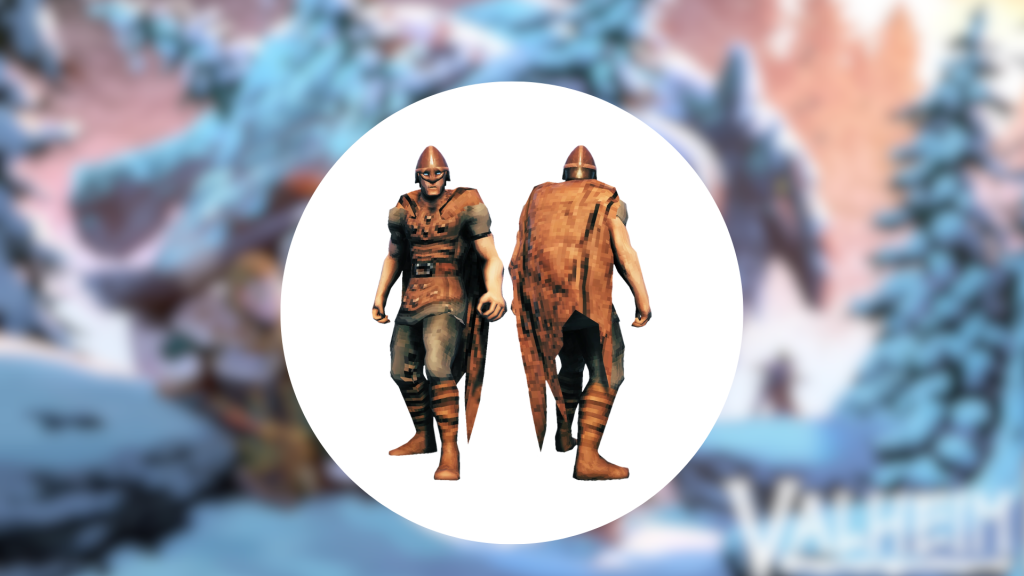 Leather Set | Credit: Iron Gate Studio/Coffee Stain Publishing
Your starting rags won’t last. Skin a few deer and craft the Leather set. It’s cheap and light, and it’s a solid upgrade for the early hours and your first boss, Eikthyr. Keep upgrading it at the workbench, since nothing better is available until you leave the biome.
Black Forest Best Armor: Troll Leather or Bronze
-

Credit: Iron Gate Studio/Coffee Stain Publishing
-
Credit: Iron Gate Studio/Coffee Stain Publishing


Troll Leather suits scouts and bow users. It carries no movement penalty, and wearing all four pieces, cape included, boosts your sneaking. Bronze protects more, but the chest and leg pieces slow you down, and you’ll be making repeated copper and tin ruins to build it. Whichever you pick, treat this tier as a stepping stone to iron.
Swamp Best Armor: Root or Iron Armor
-
Credit: Iron Gate Studio/Coffee Stain Publishing
-
Credit: Iron Gate Studio/Coffee Stain Publishing


Iron offers the most protection at this stage, which makes it the natural choice if you fight behind a shield. Archers should consider Root instead. The mask resists poison, the Root Harnesk resists pierce damage, and the full set adds 15 to your Bow skill with a smaller speed penalty than Iron. The downside is that every piece leaves you weak to fire, so use caution.
Mountains Best Armor: Wolf Armor
 Wolf Armor | Credit: Iron Gate Studio/Coffee Stain Publishing
Wolf Armor is the standout here, combining strong protection with the frost resistance you need on the peaks. If you’d rather fight on the move, Fenris Armor is the lighter alternative. It gives up some armor, but each piece adds a little movement speed, and the full set adds fire resistance.
Plains Best Armor: Padded Armor
 Padded Armor | Credit: Iron Gate Studio/Coffee Stain Publishing
Padded Armor is a clear step up in protection from Wolf, and it’s the usual goal for this stage. It requires Linen Thread, so defeat Moder, build an Artisan table and a Spinning Wheel, and get a flax farm going in the plains early. The chest piece and greaves each carry a small movement penalty. You’ll wear it until you can craft gear in the Mistlands.
Mistlands Best Armor: Carapace or Eitr-weave
-
Credit: Iron Gate Studio/Coffee Stain Publishing
-
Credit: Iron Gate Studio/Coffee Stain Publishing


This biome splits by role. Carapace is the heavy pick and the strongest armor you can craft before the Ashlans; the chest and greaves slow you down. Eitr-weave gives up armor in return for faster Eitr regeneration, which mages need. Both pair well with the Feather Cape, which cancels fall damage entirely on the Mistlands’ cliffs.
Ashlands Best Armor: Flametal, Ask, or Embla
-
Credit: Iron Gate Studio/Coffee Stain Publishing
-
Credit: Iron Gate Studio/Coffee Stain Publishing
-
Credit: Iron Gate Studio/Coffee Stain Publishing


The Ashlands gives you three sets aimed at three roles:
- Flametal is the tank’s set. When fully upgraded, it reaches roughly 130 armor, the highest in the game before the Deep North, and it also resists lava heat. It does nothing against ordinary fire damage or burning.
- Ask is the Skirmisher’s set. It’s lighter, with no movement penalty. It cuts the stamina cost of running, jumping, and attacking, and adds 10% pierce damage, which suits archers and spear users.
- Embla is for staff users. It regenerates Eitr faster than Eitr-weave, but it has the lightest armor of the three.
Deep North Best Armor: Protector, Vanguard, or Caller
 Valheim | Credit: Iron Gate Studio/Coffee Stain Publishing
The final biome adds four sets. Three are built around moulds, Bloodgold, and the Frost Foundry. The fourth, Lox Fur, is a cheaper option you can craft at a workbench from Plains Lox pelts, at 16 armor per piece. Moulds are the bottleneck, so decide which set you want before spending materials. Until then, expect to explore in your Ashlands gear with a frost-resistant cape.
- Protector: It’s the heavy set. Each piece gives 44 armor, and the breastplate resists frost. It suits anyone who plans to stand and trade blows.
- Vanguard: This trades armor for speed. With all three pieces on, you get cheaper running and dodging, faster health and stamina regeneration, and 10% extra pierce damage. That makes it a good fit for spears, bows, crossbows, and other pierce weapons.
- Caller: This one is the mage set, with the lowest armor of the three. The robes and trousers each add 60% Eitr regeneration, and the headdress adds 40%. The Cape of the Caller adds another 20% along with frost resistance.
If you were wondering what you should wear to the Ocean biome, then you should know that it has no armor of its own, so the best pick is simply the toughest gear you can wear right now. If you are on the hunt for the Sea Serpent, then Iron armor, or anything better, is going to be your best bet.
It’s important to note that no single set wins in Valheim; only the one that matches your build and stage. Upgrade what you wear before chasing the next tier, and keep specialist pieces like the Root Harnesk in your bag for the fights that call for them.
Which set are you wearing into the Deep North? Let us know in the comments.






























 Bengali (BD) ·
  English (US) ·