.png)
 10 hours ago
9
10 hours ago
9
Few figures in pop music have left a legacy quite like Travis Barker. The iconic drummer of Blink-182, founder of Famous Stars and Straps, and all-around mogul has been one of the most prolific musicians of any genre for over twenty-five years. Having the ability to seamlessly shift between musical styles and aesthetics has made him a household name with good reason. Travis Barker: Louder Than Fear takes us behind the curtain to explore the struggles he faces, especially after surviving a plane crash.
What is Travis Barker: Louder Than Fear about?
The documentary follows Barker’s entire life, starting from his adolescence through the current day. While the crew followed him around from 2019 to 2026, his rise as a punk rock drummer is catalogued through early camcorder footage and home movies. After breaking into California’s rock scene as the drummer for The Aquabats, an up-and-coming band known as Blink-182 borrowed him for a show. They soon poached Barker for their iconic Enema of the State album, which made Blink-182 one of the biggest bands in the world.
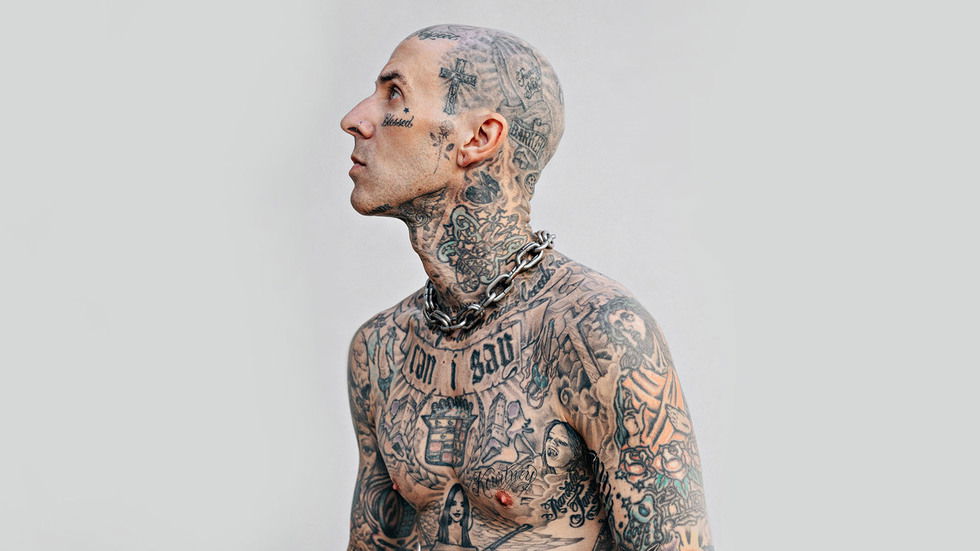
Barker tried to keep ahead of his fame by keeping himself busy in every genre. Starting side projects with Rancid lead singer Tim Armstrong and Blink’s Tom DeLonge, Barker’s versatility was noticed by rap and R&B artists. To keep up with his busy schedule, Barker began abusing drugs and alcohol. However, after a plane accident in 2008, Barker spent months rehabbing until he could return to the drum kit. With his physical rehab, he sought sobriety, leading to a new chapter in his career and relationships.
Travis Barker has been a public figure for years, but Louder Than Fear explores his deeper motivations.
Directors Michael Dwyer and Justin Krook have both embedded with world-class musicians in the past. Krook’s documentary, I’ll Sleep When I’m Dead, was an intriguing look at Steve Aoki’s rise and career. Dwyer’s role as a cinematographer on I Wanna Rock, Demi Lovato: Dancing with the Devil, and a dozen Justin Bieber music videos has shown his ability to capture cool imagery.
Together they’re able to craft a captivating visual style for Louder Than Fear, using incredible slow-motion cameras and brilliant cinematography to create a glossy experience that highlights Barker’s clean life. These moments stand in stark contrast to the grainy archival footage, most of which was likely filmed on B-grade handheld cameras, allowing Louder Than Fear to capture the calmness that Barker needs to offset his frenetic play style behind the kit.
Barker’s vulnerability on screen becomes Louder Than Fear‘s greatest attribute. While the drummer has found peace in recent years, especially since he began his famous relationship with Kourtney Kardashian, he’s a raw nerve about the other experiences in his life. While figures like Christian Jacobs or Rob Aston acknowledge Barker’s somewhat internalized approach to the music, they also reveal that years on the road with him proved his incredible loyalty to those he cared about.
Even today, with Blink-182 conquering the world, Barker talks about loving his time with every band, proving that it’s not just the perception of monomania. His only obsession for decades has been making the best music he can with whatever platform is available to him. If it needed to be in a ska band, a metal outfit, pop punk, or rap, Barker would put his everything into the recording. It’s why his recent collaborations with groups like Kennyhoopla and The Paradox stand out. He’s not going to gatekeep, instead opening the door for the next generation of artists to follow in his wake.
Of course, the vast majority of the drama within the story revolves around his vices and the plane crash that changed his psyche. Barker and collaborator DJ AM (Adam Goldstein) might have survived the initial crash, but inside of a year AM had passed away of an overdose. The other victims on the flight were the pilots and two men closest to Barker, leaving the drummer in the depths of depression and survivor’s guilt.
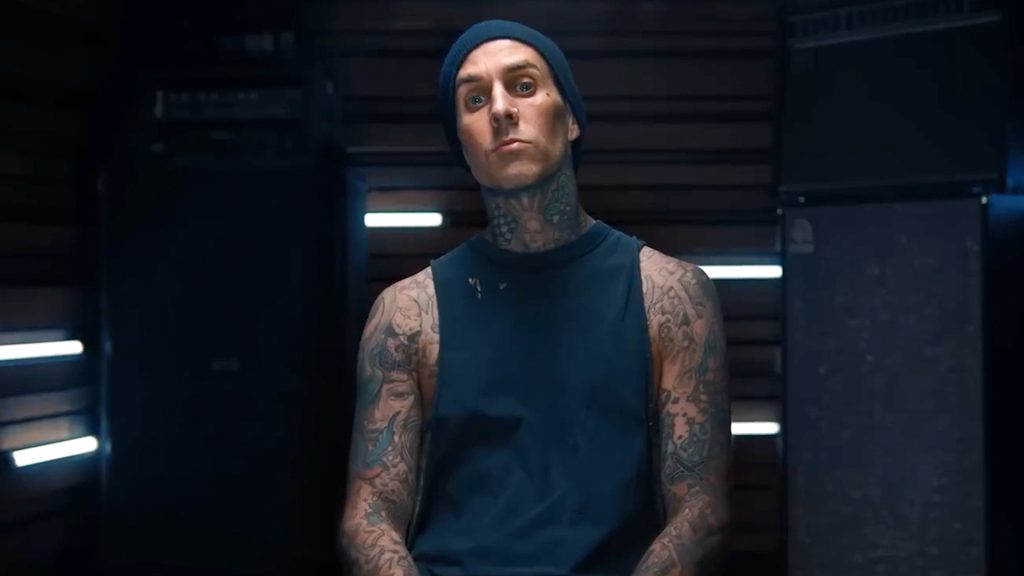
Barker opens up about these aspects with stunning intimacy. While many other parts of the documentary might feel overly long, this aspect alone makes Louder Than Fear a must-watch for music bio-doc fans. The footage in the aftermath of the crash is harrowing, as are the images of his injuries. Yet it’s his devotion to his family to get better, and the memories of the men who passed, that remain moving nearly twenty years after the accident.
Is Travis Barker: Louder Than Fear worth watching?
Yes, for fans of Barker and music in general, you’re going to find your favorite musicians speaking about Barker’s greatness. The all-star ensemble of speakers is impossible to ignore, including the recently deceased Taylor Hawkins. The best drummers in history shine a light on Barker’s technical brilliance behind a drum kid and discuss his qualities as an enigma. Yet it’s the emotion that Barker puts out for us to watch that makes this a unique experience in a sea of films meant to aggrandize their subjects, instead of actually studying them. Louder Than Fear still engages in this at times, but it’s far more insightful than many of its peers in the genre.
Travis Barker: Louder Than Fear airs on Hulu and Disney+ starting August 13, 2026.

Travis Barker: Louder Than Fear Review: The Iconic Drummer Deconstructed
By getting Travis Barker to open up, Louder Than Fear separates itself from many of the bio-docs about famous musicians. We get real insight into the raw emotion that pours out of the world's most famous drummer.



























 Bengali (BD) ·
  English (US) ·