.png)
 4 days ago
16
4 days ago
16
The big picture suggests an economy struggling to grow.
Published Jun 03, 2026 • 3 minute read
See more Toronto Sun on Google — save as a Preferred Source
Advertisement 2

THIS CONTENT IS RESERVED FOR SUBSCRIBERS ONLY
Subscribe now to read the latest news in your city and across Canada.
- Unlimited online access to articles from across Canada with one account.
- Get exclusive access to the Toronto Sun ePaper, an electronic replica of the print edition that you can share, download and comment on.
- Enjoy insights and behind-the-scenes analysis from our award-winning journalists.
- Support local journalists and the next generation of journalists.
- Daily puzzles including the New York Times Crossword.
SUBSCRIBE TO UNLOCK MORE ARTICLES
Subscribe now to read the latest news in your city and across Canada.
- Unlimited online access to articles from across Canada with one account.
- Get exclusive access to the Toronto Sun ePaper, an electronic replica of the print edition that you can share, download and comment on.
- Enjoy insights and behind-the-scenes analysis from our award-winning journalists.
- Support local journalists and the next generation of journalists.
- Daily puzzles including the New York Times Crossword.
REGISTER / SIGN IN TO UNLOCK MORE ARTICLES
Create an account or sign in to continue with your reading experience.
- Access articles from across Canada with one account.
- Share your thoughts and join the conversation in the comments.
- Enjoy additional articles per month.
- Get email updates from your favourite authors.
THIS ARTICLE IS FREE TO READ REGISTER TO UNLOCK.
Create an account or sign in to continue with your reading experience.
- Access articles from across Canada with one account
- Share your thoughts and join the conversation in the comments
- Enjoy additional articles per month
- Get email updates from your favourite authors
Article content
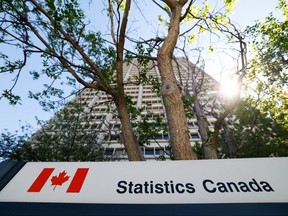
The latest economic readings from Statistics Canada are not encouraging. So far this year, Canada has lost roughly 120,000 jobs. Data for the first quarter of 2026 show overall economic activity declined marginally in the first three months of the year, worse than forecasters expected. This comes on the heels of a slight economic contraction in the fourth quarter of 2025.
Article content
Recommended Videos
Article content
Two back-to-back quarterly declines in inflation-adjusted gross domestic product (GDP) are one sign that the economy may be in a “technical” recession. In fact, Canada has failed to register any economic growth in three of the last four quarters. Future data revisions will shed more light on the extent of any actual economic downturn. But the big picture suggests an economy struggling to grow.
A closer look at the data finds that resilient consumer spending has been the principal factor preventing the economy from shrinking faster. It’s surprising to see consumers continue to spend amid a deteriorating job market and widespread uncertainty. Many are dipping into their savings to help finance household purchases.
By signing up you consent to receive the above newsletter from Postmedia Network Inc.
Article content
Advertisement 3
Article content
Reduced exports and higher imports both weighed on economic growth in the early months of 2026. United States President Donald Trump’s “sectoral” tariffs on some categories of Canadian exports, and the chaotic state of U.S. trade policy, are hurting Canadian confidence and hampering business expansion plans in some parts of our economy.
Weak investment has been an important reason for Canada’s largely stagnant economy. The first few months of 2026 brought no relief. Housing-related investment decreased again, despite much political talk about boosting housing supply. Of greater concern, business capital spending on machinery, equipment, structures, advanced technology products and intellectual property has been trending lower since early 2025, continuing a pattern evident for most of the past decade.
Over time, sluggish business investment keeps a lid on productivity growth and makes it harder for workers to achieve increases in inflation-adjusted earnings. In Canada, this has become a persistent problem — one you can’t blame on American tariffs or foreign wars.
Advertisement 4
Article content
According to a recent study, total business investment in Canada, measured as a share of the economy, was lower over 2022-2025 than it was in the 2014-2021 period. If we examine business investment on a per-worker basis, the story is even more concerning. Across the broad Canadian business sector, investment per employee has been running at less than 60% of the comparable U.S. level. We also lag well behind many other advanced economies on this key indicator.
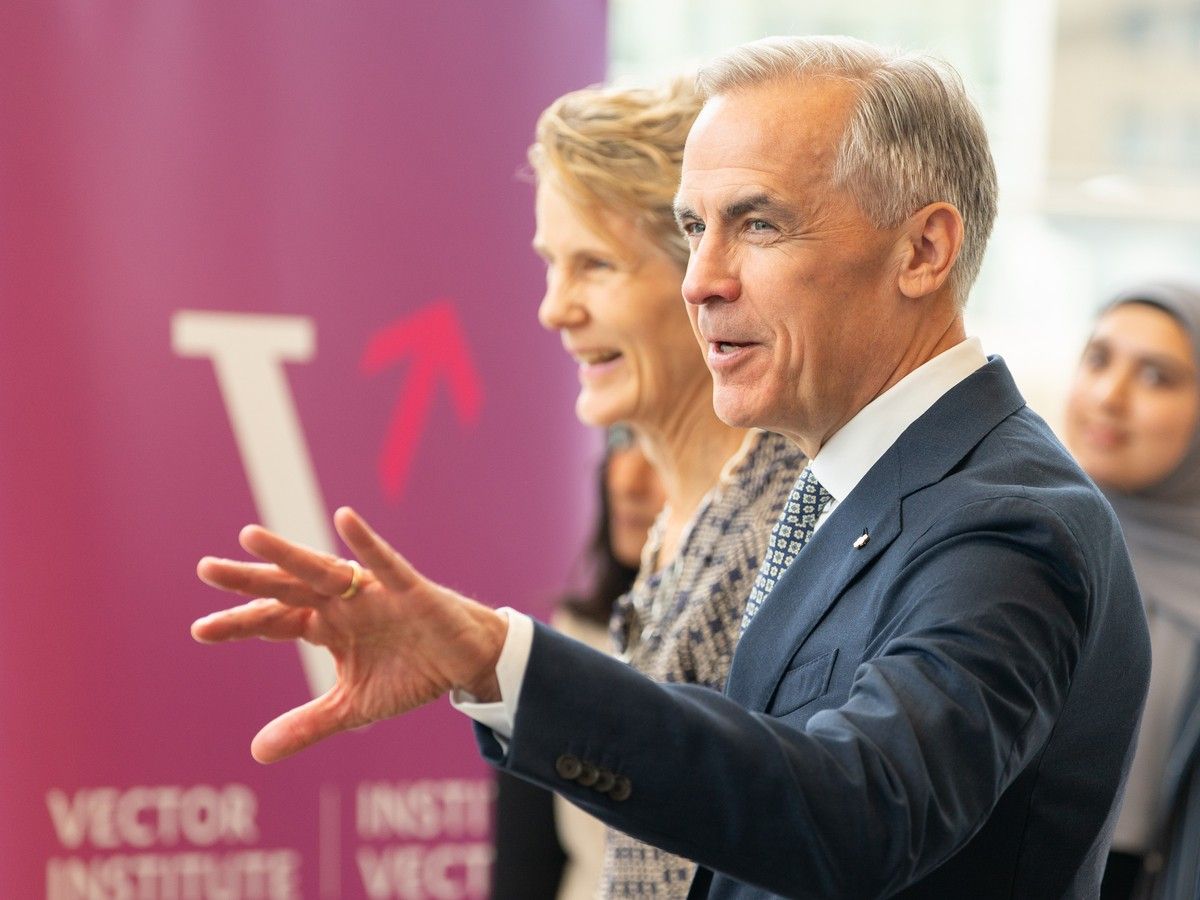
The government of Prime Minister Mark Carney recognizes the risks to Canada’s prosperity posed by chronically low levels of business investment. He’s talked about attracting $1 trillion in new investment by 2030. His government has taken steps to reduce obstacles to advancing major projects in the natural resource, manufacturing and infrastructure sectors. Recently, it unveiled a $25 billion “Canada Strong Fund” (CSF) as another tool to increase investment. But the government offered few details and it’s far from clear that another debt-financed fund under Ottawa’s control will do much to turn around the country’s lacklustre economy.
A more effective strategy to bolster business investment would include overhauling tax policy and aggressively tackling the thicket of federal laws, regulations and administrative requirements that continue to stymie business growth. So far, the Carney government has not shown much appetite for such far-reaching reforms.
Jock Finlayson is a senior fellow at the Fraser Institute
Read More
-

FINLAYSON: Wealth and net worth — a bird’s-eye view of Canada
-

FINLAYSON: Weak job numbers last year may mean the same this year


Article content


























/https%3A%2F%2Fsportsmole-media-prod.s3.gra.io.cloud.ovh.net%2Fuploads%2F2026%2F05%2Fns-collage-background-v2-email-3-6a086d6eaa1a0057506880.jpg)
 Bengali (BD) ·
  English (US) ·