.png)
 2 hours ago
8
2 hours ago
8
Article content
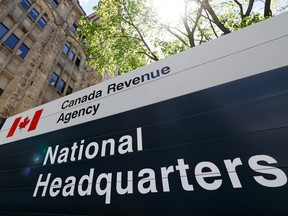
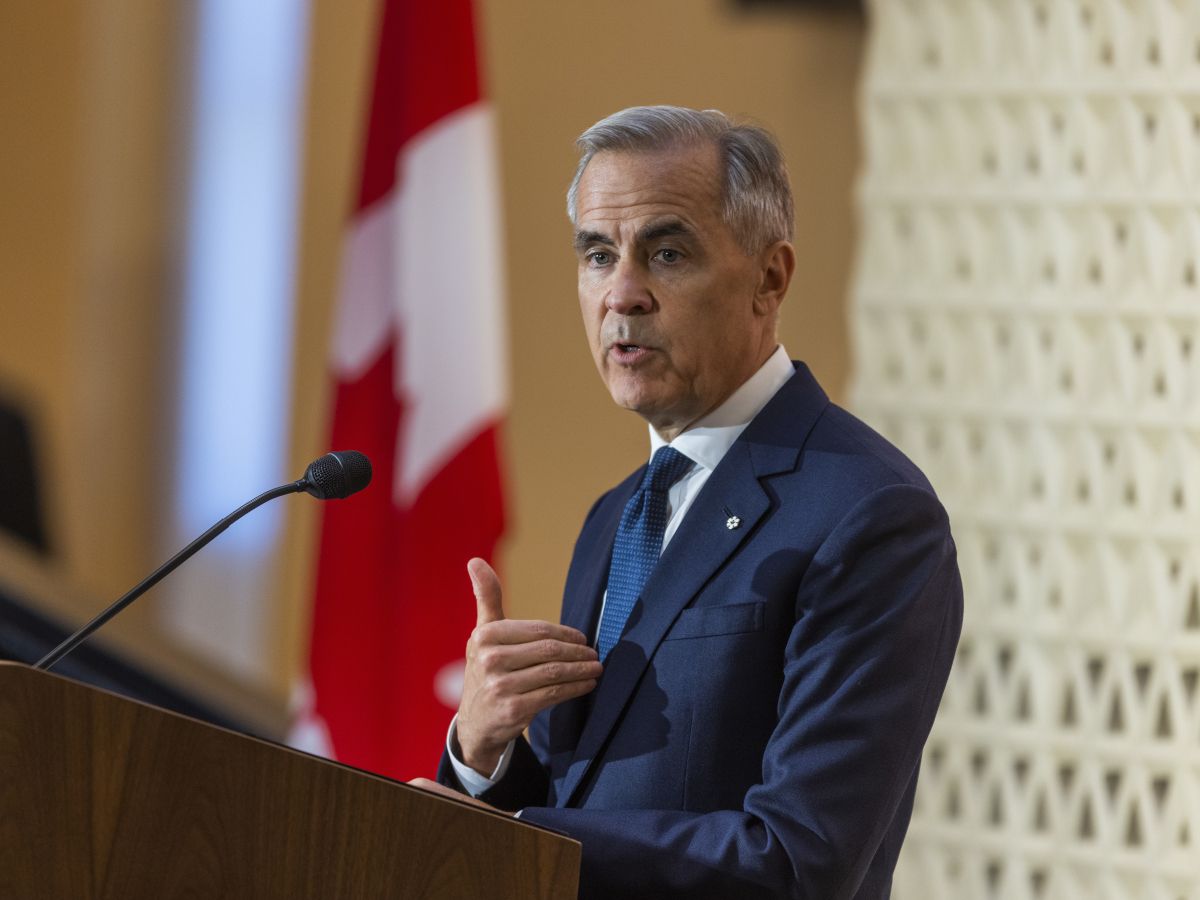
Tomorrow, June 9, the average Canadian family will have earned enough in 2026 to cover the taxes imposed on it by the three levels of government, according to a new study by the Fraser Institute.

THIS CONTENT IS RESERVED FOR SUBSCRIBERS
Enjoy the latest local, national and international news.
- Exclusive articles by Conrad Black, Barbara Kay and others. Plus, special edition NP Platformed and First Reading newsletters and virtual events.
- Unlimited online access to National Post.
- National Post ePaper, an electronic replica of the print edition to view on any device, share and comment on.
- Daily puzzles including the New York Times Crossword.
- Support local journalism.
SUBSCRIBE FOR MORE ARTICLES
Enjoy the latest local, national and international news.
- Exclusive articles by Conrad Black, Barbara Kay and others. Plus, special edition NP Platformed and First Reading newsletters and virtual events.
- Unlimited online access to National Post.
- National Post ePaper, an electronic replica of the print edition to view on any device, share and comment on.
- Daily puzzles including the New York Times Crossword.
- Support local journalism.
REGISTER / SIGN IN TO UNLOCK MORE ARTICLES
Create an account or sign in to continue with your reading experience.
- Access articles from across Canada with one account.
- Share your thoughts and join the conversation in the comments.
- Enjoy additional articles per month.
- Get email updates from your favourite authors.
THIS ARTICLE IS FREE TO READ REGISTER TO UNLOCK.
Create an account or sign in to continue with your reading experience.
- Access articles from across Canada with one account
- Share your thoughts and join the conversation in the comments
- Enjoy additional articles per month
- Get email updates from your favourite authors
Sign In or Create an Account
or
Article content
The think tank estimates that the average family will earn $166,790 in 2026 and pay an estimated $72,539 in total taxes, representing 43.5 per cent of their annual income.
Article content
Article content
Article content
This means that, if Canadian families had to pay their tax bills upfront, they would need to work for more than five months, or 158 days, before they had earned enough to pay off all the taxes imposed by federal, provincial, and local governments.
Article content
By signing up you consent to receive the above newsletter from Postmedia Network Inc.
Article content
In other words, June 9 — which the Fraser Institute has dubbed “Tax Freedom Day” — is when Canadians finally start working for themselves, and not government.
Article content
Taxes used to compute Tax Freedom Day include income taxes, payroll taxes, health taxes, sales taxes, property taxes, profit taxes, taxes on the consumption of alcohol and tobacco, fuel taxes, motor vehicle license fees, carbon taxes, import duties, natural resource fees, and a host of other levies.
Article content
This year, Tax Freedom Day arrives one day later than in 2025, when it fell on June 8.
Article content
According to the Fraser Institute, the later date is because forecasts for personal income are slower than forecasts for growth in income taxes, property taxes and sales taxes, resulting in a higher estimated tax burden than last year.
Article content
The study estimates that the average Canadian family’s total tax bill increased by $2,098, or three per cent, between 2025 and 2026.
Article content
Article content
However, some areas of the country will have to wait a bit longer before they reach the earnings threshold this year.
Article content
Article content
The Fraser Institute also examined the total annual tax burden at the provincial level and found that Tax Freedom Day varies depending on the extent of taxes levied by provincial and local governments.
Article content
This is why average Canadian families in Newfoundland and Labrador won’t reach Tax Freedom Day until June 19, while the date falls even later, on June 27, for Quebecers.
Article content
Meanwhile, Saskatchewan’s Tax Freedom Day was the earliest in the country, on May 20, followed by Alberta (May 25) and Manitoba (May 28).
Article content
Four more provinces have also already reached Tax Freedom Day this year: British Columbia (June 4), Prince Edward Island (June 5), New Brunswick (June 6) and Ontario (June 8).
Article content
Nova Scotia’s Tax Freedom Day falls on June 9, matching the national average.
Article content
“Tax Freedom Day helps put the total tax burden in perspective, and helps Canadians understand just how much of their money they pay in taxes every year,” Jake Fuss, director of fiscal studies at the Fraser Institute, said in a news release on Monday.






















/https%3A%2F%2Fsportsmole-media-prod.s3.gra.io.cloud.ovh.net%2Fuploads%2F2026%2F05%2Fns-collage-background-v2-email-3-6a086d6eaa1a0057506880.jpg)
 Bengali (BD) ·
  English (US) ·