.png)
 1 hour ago
8
1 hour ago
8
Article content
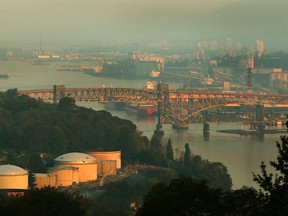
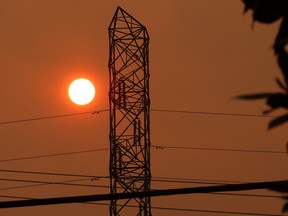
As wildfire smoke blankets parts of the B.C. Interior and drifts toward the Lower Mainland, hazy skies and smoky conditions are becoming a familiar part of summer.

THIS CONTENT IS RESERVED FOR SUBSCRIBERS ONLY
Subscribe now to read the latest news in your city and across Canada.
- Unlimited online access to articles from across Canada with one account.
- Get exclusive access to the Vancouver Sun ePaper, an electronic replica of the print edition that you can share, download and comment on.
- Enjoy insights and behind-the-scenes analysis from our award-winning journalists.
- Support local journalists and the next generation of journalists.
- Daily puzzles including the New York Times Crossword.
SUBSCRIBE TO UNLOCK MORE ARTICLES
Subscribe now to read the latest news in your city and across Canada.
- Unlimited online access to articles from across Canada with one account.
- Get exclusive access to the Vancouver Sun ePaper, an electronic replica of the print edition that you can share, download and comment on.
- Enjoy insights and behind-the-scenes analysis from our award-winning journalists.
- Support local journalists and the next generation of journalists.
- Daily puzzles including the New York Times Crossword.
REGISTER / SIGN IN TO UNLOCK MORE ARTICLES
Create an account or sign in to continue with your reading experience.
- Access articles from across Canada with one account.
- Share your thoughts and join the conversation in the comments.
- Enjoy additional articles per month.
- Get email updates from your favourite authors.
THIS ARTICLE IS FREE TO READ REGISTER TO UNLOCK.
Create an account or sign in to continue with your reading experience.
- Access articles from across Canada with one account
- Share your thoughts and join the conversation in the comments
- Enjoy additional articles per month
- Get email updates from your favourite authors
Sign In or Create an Account
or
Article content
Health experts say even short-term exposure to wildfire smoke can affect your health, especially if air quality reaches high-risk levels.
Article content
Article content
Metro Vancouver and Environment Canada have issued air quality warnings for Metro Vancouver and the Fraser Valley this week that remain in place. Warning are also in effect across parts of the province, including the Okanagan, Cariboo, Shuswap, Lower Nicola and the Fraser Canyon.
Article content
Article content
Here’s what you need to know about protecting yourself from wildfire smoke.
Article content
Article content
By signing up you consent to receive the above newsletter from Postmedia Network Inc.
Article content
How do I assess my risk?
Article content
The easiest way is to check B.C. environment ministry’s Air Quality Health Index (AQHI), which covers 25 communities across the province and is updated hourly, or Metro Vancouver’s AirMap, which also provides air quality readings for the Lower Mainland.
Article content
The AQHI rates air quality on a scale of 1 to 10+:
Article content
- 1–3: Low risk
- 4–6: Moderate risk
- 7–10: High risk
- 10+: Very high risk
Article content
When air quality is in the low or moderate range, most people can go about their daily routine unless they develop symptoms.
Article content
“Typically, for lower levels of poor air quality, we recommend members of the general public can continue their regular outdoor physical activities,” said Brandon Yau, a medical health officer with Vancouver Coastal Health.
Article content

Article content
Who is at higher risk from wildfire smoke?
Article content
Some people are more vulnerable to the effects of smoke, including: People with lung and heart and other chronic conditions, pregnant women, young children, adults aged 65 and older, and people who spend a lot of time outdoors, including outdoor workers, wildland firefighters, and those living in remote or rural areas.
Article content
Article content
If you are in one of these groups, health experts recommend reducing strenuous outdoor activity and monitoring yourself for symptoms.
Article content
Article content
Should kids be outside at playgrounds?
Article content
Young children are more vulnerable to poor air quality, said Yau, who recommends parents and caregivers check their local air quality conditions before heading outdoors.
Article content
Health guidelines say at low and moderate risk levels, there is no need to change outdoor activities.
Article content
“It really is that individual decision,” said Yau. If it looks hazy and if there are local symptoms they are experiencing, it’s best to dial back on the outdoor activities.”
Article content
Article content
What symptoms should I watch for?
Article content
Mild symptoms can include irritated eyes, runny or scratchy nose, sore throat, mild cough and headaches, said Health Canada.
Article content
These are signs that smoke is affecting you and that you should move to cleaner air.
Article content
More serious symptoms include wheezing, shortness of breath, chest pain and worsening asthma symptoms.
Article content
Anyone experiencing severe symptoms should seek medical care immediately or call 911 in an emergency.
Article content
What should I do when air quality is poor?
Article content
The best way to reduce exposure is to spend time in cleaner indoor air.























/https%3A%2F%2Fsportsmole-media-prod.s3.gra.io.cloud.ovh.net%2Fuploads%2F2026%2F01%2Fdanny-welbeck-5-6956bfa3ea945973722124.jpg)
/https%3A%2F%2Fsportsmole-media-prod.s3.gra.io.cloud.ovh.net%2Fuploads%2F2026%2F07%2Fbradley-barcola-3-6a668f16048c5425723883.jpg)
 Bengali (BD) ·
  English (US) ·