.png)
 5 days ago
27
5 days ago
27
Article content
With new tariffs comes additional complexity and costs, according to business groups.
Article content
“Applying a single investigatory framework across 60 economies, including longstanding US allies and parties to existing bilateral trade agreements, will create significant compliance uncertainty for businesses operating in global supply chains,” International Chamber of Commerce Secretary-General John Denton said in a statement Wednesday.
Article content
The USTR investigated whether the economies involved had failed to impose a forced labor import prohibition or effectively enforce such a prohibition. “None of the 60 economies whose acts, policies, and practices are the subject of these investigations effectively enforce a forced labor import prohibition,” it found.
Article content
“This creates a dynamic where American workers are forced to compete globally on an unlevel playing field,” US Trade Representative Jamieson Greer said in a statement. “We will no longer tolerate this disparity.”
Article content
Citing the Trafficking Victims Protection Reauthorization Act of 2005, the USTR flagged 34 goods in particular countries that are made with inputs produced with forced labor. Those included cotton used for garments, critical minerals for solar products, fish used for fish oil and fish meal, and palm fruit used palm oil.
Article content
Article content
The move will test the tolerance of the largest US economic partners, who have largely restrained from retaliating against Trump’s tariffs, opting instead to negotiate deals to lower import taxes and ensure market access.
Article content
“Any tariffs on Australian exports to the United States are unjustified and inconsistent with our free trade agreement,” Australia’s trade ministry said. India’s commerce ministry said in a statement that New Delhi “remains engaged with the US on the matter.”
Article content
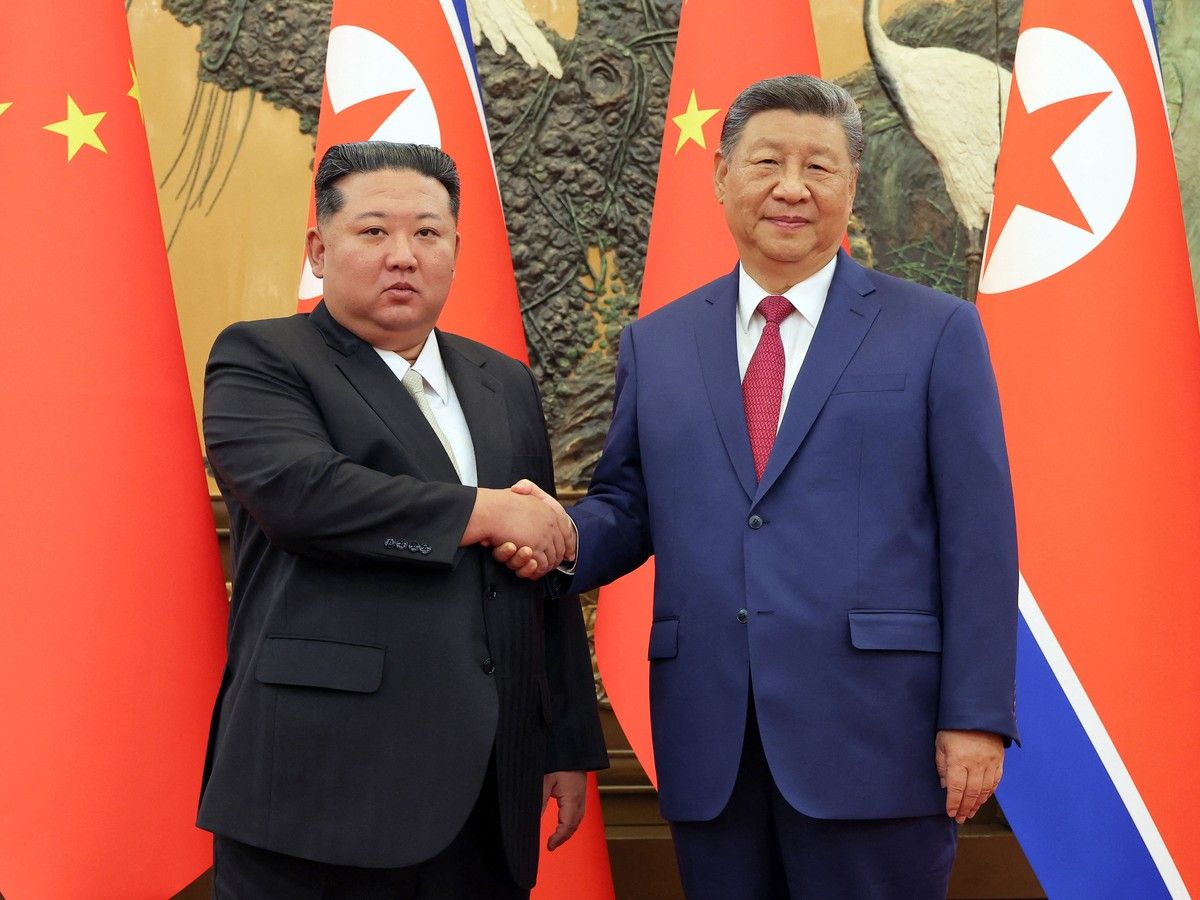
The new levies also pose questions about the stability of a truce with China following a summit between Trump and counterpart Xi Jinping in May, which saw them agree to establish new boards on trade and investment to manage the relationship between the world’s two largest economies.
Article content
“Because it is not only targeting China, I believe there should still be some room for communication and dialog between Beijing and Washington,” said Zhu Feng, dean of the School of International Studies at Nanjing University. “If additional Section 301 follow-up actions are rolled out successively, it will indeed pose new challenges to the ‘Beijing Consensus.’”
Article content
Article content
Beijing last month indicated that it would accept some increase in US tariffs to a level agreed upon in October.
Article content
Other Investigations
Article content
There are also several proposed exceptions to the tariff regime.
Article content
Apparel and textile imports from some countries would be able to enter the US at a reduced tariff rate — with those quotas set according to the volume of US exports of textiles to those nations.
Article content
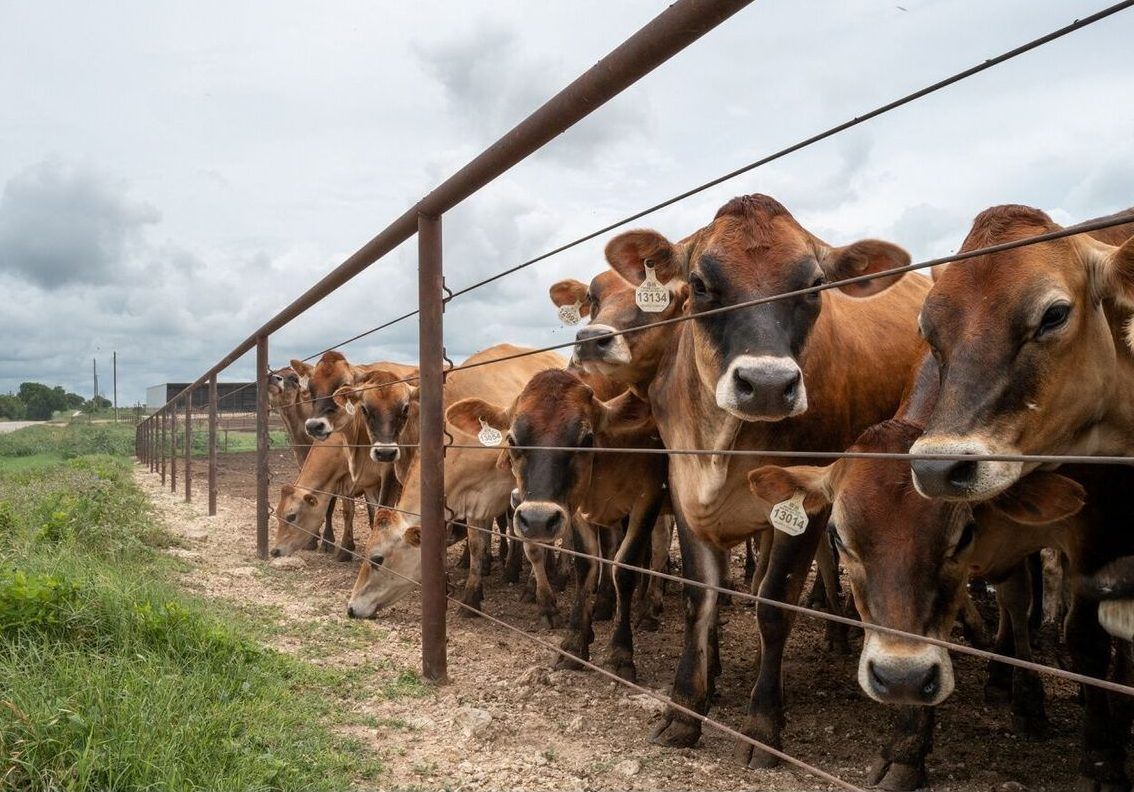
Other products are exempt from the tariffs entirely, including beef, tomatoes, bananas, coffee, orange juice and other food items. Metals, which are already covered by other levies, are excluded, as are certain fuels and chemicals.
Article content
Trump’s broad trade agenda suffered a sharp blow in February when the Supreme Court struck down levies he imposed using emergency powers.
Article content
As a stopgap measure, the president also implemented a 10% global levy under Section 122 of the trade law, though those import taxes expire in July. The Section 122 tariffs are themselves subject to an ongoing legal challenge.
Article content
Section 301 tariffs are seen as more legally sound and flexible than other powers Trump has eyed, but also more time-consuming.



















/https%3A%2F%2Fsportsmole-media-prod.s3.gra.io.cloud.ovh.net%2Fuploads%2F2026%2F05%2Fns-collage-background-v2-email-3-6a086d6eaa1a0057506880.jpg)
 Bengali (BD) ·
  English (US) ·