.png)
 10 hours ago
35
10 hours ago
35

Article content
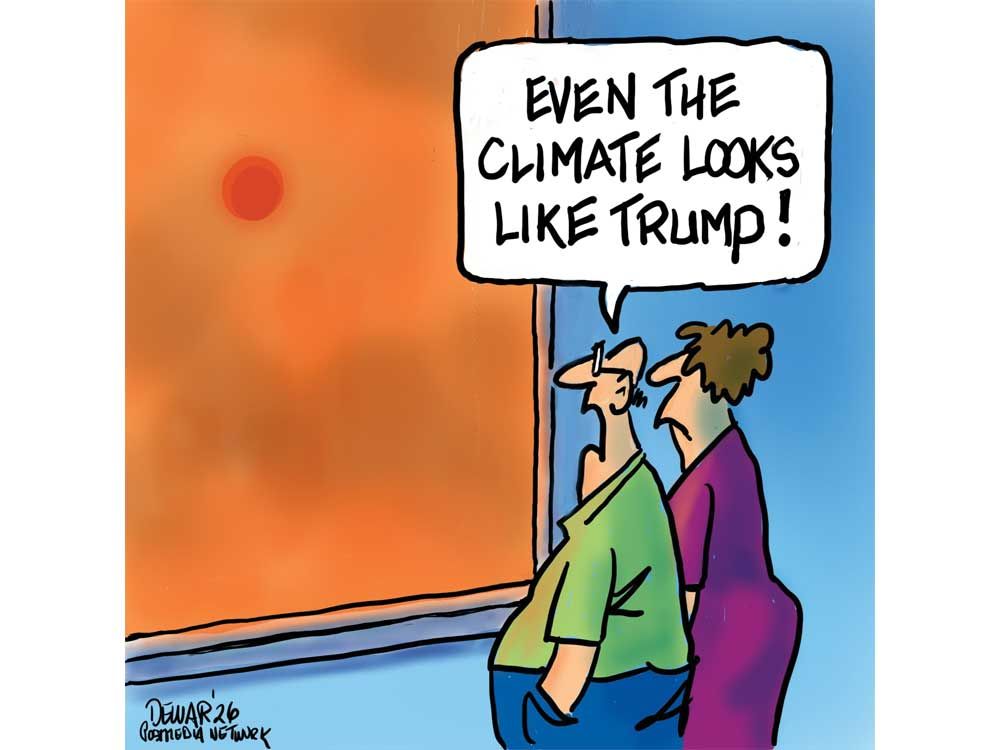
As B.C. announces heat warnings, thousands of workers once again report to jobs where dangerous temperatures are simply part of the work day. Across the province, people will pour concrete, harvest crops, deliver packages, prepare food in overheated kitchens, staff warehouses, and perform countless other essential jobs while temperatures climb to hazardous levels.

THIS CONTENT IS RESERVED FOR SUBSCRIBERS ONLY
Subscribe now to read the latest news in your city and across Canada.
- Unlimited online access to articles from across Canada with one account.
- Get exclusive access to the Vancouver Sun ePaper, an electronic replica of the print edition that you can share, download and comment on.
- Enjoy insights and behind-the-scenes analysis from our award-winning journalists.
- Support local journalists and the next generation of journalists.
- Daily puzzles including the New York Times Crossword.
SUBSCRIBE TO UNLOCK MORE ARTICLES
Subscribe now to read the latest news in your city and across Canada.
- Unlimited online access to articles from across Canada with one account.
- Get exclusive access to the Vancouver Sun ePaper, an electronic replica of the print edition that you can share, download and comment on.
- Enjoy insights and behind-the-scenes analysis from our award-winning journalists.
- Support local journalists and the next generation of journalists.
- Daily puzzles including the New York Times Crossword.
REGISTER / SIGN IN TO UNLOCK MORE ARTICLES
Create an account or sign in to continue with your reading experience.
- Access articles from across Canada with one account.
- Share your thoughts and join the conversation in the comments.
- Enjoy additional articles per month.
- Get email updates from your favourite authors.
THIS ARTICLE IS FREE TO READ REGISTER TO UNLOCK.
Create an account or sign in to continue with your reading experience.
- Access articles from across Canada with one account
- Share your thoughts and join the conversation in the comments
- Enjoy additional articles per month
- Get email updates from your favourite authors
Sign In or Create an Account
or
Article content
Article content
We know what extreme heat can do. In June 2021, the heat dome that settled over B.C. claimed more than 600 lives, devastated communities, and exposed how dangerously unprepared our systems were for extreme heat. Yet as another period of extreme temperatures approaches, many workers remain without adequate protections.
Article content
Article content
By signing up you consent to receive the above newsletter from Postmedia Network Inc.
Article content
Workers spend much of their day in environments where their health and safety depend on their employer. For many low-wage workers already struggling with the rising cost of living, refusing unsafe work during extreme heat is not a realistic option. If they refuse unsafe work, they risk losing their livelihood through retaliation. If they continue working, they risk compromising their health.
Article content
Despite repeated heat warnings and increasingly frequent periods of extreme temperatures, B.C. still lacks adequate workplace heat protections. As climate change intensifies, too many workers are expected to endure dangerous conditions with few meaningful safeguards.
Article content
Extreme heat is no longer just an environmental issue, it is a workforce issue.
Article content
Article content
Workers do not experience heat in isolation. Many leave homes without air conditioning, commute through extreme temperatures, and then spend entire shifts in workplaces with little protection from dangerous heat. By the time they return home, they have experienced hours of cumulative heat exposure with little opportunity for recovery.
Article content
This affects not only workers’ health, but also the resilience of the labour force. A resilient workforce can safely adapt to more frequent extreme heat while continuing to provide the services our communities rely on every day. When workers become sick or injured because of dangerous heat, the impacts extend beyond the workplace. It can strain health care, emergency response, food distribution, and other essential services, while increasing pressure on already overstretched systems. As climate change intensifies, protecting workers from extreme heat at work is critical to maintaining the essential services that keep our communities healthy, as it is to public health.
Article content
While some employers take meaningful steps to protect their staff, far too many workers are still expected to push through dangerous conditions with little more than access to water and vague instructions to “take breaks if needed.” Existing heat regulations rely heavily on employer discretion, technical application and broad heat-stress assessments, creating inconsistent protections that leave workers vulnerable. Without clear legislative standards, protections are uneven, difficult to enforce, and often implemented only after workers are already experiencing dangerous conditions.



























/https%3A%2F%2Fsportsmole-media-prod.s3.gra.io.cloud.ovh.net%2Fuploads%2F2026%2F03%2Ficonsport-361551-0102-1-69b560866f7b6508942731.jpg)
 Bengali (BD) ·
  English (US) ·