.png)
 5 hours ago
8
Article content
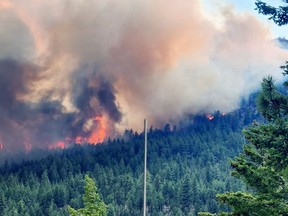
As wildfires are becoming more frequent and severe, people are increasingly finding themselves crossing paths with wildlife. The connection between wildfires and these wild animals showing up closer to our city centres is easy to miss, but overlooking the cause and effect of wildfires and wildlife encounters comes at a cost for both our communities and the animals that share this province with us.

THIS CONTENT IS RESERVED FOR SUBSCRIBERS ONLY
Subscribe now to read the latest news in your city and across Canada.
- Unlimited online access to articles from across Canada with one account.
- Get exclusive access to the Vancouver Sun ePaper, an electronic replica of the print edition that you can share, download and comment on.
- Enjoy insights and behind-the-scenes analysis from our award-winning journalists.
- Support local journalists and the next generation of journalists.
- Daily puzzles including the New York Times Crossword.
SUBSCRIBE TO UNLOCK MORE ARTICLES
Subscribe now to read the latest news in your city and across Canada.
- Unlimited online access to articles from across Canada with one account.
- Get exclusive access to the Vancouver Sun ePaper, an electronic replica of the print edition that you can share, download and comment on.
- Enjoy insights and behind-the-scenes analysis from our award-winning journalists.
- Support local journalists and the next generation of journalists.
- Daily puzzles including the New York Times Crossword.
REGISTER / SIGN IN TO UNLOCK MORE ARTICLES
Create an account or sign in to continue with your reading experience.
- Access articles from across Canada with one account.
- Share your thoughts and join the conversation in the comments.
- Enjoy additional articles per month.
- Get email updates from your favourite authors.
THIS ARTICLE IS FREE TO READ REGISTER TO UNLOCK.
Create an account or sign in to continue with your reading experience.
- Access articles from across Canada with one account
- Share your thoughts and join the conversation in the comments
- Enjoy additional articles per month
- Get email updates from your favourite authors
Sign In or Create an Account
or
Article content
Advertisement 1
Article content
British Columbians have seen a steady stream of headlines this summer about wildlife encounters. Nearly any encounter between people and large carnivores can be devastating — typically for both humans and wild animals involved. But the underlying, real story may not be the bears we see, but the kinds of pressures on these bears that we don’t. Many may be asking themselves: Why are bears being pushed into areas they have rarely previously been?
Article content
Article content
By signing up you consent to receive the above newsletter from Postmedia Network Inc.
Article content
To answer this question, we must look to the burning landscapes across the province and country.
Article content
Between 2023 and 2025, an estimated eight per cent of Canada’s forests burned. The suffering for animals who live in these ecosystems can be immense. When animals are caught in the blaze, plumes of smoke cause burning throats, stinging eyes that impede sight, and deep fatigue and heat exhaustion just as energy is needed to avoid the threat of oncoming flames. Newborn and elderly animals are trapped. Partial or full body burns cause extreme pain and lethal infection.
Article content
Challenges remain even after the fires die down, as habitat and nesting areas can be ruined and breeding seasons missed. The B.C. Conservation Officer Service warned the public in early September that during the upcoming season of bears preparing for hibernation, natural food sources have been greatly reduced by drought, poor crop, and yes — wildfires.
Article content
Advertisement 2
Article content
Wildfires can burn 10 kilometres of wilderness in an hour. Research reveals that animals escaping burned areas and looking for resources like food can begin appearing more rapidly at the perimeter of suburban and urban areas following these disasters, despite usually avoiding people. This migration leads to more vehicle strikes, more conflict with other animals in new territories, and increased encounters with domestic pets and humans.
Article content
There are ways to better prepare for these wildfires, which we all know will only grow in size and scale in coming years. In B.C., we simply do not have numbers that quantify the scale of wildfire impacts on wildlife, including endangered species. Enhancing data collection, as the Australian government did following its catastrophic bushfires in the 2019-2020 season, could be a start. The government there identified nearly three billion animals hurt or killed by the wildfires and after making that data public, responded to calls for more muscular emergency response plans for animals in future years. Investing in these kinds of responses, along with more dedicated attention to responses like Bear Smart programs, will better prepare us for future fires.




























 Bengali (BD) ·
 English (US) ·