.png)
 1 hour ago
11
1 hour ago
11
Article content
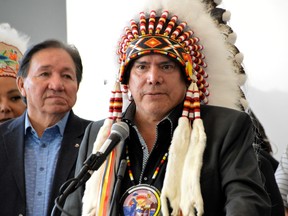
Five years after the Kamloops “graves” controversy first erupted, and with zero bodies discovered, First Nations chiefs are pushing hard to make residential school denialism an imprisonable offence.

THIS CONTENT IS RESERVED FOR SUBSCRIBERS
Enjoy the latest local, national and international news.
- Exclusive articles by Conrad Black, Barbara Kay and others. Plus, special edition NP Platformed and First Reading newsletters and virtual events.
- Unlimited online access to National Post.
- National Post ePaper, an electronic replica of the print edition to view on any device, share and comment on.
- Daily puzzles including the New York Times Crossword.
- Support local journalism.
SUBSCRIBE FOR MORE ARTICLES
Enjoy the latest local, national and international news.
- Exclusive articles by Conrad Black, Barbara Kay and others. Plus, special edition NP Platformed and First Reading newsletters and virtual events.
- Unlimited online access to National Post.
- National Post ePaper, an electronic replica of the print edition to view on any device, share and comment on.
- Daily puzzles including the New York Times Crossword.
- Support local journalism.
REGISTER / SIGN IN TO UNLOCK MORE ARTICLES
Create an account or sign in to continue with your reading experience.
- Access articles from across Canada with one account.
- Share your thoughts and join the conversation in the comments.
- Enjoy additional articles per month.
- Get email updates from your favourite authors.
THIS ARTICLE IS FREE TO READ REGISTER TO UNLOCK.
Create an account or sign in to continue with your reading experience.
- Access articles from across Canada with one account
- Share your thoughts and join the conversation in the comments
- Enjoy additional articles per month
- Get email updates from your favourite authors
Sign In or Create an Account
or
Article content
But Canadians should not have to face up to two years in jail for denying what the chiefs describe as their “truth.” Are we only to speak about the horrors of residential schools, or will survivors with “warm memories” face prison?
Article content
Article content
Article content
Or could it be that the push to criminalize denialism is an attempt to stop legitimate discussion about the presence of unmarked graves at the Kamloops former residential school? If so, then a denialism law isn’t so much to protect the truth as it is to stifle debate, restrict free speech and impose on everyone a narrative written and dictated by Indigenous leaders.
Article content
By signing up, you consent to receive the above newsletter from Postmedia Network Inc.
Article content
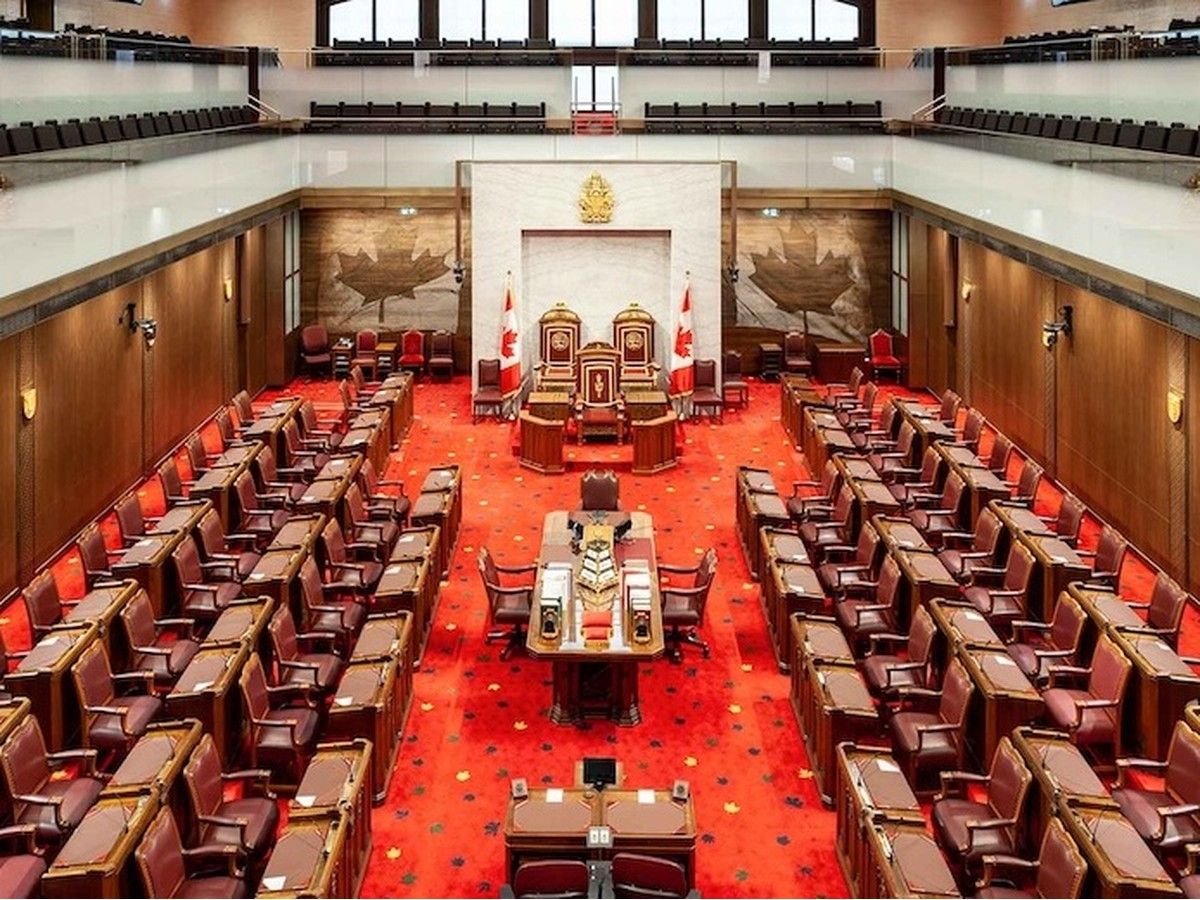
In the spring, Nunavut Sen. Nancy Karetak-Lindell tried to amend the Liberals’ anti-hate law, Bill C-9, to include residential school denialism. This would have made it illegal for anyone to engage in the “condoning, denying or downplaying” of residential schools, with a proposed maximum penalty of two years’ imprisonment.
Article content
Thankfully, a vote by the whole Senate threw out the amendment.
Article content
This wasn’t the first time a parliamentarian had tried to criminalize residential school denialism: NDP MP Leah Gazan tabled a similar bill in 2024, which never made it past first reading.
Article content
But on Wednesday, First Nations chiefs gathered at a press conference to once again push for a law that would criminalize denialism. The issue of Kamloops cropped up repeatedly, and while no one said it outright, the implication appears to be that denying that there are bodies at that particular former residential school amounts to denialism and should, therefore, be a crime.
Article content
Article content
Manitoba Keewatinowi Okimakanak Grand Chief Garrison Settee said he recently went to Kamloops. “I went to the sacred site where 215 anomalies were found. As my chief said: crime scene…. This is genocide. Not only cultural genocide. It is genocide, to try and get rid of a people deliberately.”
Article content
It is worthy of note that Settee talked of “215 anomalies” and not graves.
Article content
At the same press conference, B.C. Assembly of First Nations Regional Chief Terry Teegee referred to the 215 “findings” at a “grave site” in Kamloops.
Article content
If this kind of careful language had been used at the start of the Kamloops controversy, we would be having a very different public conversation.
Article content
Instead, in 2021, it was Tk’emlúps te Secwépemc Chief Rosanne Casimir who said in a statement that ground-penetrating radar had confirmed “the remains of 215 children who were students of the Kamloops Indian Residential School.”
Article content
“Some were as young as three years old,” she added.
Article content
This led to the explosive and inaccurate headline in The New York Times: ‘Horrible History’: Mass Grave of Indigenous Children Reported in Canada.





















/https%3A%2F%2Fsportsmole-media-prod.s3.gra.io.cloud.ovh.net%2Fuploads%2F2026%2F07%2Fdaniel-mcgregor-huyer-zuma-press-wire-luciano-gonzalez-anadolu-abacapress-com-estadio-azteca-harry-kane-jude-bellingham-composite-6a49eb8857b70695441164.png)
 Bengali (BD) ·
  English (US) ·