.png)
 3 days ago
5
3 days ago
5
On April 27, 2026, Marvel (via X @MarvelComicsHQ) confirmed the passing of the legendary comic writer and editor, Gerry Conway. This news shook many comic book fans who had either grown up with the creator’s works on both Marvel and DC‘s side of things, and those who revered his writing within the comic book industry.
On behalf of his family, we are sad to share that Gerry Conway has passed away. Gerry was a tremendous icon in comics who shaped pop culture itself. He was a dear friend, partner, and mentor, and our hearts are with his family and the millions he touched through his work. pic.twitter.com/jwUgdSdvnt
And the reverence was well earned, as throughout his long career, Conway dedicated his life to changing the landscape of comics for generations to come. Thus, we have ranked the writer’s five greatest contributions to the comic book industry based on the cultural and commercial impact it had on the media as a whole.
5 Redefining the Justice League of America
-

Credits: DC Comics
-

Credits: DC Comics
-

Credits: DC Comics


Even today, most creators who work on the Justice League comics tend to focus on the seven major iconic DC superheroes, which usually consist of Batman, Superman, Wonder Woman, Green Lantern, Aquaman, The Flash, and Martian Manhunter or Cyborg.
But during Conway’s eight-year run on Justice League of America #151–255, he used a rotating roster of both lesser-known and new characters, like Vixen, Vibe, and Gypsy, to interact and provide narrative points to further the story. This ended up giving the series and the flagship DC team a fresh, younger dynamic that was almost unheard of before.
4 Co-Creation of Iconic DC Characters
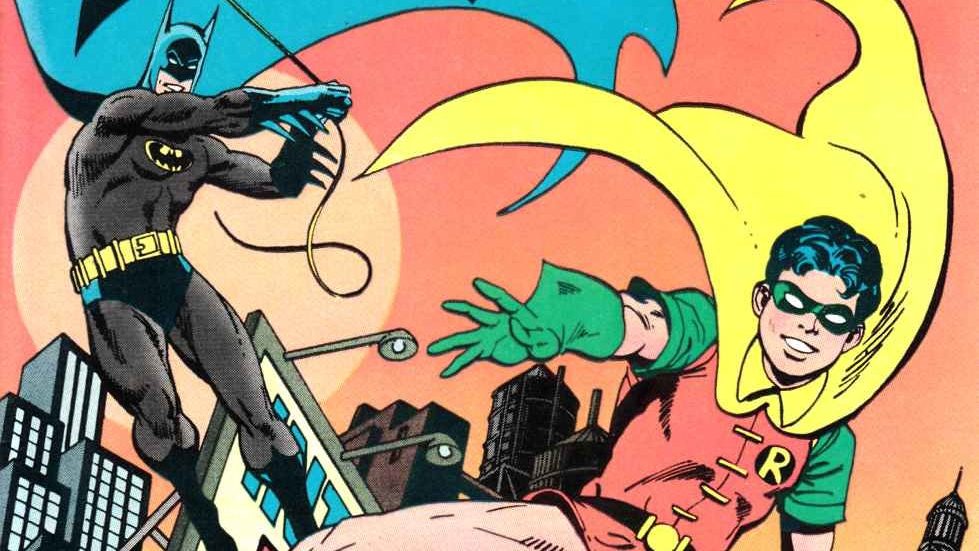 Cover page of Batman #368 | Credits: DC Comics
During his time working with DC in the 80s, along with working on the Justice League of America, he was also responsible for creating some of the most iconic DC characters that are still featured to this day. These include:
- Jason Todd: Making his first appearance in Batman #357 in 1983, Jason Todd was the second Robin after Dick Grayson became Nightwing. Conway co-created the character with artist Don Newton.
- Firestorm: First appearing in Firestorm the Nuclear Man #1 in 1978, before Jason Todd, Gerry Conway collaborated with artist Al Milgrom. This character was also featured in Justice League of America as one of its members. He was also a member of Extreme Justice, which is hailed as one of the most obscure DC teams in history.
- Killer Croc: One of the most well-known villains in DC Comics, Killer Croc was created by Conway in collaboration with artists Don Newton and Gene Colan, making his first appearance as a Batman villain in Detective Comics #523 in February, 1983.
3 Helped in Developing the Interconnected Marvel Universe
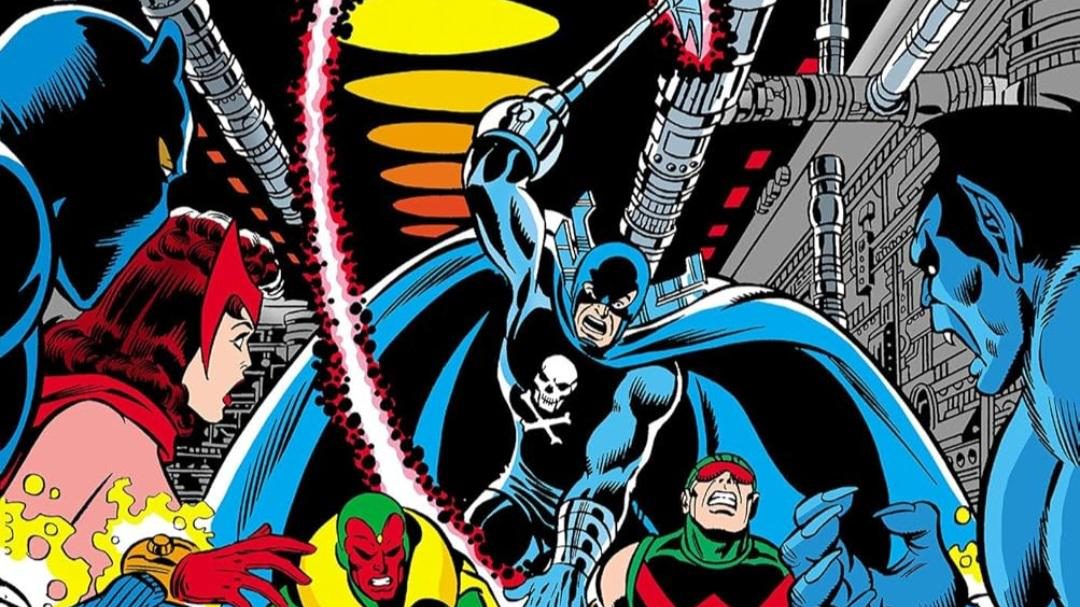 Cover page of The Avengers Omnibus Vol. 6 | Credits: Marvel Comics
 During his run on The Amazing Spider-Man in the ’70s, after succeeding Stan Lee, Conway didn’t just limit himself to one superhero, but used the title as a gateway into many crossovers with well-established characters from the Marvel Universe. From the Fantastic Four to The Avengers and X-Men, etc., Conway opened the floodgates for an interconnected comic book universe.
The writer’s influence went even further than just being constricted with one publisher, as he made several comics featuring characters from both Marvel and DC, most notably, being the co-creator of Superman vs. the Amazing Spider-Man in March 1976. This marked the first major, modern-day intercompany crossover between the two publishers, which also opened the way for Marvel / DC: Spider-Man / Superman #1 that was released recently.
2 Co-Created the Punisher for Marvel Comics
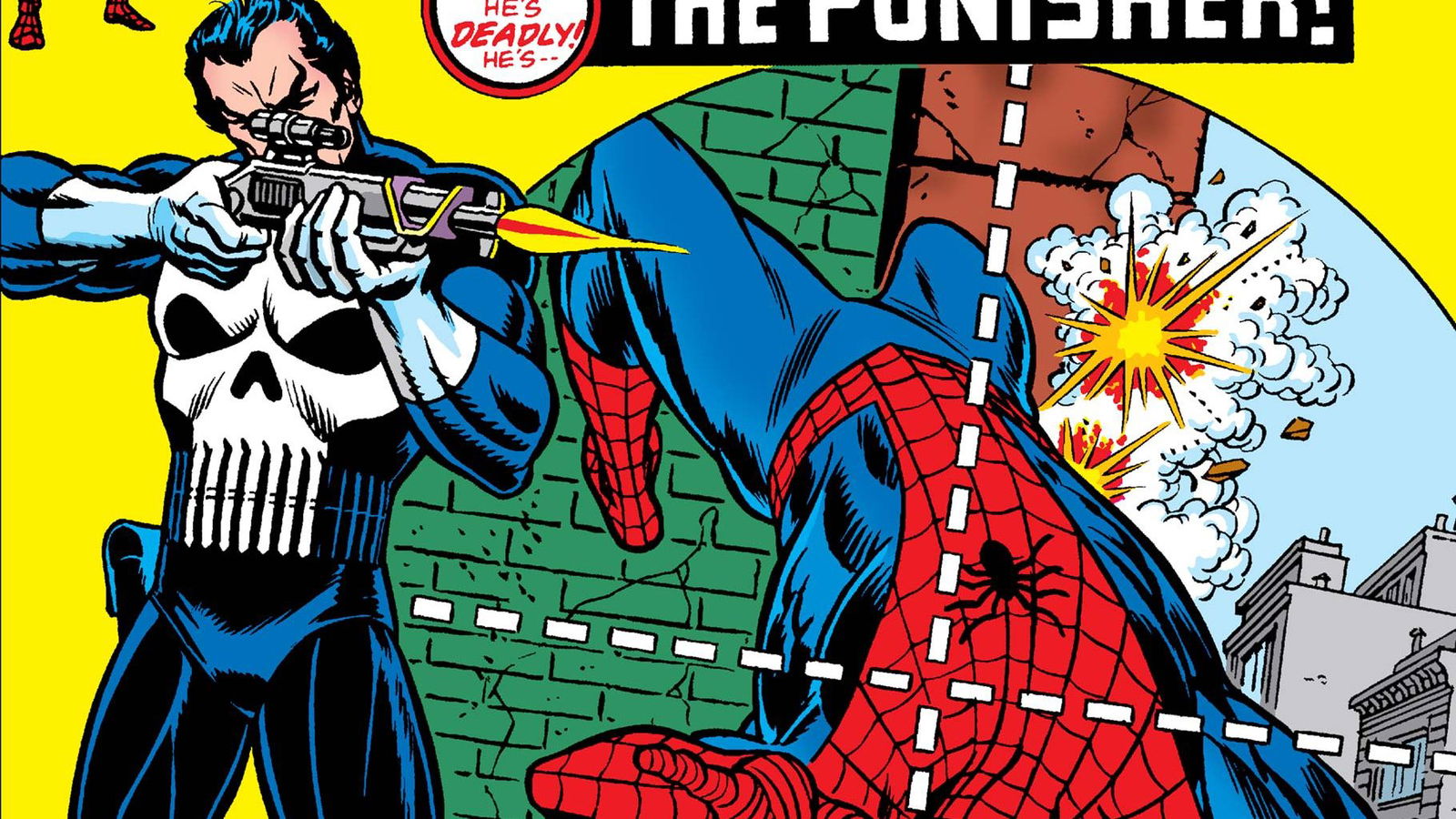 Cover page of The Amazing Spider-Man #129 | Credits: Marvel Comics
 The Punisher is the iconic anti-hero character that was created by Conway in collaboration with artists John Romita Sr. and Ross Andru, first introduced as a conflicted antagonist of Spider-Man in The Amazing Spider-Man #129, released in February 1974. The writer claimed that he was inspired by The Executioner, a popular book series created by author Don Pendleton that followed a similar storyline to Frank Castle’s backstory.
This was the beginning of the Bronze Age of Comics, as this was the first time the concept of a bloodthirsty anti-hero was ever fleshed out to its maximum potential, especially considering that before this, superheroes were never depicted as outright killing criminals. And thanks to the Punisher, an unseen and unfathomable level of grit and viscera was introduced into the comic book industry for years to come.
1 Writing the Most Crucial Spider-Man Storyline Ever
-

Credits: Marvel Comics
-

Credits: Marvel Comics
-

Credits: Marvel Comics


By far one of the most crucial storylines that marked the end of the Silver Age of Comics, Gerry Conway’s work on The Amazing Spider-Man series in the ’70s was a turning point for the entire comic industry. This happened specifically due to how the title introduced innovations and developed Marvel’s formula, refining and bringing it into its next evolutionary stage.
More specifically, ‘The Night Gwen Stacy Died,’ which was in The Amazing Spider-Man #121, had built up the titular protagonist to show how comics could be more than just campy. By killing Peter Parker’s main girlfriend, Gwen Stacy, Conway ended the Silver Age of comics, proving that superhero stories could have long-lasting, tragic consequences, forever changing the stakes of comic storytelling.
And the effects of that bold tonal shift can still be felt in comics today, where creators rely on Conway’s formula to create masterpieces.
Here’s an overview of writer and editor Gerry Conway’s career.
| Debut | 1969 (DC Comics’ House of Secrets #81) |
| Notable Works | Justice League of America, The Amazing Spider-Man, The Avengers. |
| Awards and Recognitions | Eisner Hall of Fame 2026 |
| Publishers | Marvel Comics, DC Comics, Disney Comics, Atlas Comics, Eclipse Comics |
Here’s an FAQ about Gerry Conway.
What was Gerry Conway’s age when he started in the comic industry?
When Gerry Conway began his writing career professionally in 1969 with DC Comics’ House of Secrets #81, he was 16 years old.
Was Gerry Conway the chief editor of Marvel Comics?
Yes, Gerry Conway succeeded Marv Wolfman as editor-in-chief of Marvel Comics in 1976.
Did Gerry Conway also write Star Trek?
Yes, Conway wrote the dailies of the syndicated newspaper comic strip Star Trek from February 14 to December 3, 1983, based upon the 1960s TV series.
Which is your favorite work of Gerry Conway? Tell us in the comments below.





















/https%3A%2F%2Fsportsmole-media-prod.s3.gra.io.cloud.ovh.net%2Fuploads%2F2026%2F02%2Fimago1072832028-1-1-6996d086195c8904803070.jpg)

 Bengali (BD) ·
  English (US) ·