.png)
 10 hours ago
10
10 hours ago
10
The Devil Wears Prada 2 has no real reason to exist. Well, at least in theory. The 2006 original already did the job, and did it well. The idea of coming back to Runway, then, appeared to be somewhat unnecessary. It would even risk spoiling what was almost perfect.
However, The Devil Wears Prada 2 is interesting in that it does not try to recreate that original balance. The world, after all, has changed a little too much for that to work. Even someone as powerful (and previously untouchable) as Miranda Priestly (Meryl Streep) can no longer operate from an unquestioned position of power. Rather than turning a blind eye to all that, the sequel structures itself upon them. It is a more reflective and often critical piece of work.
This piece discusses all the aspects that make the sequel better than the previous film, which is saying something, as the original was something of a marvel. In my opinion, the sequel reframes ambition and success in terms of how it deepens its central characters and raises the stakes of its world. This leads to a film that might not be as polished as it could have been, but is certainly much more realistic and therefore interesting.
Here, in a nutshell, everything you need to know about The Devil Wears Prada 2:
| Category | Details |
| Title | The Devil Wears Prada 2 |
| Genre | Comedy-drama |
| Director | David Frankel |
| Cast | Meryl Streep, Anne Hathaway, Emily Blunt, Stanley Tucci |
| Plot | The power balance shifts as Runway experiences digital revolution, with Miranda Priestly losing clout and Andy Sachs returning to an altered work environment. |
| IMDb rating (as of May 1, 2026) | 7.0/10 |
| Rotten Tomatoes (as of May 1, 2026) | 78% | N/A |
1 It Actually Has Something New to Say
 Andy Sachs in The Devil Wears Prada 2 | Credits: 20th Century Studios
What made the first one click was that the theme of ambition was distilled into a moral question. Succeed, but at what cost? The Devil Wears Prada 2 operates on a shakier and more contemporary ground. It takes into account the decline of the print media industry and all the fears of industries that now wonder who they are and what they represent.
Why does this matter? Because the challenge for Andy (Anne Hathaway) is no longer simply one of balancing a romance with an occupation in the sequel. It is one of maneuvering in a corporate culture in which all the boundaries have broken down. Prestige means nothing, power is in flux, and success seems transient at best.
The biggest difference from the original movie is that the concept of ambition is dynamic rather than idealistic. Success becomes a process of negotiation rather than a goal.
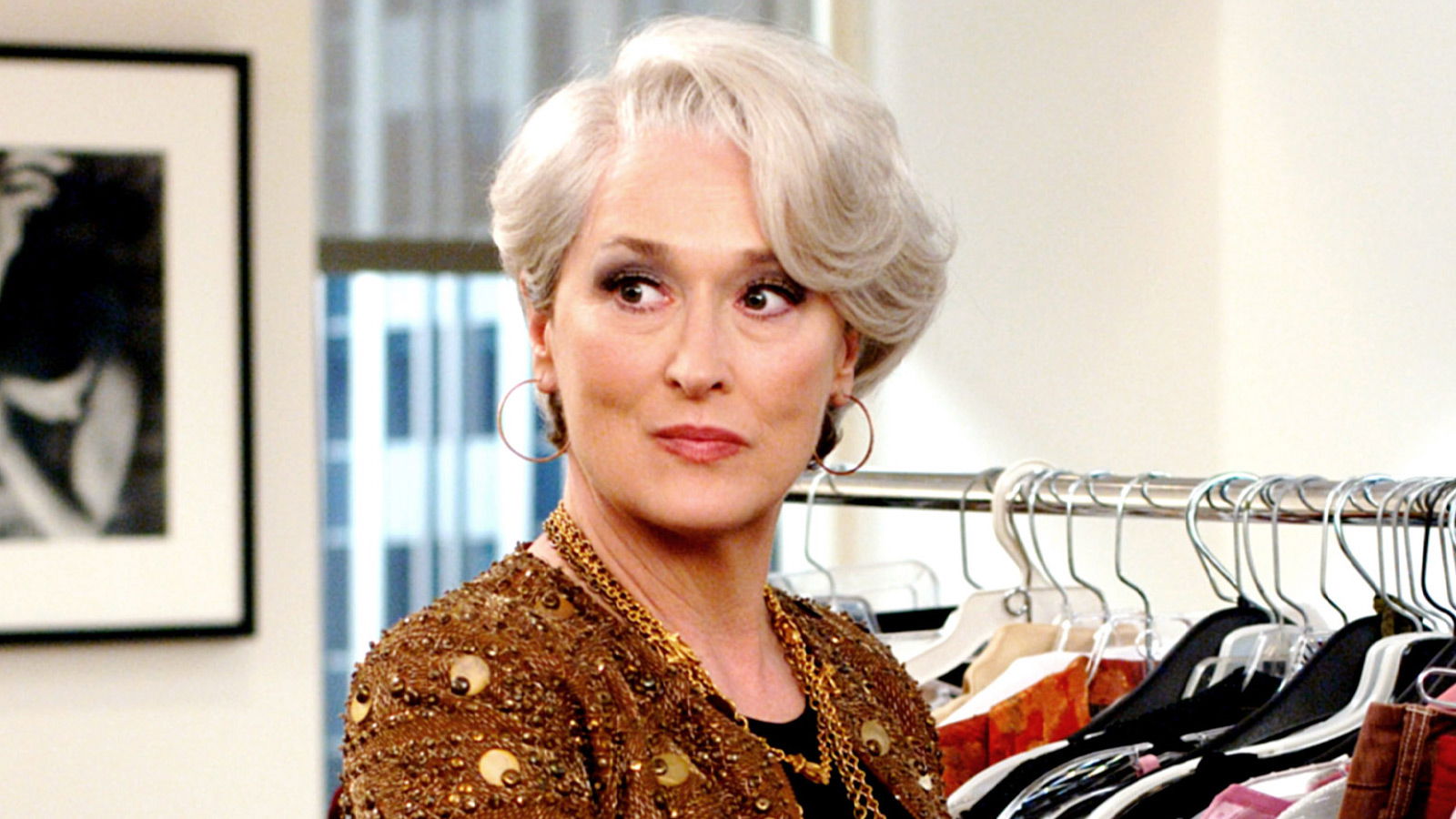
2 Miranda Priestly Is Finally Human
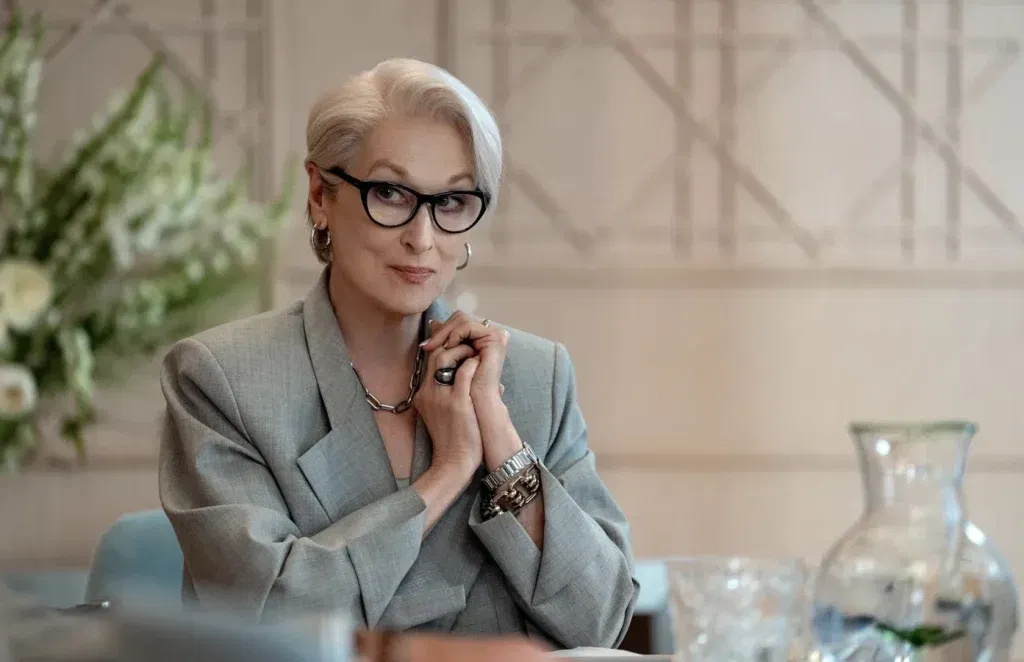 Miranda Priestly in The Devil Wears Prada 2 is not as untouchable as she was in the original | Credits: 20th Century Studios
Miranda Priestly was once almost mythical. She operated beyond consequences, fueled by her tastes, her power, and her intimidating persona. But that was an older version of Miranda, who existed before a time when gatekeepers governed culture.
In the sequel, she does remain intimidating. Yet the environment she operates within has shifted significantly enough for an element foreign to her previous incarnation to have entered her story: vulnerability. This does not mean weakness, exactly. But it does mean limitations.
It makes her much more intriguing to observe. Rather than dominating everyone within a ten-foot radius, she now finds herself forced to compromise and even yield. And through that act of submission, the movie shifts the idea of power from an attribute to a process of negotiation. Miranda has become subordinate to the system, rather than its ruler.
3 The Reunion Serves The Story
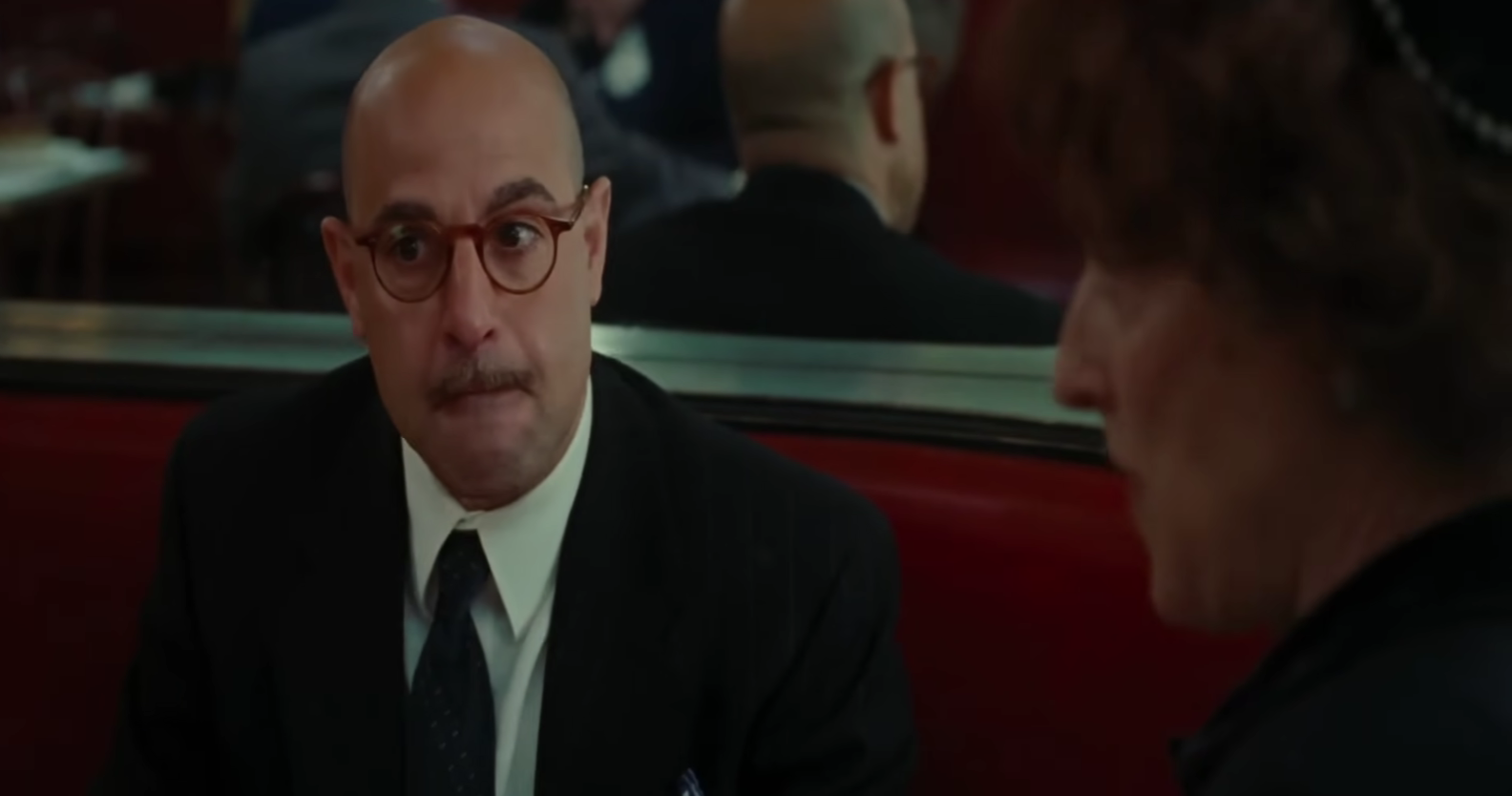
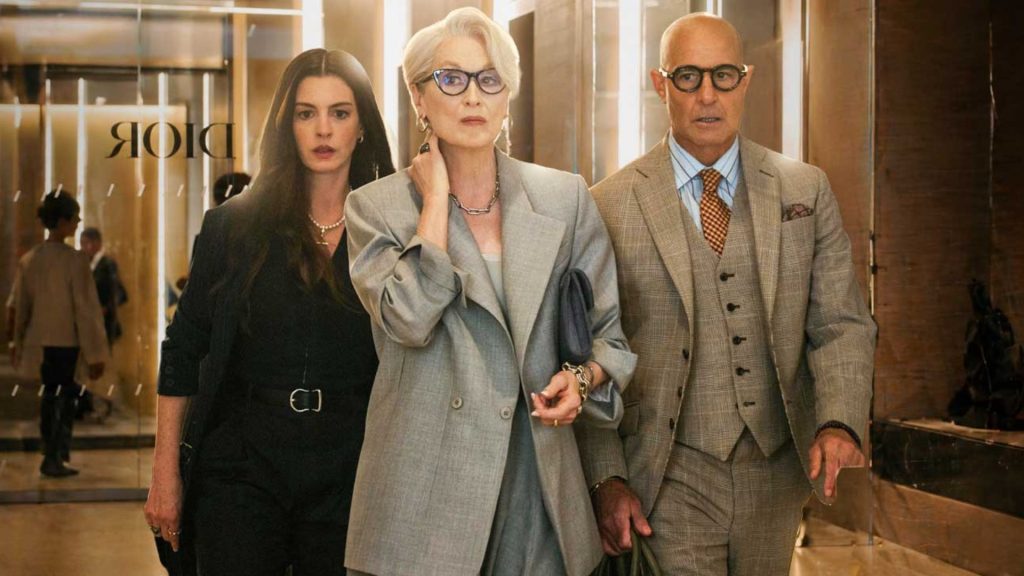 Anne Hathaway, Meryl Streep, and Stanley Tucci in The Devil Wears Prada 2 | Credits: 20th Century Studios
Legacy sequels tend to depend on recognition rather than progression. Old characters reappear but without any real purpose. In this case, the appearance of Meryl Streep, Anne Hathaway, Emily Blunt, and Stanley Tucci contributes to the development of the plot.
The return of Andy to Runway can hardly be viewed as a reversal of her original decision (to quit her job at Runway). The experience probably made her realize that there are no purely good or evil businesses, and walking away is not always the same as moving forward.
The story of Emily, likewise, has more gravity. Where it was once marked by ambition and tiredness, she has become an embodiment of what it means to survive in such a world. The skillful thing about this sequel is that it avoids drawing neat conclusions for each of these character arcs. Instead, it understands development as continuous and complex. This makes the characters seem more human as they struggle to make sense of their experiences.
4 It Speaks to a More Mature Audience
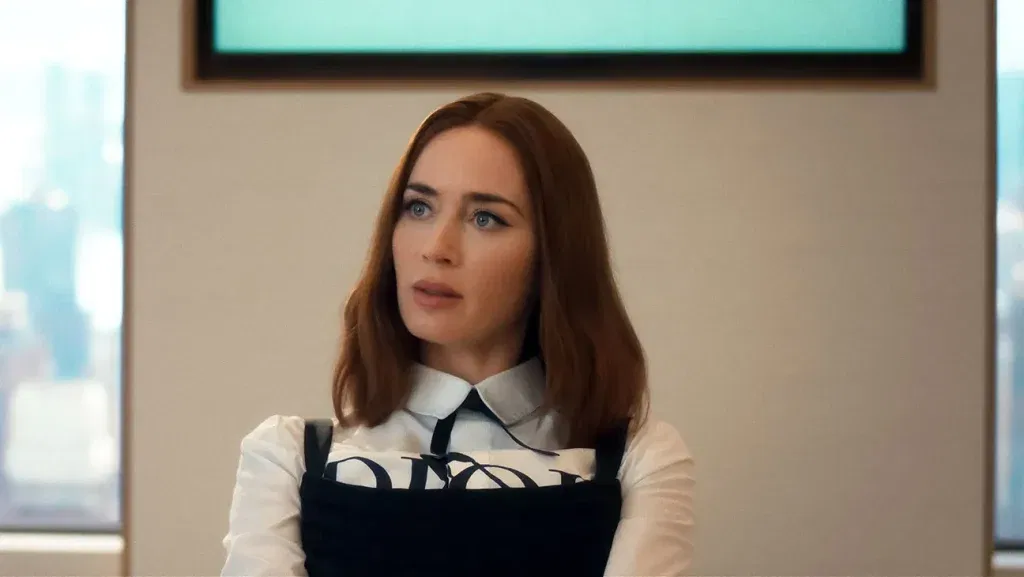 Emily Blunt as Emily Charlton in The Devil Wears Prada 2 | Credits: 20th Century Studios
The original did a great job of capturing the fears of a new career. The Devil Wears Prada 2, though, moves into a more complex phase of life. Enough years have passed within the timeline of the franchise that it can explore burnout and the dread of becoming irrelevant. These conflicts are more relatable for an audience that has also grown older alongside Andy and others.
This also shifts the emotional core of the story. The story is no longer about entering the workforce. It is about staying and surviving in it, and also adapting to a rapidly transforming industry.
Oh, and it is also about whether it was ever worth it in the first place. Why is this shift so effective? Because it transforms the feeling of constant growth and forward movement in the original into that of a cycle and uncertainty. The film leans heavily into these shifts.
5 The Stakes Are Bigger and More Real
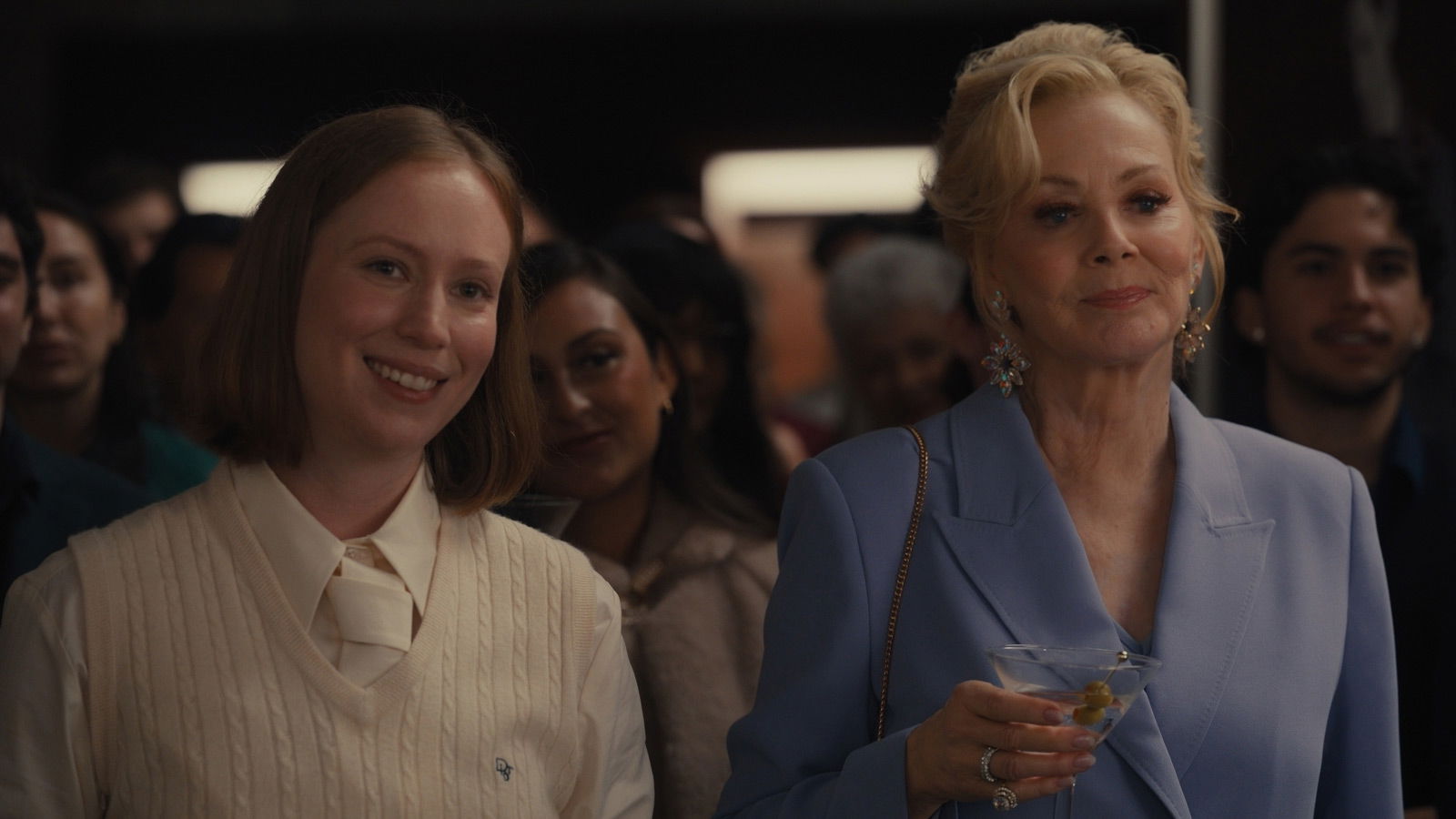
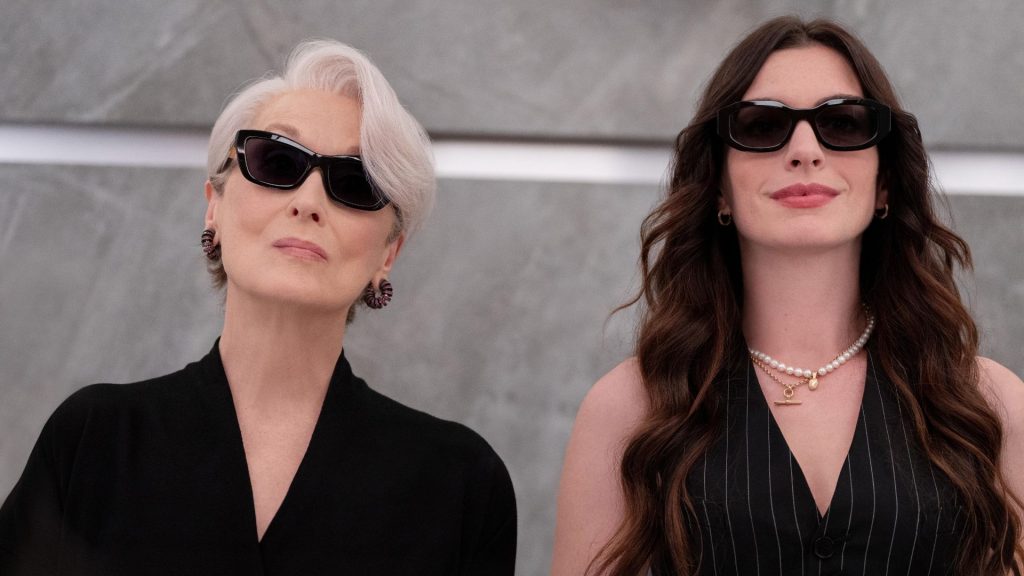 Miranda Priestly (Meryl Streep) and Andy Sachs (Anne Hathaway) in The Devil Wears Prada 2 | Credits: 20th Century Studios
In the original, the stakes were more intimate to some extent. For example, we dealt with Andy’s sense of self, her professional integrity, relationships, and similar stuff. The world of Runway, though demanding, was ultimately stable. It would go on, with or without Andy.
The Devil Wears Prada 2, however, removes that safety net. Runway itself is no longer guaranteed to survive. There is financial instability, corporate interference, erosion of traditional media models, and so on. The story is no longer about just individuals (like Andy) succeeding or failing. It is about whether the system as a whole can endure.
This progression adds another layer to the story. The success attained is fragile and not just an ambition anymore. Authority is not complete anymore. Also, the polished facade of the franchise becomes cracked, but what appears underneath is something far more interesting. With the linking of the idea of individual success to the idea of institutional breakdown, the film creates an element of contingency in success that was not present in the original.
The following are the answers to questions you might have about The Devil Wears Prada 2:
What is The Devil Wears Prada 2 about?
The Devil Wears Prada 2 explores how the fashion and media world has evolved in the digital age. The story follows Miranda Priestly as she deals with her declining influence. Her former assistant Andy Sachs returns to a transformed industry with very different rules.
Is the original cast returning for the sequel?
Yes, the core cast returns, including Meryl Streep, Anne Hathaway, Emily Blunt, and Stanley Tucci.
How is The Devil Wears Prada 2 different from the original?
Whereas the original The Devil Wears Prada was about ambitions in the early stages of one’s career and compromise in life, the sequel is about mid-career issues such as reinventing oneself, relevance, and the death of traditional media. This raises the bar from individual concerns to broader industry-wide transformation.
What do you think, does The Devil Wears Prada 2 really outdo the original? Tell us in the comments.
The Devil Wears Prada 2 is now out in theaters!
















/https%3A%2F%2Fsportsmole-media-prod.s3.gra.io.cloud.ovh.net%2Fuploads%2F2026%2F02%2Fimago1072832028-1-1-6996d086195c8904803070.jpg)
 Bengali (BD) ·
  English (US) ·