.png)
 1 week ago
11
1 week ago
11
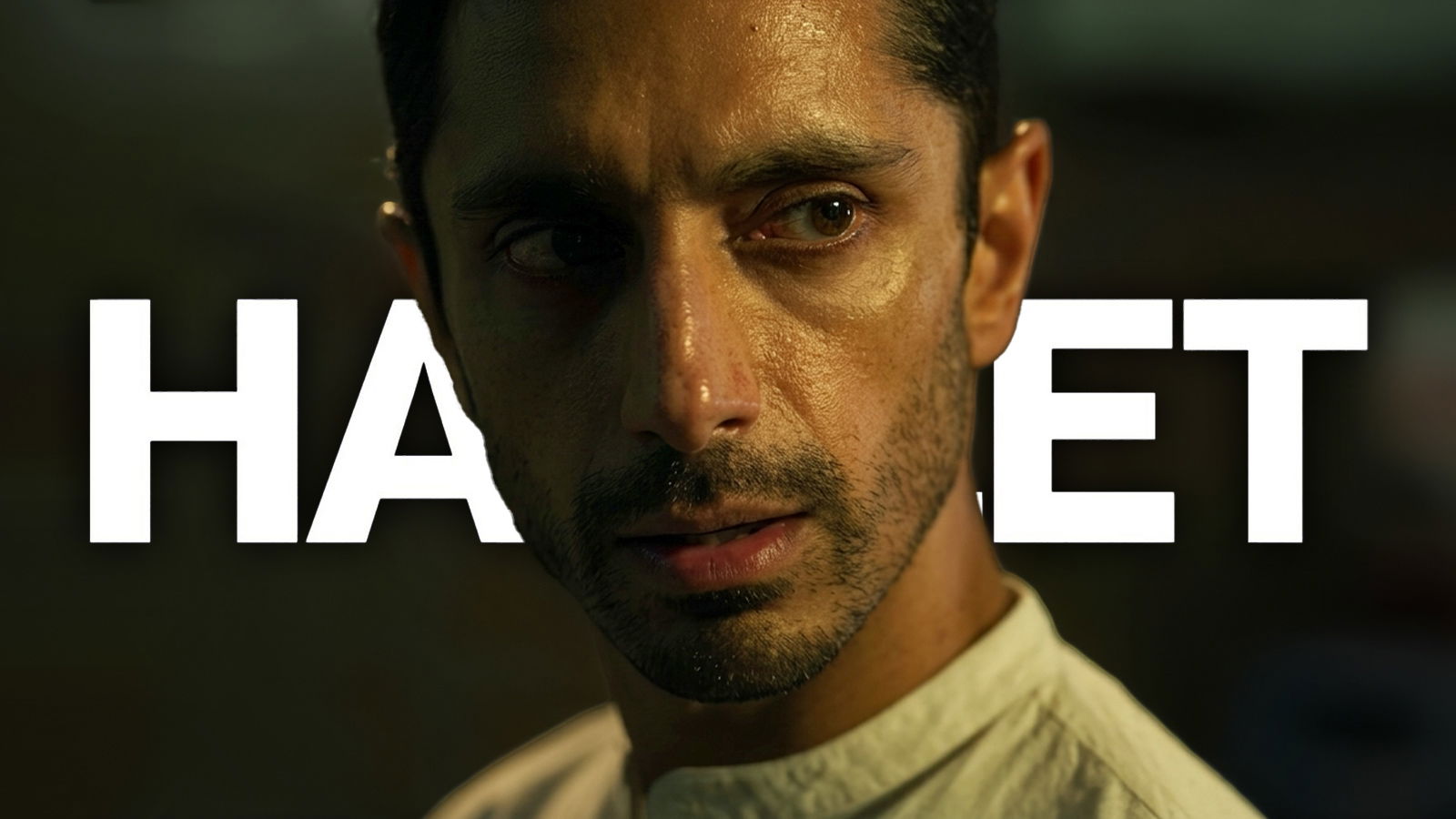
Riz Ahmed has proven his value as a special talent, and his presence alone is often a reason to check out his films. The Oscar-nominated actor (and Oscar-winner for Live Action Short) pushes the industry in ways few other actors have in recent years. An adaptation of Hamlet (2025), built around his talent and raw emotional skill, makes for an intriguing project on paper. However, the experience does not live up to his vulnerable performance.
What is Hamlet about?
Adapting the idea of the iconic play by Shakespeare, the 2025 Hamlet comes from director Aneil Karia and is written by Michael Lesslie. Rather than leave the film in Denmark, Lesslie sets this version in contemporary London, where the “prince” is elevated as a member of London’s high society. Set after the death of his father (Avijit Dutt), Hamlet (Ahmed) struggles with his mother’s willingness to remarry so quickly.

When he sees a vision of his father’s ghost, Hamlet starts to come unglued from reality. Pulling from Hindu religious imagery and customs, we dive into the marriage between Claudius (Art Malik) and Gertrude (Sheeba Chaddha). Trying to ground the Prince, Ophelia (Morfydd Clark), Laertes (Joe Alwyn), and Polonius (Timothy Spall) find themselves with a chance to change their family’s fortune.
Ahmed plays an incredibly volatile Hamlet.
It is not uncommon to see a performance of Hamlet where the titular character is fully consumed by his grief. The very idea was made obvious in Hamnet, just this past year. However, Ahmed plays the character like a raw nerve, and his livewire performance instantly stands out because of the complete breakdown he’s experiencing. Ahmed is stellar, and he plays with the emotions of the iconic character in ways that feel modern and urgent.
Unfortunately, the rest of the cast does not quite reach the highs of the Oscar-nominated actor. He’s surrounded by talented figures, including a rather good Timothy Spall. Given his role, he does not have the most time, but he is an effective Shakespearean actor when called upon. However, both Morfydd Clark and Joe Alwyn feel actively miscast. Neither brings the urgency of their characters to the screen, in part because Hamlet is more interested in its title character. However, Karia could also dive into the racial dynamics of the world they inhabit, and the movie feels flat in this regard.
Art Malik has very little to do in Hamlet, despite being Claudius. In Karia’s version, the character is shoved into the background, and it eventually causes us to lose the intense hatred we should feel for the character. Gertrude (Sheeba Chaddha) has her moments in this version of Hamlet. Chaddha certainly embodies the pain of a woman trapped between grief and trying to secure her future. Yet, because of the design of this adaptation, she feels undercooked compared to other versions of the story.
The setting is brilliant, but using Shakespearean language undermines the experience.
Perhaps the most frustrating aspect of Karia’s Hamlet is the diametrically opposed visuals and language. The clash between old-world speaking and modernity should be a slam dunk as a generational story. Hamlet has always partially functioned as a generational clash, but this idea fades into the background with Ahmed’s commitment to portraying Hamlet as a raw nerve. The camera is no longer focused on drawing out the larger themes in the story, instead focusing on the incredible hyperemotional performance through continual close-ups and an ever-moving camera. However, when you do this, your high-concept ideas that populate the world suddenly feel meaningless.

Hamlet can certainly be a play where the audience draws their own inferences and themes. The text is that rich and always has been. However, once you commit to the performance aspect, the use of the Shakespearean language feels more distracting than effective. If anything, it limits the performances, which we see in both Alwyn and Clark. The performers can certainly handle period language (after all, The Favourite and Rings of Power forced them to commit to it before). But when they aren’t given the space to explore the language, these points become meaningless.
The only visuals that really stand out in the modern setting are those from the play within the play scenes. In these moments, Karia actually takes advantage of the culture clash setting and the traditional storytelling it crafts. The non-verbal but brilliant dance moves are alluring and stand out in ways that Ahmed’s speaking to his father’s ghost never does.
Even the “To be or not to be” soliloquy, while equally reckless as Hamnet‘s edition, feels out of place. When the scene in question often has half of Ahmed’s face out of view, it feels like Karia was more focused on the concept than the execution of the scene. Unfortunately, that exact feeling comes up way too much in this adaptation for its own good.
Is Hamlet worth watching?
If you’re a Riz Ahmed fan, then yes. It’s the kind of performance that ultimately highlights just how talented he is as a performer. However, if you’re not in the mood for an esoteric Shakespearean adaptation, then it’s an easy skip. Hamlet is here for the Riz completionists, and that will ultimately be its legacy. Too many of Karia’s other ideas are too half-baked to feel like anything approaching a coherent experience.
Hamlet releases in theaters April 10, 2026. Vertical Entertainment distributes.
Hamlet Review: Riz Ahmed Goes For Broke, But the Movie Does Not Follow His Commitment
While Riz Ahmed gives an incredible performance, the movie around him does not rise to his level. Frustrating performances from the other members of the cast become obvious. However, the clash between modernity and Shakespearian language undercuts the experience.


























 Bengali (BD) ·
  English (US) ·