.png)
 1 week ago
15
1 week ago
15
Article content
Last October, Gates published a lengthy blog post suggesting that maybe this view had been a bit too hasty.
Article content
He rejected the idea that climate change was an existential threat, or even that it should be humanity’s chief concern.
Article content
“People will be able to live and thrive in most places on Earth for the foreseeable future,” wrote Gates, adding that “human welfare” was ultimately more important than emissions reduction or temperature change.
Article content
The Intergovernmental Panel on Climate Change, arguably the world’s most cited body on the issue, has also recently dealt a blow to the more extremist pronouncements of climate activists.
Article content
In 2011, the IPCC drew up a set of four hypothethical scenarios outlining the possible future of a warmed planet. The worst, known as RCP8.5, forecast temperature increases of as much as five degrees Celsius compared to pre-industrial carbon levels.
Article content
But according to a new paper published in the journal Geoscienific Model Development, this scenario is now scheduled for deletion as its conditions “have become implausible, based on trends in the costs of renewables, the emergence of climate policy and recent emission trends.”
Article content
Article content
As a teenager, climate activist Greta Thunberg became Time magazine’s person of the year in 2019 for, in their words, being “the biggest voice on the biggest issue facing the planet.”
Article content
And unlike most others in the climate advocacy field, Thunberg was personally quite disciplined about keeping her carbon budget low. When she came to Canada for a 2019 tour she refused to fly, opting instead to cross the Atlantic by sail.
Article content
Now, the Swede mostly spends her time on a range of leftist causes ranging from migration to anti-Israel campaigns, and is much more agnostic about burning large quantities of fossil fuels to do so.
Article content
This included a particularly ironic moment in February in which she campaigned for more fossil fuels to be sent to Cuba. Specifically, she came out against a U.S.-led oil blockade on the island, leading to some of the country’s worst-ever fuel shortages.
Article content
Climate change isn’t even being mentioned at the Academy Awards anymore. As noted by the Los Angeles Times, the March Oscars ceremony didn’t see emissions or the environment raised in a single acceptance speech.
Article content
Article content
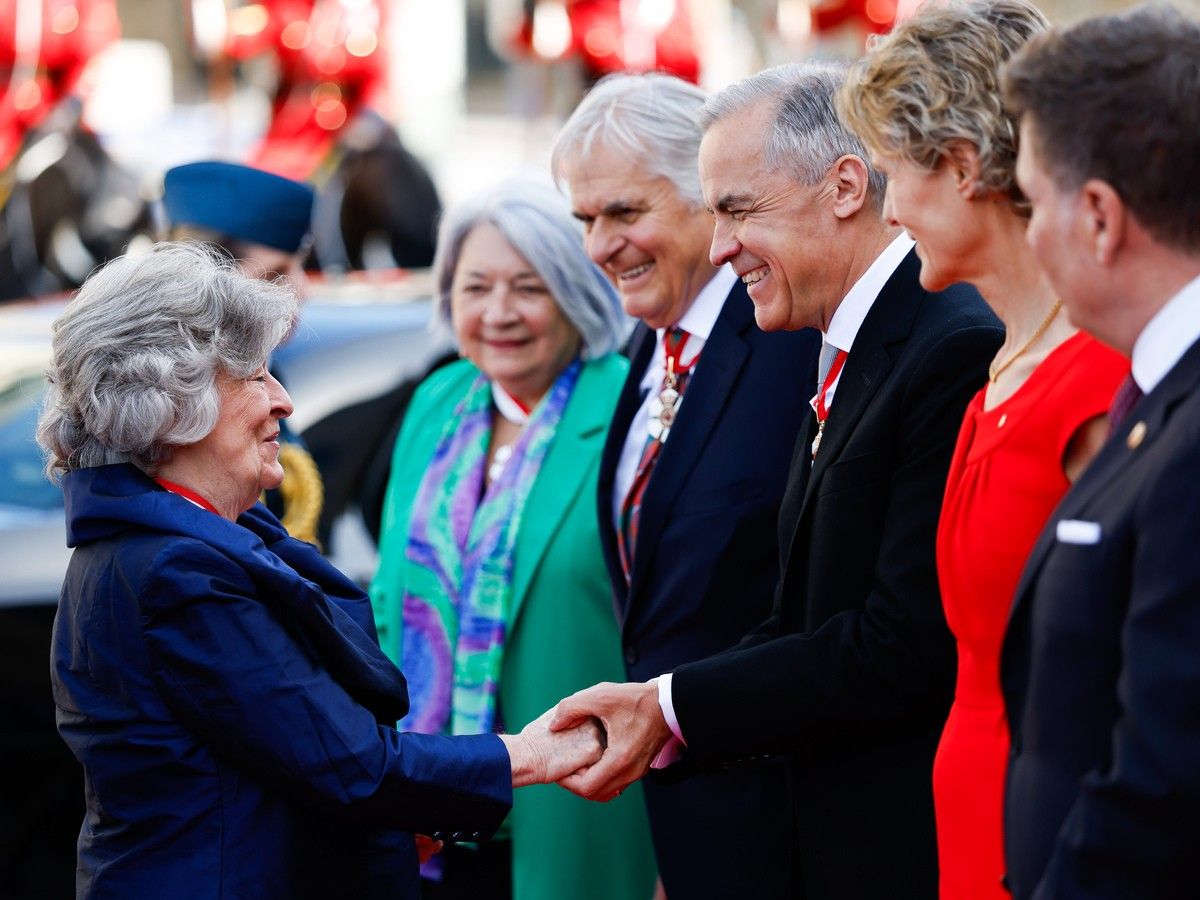
But arguably one of the world’s most dramatic examples of a public figure seeming to change their mind on climate change sits in the prime minister’s office.
Article content
Only five years ago, climate change advocacy was one of Carney’s main job descriptions.
Article content
After leaving the governorship of the Bank of England, Carney was appointed the UN Special Envoy on Climate Action and Finance and headed up the Glasgow Financial Alliance for Net Zero, a consortium of more than 140 banks pledging to invest their billions towards a global economy purged of fossil fuels by 2050.
Article content
When Carney appeared before House of Commons committees or in interviews with Canadian media, it was usually about climate change.
Article content
His 2021 book Values is a paean to aggressive climate change policy, with a particular emphasis on carbon pricing.
Article content
“The Canadian federal carbon pricing framework is a model for others,” writes Carney of the policy he would personally destroy.
Article content
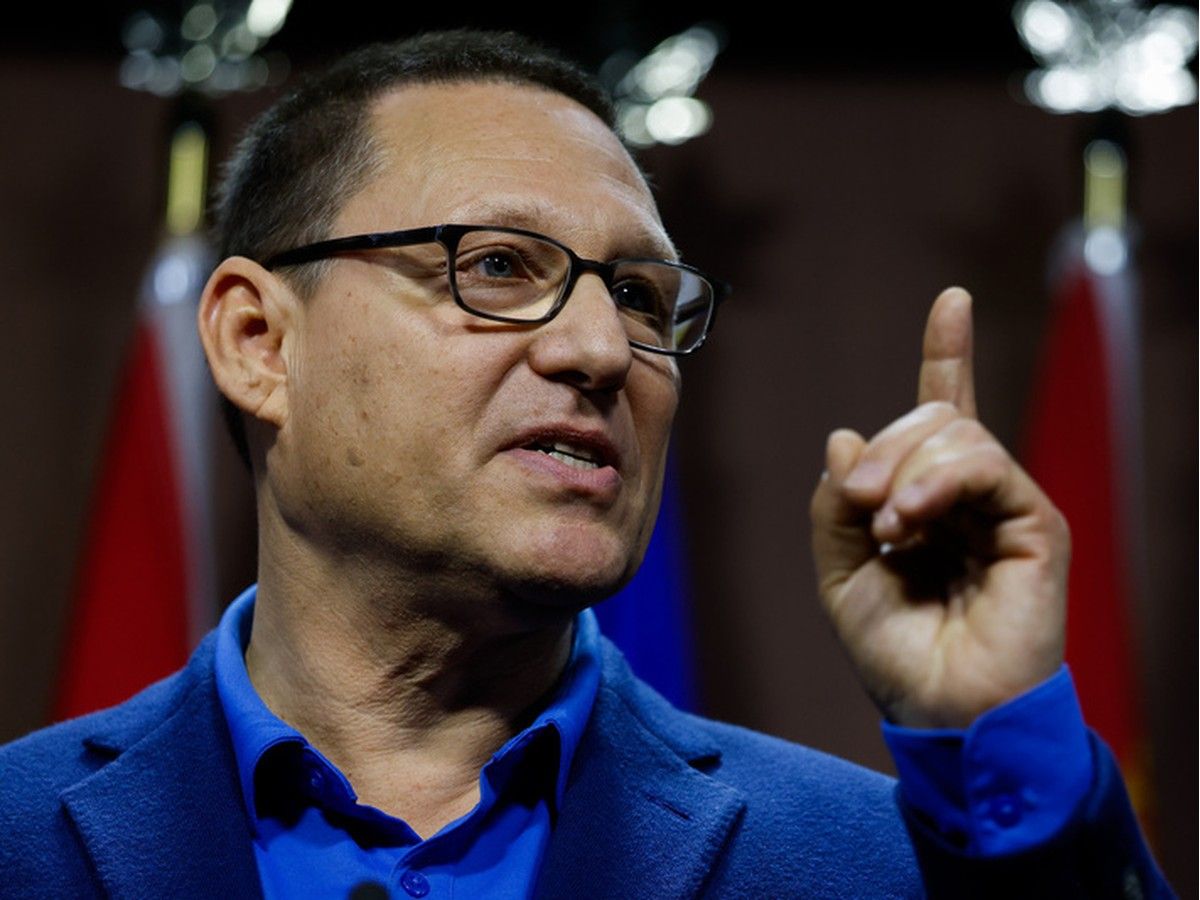
Upon Guilbeault announcing his resignation this week, Green Party Leader Elizabeth May joined him in expressing confusion about the state of the Canadian climate change agenda.
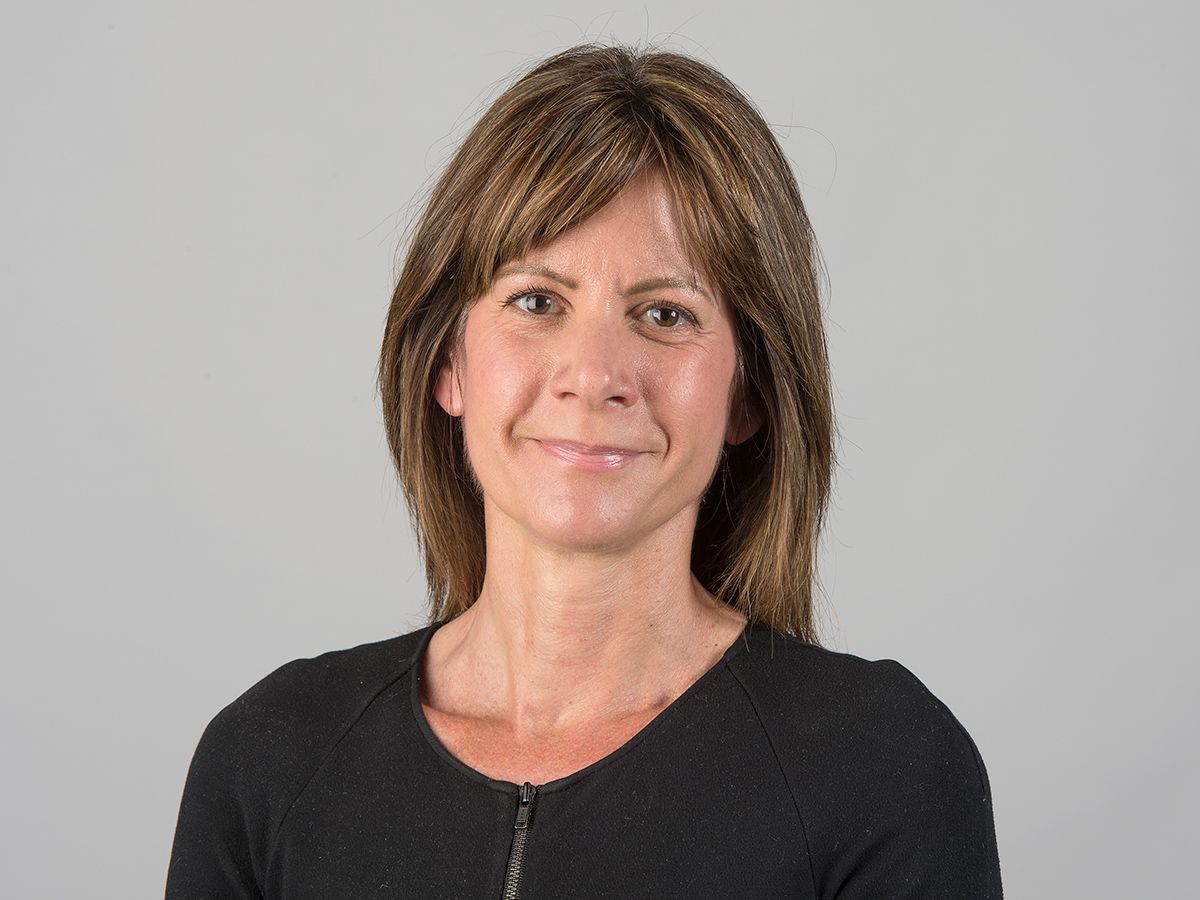
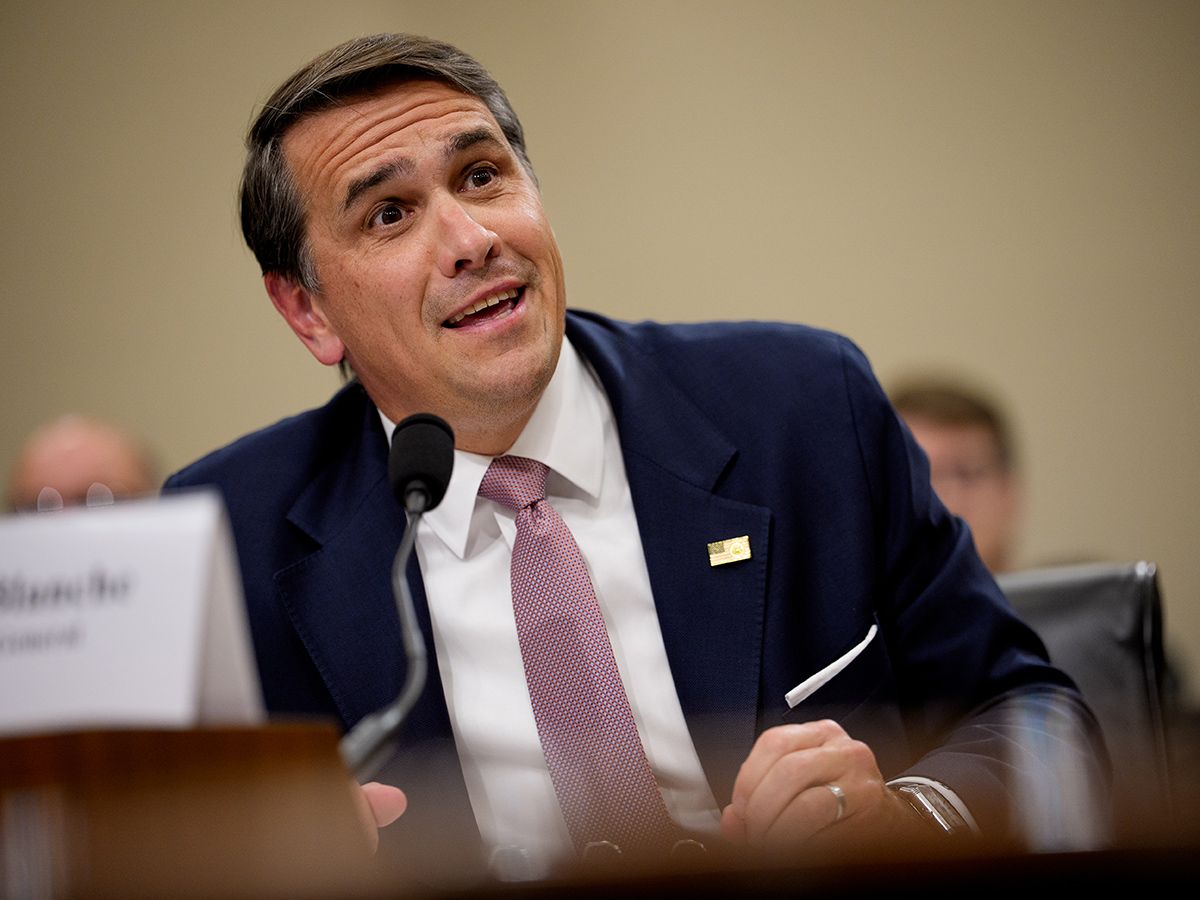
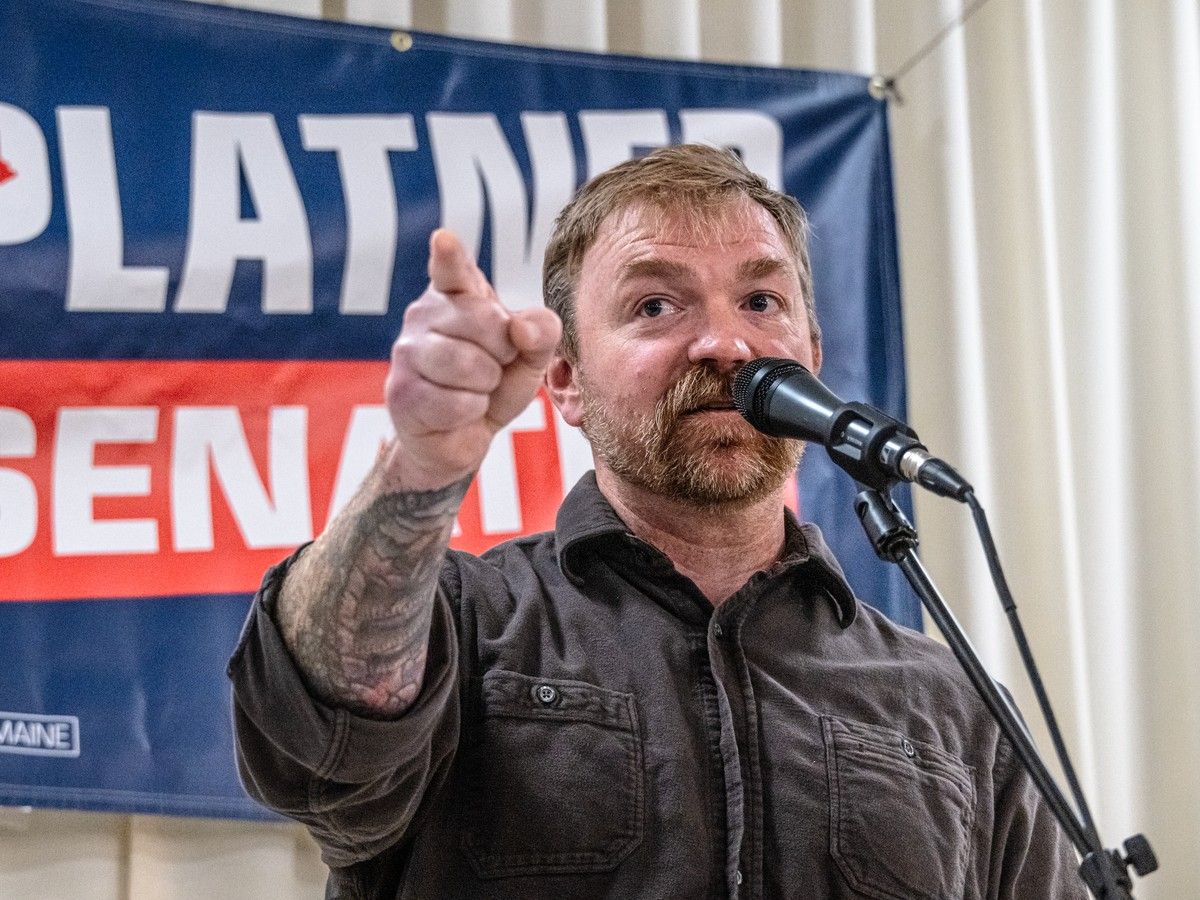
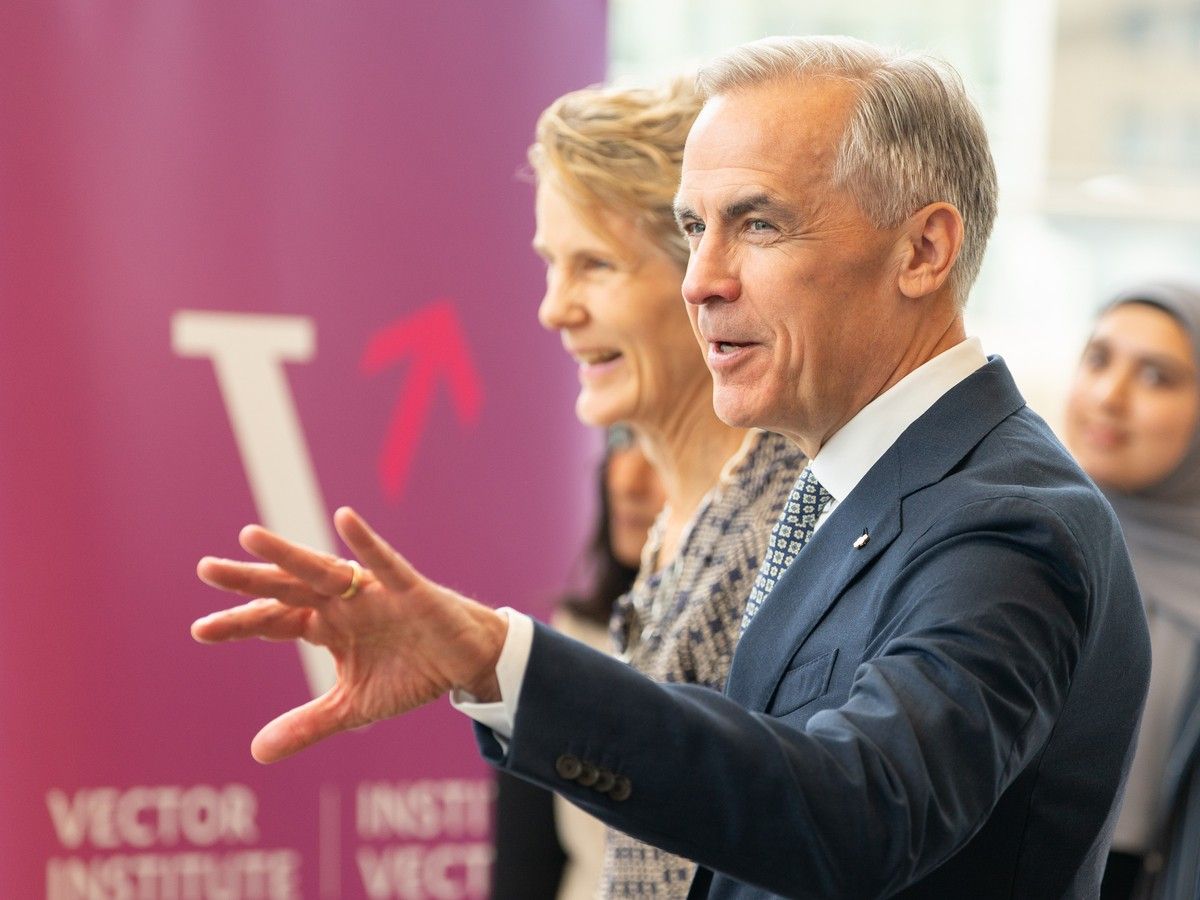




















/https%3A%2F%2Fsportsmole-media-prod.s3.gra.io.cloud.ovh.net%2Fuploads%2F2026%2F05%2Fns-collage-background-v2-email-3-6a086d6eaa1a0057506880.jpg)
 Bengali (BD) ·
  English (US) ·