.png)
 23 hours ago
12
23 hours ago
12
Spoiler Alert !!!
Spoiler Alert for Euphoria Season 3 Episode 3!
Euphoria Season 3 Episode 3 does not attempt to comfort or distract. It moves directly into consequence, building on the emotional fractures established in earlier episodes. Euphoria Season 3 Episode 2 already hinted at instability: Nate’s financial troubles were surfacing, Cassie was clinging to a version of happiness that looked forced, and Rue had begun stepping into a far more dangerous role within an underground network.
Euphoria Season 3 Episode 3 takes those threads and tightens them. Instead of gradually escalating tension, it places every character in situations where denial is no longer sustainable. The inclusion of Jules’ past is not just background storytelling; it establishes a pattern of control, vulnerability, and transactional relationships that mirrors what unfolds in the present.
Euphoria Season 3 Episode 3 Recap: Jules’ Backstory, Rue’s Arc, and Nate’s Wedding Breakdown
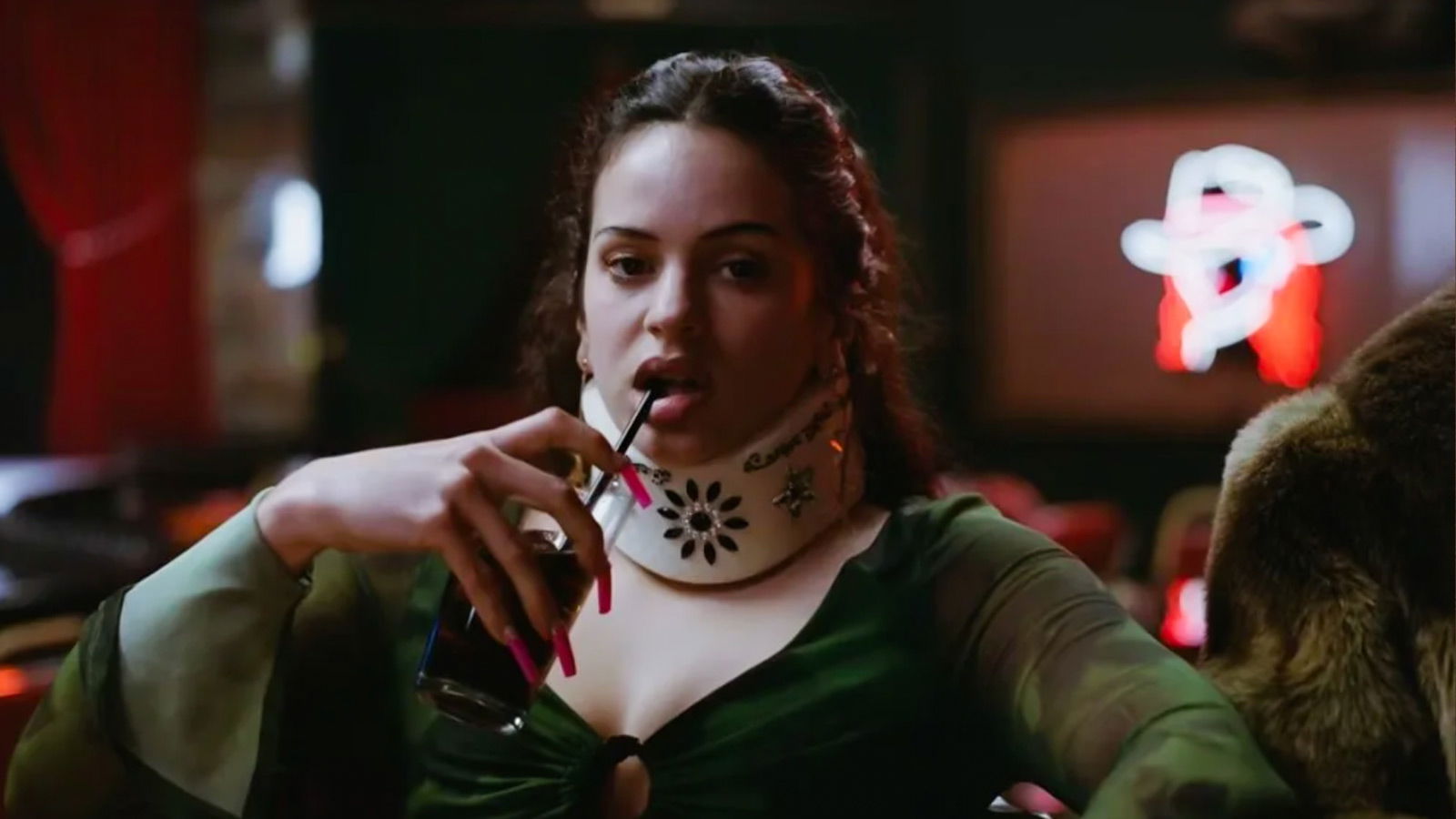
HBO Max’s Euphoria Season 3 Episode 3 begins with a flashback to Jules’ time at art school, where she enters the sugar dating world. The setup initially appears transactional and manageable, framed as a financial shortcut rather than a moral dilemma. However, the narrative shifts once Ellis, a plastic surgeon, becomes involved. Ellis does not approach the relationship as a conventional arrangement in Euphoria Season 3.
Instead, he treats Jules as a subject of fascination, analyzing her transition with clinical detachment. His statement, “I do what God couldn’t,” establishes a clear power imbalance rooted in control and superiority. The dynamic becomes more disturbing when he places Jules in a restrained position, wrapping her in cellophane while observing her body as if it were an object. Jules’ decision to abandon art school and rely entirely on Ellis underscores how quickly dependency can replace independence.
Rue’s (Zendaya) storyline reflects a different form of entrapment. She is no longer positioned as a passive participant in her circumstances. Instead, she operates within an illegal system, selling weapons and facilitating transactions with a level of detachment that suggests normalization. Her narration about the distribution of weapons highlights a moral shift. Rather than expressing conflict, she presents the situation as a logistical reality. This tonal choice reinforces how deeply she has adapted to her environment.
The interaction with Alamo further emphasizes the tensions. When Rue expresses a desire to eventually transition into legitimate work, Alamo interprets it as a rejection of the system that enabled her rise. His argument that illegal economies often become legalized structures controlled by authority figures adds a broader commentary on systemic cycles.
The mission involving Laurie’s bird serves as a symbolic escalation. While the act itself appears minor, it represents targeted retaliation within an ongoing conflict. Rue’s participation without hesitation indicates that her role has evolved beyond survival into active involvement. The wedding sequence is constructed with deliberate contrast. Visually, it aligns with Cassie’s expectations of perfection.
The setting includes elaborate floral arrangements, stylized costumes, and excessive displays of wealth. However, the underlying tension is evident from the outset. Nate’s absence the night before the ceremony signals instability, while Cassie’s insistence on happiness appears performative. Her repeated claims that this is the best day of her life function as reinforcement rather than genuine expression.
Cassie’s mother introduces a critical perspective during the walk down the aisle. Her reflection on her own marriage highlights how initial optimism can conceal long-term consequences. This moment reframes the ceremony, shifting it from celebration to cautionary parallel.
The ceremony itself briefly suggests authenticity. The exchange of vows and the couple’s initial interaction create a momentary sense of connection. However, this is quickly undermined during the reception, where Nate’s financial liabilities are exposed. The confrontation involving Nas and the accusations directed at Cassie disrupt the constructed narrative of success. Public perception shifts immediately, and the event transitions from controlled presentation to open conflict.
Cassie’s refusal to acknowledge the situation demonstrates a reliance on denial even when evidence is unavoidable.
Euphoria Season 3 Episode 3 Ending Explained: Nate’s Violence, Cassie’s Realization, and Rue’s Arrest
Euphoria Season 3 Episode 3 concludes Nate’s arc with direct confrontation. After leaving the wedding, Nate attempts to reassure Cassie, maintaining the perception of control. However, this perception collapses upon arriving home, where Nas and his associates are waiting. The attack is immediate and decisive. Nate is physically overpowered, and the removal of his pinky toe serves as a calculated act of intimidation rather than random violence.
This moment establishes that Nate’s financial decisions have resulted in consequences that cannot be negotiated or delayed. The sequence removes any ambiguity about Nate’s position. He is no longer operating from a place of dominance. Instead, he becomes subject to forces that dictate terms through violence. Cassie’s (Sydney Sweeney) response to the situation highlights her emotional disconnect from the circumstances.
Throughout the episode, she prioritizes the idea of a perfect wedding over the underlying issues within her relationship. During the attack, her focus remains on the failure of the event rather than the severity of Nate’s condition. This reaction underscores the extent to which her expectations were tied to appearance rather than substance. Nas’s statement, “some women inherit wealth, but others inherit debt,” functions as a direct summary of her situation.
Parallel to the events surrounding the wedding, Rue’s storyline reaches a critical point. While traveling after completing the assignment for Alamo, she is stopped by the DEA. This development introduces a new level of consequence. Rue’s activities have expanded beyond personal risk into federal scrutiny. The encounter indicates that her involvement in illegal operations has reached a scale that attracts institutional attention.
The final scene, in which Laurie’s bird consumes poisoned water and dies, serves as a symbolic conclusion. The bird represents vulnerability within a controlled environment. Its death reflects the broader theme of unseen consequences. Actions taken in secrecy, such as the poisoning, produce outcomes that extend beyond immediate observation.
Additionally, the scene reinforces the ongoing conflict between Laurie and Alamo. While the act appears minor, it signifies an escalation that is likely to produce further retaliation. Euphoria Season 3 Episode 3 removes any remaining ambiguity about the direction of the season. Each storyline now operates within a framework of consequence rather than possibility.
Nate’s loss of control, Cassie’s incomplete realization, and Rue’s exposure to law enforcement collectively establish a trajectory that is unlikely to reverse. Does this episode represent a turning point for these characters, or does it simply confirm patterns that have been present from the beginning? And more importantly, can any of them realistically alter their course after these developments?
Comment below and for more detailed recaps and analysis, follow FandomWire!
Euphoria Season 3 Episode 3 is currently streaming on HBO Max.


























 Bengali (BD) ·
  English (US) ·