.png)
 2 hours ago
8
2 hours ago
8

Article content
A new government report, which analyzes recent survey data gathered on gender-based issues, has indirectly confirmed that Canadian support for transgender rights is falling, and that immigrants and ethnic minorities are comparatively conservative on these matters. Though unsurprising, these insights deal yet another blow against the myths of “intersectional” progressivism and make a strong case for further ethnicity-based social research.

THIS CONTENT IS RESERVED FOR SUBSCRIBERS
Enjoy the latest local, national and international news.
- Exclusive articles by Conrad Black, Barbara Kay and others. Plus, special edition NP Platformed and First Reading newsletters and virtual events.
- Unlimited online access to National Post.
- National Post ePaper, an electronic replica of the print edition to view on any device, share and comment on.
- Daily puzzles including the New York Times Crossword.
- Support local journalism.
SUBSCRIBE FOR MORE ARTICLES
Enjoy the latest local, national and international news.
- Exclusive articles by Conrad Black, Barbara Kay and others. Plus, special edition NP Platformed and First Reading newsletters and virtual events.
- Unlimited online access to National Post.
- National Post ePaper, an electronic replica of the print edition to view on any device, share and comment on.
- Daily puzzles including the New York Times Crossword.
- Support local journalism.
REGISTER / SIGN IN TO UNLOCK MORE ARTICLES
Create an account or sign in to continue with your reading experience.
- Access articles from across Canada with one account.
- Share your thoughts and join the conversation in the comments.
- Enjoy additional articles per month.
- Get email updates from your favourite authors.
THIS ARTICLE IS FREE TO READ REGISTER TO UNLOCK.
Create an account or sign in to continue with your reading experience.
- Access articles from across Canada with one account
- Share your thoughts and join the conversation in the comments
- Enjoy additional articles per month
- Get email updates from your favourite authors
Sign In or Create an Account
or
Article content
Article content
Published in Statistics Canada’s Juristat, the report draws from the Survey of Safety in Public and Private Spaces (SSPPS), which was conducted in 2018 and 2025. The survey asked Canadians to respond to eight statements related to sexism, LGBT issues and intimate partner violence, and, thanks to its large sample size (46,511 in 2025), permits credible analysis of niche subpopulations.
Article content
Article content
By signing up you consent to receive the above newsletter from Postmedia Network Inc.
Article content
Transgender acceptance was measured using two statements: 1) “people should be able to express their gender however they choose,” and 2) “I would support a family member if they came out as transgender.”
Article content
The 2025 results show that, although most Canadians still agree with these statements, their backing has noticeably fallen since 2018 and varies significantly between demographic groups.
Article content
Women have been more progressive on LGBT issues, but their support for free gender expression decreased from 85 per cent to 77 per cent, while support among men decreased from 78 per cent to 70 per cent. Similarly, female support for accepting transgender family members decreased slightly from 80 per cent to 77 per cent, while male support decreased somewhat more dramatically, from 72 per cent to 65 per cent.
Article content
Article content
Survey respondents were slightly more supportive of free gender expression if they were more educated or lived in urban areas and, far more supportive if they identified as homosexual or bisexual. Women were also more supportive if they were younger or had higher incomes, although age only varied in that 25-34 year-old men were roughly 4 per cent more supportive than the other age cohorts and male earnings had almost no consequential effect on male responses.
Article content
Article content
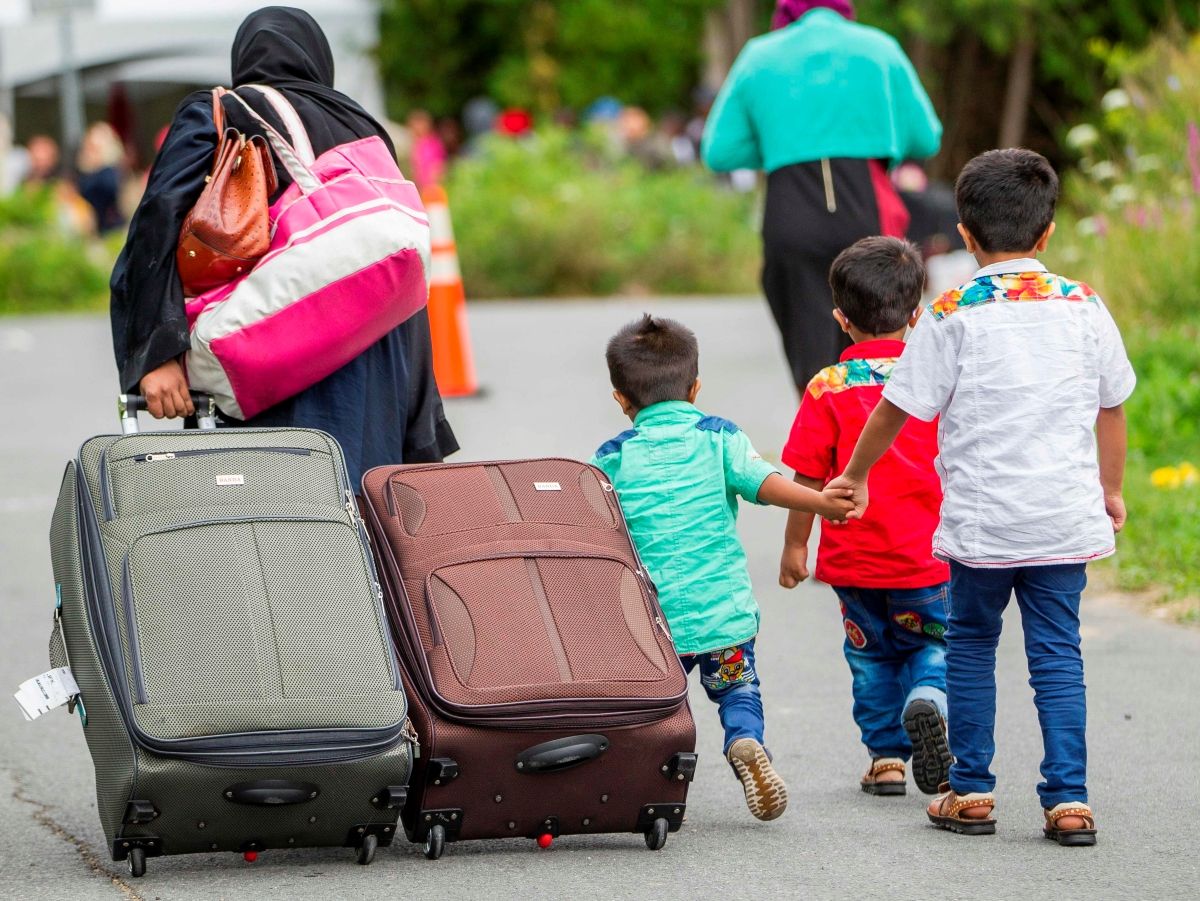
Crucially, the 2025 survey showed that immigrants and certain ethnic minorities were more socially conservative than the general population.
Article content
Foreign-born women, for example, were noticeably less supportive of free gender expression than their native-born counterparts (70 per cent versus 80 per cent) — a gap that was similar, albeit smaller, for equivalent men (67 per cent versus 71 per cent).
Article content
When averaging out male and female responses, Caucasian and Indigenous respondents supported free gender expression at almost the same rates (76 per cent and 74 per cent, respectively), but non-Indigenous minorities, also known as “racialized” Canadians, were slightly less accepting, with 69 per cent support.























/https%3A%2F%2Fsportsmole-media-prod.s3.gra.io.cloud.ovh.net%2Fuploads%2F2025%2F08%2Fimago1064957868-1-68b054b89f2ee835169758.jpg)


 Bengali (BD) ·
  English (US) ·