.png)
 1 week ago
7
1 week ago
7
The assassin-comedy genre has become really popular lately, especially with recent anime adaptations like Sakamoto Days and Kill Blue. While Sakamoto Days has already established itself as a fan-favorite series in a very short time, with its slick action choreography, Kill Blue, on the other hand, takes a very different approach.
It places a seasoned hitman in middle school and focuses more on awkward humor and the clash of identities rather than pure action. Both series come out with the same “assassin living a normal life” theme; however, they are handled in very different ways. And as Kill Blue is now getting released weekly under the Spring 2026 anime lineup, let us compare its strengths and weaknesses against a rival from last year, Sakamoto Days.
| Kill Blue | 7.51 / 10 | Crunchyroll, Netflix, Prime Video |
| Sakamoto Days | 7.59 / 10 | Netflix |
Things Kill Blue Does Better Than Sakamoto Days
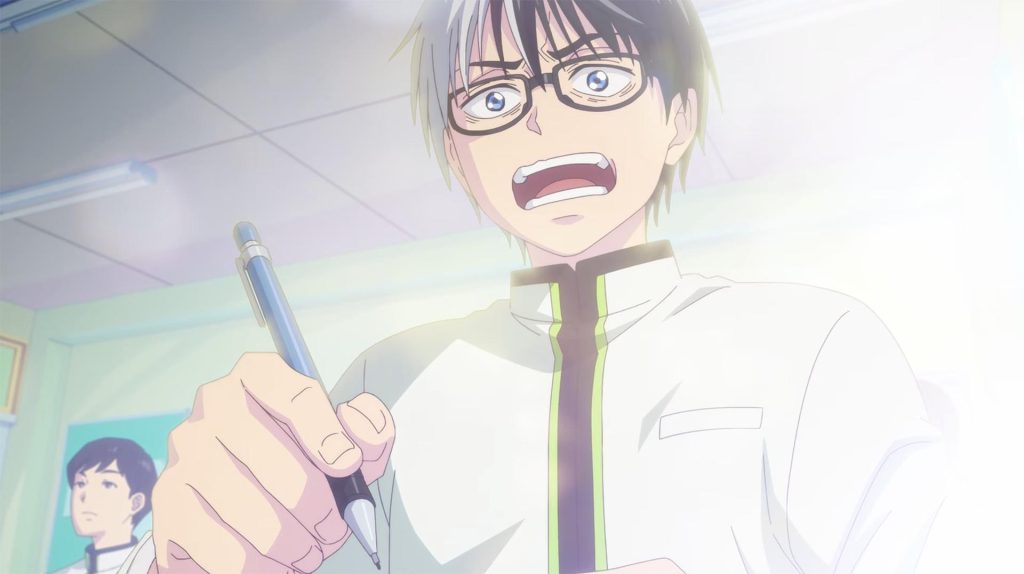 Juzo Ogami in a still from Kill Blue. | Credit: Studio CUE
Even though both series are going for a similar kind of assassin-based theme, Tadatoshi Fujimaki’s Kill Blue quickly distinguishes itself from Sakamoto Days by focusing more on a character-centric story, instead of just lots of action. It gives you the awkwardness, identity struggles, and everyday interactions that surprisingly feel unique in this genre.
This small change in the theme allowed Kill Blue to explore angles that were often ignored by Sakamoto Days. Here are some of the aspects that give it an edge compared to its rivals.
1 Kill Blue Explores Identity on a Much Deeper Level
-

Credit:- Studio CUE
-

Credit:- Studio CUE
-

Credit:- Studio CUE


Kill Blue focuses on the identity crisis as a main thing, and it is the show’s biggest advantage. It is not just about Juzo Ogami getting used to his new school life, but rather it shows us the difference between his two worlds and how he is trying to survive that sudden change.
If we look at Sakamoto Days, it focuses more on preserving the already peaceful life of Taro Sakamoto. He already found balance between his past and present, and instead of self-redefinition, the story is more about defending that life against external threats.
And this is exactly where Kill Blue becomes more daring, as it is not just telling a story but questioning identity, which adds much more emotional weight to it beyond just a typical assassin story.
2 The School Setting Feels Genuinely Fresh
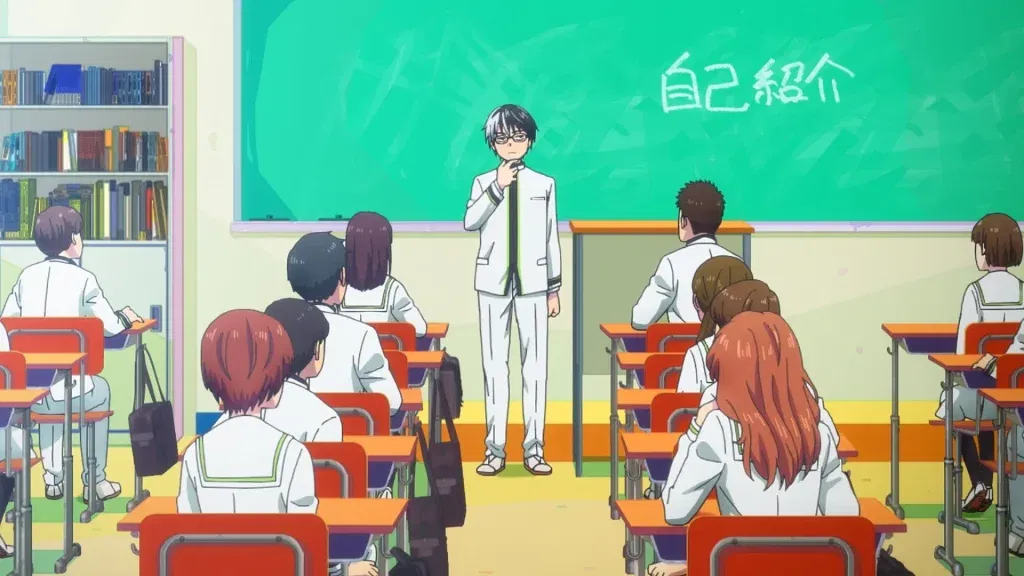 Juzo is introducing himself to his new classmates. | Credit: Studio CUE
The school setup in Kill Blue is not just there as a setting. Instead, watching a veteran assassin struggling with school life creates a social dynamic that feels so much more relatable. It provides you with situational comedy, which is not loud but rather feels very grounded.
Sakamoto Days, on the other hand, relies on more overdramatic situations and comedic timing to make it entertaining all the time; however, it is also very predictable. Kill Blue takes a different approach, which makes its humor feel more experimental and, often, more memorable.
3 Kill Blue Takes Bigger Creative Risks
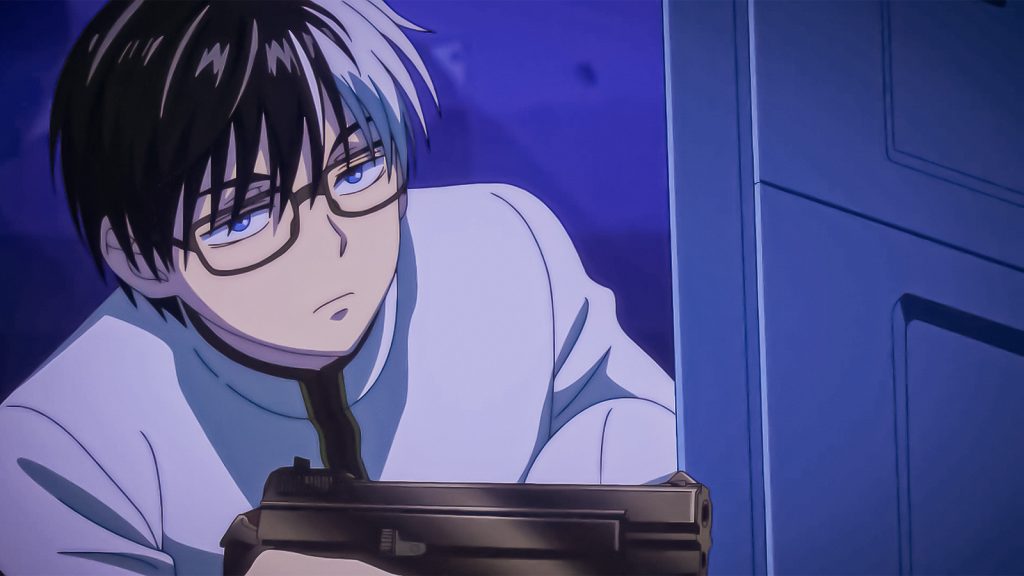 Juzo is protecting his classmates. | Credit: Studio CUE
 Kill Blue is overall dealing with a very risky premise. Turning a professional assassin into a middle schooler is a kind of decision that other mainstream titles often avoid.
Just look at Sakamoto Days. It offers a very polished and well-structured plot by introducing stronger enemies to raise the stakes. This kind of setup is very familiar to seasoned manga readers or anime fans, and this approach works really well as it is much more predictable.
Kill Blue, on the other hand, constantly feels like it is experimenting – and at times when it does not fully succeed, that willingness to take risks makes it stand out.
4 Juzo Ogami Feels More Vulnerable as a Protagonist
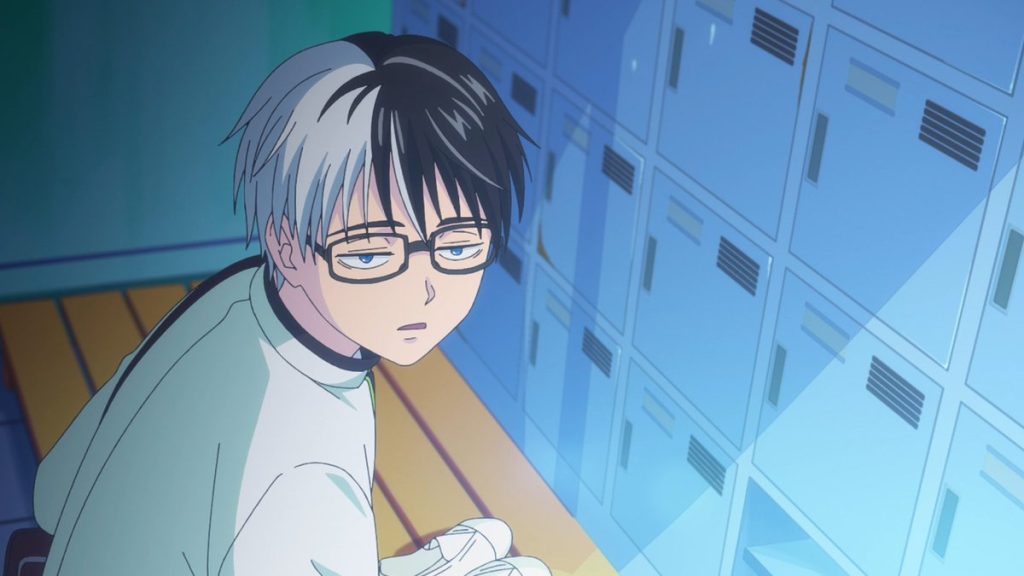 Juzo is interacting with his classmates. | Credit: Studio CUE
Taro Sakamoto is designed to look cool, and he succeeds in that as well. Even in his retired, chubby state, he maintains dominance that makes him feel almost untouchable. When we see him in action, it rarely feels like anyone can truly overpower him.
In comparison, Juzo Ogami feels like the complete opposite. Yes, he was also a feared assassin, but all that changed after he was turned into a middle school kid after being stung by a genetically modified wasp. His situation forces him into constant discomfort, both physically and emotionally.
He is not in control, and this lack of control makes his journey even more unpredictable. Instead of watching a pro doing his job, we are watching someone who is struggling to adapt to his new life – and that struggle makes every small victory feel earned.
5 Slower Pacing Allows Stronger Character Moments
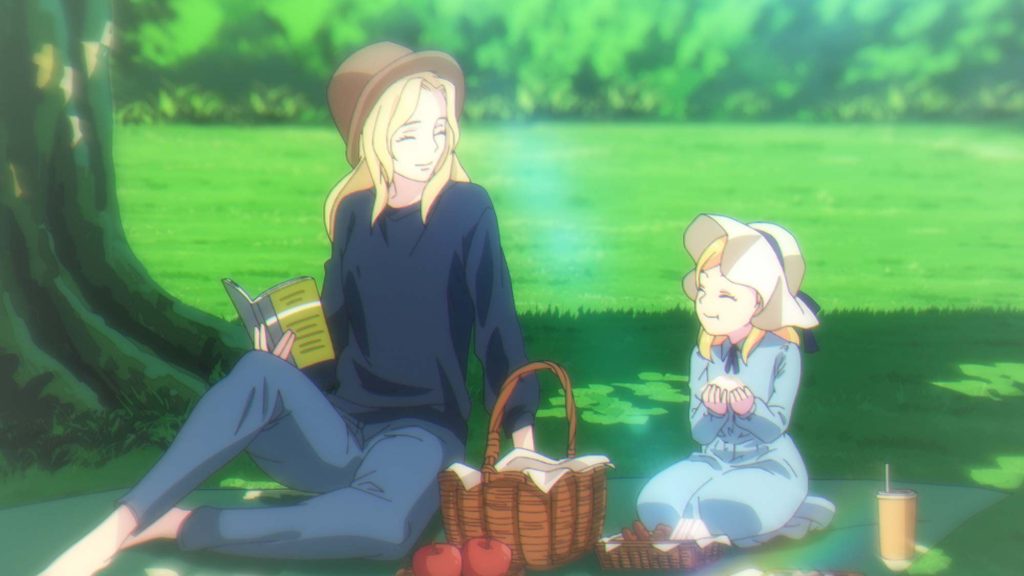 Noren as a child with her mother. | Credit: Studio CUE
Kill Blue does not rush its story, which works in its favor. It takes its time to build relationships, explore the character dynamics, and let all the moments shine with enough screen time.
Sakamoto Days is more into prioritizing momentum. The pacing of the series is really fast as its primary focus remains on maintaining excitement. While this kind of energy is also its greatest asset, it often overshadows the quieter emotional moments that should have received the same level of importance.
Things Where Sakamoto Days Clearly Outclass Kill Blue
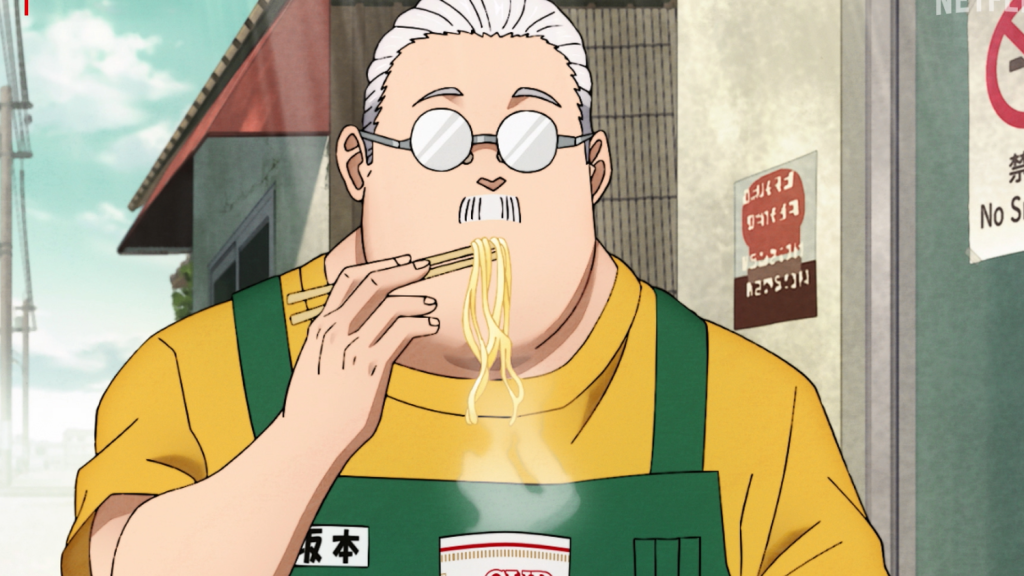 Taro Sakamoto is eating noodles. | Credit: TMS Entertainment
 Even though Kill Blue really does great in some areas, it still struggles when it comes to the overall impact of Sakamoto Days in some key areas. There are moments where its slower pacing and experimental tone often hold the story in place rather than elevating it.
This becomes even more prominent during the action scenes, whereas Sakamoto Days feels far more polished and confident. And in a genre where hype plays a big role in grabbing the attention of the audience, these differences are hard to ignore.
1 Sakamoto Days Still Completely Dominates in Action
-

Credit: TMS Entertainment
-

Credit: TMS Entertainment
-

Credit: TMS Entertainment


Sakamoto Days is one of the most visually dynamic action anime series out there, which offers cinematic and precise action sequences. Every move is designed with creative use of the environment, which looks great on screen.
Kill Blue simply does not come close in this area. Here, the action feels secondary, often serving the story rather than driving it. Although it is clearly intentional, it still becomes a disadvantage for an assassin-based story.
2 Sakamoto Days Has a More Memorable Supporting Cast
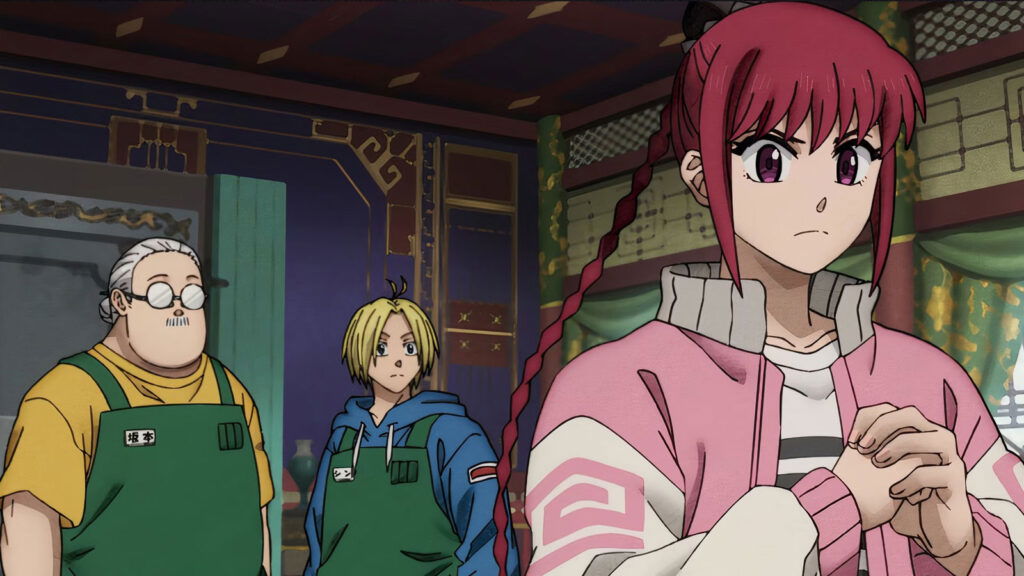 Taro Sakamoto, Shin Asakura, and Lu Shaotang. | Credit: TMS Entertainment
 Another major advantage Sakamoto Days has is its supporting cast. Shin, Lu, Heisuke, and even the characters from The Order are instantly recognizable – each having a distinct personality and role that boost the story. They are not merely additions – but rather feel essential to the story.
In comparison, Kill Blue‘s supporting cast, while effective within its setting, has not reached that level of impact yet. Many characters still feel very much tied to the premise itself rather than standing out independently.
3 World-Building in Sakamoto Days Feels Much Larger
 Rion, Taro, and Nagumo in a still. | Credit: TMS Entertainment
 The world of Sakamoto Days continues to expand with each arc – it introduces new organizations, rival assassins, and deeper layers to its underground society, which makes everything feel alive.
Kill Blue, on the other hand, remains very much contained. It focuses on personal growth instead of global stakes, which essentially limits the scale of its world-building. Although a smaller scope is not necessarily a flaw, when placed side by side, it makes Kill Blue feel less ambitious in terms of narrative scale.
4 Kill Blue Still Struggles With Tonal Balance
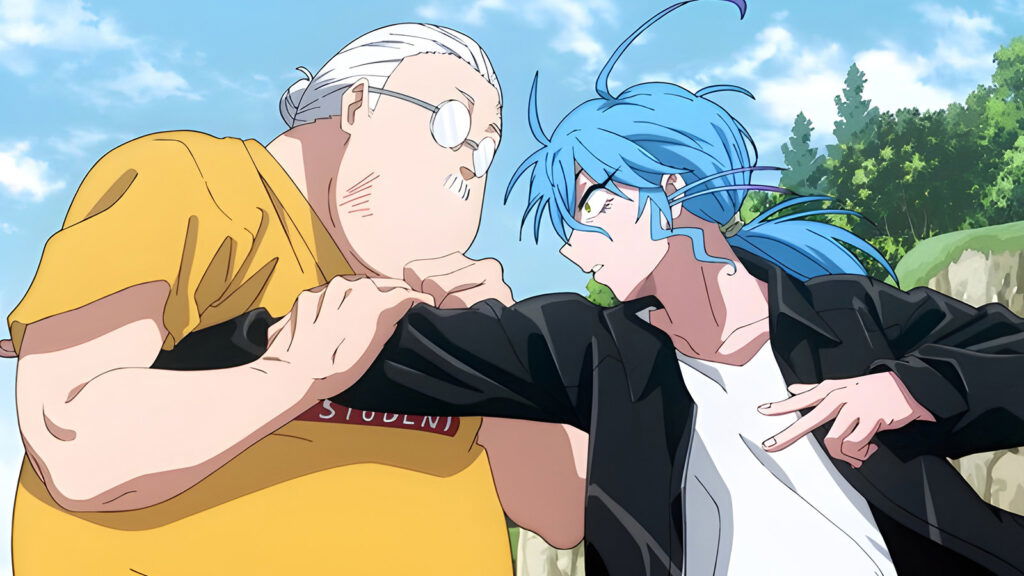 Taro Sakamoto and Akira Akao. | Credit: TMS Entertainment
 Perhaps the most noticeable weakness of Kill Blue is its tone. It quickly changes between comedy, introspection, and action in ways which does not always work seamlessly. As a result, it often comes out unevenly.
Sakamoto Days maintains a far more consistent tone. It knows exactly what it wants to be and executes it with precision. This kind of consistency played a big role in its widespread appeal, and it is something Kill Blue is still trying to work on.
5 Sakamoto Days Delivers More “Hype” Moments
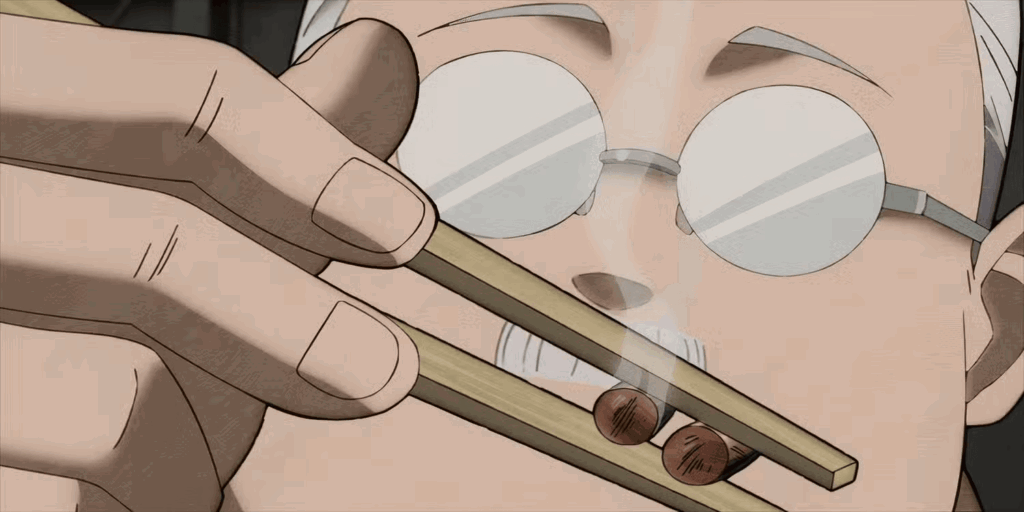 Taro Sakamoto is catching bullets with chopsticks. | Credit: TMS Entertainment
At the end of the day, Sakamoto Days simply has more hype. From its fights to character introductions to high-stakes moments, all are designed to create discussion among the fans.
Kill Blue, meanwhile, is much quieter. Its strengths lie in subtlety, rather than spectacle. And while this approach makes it unique, it also means it does not generate the same level of excitement or widespread attention.
Is Kill Blue similar to Sakamoto Days?
Yes, both series revolve around assassins trying to live normal lives, but Kill Blue focuses more on identity and school life, while Sakamoto Days prioritizes action and world-building.
Is Kill Blue getting an anime adaptation?
Yes, Kill Blue is part of the Spring 2026 anime lineup, bringing its unique assassin-meets-school-life concept to life.
Which is better – Kill Blue or Sakamoto Days?
It actually comes down to individual preference – If you like action with hype moments, Sakamoto Days is for you. But if you are looking for emotional depth and experimental storytelling, then Kill Blue might get your attention.
So now comes the big question – can Kill Blue‘s anime adaptation push it into the same league as Sakamoto Days, or will it remain a niche favorite with a cult following? Share your thoughts in the comments section below.























/https%3A%2F%2Fsportsmole-media-prod.s3.gra.io.cloud.ovh.net%2Fuploads%2F2026%2F02%2Fimago1072832028-1-1-6996d086195c8904803070.jpg)

 Bengali (BD) ·
  English (US) ·