.png)
 1 day ago
7
1 day ago
7
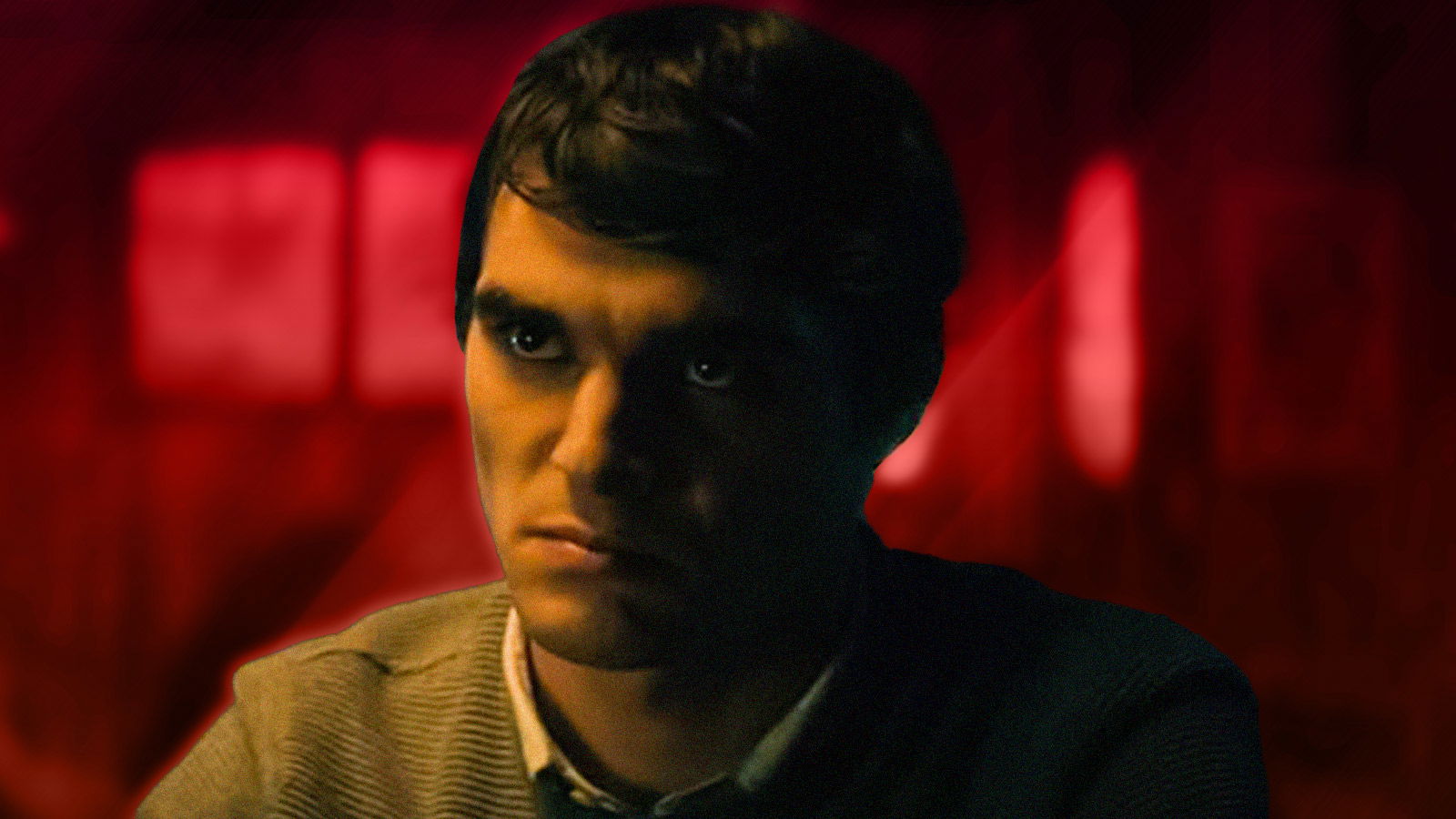
On paper, Carrie felt like a perfect choice for Mike Flanagan because he is a writer-director whose horror is built on family members creating hell on earth for one another. Stephen King’s novel, which was also his first published novel, gives Flanagan religious extremism and adolescent cruelty. Besides, it also has a mother who loves her daughter in a way that’s, let’s say… unorthodox. However, the series adaptation stretches that material without consistently making it richer.
When reviewing the series for FandomWire, I gave it 5/10. Most of my frustration stemmed from my prior knowledge of how great Flanagan can be in using television’s breathing room. But these five shows make a stronger case for his ability to turn grief, faith, and fractured relationships into compelling horror. The shows are ranked from worst to best.
5 The Midnight Club Makes Its Teenagers’ Fear of Death Feel Real
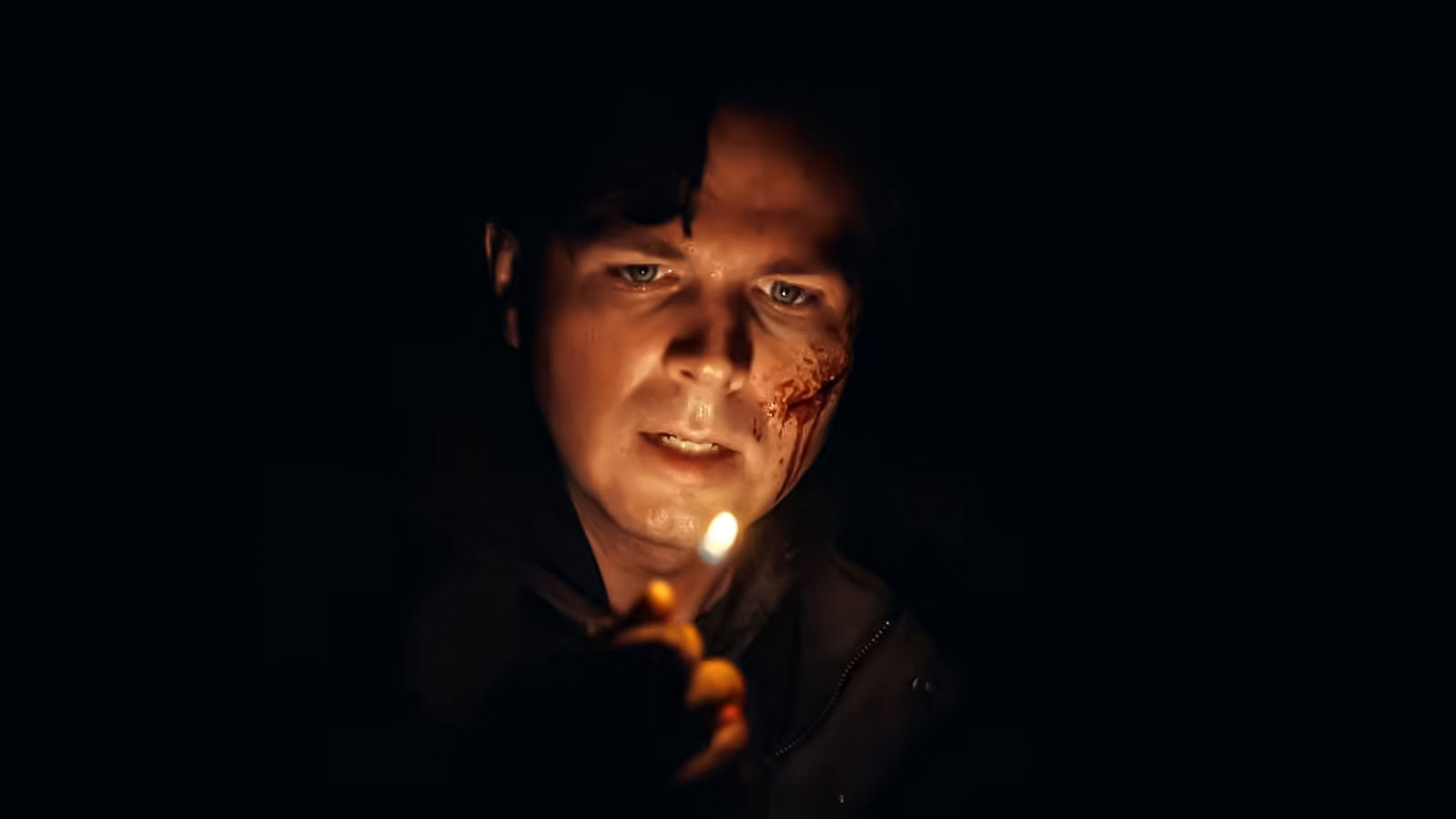
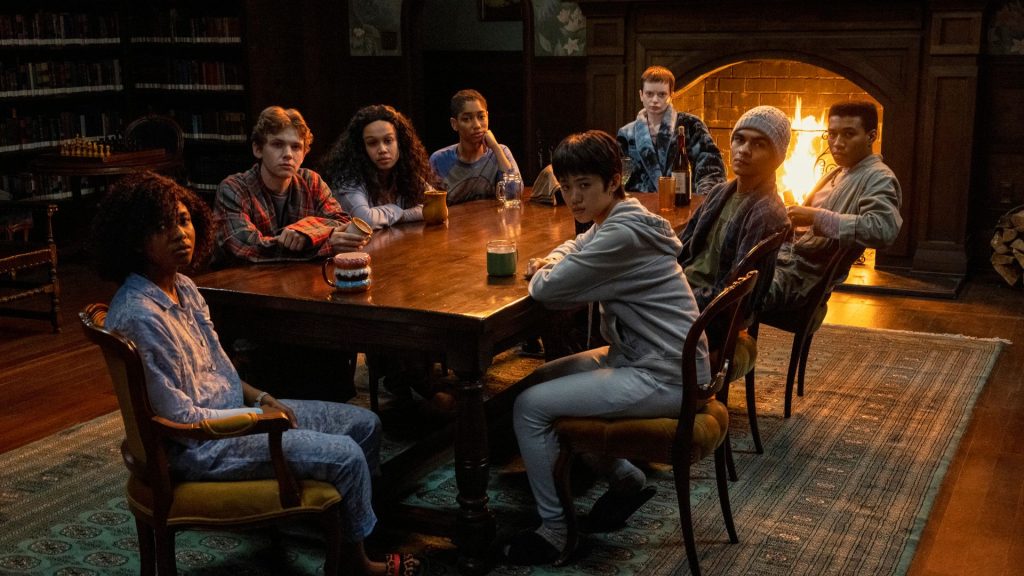 A still from The Midnight Club | Credits: Netflix
The Midnight Club suffers from unresolved mysteries and a cancellation that denied it a proper conclusion. But its teenage characters give it an emotional urgency that survives those frustrations.
At Brightcliffe, a hospice for terminally ill young people, residents share scary stories to cope. They also promise to contact each other after death. It would be proof that something of them survives after they are gone. Their storytelling also lets them imagine lives beyond their diagnoses. They remain funny, jealous, inconsiderate teenagers, which makes their circumstances more affecting.
4 The Haunting of Bly Manor Makes Its Love Story Haunting
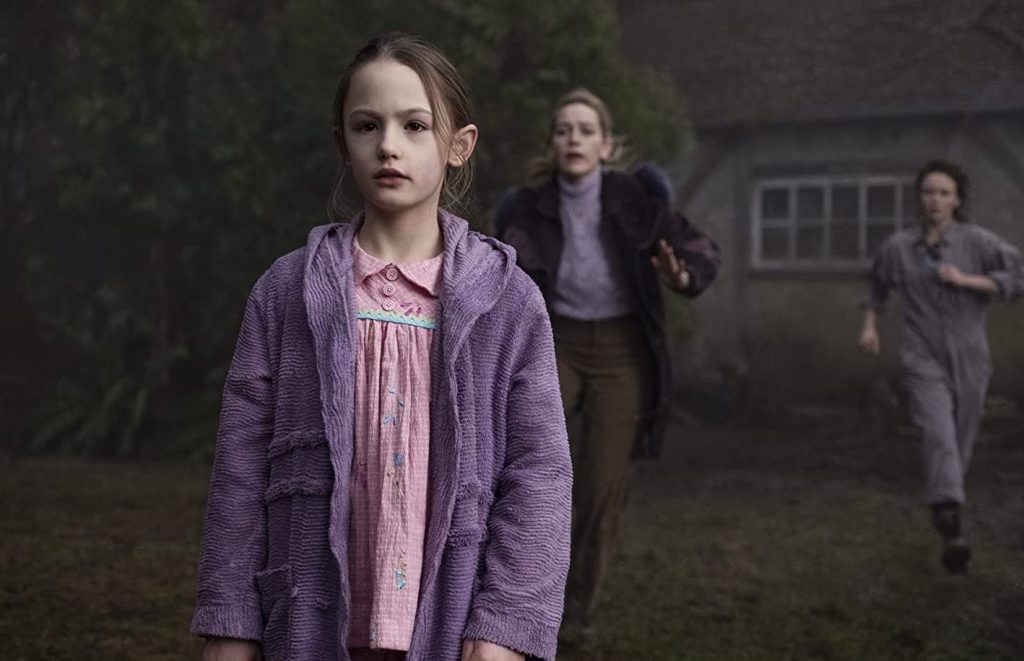
The Haunting of Bly Manor takes its time, sometimes rather too much of it. But Dani’s relationship with Jamie gives that slow unfolding a purpose: establishing a future we desperately want them to have.
Around them, ghosts repeat gestures whose meaning they have forgotten. Their fading faces and memories make the prospect of an afterlife frightening in an unusually intimate way. What survives if everything that made you yourself disappears? Carrie cannot justify its length, and Bly Manor makes time spent together the very thing we fear losing.
3 The Fall of the House of Usher Makes Every Death Count
 A still from The Fall of the House of Usher | Credits: Netflix
The Ushers have mistaken their ability to escape consequences for evidence of their own superiority. Watching that confidence disintegrate is one of this series’ considerable pleasures.
Drawing on Edgar Allan Poe but only vaguely, Flanagan devises deaths that reflect each victim’s vanity or appetites in The Fall of the House of Usher. These sequences are spectacularly nasty. But they also reveal character. The method matters as much as the body count.
Behind the carnage sits Roderick and Madeline’s bargain, which makes their descendants’ destruction the consequence of an earlier generation’s choices. The younger Ushers inherit a fortune with a catastrophe attached. That gives the elaborate brutality a dramatic purpose beyond finding another gruesome way to kill somebody.
2 Midnight Mass Turns Religious Revival Into Dread
The remote community of Crockett Island needs hope. Father Paul arrives offering it. Apparent miracles follow, and questioning him begins to seem almost ungrateful. Midnight Mass makes that temptation persuasive. Its characters have illnesses, regrets, and losses that explain their eagerness to believe.
Hamish Linklater’s priest can sound comforting even as his reasoning becomes horrifying. Religious abuse also drives Carrie, but Midnight Mass examines belief with greater depth.
1 The Haunting of Hill House Mines Horror From Family Trauma
 The Haunting of Hill House remains Mike Flanagan’s best work on TV | Credits: Netflix
The Crain siblings escape their childhood house without escaping what happened there. Their adult arguments are convincing before a single ghost appears: each resents how the others coped and considers their own response the reasonable one. Also, I admire Mike Flanagan’s courage here in adapting one of the greatest horror novels of the 20th century and making it entirely his own.
The Haunting of Hill House occasionally becomes sentimental. But it earns its affection for this damaged family. We understand why the Crains hurt one another and why they still need one another. That emotional precision makes the ghosts terrifying. No wonder, then, that it is Quentin Tarantino’s favorite Netflix series. As of October 12, it remains his best-reviewed show on Tomatometer.
Which Mike Flanagan show tops your list, and did Carrie deserve better than my 5/10? Let me know in the comments.

















 Bengali (BD) ·
  English (US) ·