.png)
 4 days ago
10
Cyberpunk: Edgerunners is a spectacular descent into technological hell, where David Martinez discovers that Night City can turn even its most ambitious dreamers into disposable corpses. But the cyberpunk tragedy doesn’t own science fiction’s crown. The 1990s anime inspired copycats and also gave something arguably more dangerous: worlds where technology corrupted justice, space warfare became a cosmic joke, forgotten memories concealed existential nightmares, and the human mind proved more terrifying than any machine.
These 5 classic sci-fi anime attack viewers from radically different angles, delivering the kind of storytelling that lingers long after the credits roll. And at number one sits a series that turned saving humanity into a psychological catastrophe.
5 Cyber City Oedo 808 Turned a Corrupt Cyberpunk Hell Into a Bloodbath
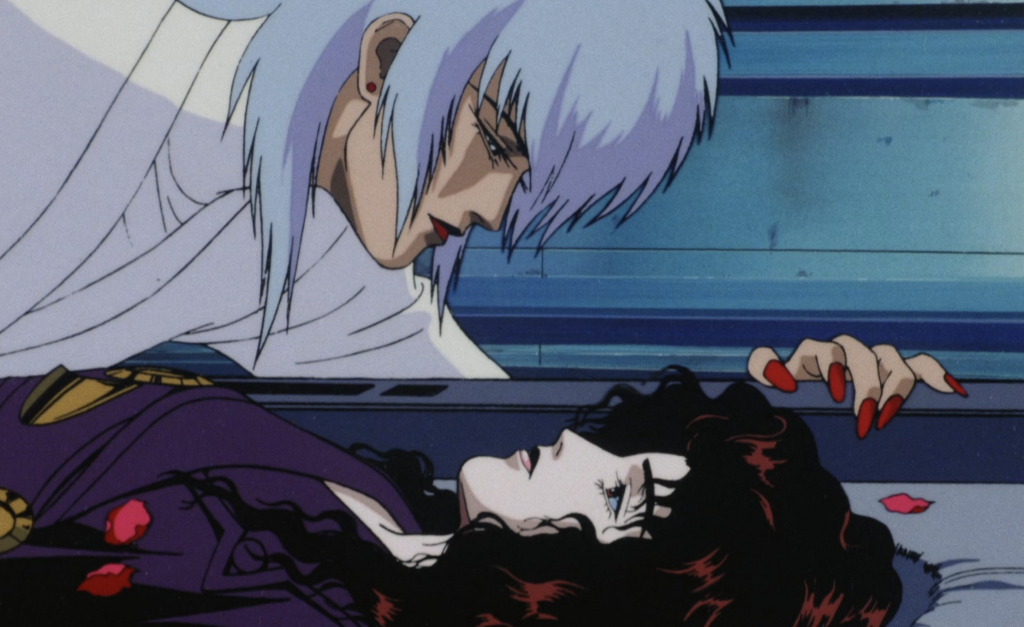 A still from Cyber City Oedo 808. [Credit: Madhouse]
Released as a three-part OVA between 1990 and 1991, Madhouse’s Cyber City Oedo 808 throws three convicts into a futuristic police force, where every mission buys them a little freedom, and failure can trigger their explosive collars. Yoshiaki Kawajiri’s brutal direction transforms cybercrime, sinister technology, and institutional corruption into a neon-soaked nightmare.
Its protagonists aren’t noble rebels like David Martinez; they’re dangerous criminals forced to serve a system barely more respectable than themselves. That moral ugliness makes the cyberpunk world deliciously vicious. However, its compact, episodic storytelling sacrifices the emotional development that elevates Edgerunners. It’s a bloody warning, not quite a devastating character tragedy.
4 The Irresponsible Captain Tylor Made Space Warfare Hilariously Unpredictable
 A still from The Irresponsible Captain Tylor. [Credit: Tatsunoko Production]
What if the galaxy’s most incompetent-looking captain were secretly its greatest military asset? The 1993 TV series follows Justy Ueki Tylor, a laid-back recruit who stumbles into command of the battered Soyokaze and faces the mighty Raalgon Empire. His apparent stupidity, improbable luck, and occasional flashes of brilliance make every confrontation a guessing game: is he a genius or simply the universe’s favourite idiot?
Beneath the comedy, the series pokes holes in military hierarchy and exposes how easily authority mistakes confidence for competence. It ranks fourth because its playful satire lacks the sustained emotional devastation of the top three. Tylor wins wars by making everyone question what winning means.
3 The Big O Buried a Forgotten City Beneath Secrets and Giant Robots
 Roger from The Big O. [Credit: Sunrise]
Sunrise’s The Big O premiered in 1999 with a wonderfully unsettling premise: forty years after a mysterious catastrophe erased humanity’s memories, Paradigm City survives beneath artificial domes, surrounded by secrets nobody can explain. Negotiator Roger Smith investigates its mysteries alongside Dorothy, an android whose deadpan observations make her feel eerily human, and commands the colossal Megadeus, Big O.
Its noir detective stories collide with thunderous mecha battles, but the real horror lies in a society that cannot remember what it lost. Like Edgerunners, it questions technology’s relationship with humanity. Its deliberate mysteries keep it below Cowboy Bebop. Paradigm City’s greatest monster might be its missing history.
2 Cowboy Bebop Made Every Bounty Feel Like a Tragedy Waiting to Happen
Premiering in 1998, Shinichiro Watanabe’s Cowboy Bebop follows Spike Spiegel, Jet Black, Faye Valentine, and their fellow wanderers across a future solar system where catching criminals rarely pays enough to cover dinner. Yoko Kanno’s jazz-infused soundtrack gives every chase swagger, while episodes such as Ballad of Fallen Angels expose the grief buried beneath Spike’s cool exterior.
His history with Vicious and Julia eventually drags him toward a reckoning he cannot outrun. Like Edgerunners, the series understands that dreams can become death sentences. Yet its episodic storytelling makes loneliness resonate across an entire universe. It takes second place because its heartbreak is extraordinary, but Evangelion makes the human psyche itself the battlefield.
1 Neon Genesis Evangelion Turned Humanity’s Last Stand Into Pure Trauma
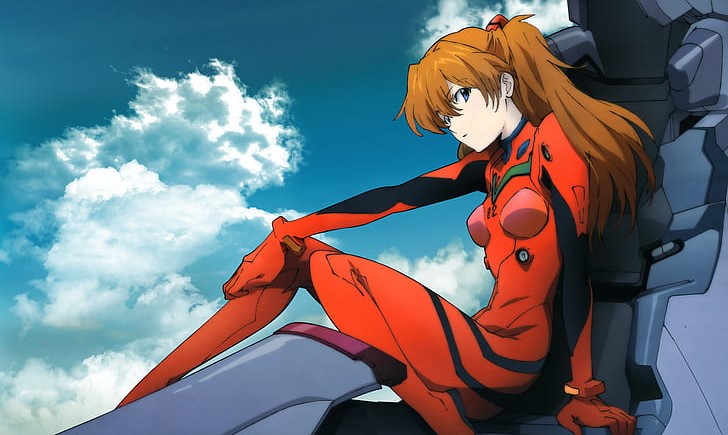 Asuka from Neon Genesis Evangelion. [Credit: Gainax]
Hideaki Anno’s Neon Genesis Evangelion began airing in 1995, disguising a psychological apocalypse as a battle between giant biomechanical weapons and mysterious beings called Angels. Shinji Ikari isn’t a triumphant chosen one; he’s a frightened teenager desperate for affection, piloting a machine because adults have made his trauma humanity’s survival strategy. Asuka’s fierce confidence conceals her own wounds, while Rei’s unsettling existence challenges what it means to be human.
Episodes 25 and 26 abandon conventional spectacle for fractured consciousness and existential despair. Like Edgerunners, the series destroys the fantasy that becoming powerful means becoming whole. But its questions about identity, intimacy, and the fear of connection reach beyond cyberpunk tragedy. Night City breaks bodies; Evangelion asks whether broken people can bear to know one another.




















 Bengali (BD) ·
 English (US) ·