.png)
 4 days ago
13
4 days ago
13
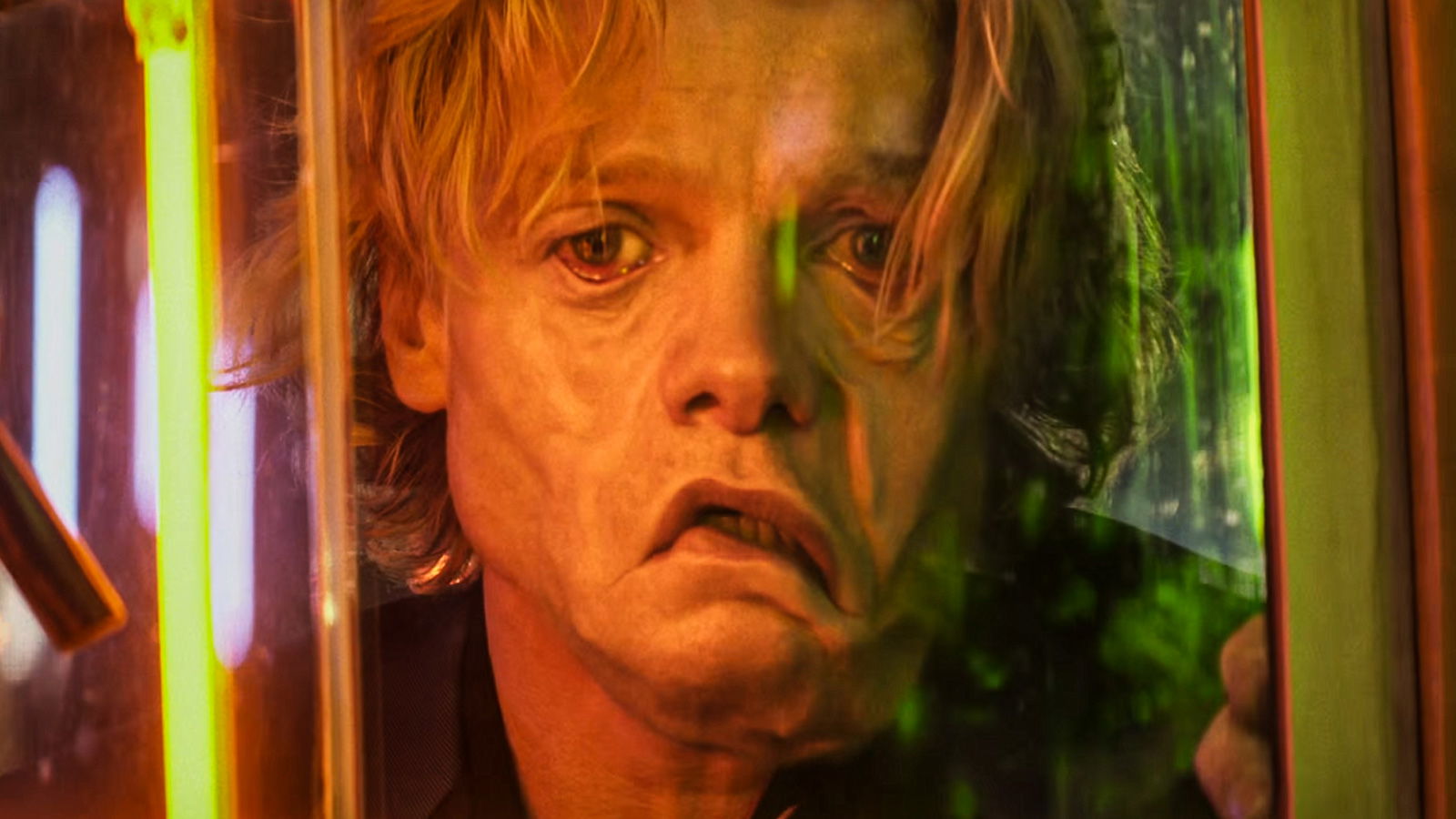
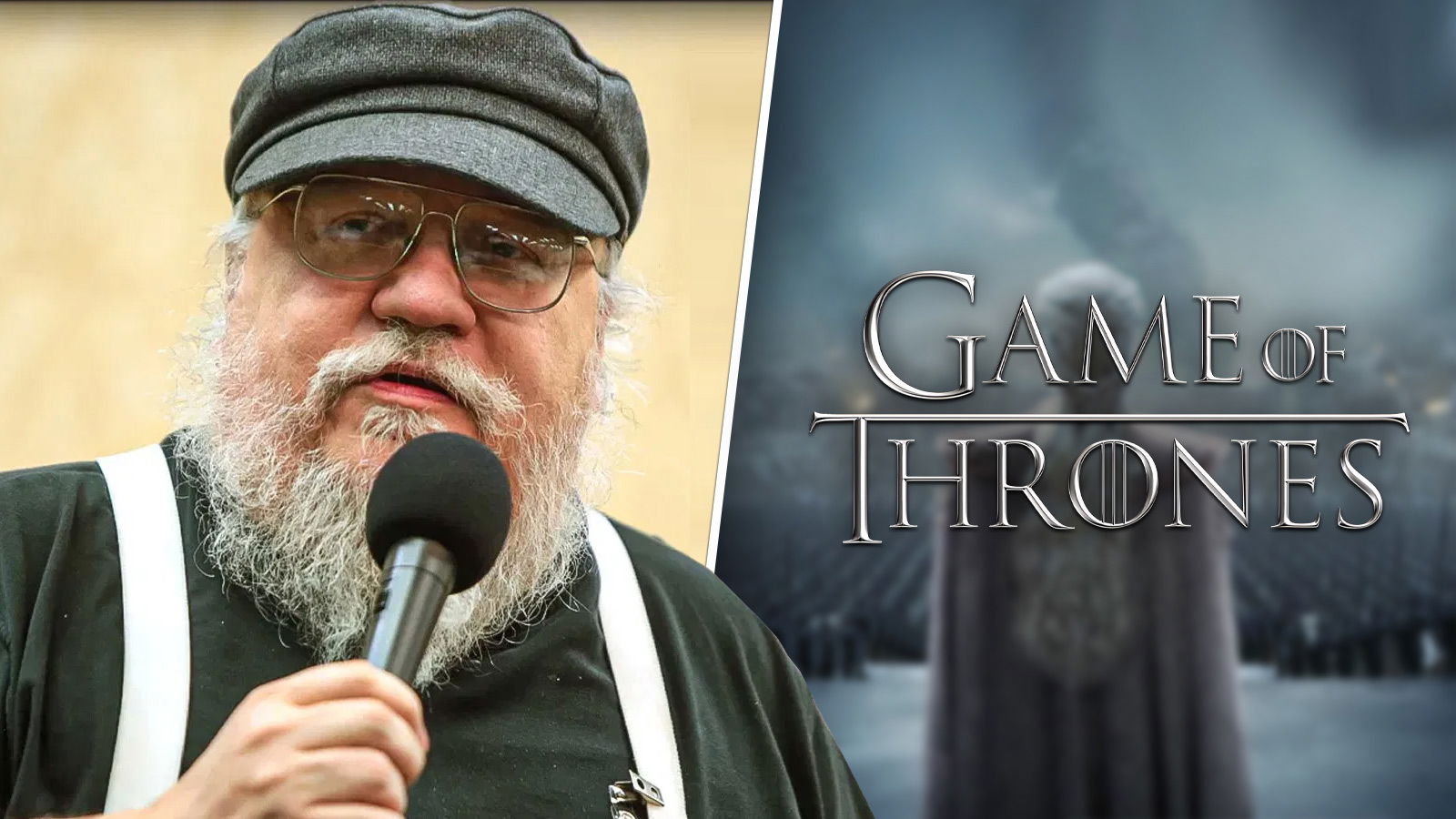 Left Image Credit: Gage Skidmore, CC BY-SA 3.0 Via Wikimedia Commons, Right Image via HBO
Fifteen years after its debut on HBO, Game of Thrones remains one of the greatest television series ever created, a gold standard that many modern shows strive to emulate in pursuit of similar success.
From its large-scale storytelling and sprawling cast of characters to its shocking plot twists and deaths that became cultural phenomena, the series set a new benchmark for prestige television. In fact, few shows have since matched its global impact and legacy.
It’s been seven years since the series ended, but we’re still talking about it—a testament to the sheer scale of its impact on both the industry and its audience. With that in mind, here are five major ways George R. R. Martin’s epic story revolutionized television forever:
1 Game of Thrones Raised the Bar For Cinematic Television
Films aren’t the only ones now spending millions to create a world-class production that’s worthy of the big screen; even television has become so competitive that cinematography, set design, costumes, and makeup now carry as much weight as performance and story.
When Game of Thrones premiered in 2011, no one expected it to explode into a global hit. As its popularity grew, so did the resources pour into its production. From cutting-edge special effects to elaborate set pieces and on-location shoots, it became clear that studios were willing to invest heavily as audiences developed more refined tastes in what they expect from television.
Modern shows no longer settle for mediocre output; fantasy series and other huge franchises now aim to deliver a premium viewing experience for the audience from the comfort of their homes.
Indeed, this shift is not only about increasing the quality of productions, but it also creates a competitive atmosphere among streaming platforms. While this is great, a possible downside here is prioritizing spectacle over solid storytelling.
2 GOT Made Watching Television A Cultural & Global Phenomenon
No other show has compelled millions of people to tune in at the same time, endure its most intense moments together, and then flood social media with real-time reactions the instant an episode ends.
Just think of the memes and reactions surrounding the Red Wedding or the Purple Wedding—moments that instantly became internet history and were posted across every platform.
On top of that, the endless discussions about what might happen next turned the fanbase into a massive forum for debate and speculation. As a result, television viewing became a shared cultural event rather than a solitary pastime. It’s that moment when storytelling extended far beyond the screen and into everyday online conversation.
Obviously, people didn’t watch Game of Thrones to relax, but to anticipate, analyze, and emotionally invest in every twist and turn. It became a battleground for theories, predictions, and passionate debates, where every episode gets dissected and interpreted rather than merely enjoyed.
This intense engagement from fans reflects how we have evolved as viewers; we are no longer passive consumers but active participants, and this has the power to influence the way studios handle their franchises.
3 GOT Showed the Risks & Rewards of Adapting Stories for Television
Gone are the days when studios freely adapt a novel, and they don’t get crucified for deviating from the source material. Game of Thrones became the paragon of how critical and closely scrutinized television adaptations have become.
Its earlier seasons were rewarded with praise and critical acclaim because it stayed true to Martin’s story, and despite some changes here and there, it respected the core characters, themes, and narrative arcs.
It’s a shame that the series failed to live up to the expectations set by earlier seasons after the final installment left many viewers divided over its rushed storytelling and unsatisfying character arcs. Well, with The Winds of Winter and A Dream of Spring still unpublished, it’s really difficult to say how the original narrative is ultimately intended to conclude.
This, however, pushes creators to be more wary of how they handle adaptations. Creative liberty should have a limit, and the author’s vision must be the anchor that guides the show. On the other hand, strict adherence to the source may hinder innovations, since television and literature are two different mediums. A balanced approach is always the key.
4 Prestige TV Made Ensemble Casts and Massive Storylines Standard
If there’s anything that sets Game of Thrones apart from other fantasy series, it’s the sprawling narrative and large ensemble cast, woven together to form one epic and cohesive story with a rich mythology and deep historical backstory stretching back thousands of years.
Prestige television today often carries the same defining trait popularized by Game of Thrones: the ability to juggle dozens of interconnected characters across multiple regions.
In the series, there is no one hero or villain; in fact, even the side characters play a massive part in shaping the entire plot. Every noble house is responsible for or has a part in the greater conflict in Westeros.
Modern dramas today go for richer world-building and multilayered plots. Rarely do we see big-budget franchises now rely on straightforward, linear storytelling. It’s clear that fans have become obsessed with complex stories.
This change in how we perceive stories shows that we actively seek more intellectual and emotional connections, not only with fictional characters but also with what they represent. While it is great to have an expansive lore, stories with too many intertwining subplots become convoluted, which can ruin our overall watching experience.
5 No More Heroes or Villains: GOT Redefined Character Morality
One thing that fans love about the characters in Game of Thrones is that no one can be trusted. There are no traditional heroes and villains in this story, just deeply flawed and morally complex individuals with hidden agendas and personal motivations.
Fans today gravitate toward shows that embrace this same ambiguity, where character choices feel unpredictable and are grounded in realistic human struggle. We’re drawn to stories where villains seek redemption and once-admired figures fall from grace.
This type of storytelling makes it more realistic because it challenges us to question our own sense of right and wrong. It also encourages us to be empathetic towards people with different struggles from us, instead of just rooting for characters with clearly defined sides.
| Areas Changed by Game of Thrones | In What Manner |
| Cinematic Television | Big-budget productions now aim to deliver premium viewing experience |
| Cultural & Global Phenomenon | People watch episodes real-time then discuss it on social media |
| Television Adaptation | Faithful adaptation of source material has become paramount |
| Ensemble Cast & Arcs | Prestige television is defined by dozens of characters and multiple storylines |
| Character Morality | There are no more clear heroes and villains, only morally complex individuals |
Here is a quick FAQ guide for you:
Is there a sequel to Game of Thrones?
There will be sequels and prequels, as announced by GRRM in this interview.
Are we getting more GOT spinoffs?
Yes, here is a list of the planned projects.
When will The Winds of Winter come out?
GRRM has not made any announcement, but here is our prediction.
How do you think Game of Thrones shaped modern television? Let us know in the comments!
Game of Thrones is currently available to watch on HBO Max.















 Bengali (BD) ·
  English (US) ·