.png)
 7 hours ago
13
7 hours ago
13
The 1990s gave anime fans timeless masterpieces like Cowboy Bebop, Neon Genesis Evangelion, and Dragon Ball Z, but they weren’t the only series that defined the decade. Underrated gems like Now and Then, Here and There, The Big O, and Key the Metal Idol proved just how creatively fearless the era was. Even exceptional masterpieces like Outlaw Star and Infinite Ryvius frequently slip through the cracks.
Beyond the mainstream radar lies a treasure trove of overlooked classics featuring innovative storytelling, layered characters, and avant-garde ideas that still feel astonishingly fresh today. Let’s unearth 10 forgotten 1990s gems that absolutely demand a spot on your modern watchlist.
1 The Irresponsible Captain Tylor Is Still Sci-Fi’s Best Comedy (1993)
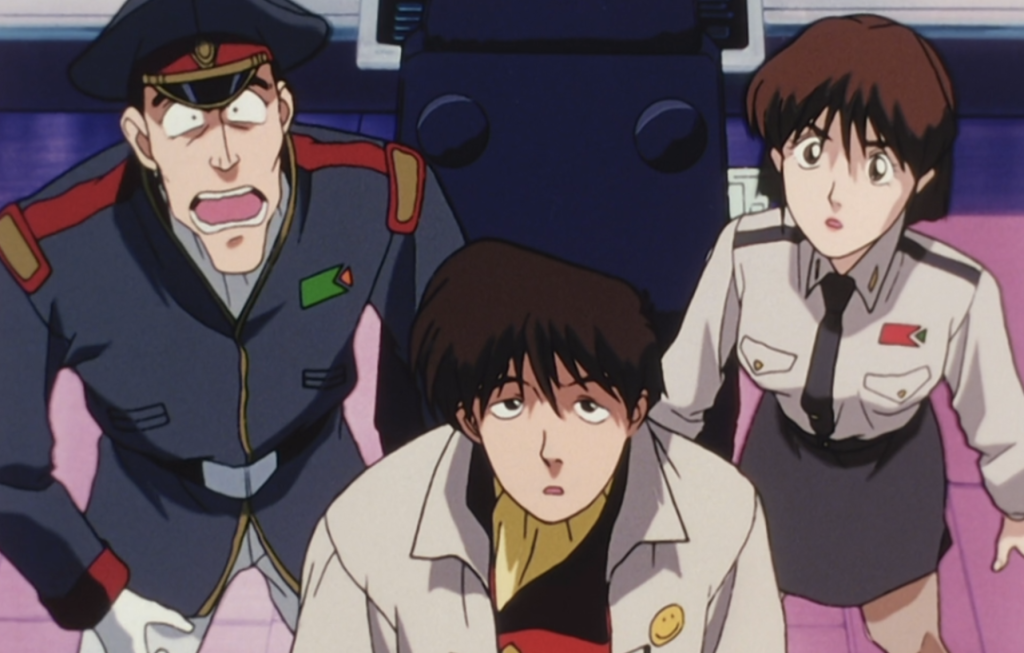 Makoto, Tyler, and Star from The Irresponsible Captain Tylor. [Credit: Tatsunoko Production]
While 90s space operas leaned into grim melodrama, Tylor subverted the entire genre with brilliant, passive-aggressive pacifism. Justifying its top spot, the series thrives on the ultimate comedic tension: Is Justy Ueki Tylor an absolute idiot or a tactical savior? The legendary multi-episode standoff against the Raalgon Empire perfectly highlights this genius. By doing completely nothing, Tylor accidentally defeats an elite fleet. It is a masterpiece of subversion that feels like a precursor to One Punch Man’s King, proving that sometimes, absolute apathy is the ultimate strategic weapon.
2 Ghost Sweeper Mikami Is The Hilarious 90s Exorcist Blueprint (1993–1994)
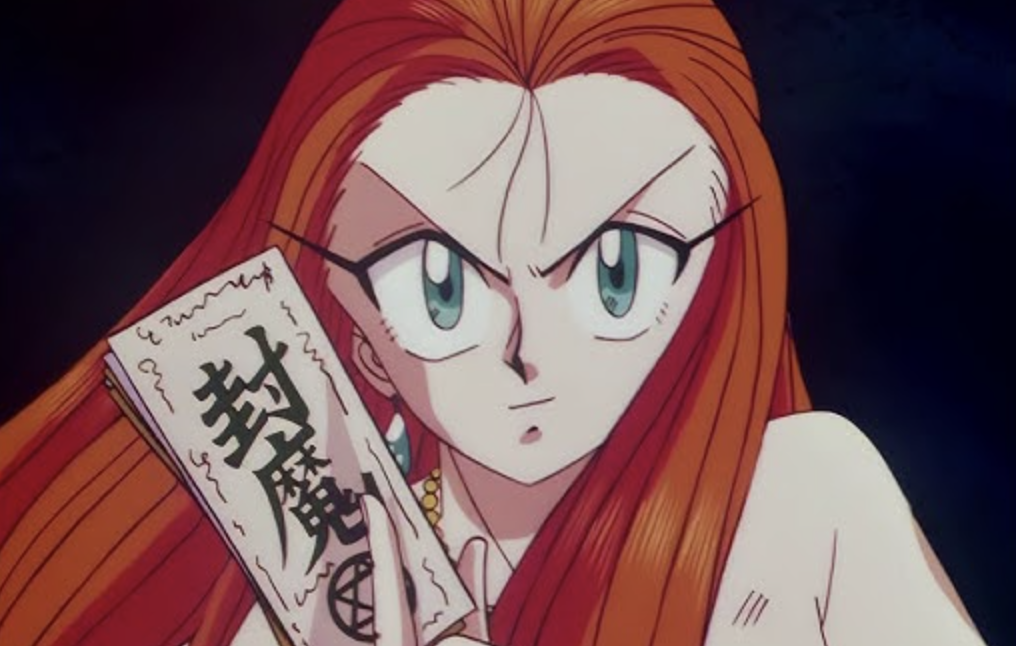 Reiko Mikami from Ghost Sweeper Mikami. [Credit: Toei Animation]
Long before Jujutsu Kaisen or Bleach popularized modern, business-driven supernatural battles, Reiko Mikami was charging premium rates for slaying spirits. This series earned its high rank by perfectly blending folklore with absolute mercenary capitalism. A standout moment is Episode 13, where Mikami fights a cursed mannequin using a high-tech spirit broomstick, showcasing her signature blend of greed and incredible combat prowess. It remains a foundational blueprint for contemporary supernatural comedies, offering lightning-fast slapstick and a fiercely independent heroine who still outshines modern genre tropes.
3 Blue Seed Masterfully Blends 90s Dark Fantasy And Mythology (1994–1995)
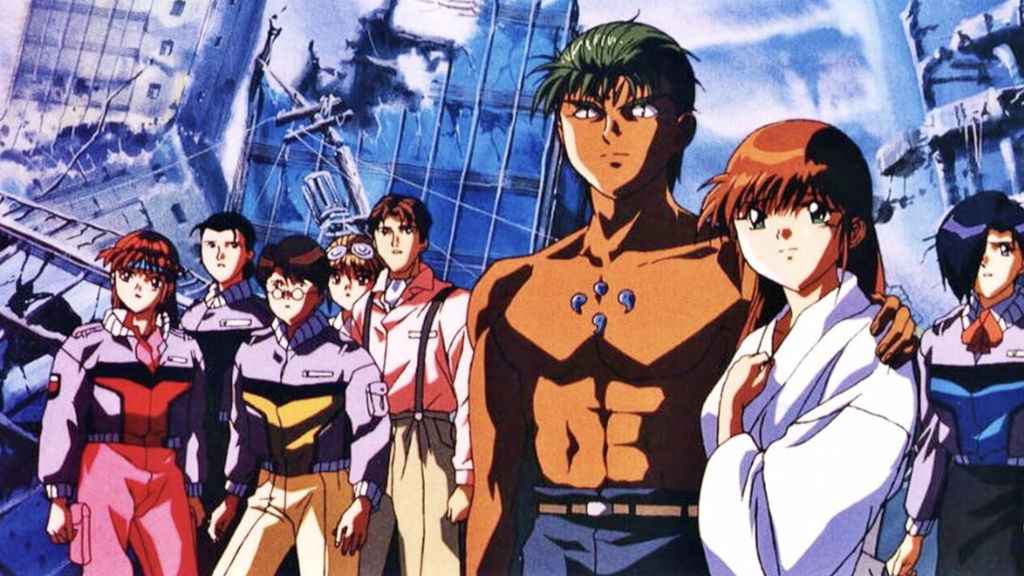 A still from Blue Seed. [Credit: Production I.G]
Blue Seed stands as a masterclass in urban dark fantasy, seamlessly splicing ancient Yamata no Orochi mythology with gritty, environmental bio-horror. Unlike standard monster-of-the-week fare, its narrative stakes escalate beautifully. The standout arc involving Momiji’s awakening to her sacrificial destiny as a Kushinada seed-maiden delivers a profound emotional gut-punch. Yuzo Takada’s creature designs and the visceral, symbiotic action sequences give the series an atmospheric edge that outclasses its contemporaries. It is a thrilling, environmentally conscious ride that provides a fantastic template for modern mythic action anime.
4 Saber Marionette J Explored Pure AI Emotion Long Before Sci-Fi (1996–1997)
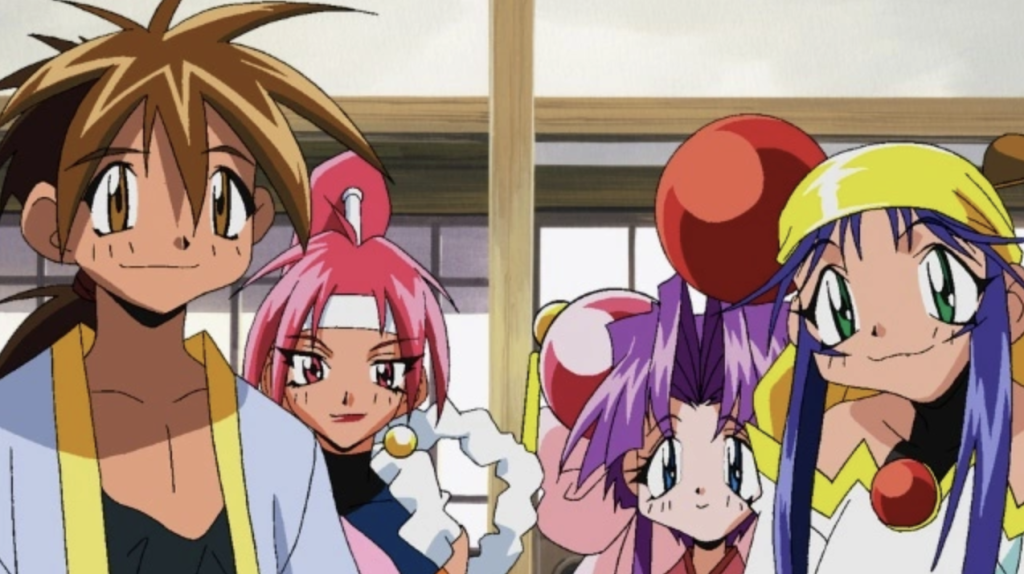 A still from Saber Marionette J. [Credit: Studio Junio]
Years before artificial intelligence became one of science fiction’s biggest themes, Saber Marionette J asked whether programmed beings could genuinely develop emotions. Lime, Cherry, and Bloodberry gradually evolve far beyond their original functions through their Maiden Circuits, creating heartfelt relationships with Otaru. Lime’s childlike innocence slowly maturing into authentic humanity remains one of the series’ most rewarding character journeys. Its emotional exploration of AI still feels surprisingly relevant decades later. It’s an incredibly rich character study that masterfully anticipated the emotional core of future sci-fi hits like Violet Evergarden.
5 Martian Successor Nadesico Is A Brilliant Mecha Parody Masterpiece (1996–1997)
At first glance, Martian Successor Nadesico looks like a cheerful space adventure, but beneath the comedy lies one of anime’s sharpest genre deconstructions. Akito’s obsession with the fictional anime Gekiganger 3 hilariously contrasts fantasy with the brutal realities of war. The series constantly balances slapstick humor, romance, and surprisingly heavy emotional turns. Its clever satire still feels remarkably fresh, making it one of the finest self-aware mecha anime ever produced.
6 Gasaraki Swapped Flashy Mecha Tropes For Gritty Military Realism (1998–1999)
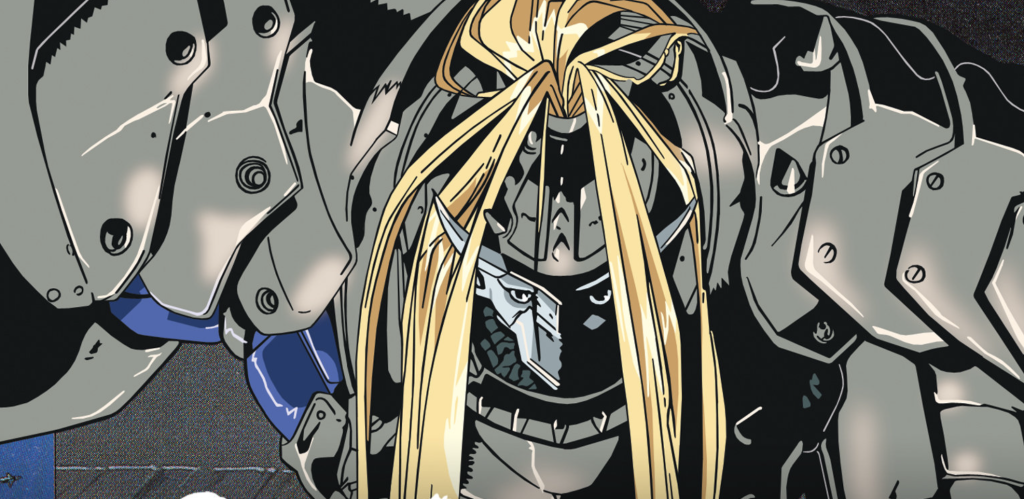 A bipedal “Tactical Armor” tank from Gasaraki. [Credit: Sunrise]
Ryousuke Takahashi’s Gasaraki sharply pivots away from superheroic robot spectacles to deliver a bone-chillingly grounded techno-thriller. It earns its spot by treating its Tactical Armor mechs like actual, cumbersome military hardware subject to geopolitics and economic warfare. The unforgettable desert combat trials in the fictional Middle Eastern nation of Belgistan showcase tense, claustrophobic cockpit realism over flashy laser beams. Combining Shinto mysticism with cold, corporate conspiracies, it offers a remarkably dense, sophisticated experience that political thriller enthusiasts will absolutely devour today.
7 Brain Powerd Offered A Bold, Intensely Psychological Mecha World (1998)
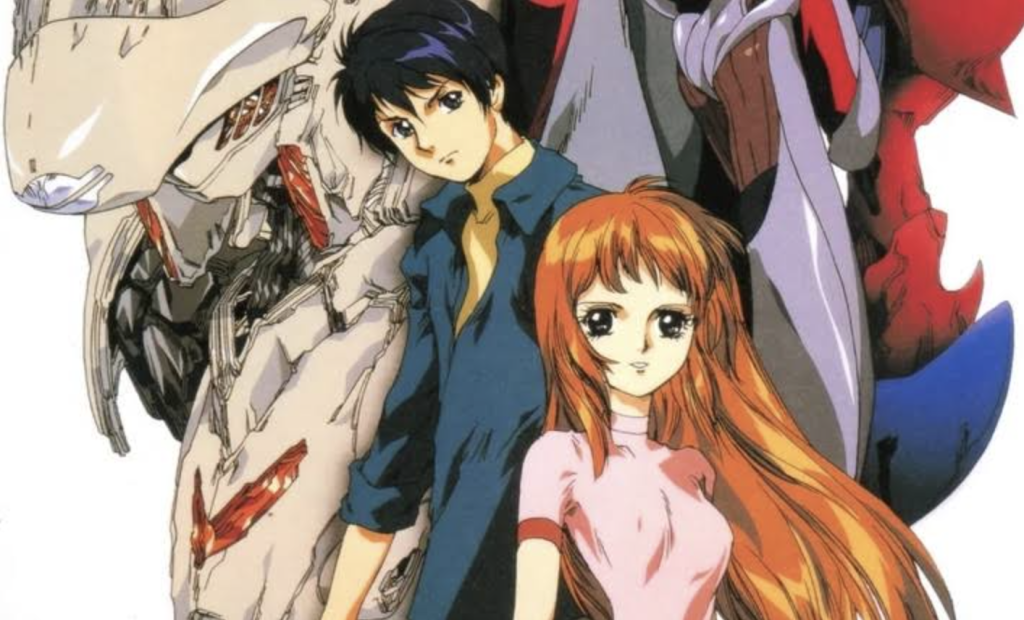 Yu Isami and Hime Utsumiya from Brain Powerd. [Credit: Sunrise]
Created by Yoshiyuki Tomino after Evangelion reshaped the mecha landscape, Brain Powerd boldly embraced emotion over spectacle. Its Organic Machines, mysterious Orphan, and deeply fractured family dynamics created an unusually intimate science-fiction drama. The emotionally charged confrontations between Yuu and his parents highlight the series’ psychological depth. While its symbolism divided audiences, modern viewers willing to embrace ambiguity will find a fascinating mecha story that refuses conventional storytelling.
8 Master Keaton Is Naoki Urasawa’s Criminally Forgotten Mystery Gem (1998–1999)
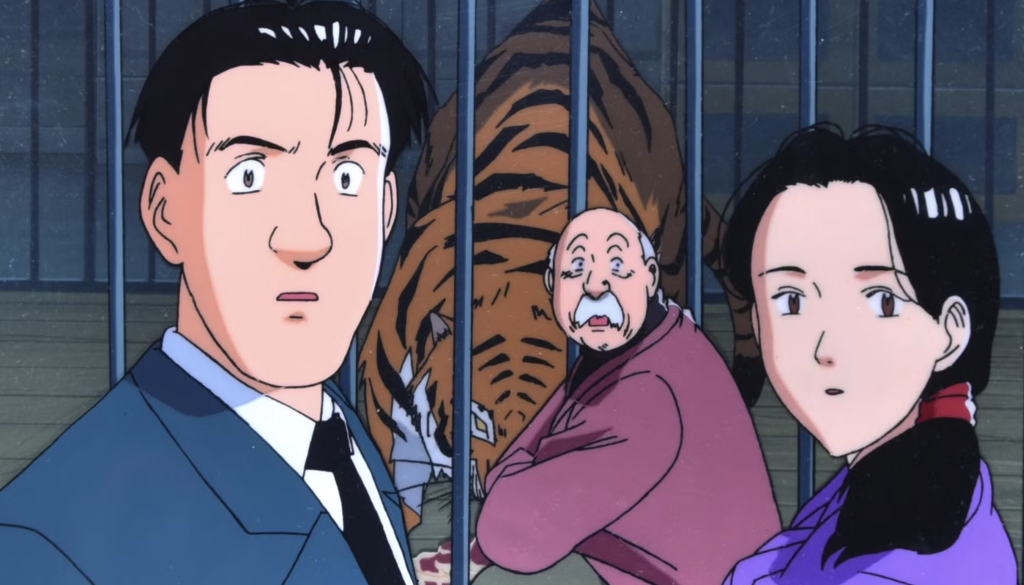 Taichi Hiraga-Keaton from Master Keaton. [Credit: Madhouse]
Before delivering Monster or 20th Century Boys, Naoki Urasawa co-created Taichi Keaton, an elite Lloyd’s insurance investigator and former SAS survival instructor. This episodic masterpiece deserves immense praise for its meticulous, real-world detail. In the standout episode “The Desert Pastors,” Keaton uses basic physics and ancient survival techniques to survive a scorching desert wilderness while outwitting deadly assassins. It is a phenomenal, highly cerebral procedural drama that eschews flashy supernatural tropes for pure human ingenuity, historical depth, and gripping suspense, making it one of the 1990s’ smartest overlooked anime.
9 Legend of Basara Is A Phenomenal Post-Apocalyptic Rebel Epic (1998)
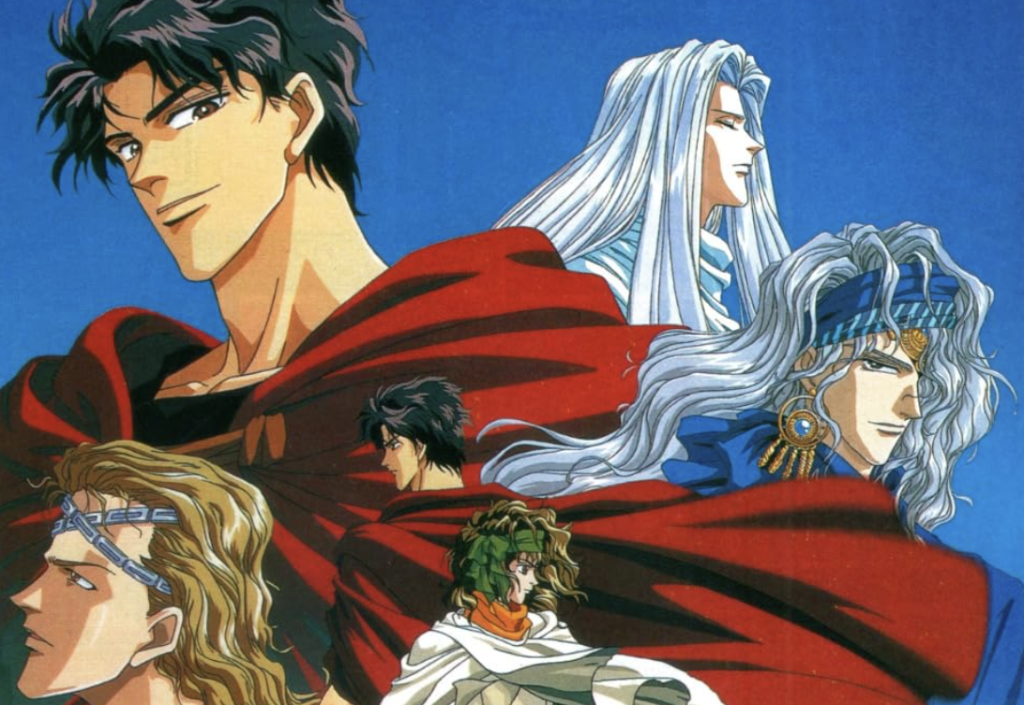 A still from Legend of Basara. [Credit: KSS]
Basara is a sprawling, Shakespearean epic set in a ruined, desert-choked future Japan ruled by a tyrannical monarchy. It ranks exceptionally high due to its brilliant dramatic irony: the heroine, Sarasa, disguises herself as her fallen twin prophet, unknowingly falling in love with her sworn enemy, the Red King. Their breathtaking, tension-filled encounter at the hot springs perfectly distills the show’s emotional gravity. It is a grand, sweeping tale of rebellion, gender subversion, and profound empathy that rivals the emotional scale of any modern fantasy epic.
10 Excel Saga Is The Most Unhinged, Hyperactive 90s Parody Series (1999–2000)
 Excel and Hyatt from Excel Saga. [Credit: J.C.Staff]
Before meta-humor became commonplace, Excel Saga gleefully dismantled every anime genre imaginable. Directed by Shinichi Watanabe, its constantly fourth-wall-breaking comedy felt years ahead of internet meme culture. Episode after episode reinvents itself, but Excel’s absurd attempts to conquer F City alongside Hyatt’s hilariously untimely deaths remain unforgettable. The show’s relentless pacing can be exhausting, yet that’s exactly why it remains one of anime’s boldest comedy experiments and a parody modern audiences rarely experience today.
| The Irresponsible Captain Tylor | January 25, 1993 – July 19, 1993 | Hitoshi Yoshioka | 7.7/10 |
| Ghost Sweeper Mikami | April 11, 1993 – March 6, 1994 | Takashi Shiina | 7.0/10 |
| Blue Seed | October 5, 1994 – March 29, 1995 | Yuzo Takada | 6.9/10 |
| Saber Marionette J | October 1, 1996 – March 25, 1997 | Satoru Akahori | 7.4/10 |
| Martian Successor Nadesico | October 1, 1996 – March 24, 1997 | Kia Asamiya | 7.5/10 |
| Gasaraki | October 4, 1998 – March 28, 1999 | Ryosuke Takahashi | 6.4/10 |
| Brain Powerd | April 8, 1998 – November 11, 1998 | Yoshiyuki Tomino | 5.8/10 |
| Master Keaton | October 6, 1998 – March 30, 1999 | Naoki Urasawa | 7.8/10 |
| Legend of Basara | April 3, 1998 – June 26, 1998 | Yumi Tamura | 7.3/10 |
| Excel Saga | October 7, 1999 – March 30, 2000 | Koshi Rikdo | 7.5/10 |
Which forgotten ’90s anime do you think deserves more love? Share your pick in the comments below!

















/https%3A%2F%2Fsportsmole-media-prod.s3.gra.io.cloud.ovh.net%2Fuploads%2F2026%2F05%2Fscheffler-6a034d9fca412032057779.jpg)
/https%3A%2F%2Fsportsmole-media-prod.s3.gra.io.cloud.ovh.net%2Fuploads%2F2026%2F06%2Ficonsport-111147-0089-1-6a27d006a81d1227497324.jpg)
/https%3A%2F%2Fsportsmole-media-prod.s3.gra.io.cloud.ovh.net%2Fuploads%2F2026%2F06%2Fimago-xinhua-nestory-irankunda-celebrates-scoring-for-australia-in-the-world-cup-on-june-14-2026-6a2f348854d1b663111439.jpg)
 Bengali (BD) ·
  English (US) ·