.png)
 21 hours ago
14
21 hours ago
14
It’s easy to miss the darkest implications made in the Bleach anime and manga series, given the sheer scale of the narrative written down by Tite Kubo, which is still expanding as we speak. While some are pretty much obvious, some are too vague to miss easily.
With the main agenda and intention of this listing out of the way, let’s dive right into it. With the Thousand-Year Blood War Part 4 right around the corner, here are some of the darkest implications made in the Bleach series we noticed, ranked by intensity and narrative consequences.
| TITLE | Bleach |
| CREATOR | Tite Kubo |
| RELEASE DATE | October 5, 2004 |
| IMDb RATINGS (as of July 21, 2026) | 8.2/10 |
| WHERE TO WATCH | Hulu, Disney+ |
10 Nemu Kurotsuchi Was Built to Be Used, Discarded, Then Rebuilt Again
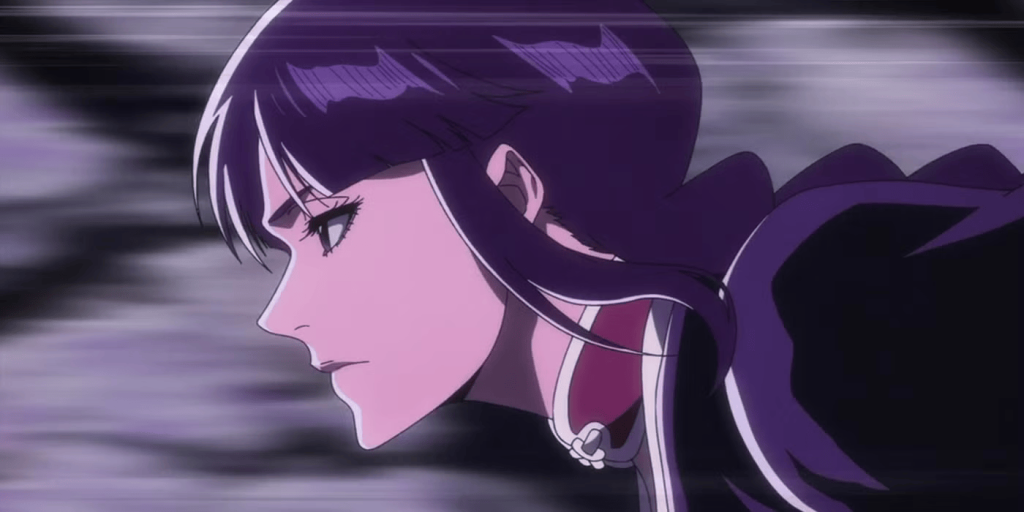 Nemu from Bleach | Credits: Studio Pierrot
Nemu isn’t Mayuri Kurotsuchi’s daughter in any real sense. She’s a synthetic soul he engineered as a walking research tool, and he treats her exactly that way, ordering her to get mutilated or sacrificed mid-experiment without a flicker of hesitation.
What makes it worse is that nobody in the Twelfth Division bats an eye. Cruelty toward her isn’t punished; it’s just another regular Tuesday. That casual acceptance says more about Soul Society’s priorities than Mayuri ever could on his own. Personal cruelty like this rarely gets ranked above institution-wide horrors, but it’s the most nakedly sadistic entry on this list.
9 The Visored Were Exiled and Marked for a Crime That Wasn’t Theirs
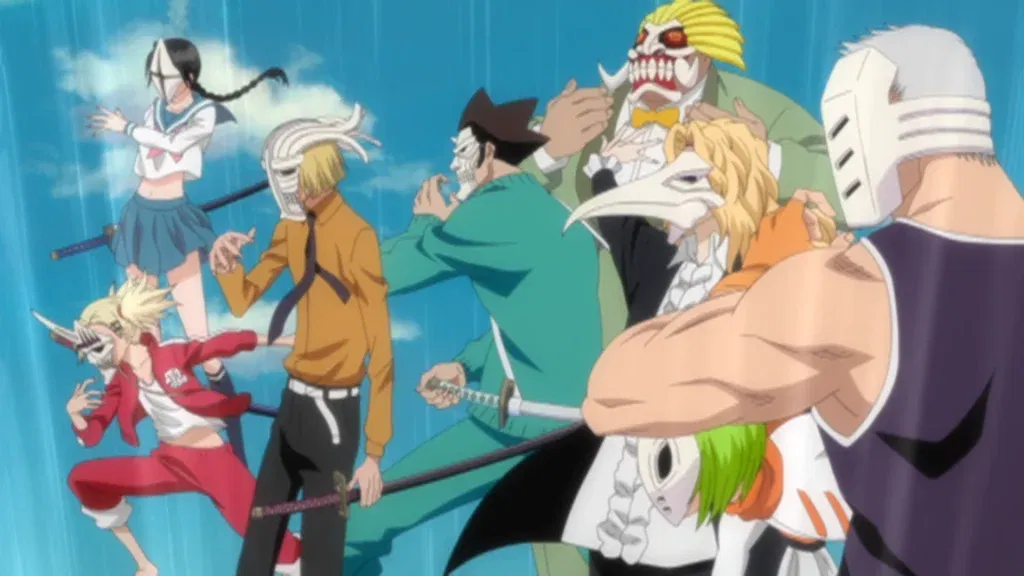 Visored from Bleach | Credits: Studio Pierrot
Kisuke Urahara and the Visored, introduced during the Arrancar Arc, were hunted and sentenced to execution for a hollowfication disaster that Sosuke Aizen actually engineered behind the scenes. Rather than investigate properly, Central 46 signed off on kill orders and let the real architect keep his captain’s seat for another century.
The people punished were the ones trying to contain the damage, while the one who caused it walked free and kept climbing the ranks. It’s a quiet indictment of a justice system built on convenience rather than evidence. It’s dark, but it’s a wrongful punishment story, not a civilization-level rot, which keeps it lower than what’s still ahead.
8 Rukongai Proves Being Dead Doesn’t Protect Anyone From Starving Away
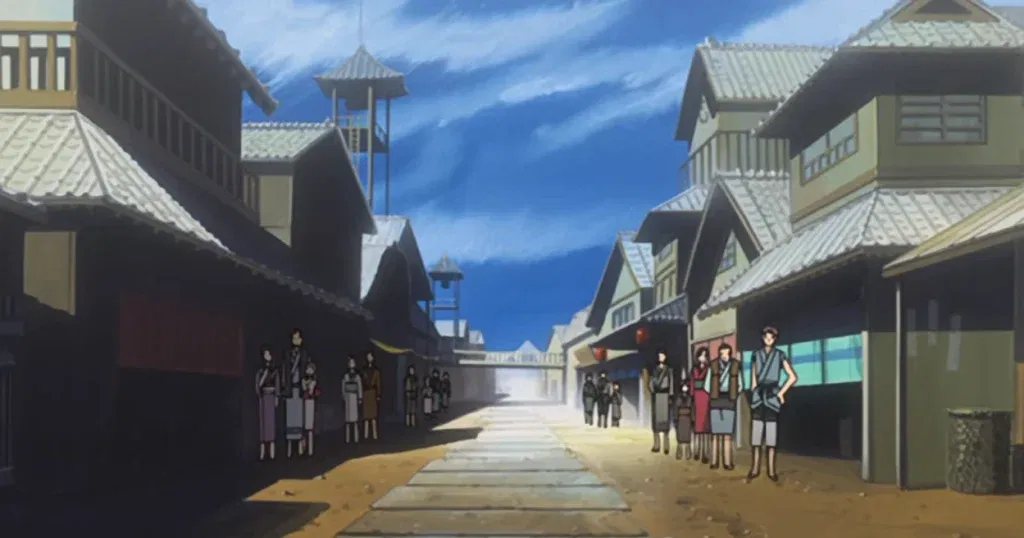 Rukongai from Bleach | Credits: Studio Pierrot
Dying doesn’t end suffering in Bleach; it just relocates it. Souls reborn into Rukongai’s outer districts still starve, freeze, and claw over scraps, and enough deprivation can erase them from existence entirely, a second death with no third chance after it.
Meanwhile, nobles and Seireitei residents want for nothing. Soul Society loves to frame itself as a peaceful afterlife, but its outskirts run on the same poverty and neglect as the world the dead supposedly left behind. Death was never the equalizer it’s advertised to be. Grim and systemic, but it’s background texture rather than a plot-driving revelation, so it sits at 8th.
7 Central 46 Was a Puppet Court That Signed off on an Innocent’s Death
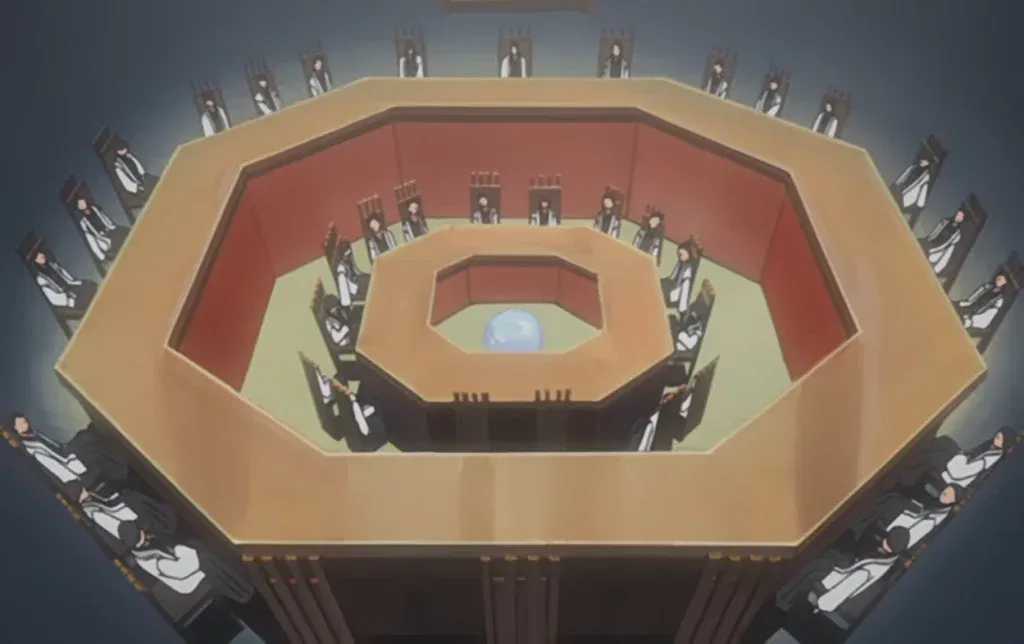 Central 46 from Bleach | Credits: Studio Pierrot
During the Soul Society Arc, the real Central 46 had already been quietly murdered and replaced by illusions under Aizen’s control, and this fabricated court still rubber-stamped Rukia Kuchiki’s execution without anyone higher up noticing the switch.
Nobody questioned it, nobody double-checked, and an innocent woman came within a day of dying for a crime that was never hers. The implication lingers well past that arc: Soul Society’s highest legal authority can be forged, ignored, or hijacked, and the system barely notices the difference. 7th because damning, but it’s one forged court on one occasion, a failure of process rather than proof of total systemic corruption.
6 The Quincy Were Nearly Erased to Protect a System, Not a Person
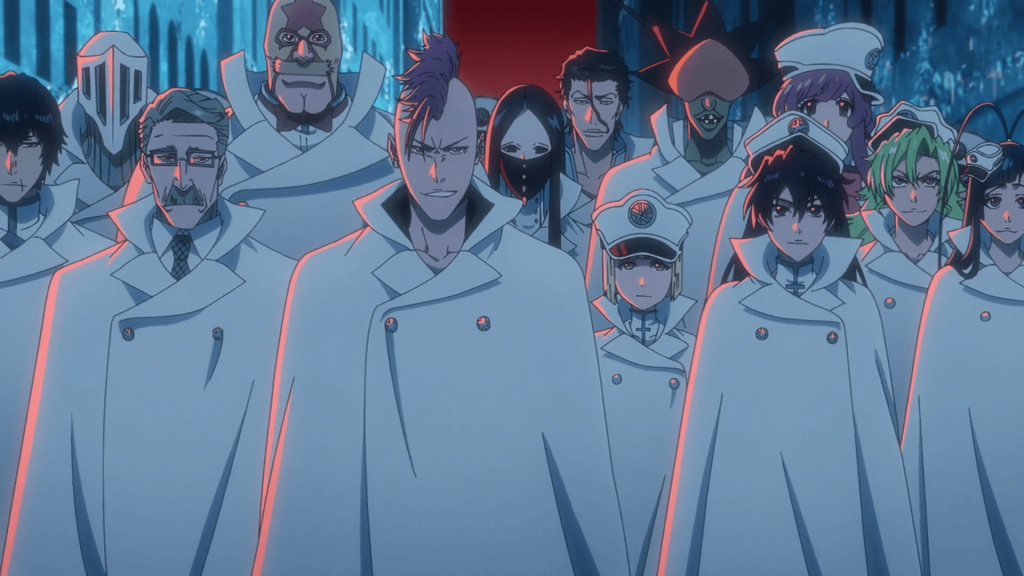 The Quincy from Bleach | Credits: Studio Pierrot
Centuries before the story begins, Soul Society didn’t just defeat the Quincy; it moved to wipe them out almost entirely, framing extermination as necessary upkeep for the balance between souls and Hollows. That justification is the chilling part. This wasn’t personal vengeance; it was bureaucratic maintenance, a targeted genocide filed away as routine population control.
Yhwach‘s entire war, and the deaths of countless Sternritter and shinigami alike, trace back to a decision Soul Society still doesn’t discuss with any real shame or accountability attached to it. Genocide framed as bureaucracy earns its 6th higher, since it implicates the whole institution rather than a single bad actor.
5 Enough Despair Can Turn Any Grieving Soul Into a Mindless Hollow
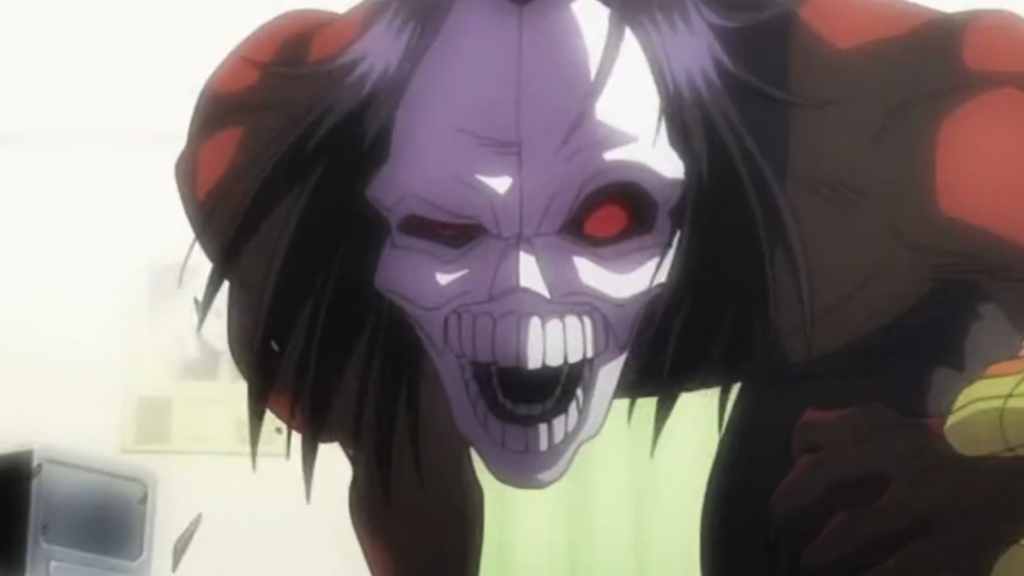 Hollows from Bleach | Credits: Studio Pierrot
Hollowfication in Bleach isn’t reserved for villains – it’s a fate any sufficiently broken soul can fall into. Enough grief, regret, or despair after death can strip a person of their memories and humanity entirely, leaving a mask-wearing monster that devours other souls to fill a hole it can’t even remember having. Orihime’s own brother nearly went this route.
There’s no warning system, no safety net, just the quiet possibility that dying with too much emotional wreckage left behind is its own kind of damnation, no villain required. This one’s higher at 5th because it isn’t limited to villains or backstory – it’s an ongoing risk baked into how the whole afterlife works.
4 Orihime’s Power To Erase Death Also Quietly Erases What Death Means
 Orihime from Bleach | Credits: Studio Pierrot
Orihime Inoue’s Shun Shun Rikka doesn’t heal wounds so much as reject that they ever happened, rewinding reality itself. Pushed far enough, that ability blurs into undoing death outright, which sounds heroic until you sit with what it implies: every sacrifice in the series exists on borrowed permanence.
If the right person with the right power shows up in time, loss can simply be argued out of existence. That quietly cheapens every death the story asks readers to mourn, since none of them were ever fully final to begin with. Ranked above Hollowfication because it doesn’t just threaten characters; it undercuts the emotional stakes of the entire series.
3 Aizen Was a Monster Whose Read on Soul Society’s Rot Was Right
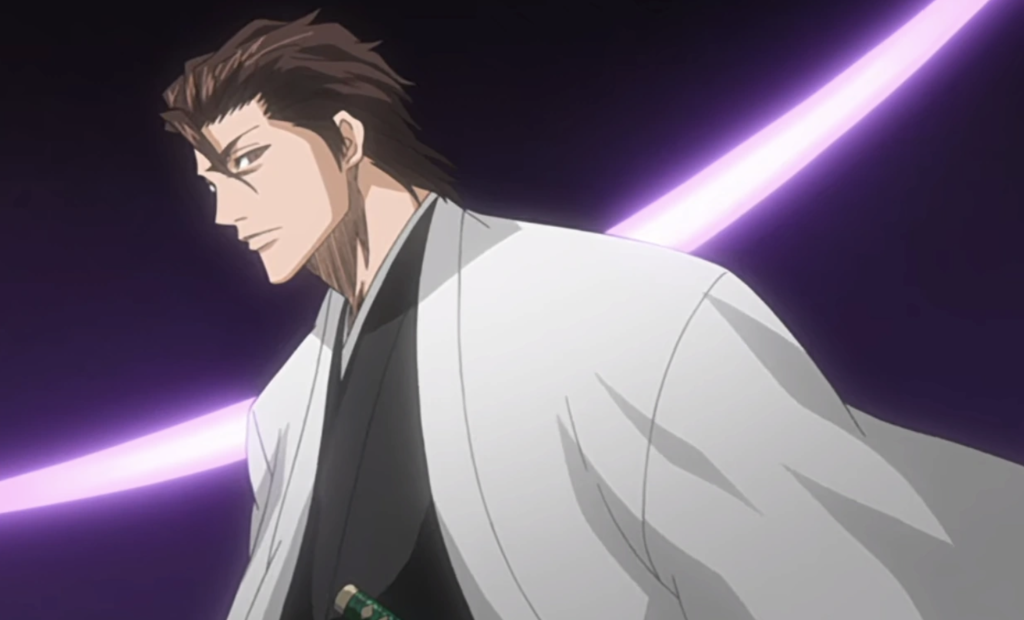 Sosuke Aizen from Bleach | Credits: Studio Pierrot
Sosuke Aizen manipulated, murdered, and experimented on people without remorse, but his diagnosis of Soul Society wasn’t wrong. He called it a stagnant, self-satisfied system that mistook centuries of unquestioned tradition for actual justice, and the series backs him up again and again, from the Central 46 farce to the Quincy genocide to a Rukongai left to rot.
Aizen used that truth to justify horrific violence, which makes him no less monstrous, but Bleach never lets Soul Society off the hook just because its critic happened to be evil. Why 3rd? Aizen’s evil doesn’t cancel his point, and having the story’s chief monster be its most accurate critic is a heavier gut-punch than any single crime.
2 Hell Seems Reserved Less for Evil Than for Overwhelming Strength
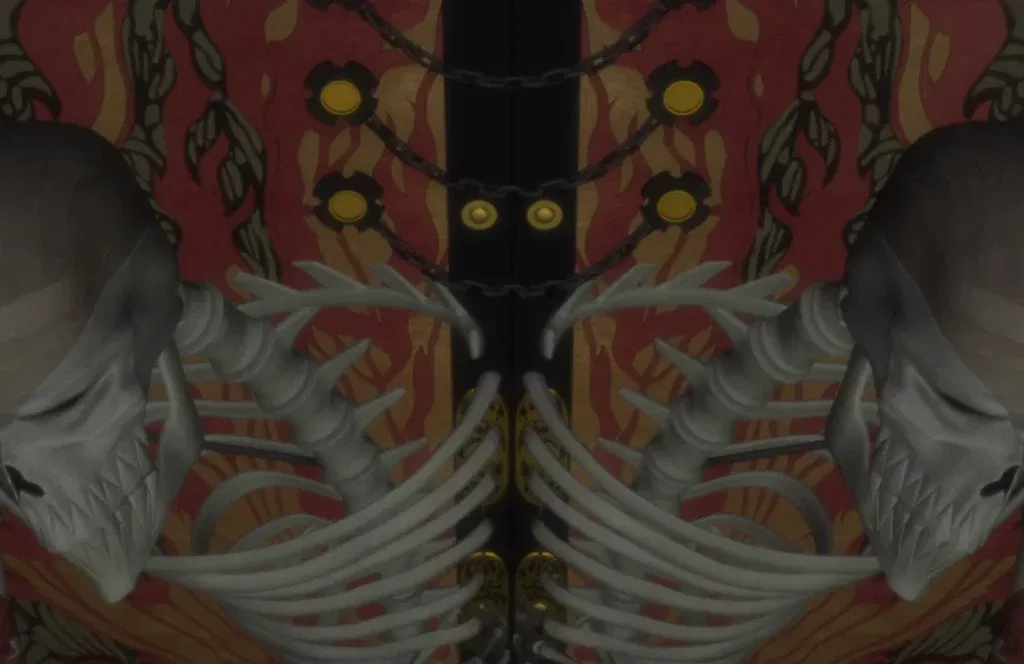 The Gates of Hell from Bleach | Credits: Studio Pierrot
Hell in Bleach is technically meant for souls guilty of serious sin, but the pattern that emerges is uglier than that. Shinigami and Arrancar whose power grows too immense get pulled down there too, sin or no sin, simply because their strength is too dangerous for the ordinary cycle of souls to hold.
Captains as respected as Genryusai Yamamoto and Unohana end up there after death through the Konso Reisai. Being powerful enough stops being an achievement and starts being a quiet life sentence, which makes strength itself feel like a curse in disguise. This edges out Aizen because it’s not one villain’s opinion; it’s the actual cosmic rulebook, and it condemns heroes right alongside villains.
1 The Soul King Is a Mutilated, Silenced God Propping up All Existence
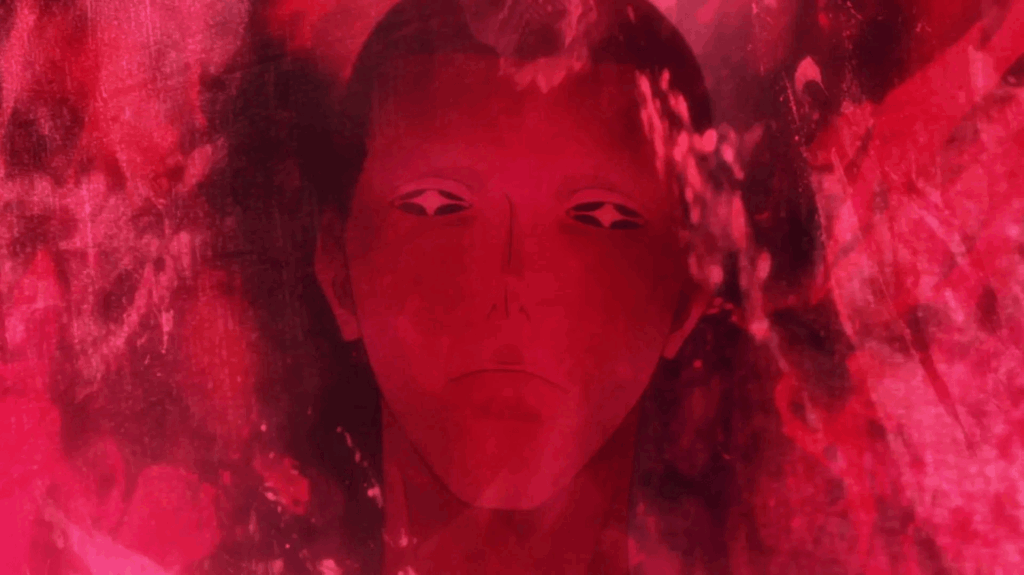 The Soul King from Bleach | Credits: Studio Pierrot
The Soul King isn’t a ruling god – he’s a captive one. Ancient shinigami ancestors dismembered him, sealed his crystallized body in the Royal Palace, and built the split between the Human World, Soul Society, and Hueco Mundo on top of that sacrifice, and he’s stayed sentient through it all, unable to move or speak for a millennium.
Everyone’s existence depends on a being nobody asked. That original sin sits quietly under every peaceful moment in the series, a reminder the world was built on someone else’s silenced suffering. The top spot goes to the one implication everything else in the series quietly rests on, making it the darkest by default.
| RANKING | IMPLICATIONS |
| 1 | The Soul King’s existence. |
| 2 | The Hell reservation system. |
| 3 | Aizen was right all along. |
| 4 | Orihime’s powers to rewrite the concept of death. |
| 5 | Hollowfication. |
| 6 | The Quincy massacre reasoning. |
| 7 | The Central 46 court. |
| 8 | Rukongai. |
| 9 | Urahara, Yoruichi, and the Visored’s banishment. |
| 10 | Nemu’s reality. |
What are your thoughts on our ranked list of the darkest implications made in the Bleach series by Tite Kubo? Is there one we missed? We’d love to hear your top picks and opinions in the comments below.
All Episodes of Bleach, including the Thousand-Year Blood War Arc, are available to watch on Hulu.

















/https%3A%2F%2Fsportsmole-media-prod.s3.gra.io.cloud.ovh.net%2Fuploads%2F2026%2F03%2Ficonsport-361551-0102-1-69b560866f7b6508942731.jpg)
 Bengali (BD) ·
  English (US) ·