.png)
 1 hour ago
3
1 hour ago
3
The 2010s handed anime some of its most ambitious constructed worlds ever put on screen: walled cities hiding centuries of buried history, bottomless pits that punish curiosity, algorithms running entire justice systems, and gods who outlawed war and replaced it with games.
Good worldbuilding does more than decorate a story; it dictates what characters can do and want, and the decade’s best shows understood that completely. This ranking counts down ten anime, from clever to genuinely staggering, where the setting became the main character, including a 1999 remake no list like this could skip: Hunter x Hunter (2011).
10 No Game No Life Turns War Into a World Ruled Entirely by Games
 No Game No Life | Credits: Madhouse
Sora and Shiro get pulled from their shut-in lives into Disboard, where the god Tet has outlawed war and made every dispute, big or small, a matter of winning a game instead. Sixteen races sit ranked by their affinity for magic, with Imanity dead last, which is why watching two gamer siblings claw up that ladder feels so satisfying. Rules stack on rules, loopholes hide inside loopholes, and it’s a clever system dressed in bright, silly colors. It sits at the bottom because the ideas outpace the stakes: brilliant scaffolding, thinner payoff.
9 Land of the Lustrous Builds a Whole Cosmology Out of Broken Gems
 Land of the Lustrous | Credits: Orange
Twenty-eight immortal gem people live on a ruined future Earth, hunted by moon-dwelling Lunarians who want to smash them apart for decorations. Every character design bakes in real mineral science – hardness, fracture, and the way light interacts with crystals – so the worldbuilding sits inside the cast itself, not just the backdrop. Phos starts as the most useless gem of the bunch and slowly gets rebuilt, piece by piece, into something else entirely, and it gets genuinely unsettling. It ranks above No Game No Life because its mystery actually detonates, not just piles up.
8 Psycho-Pass Lets a Machine Decide Who Still Counts as Human
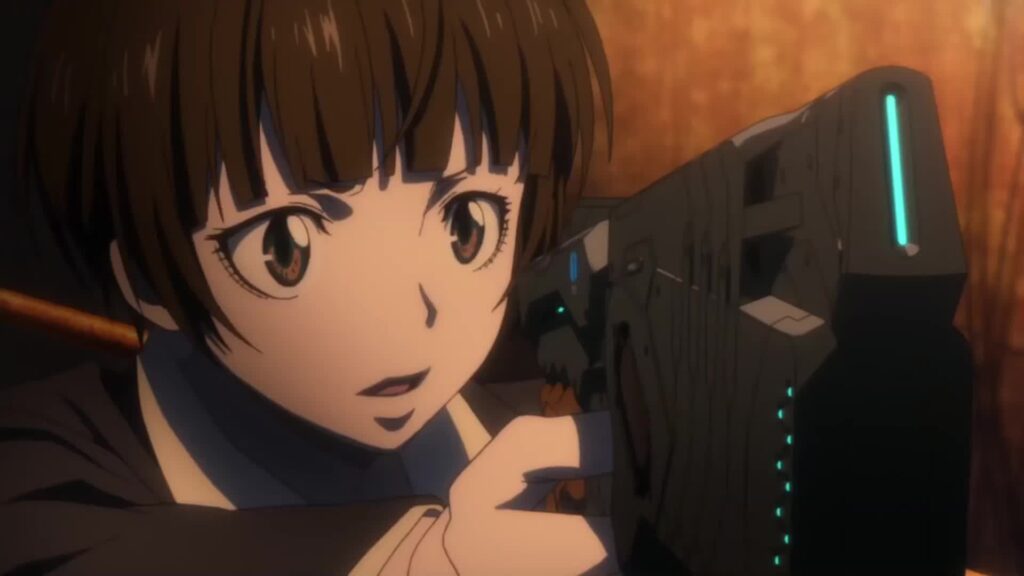 Psycho-Pass | Credits: Production I.G
Japan hands its entire justice system to the Sibyl System in Psycho-Pass, which scans people’s mental states and produces a Crime Coefficient that can flag them as potential criminals before they have committed a crime. Enforcers carry Dominators, guns that only fire once Sibyl approves the target, turning every case into an argument about free will with a loaded weapon attached. The show never lets you settle on whether Sibyl protects people or simply manages them like livestock. It edges out Land of the Lustrous because its worldbuilding doubles as an actual argument, not just scenery.
7 Fate/Zero Turns One City Into a Battlefield for Wishes and Legends
 Fate/Zero | Credits: Ufotable
Seven magi summon legendary heroes from history and myth into modern-day Fuyuki City, then set them loose in a deadly Holy Grail War over a wish-granting vessel. The ritual itself was created by the Einzbern, Matou, and Tohsaka families, while the seven Masters and their Servants bring figures from entirely different eras into one conflict. Kings, knights, and assassins are forced to weigh who they were against what winning would actually cost them. It sits above the political anime Psycho-Pass because it pulls its rules from centuries of borrowed history, not one city’s present.
6 Re:Zero Builds a Fantasy World That Punishes Every Single Mistake
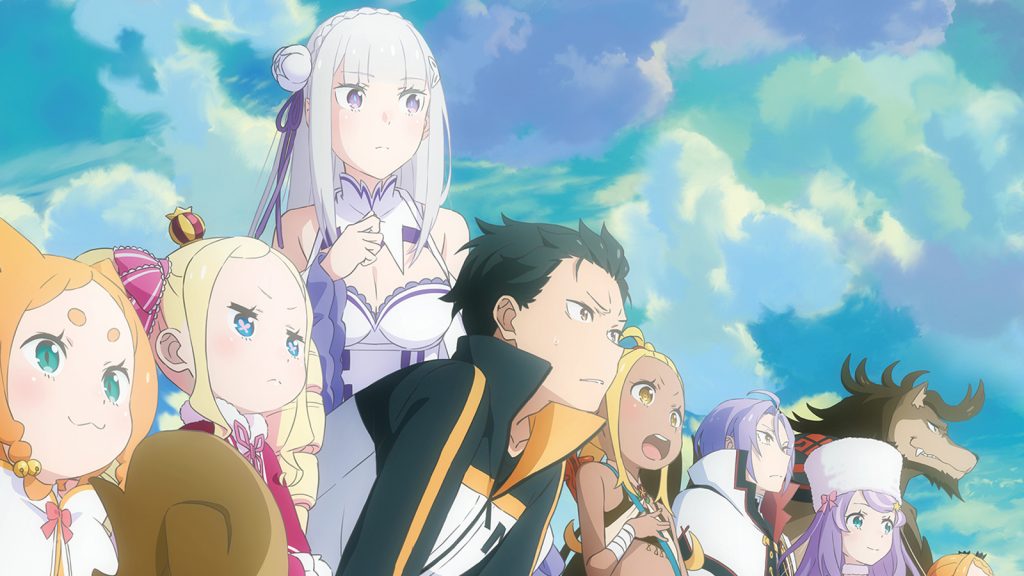 Re:Zero | Credits: White Fox
Subaru gets pulled into an isekai fantasy kingdom and immediately dies, only to wake back up at an earlier point whenever he’s killed, with nobody but him remembering it happened. That one rule reshapes the kingdom around him: court intrigue, the Witch Cult, mabeasts, and a royal selection all turn into puzzles solved through repeated failure and real trauma, never simple plot armor. The world also has centuries of history involving witches, demi-humans, and conflicts that long predate Subaru’s arrival. It beats Fate/Zero because its mechanic makes the world punish the hero personally, not everyone else.
5 The Promised Neverland Hides a Farm Behind Every Happy Childhood
 The Promised Neverland | Credits: CloverWorks
Emma and her siblings grow up in a warm orphanage called Grace Field House, until they discover the place is actually a human farm, with children raised as food for demons. Every cozy detail from the early episodes gets recast as monstrous once the truth lands, and the story gradually reveals a much larger system of farms, demon society, and the centuries-old agreement separating the human and demon worlds. It ranks over Re:Zero because its reveal rewires the meaning of the setting itself.
4 Vinland Saga Turns Viking History Into a Brutal Coming-of-Age Epic
 Vinland Saga | Credits: MAPPA
Thorfinn grows up chasing revenge across Vinland Saga; a researched slice of Viking-age history, from English coastlines under Danish invasion to Icelandic farmsteads, with real figures like Canute woven into the fiction. The show treats war and slavery with none of the usual anime glamor, showing plainly what raiding and empire-building actually cost the people living through them. Watching Thorfinn’s worldview collapse and rebuild against a setting this grounded gives the story a weight most fantasy worldbuilding never reaches. It outranks The Promised Neverland because its world is history itself, rebuilt with conviction.
3 Made in Abyss Turns Curiosity Into the Deadliest Descent in Anime
 Made in Abyss | Credits: Kinema Citrus
In the 2017 anime, the Abyss is a roughly 20,000-meter-deep chasm that has swallowed explorers for centuries; the deeper you go, the more incredible the discoveries and the worse the Curse of the Abyss becomes on the way back up. That rule – ascending hurts more than descending – turns exploration into a one-way bet, and by the sixth layer, the consequences can include the loss of humanity or death. Riko and Reg’s descent keeps unveiling new ecosystems and horrors, and the cute art style only makes the cruelty land harder. It ranks above Vinland Saga because its law reshapes every choice a character makes.
2 Hunter x Hunter (2011) Builds a Power System Smarter Than Its Heroes
 Hunter x Hunter | Credits: Madhouse
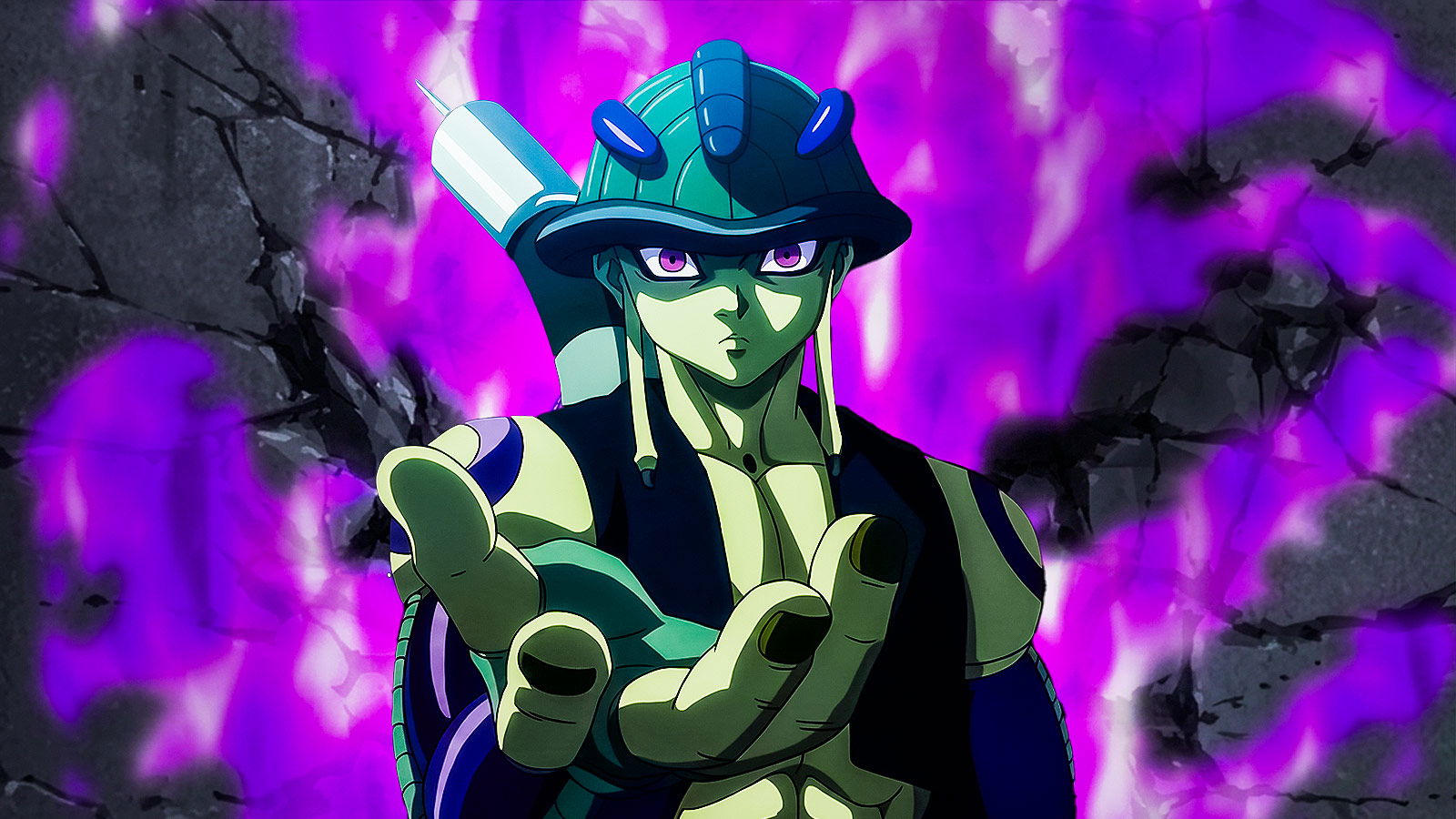
Togashi built Nen around six aura categories with clean, learnable logic, then spent just as much care exploring what happens when characters push against those rules: Chimera Ants developing extraordinary abilities, the Zoldyck family’s assassin traditions, and the increasingly complicated Nen conditions of the Succession War. Every arc introduces a system, lets you learn it, then finds the seam where it stops working in familiar ways. Hunter x Hunter ranks second because its worldbuilding is smarter than almost anything here, just barely.
1 Attack on Titan Turns Three Walls Into a Century of Buried Secrets
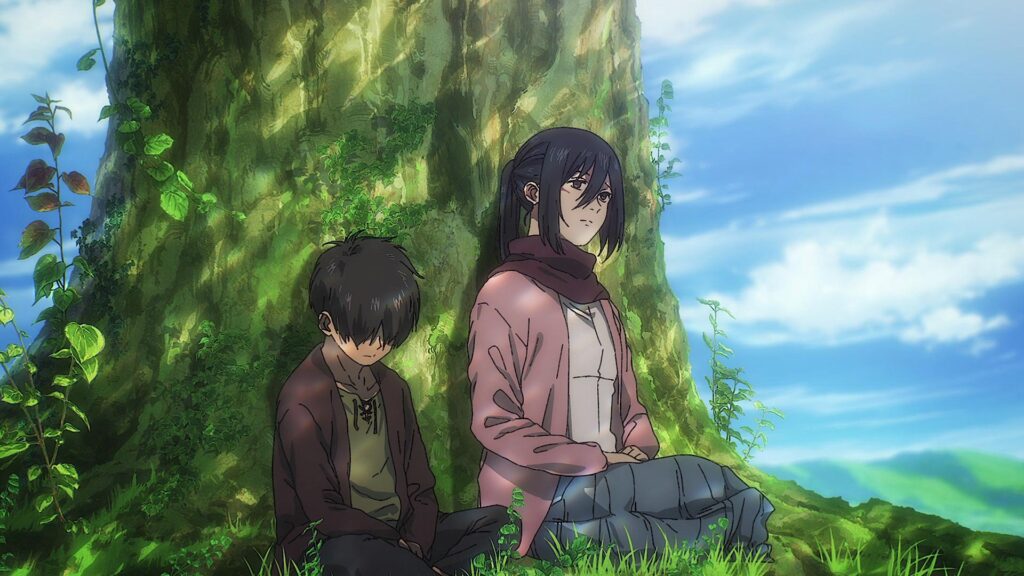 Attack on Titan | Credits: MAPPA
The people of Paradis huddle behind three walls – Maria, Rose, and Sina – believing they are humanity’s last survivors while Titans threaten the civilization inside them. Every answer the show gives about those Titans’ origin opens a bigger, uglier question. Eldia, Marley, the nine Titan powers passed down through generations, and the history of the Walls all lock into an intricately layered mythology that repeatedly recontextualizes what came before. Few shows pull off a reveal this large without the seams showing. Attack on Titan takes the top spot because nothing else here rebuilds its world so often and still makes it click.
What are your thoughts on our list of 2010s anime with the best worldbuilding? We’d love to know your picks and opinions in the comments below.






















 Bengali (BD) ·
  English (US) ·