.png)
 1 hour ago
8
1 hour ago
8
Article content
“We just need the province to give us time to figure this out,” she said. “If they rip out that line, it’s never going back in. Other countries would look at this as an opportunity.”
Article content
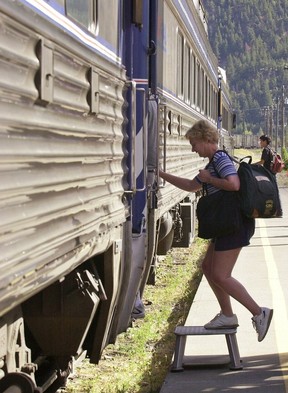
Article content
Mountain Valley Institute, a non-profit dedicated to bringing regional rail to B.C.’s south coast, recently received $20,000 from the Squamish-Lillooet Regional District to fund the start of a passenger rail feasibility study that will look at travel times, capital and operating cost estimates and ridership.
Article content
Director Lee Haber, a transportation engineer, said that while the study is not yet complete, he believes it would be possible to get the travel time down to about two hours. “Not faster than the drive, but in the ballpark,” he said.
Article content
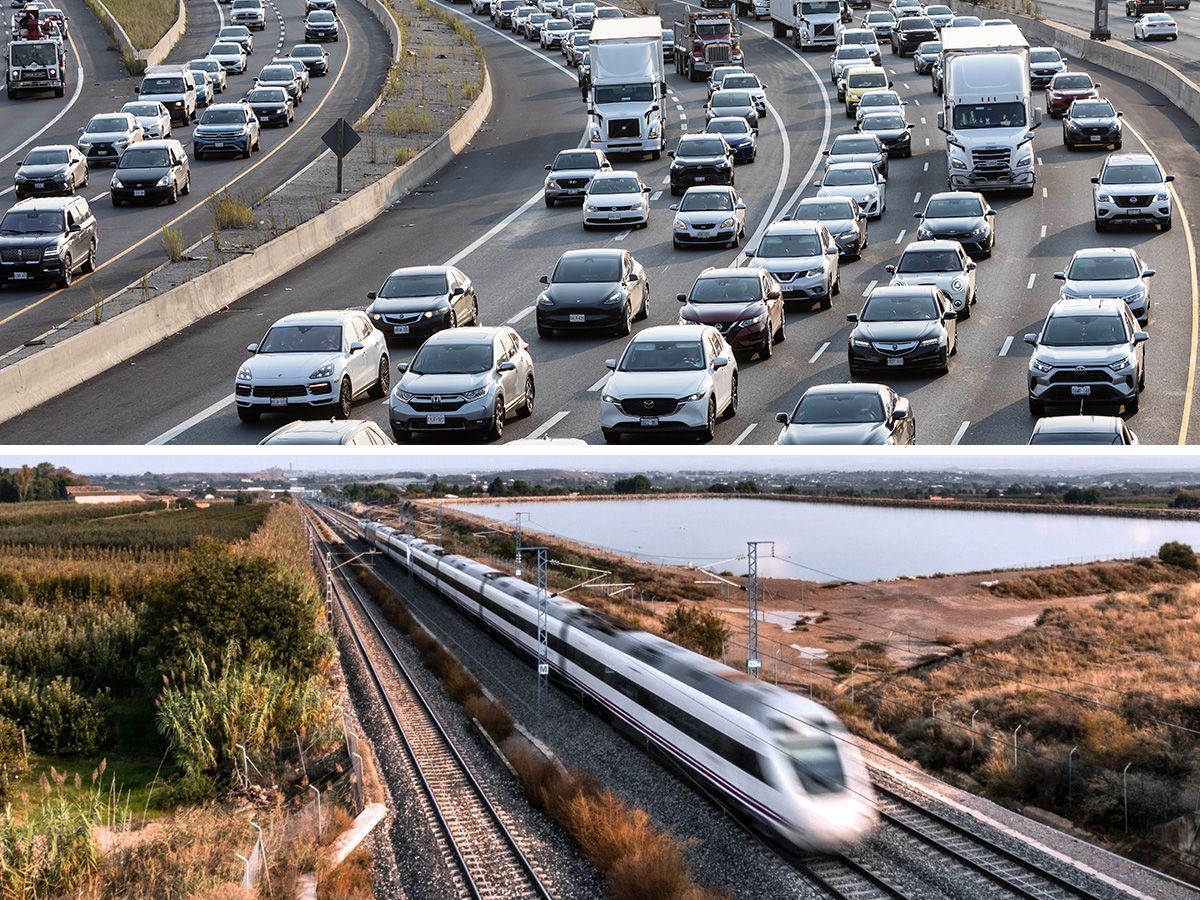
That will be important to get people out of their cars and capture about five per cent of the traffic that uses the highway, which would ensure full trains. The aim is 10 trips a day between North Vancouver and Pemberton, and one a day as far as Lillooet.
Article content
Haber said cost is an important consideration. There will be upfront capital costs, such as upgraded signalling, which would allow trains to move faster, as well a fiber-optic system to ensure there are no obstacles on the track. He estimated a $100 million pricetag for the work.
Article content
Article content
Like Muri, he wants government to “think bigger” and see the economic opportunities that passenger service could bring to the region. Combined with a bikeway or trail system, where people could cycle or walk between Sea to Sky communities and take the train back, would attract more tourists. A hotel tax or sales tax could provide an operating subsidy, he said.
Article content
Wasn’t there passenger rail service to Whistler in the past?
Article content
On Oct. 31, 2002, the Cariboo Prospector, a passenger train that ran between North Vancouver and Prince George, made its last trip.
Article content
Faced with a $5 million loss the year before, plus a $2 million loss on the luxury Whistler Northwind, B.C. Rail decided to get out of passenger rail and focus on freight.
Article content
At the time, provincial Transportation Minister Judith Reid said the province didn’t have money to invest in passenger rail.
Article content
“What we are hearing from people around the province is that they want government to focus on education and health care,” she said.
Article content

Article content
Why would this succeed when previous attempts failed?
Article content
While the transportation minister’s comments back in 2002 still have a ring of truth today, there have been big changes in the Sea to Sky region over the last 25 years.
Article content
Article content
Squamish is one of Canada’s 10 fastest-growing communities, according to census data, growing an average of three per cent every year, for a 21.8 per cent five-year growth rate. The municipality’s website says its population is about 24,000, but it is projected to reach in excess of 36,000 residents by 2040.
Article content
Thompson, who commutes from Whistler to North Vancouver two days a week after landing her dream job, said she notices a surge of traffic when she goes through Squamish. She suspects many people, like her, would prefer a commuter train to the highway.
Article content
Haber pointed to Europe and Japan, where rail connects communities and reduces reliance on cars.
Article content
“When the highway is closed, the current system doesn’t work,” he said.
Article content
What happens next?
Article content
The discussion about passenger rail service is happening in the wider context of the end of the CN lease, which has implications for communities along the rail corridor beyond commuters, skiers and tourism in the Sea to Sky region.
Article content
There are fears that if the rail line reverts to the province without a plan it could be abandoned or sold for scrap.























/https%3A%2F%2Fsportsmole-media-prod.s3.gra.io.cloud.ovh.net%2Fuploads%2F2026%2F02%2Fimago1072832028-1-1-6996d086195c8904803070.jpg)
 Bengali (BD) ·
  English (US) ·