.png)
 1 hour ago
4
1 hour ago
4

Article content
Why is Canada exceptional? The populist right is rising all over the world. But not here.

THIS CONTENT IS RESERVED FOR SUBSCRIBERS
Enjoy the latest local, national and international news.
- Exclusive articles by Conrad Black, Barbara Kay and others. Plus, special edition NP Platformed and First Reading newsletters and virtual events.
- Unlimited online access to National Post.
- National Post ePaper, an electronic replica of the print edition to view on any device, share and comment on.
- Daily puzzles including the New York Times Crossword.
- Support local journalism.
SUBSCRIBE FOR MORE ARTICLES
Enjoy the latest local, national and international news.
- Exclusive articles by Conrad Black, Barbara Kay and others. Plus, special edition NP Platformed and First Reading newsletters and virtual events.
- Unlimited online access to National Post.
- National Post ePaper, an electronic replica of the print edition to view on any device, share and comment on.
- Daily puzzles including the New York Times Crossword.
- Support local journalism.
REGISTER / SIGN IN TO UNLOCK MORE ARTICLES
Create an account or sign in to continue with your reading experience.
- Access articles from across Canada with one account.
- Share your thoughts and join the conversation in the comments.
- Enjoy additional articles per month.
- Get email updates from your favourite authors.
THIS ARTICLE IS FREE TO READ REGISTER TO UNLOCK.
Create an account or sign in to continue with your reading experience.
- Access articles from across Canada with one account
- Share your thoughts and join the conversation in the comments
- Enjoy additional articles per month
- Get email updates from your favourite authors
Sign In or Create an Account
or
Article content
The age of Trump began even before Donald Trump’s first election, with Brexit. Ten years on, the populist right is strong in Britain, with Nigel Farage’s Reform occupying a central place. Indeed, there is yet another populist party, more hardcore: Restore. What’s next? Rewind?
Article content
Article content
Article content
How remarkable is the populist wave? Poland, of all places, has not one, but two, pro-Russian populist parties.
Article content
By signing up you consent to receive the above newsletter from Postmedia Network Inc.
Article content
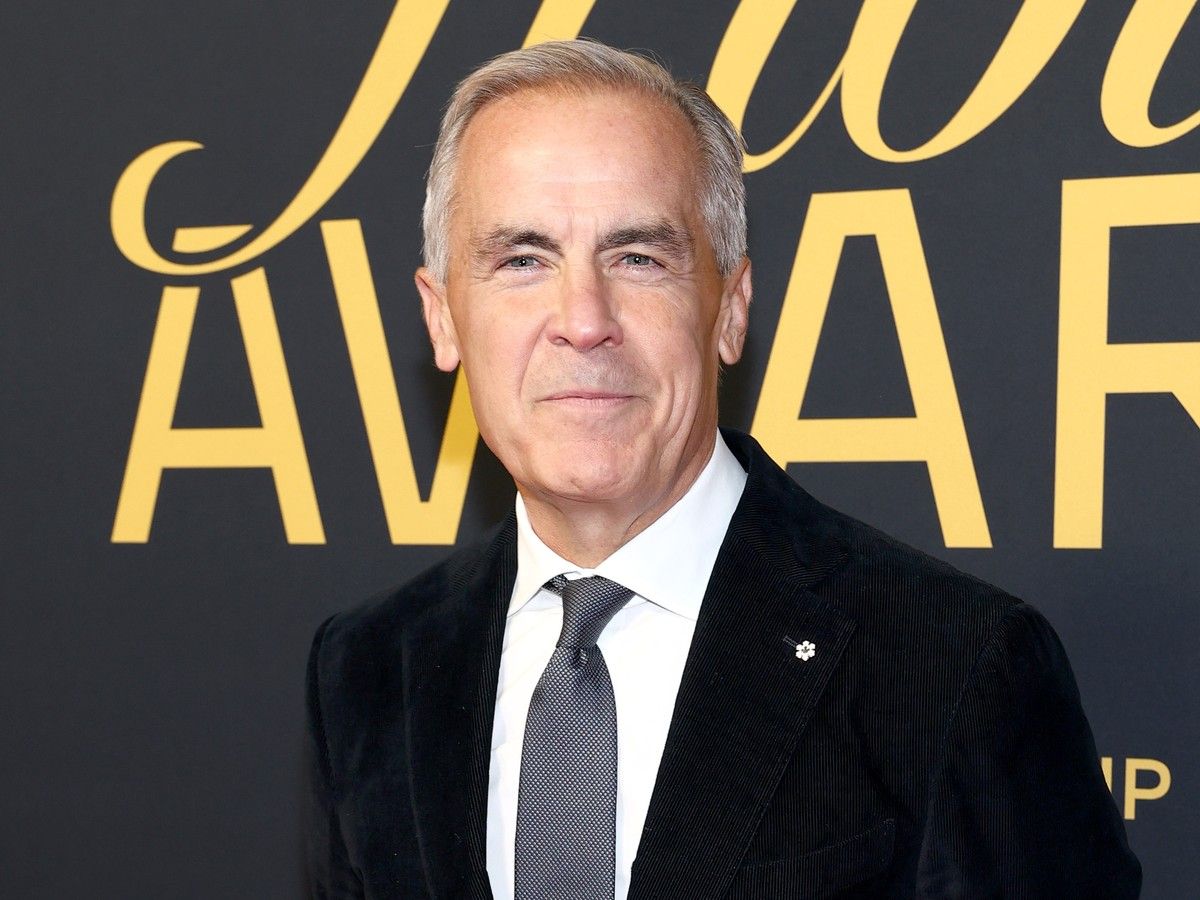
So why not Canada? Our quondam colleague in these pages, Andrew Coyne, recently offered several reasons in The Globe and Mail. Just as the populist wave was rising, Canada’s customary 10-year cycle of changing prime ministers brought Justin Trudeau in to replace Stephen Harper. By the time Trudeau’s 10 years were up, when conditions would have been favourable for the populist right, the spectre of Trump drove Canadians back to stability, and Mark Carney.
Article content
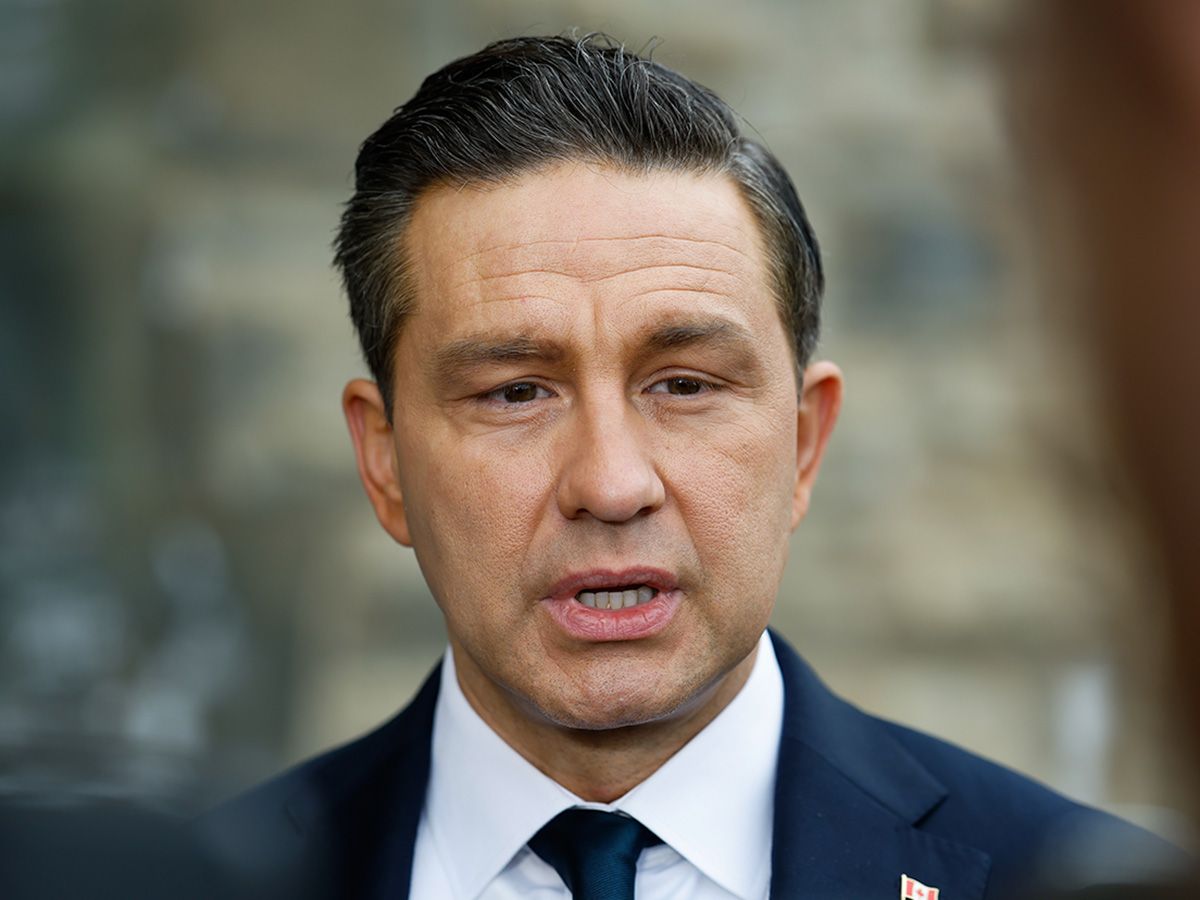
Pierre Poilievre, by nodding toward the Trumpian elements in Canada, absorbed them entirely — the People’s Party of Maxime Bernier was wiped out with his rise. Thus they were kept within a larger mainstream party, the dynamics of which prevent it from becoming utterly extreme.
Article content
I might offer a complementary explanation, having grown up in Calgary in the 1980s, when Preston Manning was launching the Reform Party. Forty years ago next month Manning held the first meetings in Calgary that gave rise to the official founding of the Reform Party in 1987.
Article content
Article content
Canada’s populist rise was 30 years ahead of the age of Trump, and it was a responsible populism, due largely to Manning’s prudence and temperament. Manning came by it honestly — his father, Ernest Manning, was Alberta’s longest-serving premier. Following his father, Manning offered a constructive populism, not the destructive varieties that have flowered in the Trumpian garden.
Article content
Article content
Manning’s original slogan was “the West wants in” — certainly not separation. He offered a positive agenda, thoughtfully argued, not mere oppositional agitation. He suffered fierce criticism at the time for being radical, but he really wasn’t.
Article content
Tom Flanagan’s book on Manning was called “Waiting for the Wave.” Manning’s reading of Alberta and western Canadian history was that there were waves of populism, fuelled by cycles of discontent with the prevailing system. The task of the responsible leader was to see the wave cresting and prepare to ride it, but to direct those powerful energies toward constructive purposes.
Article content
The wave Manning spotted was a powerful one, potent enough to obliterate the party of Sir John A. Macdonald in the 1993 election. His arrival in Ottawa had a positive impact on the signature policy achievements of the Chrétien government — balancing the budget, the Clarity Act, and development of Canada’s (Alberta’s) oil and gas sector.



















 Bengali (BD) ·
  English (US) ·