.png)
 11 hours ago
18
11 hours ago
18
Article content
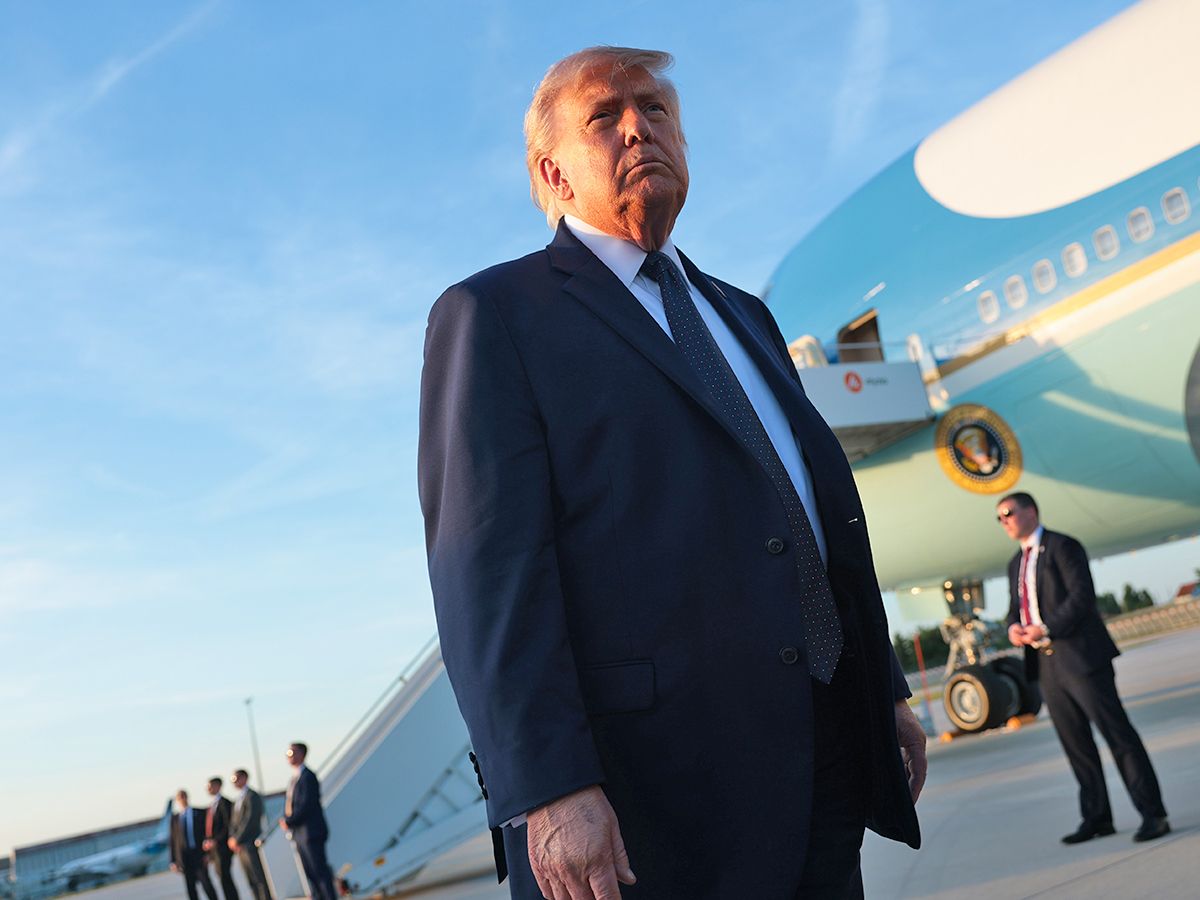
The United States and Iran have entered a dangerous new phase of their conflict. Fierce military confrontations around the Strait of Hormuz have escalated pushing the Middle East to a wider regional conflict. As casualties mount and attacks spread beyond the immediate battlefield, the fighting now threatens not only regional stability but the global economy through one of the world’s most critical energy chokepoints.

THIS CONTENT IS RESERVED FOR SUBSCRIBERS
Enjoy the latest local, national and international news.
- Exclusive articles by Conrad Black, Barbara Kay and others. Plus, special edition NP Platformed and First Reading newsletters and virtual events.
- Unlimited online access to National Post.
- National Post ePaper, an electronic replica of the print edition to view on any device, share and comment on.
- Daily puzzles including the New York Times Crossword.
- Support local journalism.
SUBSCRIBE FOR MORE ARTICLES
Enjoy the latest local, national and international news.
- Exclusive articles by Conrad Black, Barbara Kay and others. Plus, special edition NP Platformed and First Reading newsletters and virtual events.
- Unlimited online access to National Post.
- National Post ePaper, an electronic replica of the print edition to view on any device, share and comment on.
- Daily puzzles including the New York Times Crossword.
- Support local journalism.
REGISTER / SIGN IN TO UNLOCK MORE ARTICLES
Create an account or sign in to continue with your reading experience.
- Access articles from across Canada with one account.
- Share your thoughts and join the conversation in the comments.
- Enjoy additional articles per month.
- Get email updates from your favourite authors.
THIS ARTICLE IS FREE TO READ REGISTER TO UNLOCK.
Create an account or sign in to continue with your reading experience.
- Access articles from across Canada with one account
- Share your thoughts and join the conversation in the comments
- Enjoy additional articles per month
- Get email updates from your favourite authors
Sign In or Create an Account
or
Article content
Article content
The fragile ceasefire has completely collapsed.
Article content
Article content
By signing up you consent to receive the above newsletter from Postmedia Network Inc.
Article content
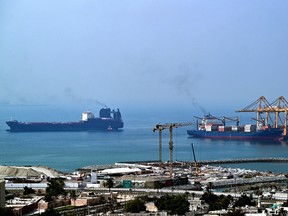
Between July 6 and July 12, Iranian drones and missiles struck multiple merchant vessels, including a Cyprus-flagged container ship, shattering any remaining illusion that the dispute could be contained through diplomacy.
Article content
The U.S. bombed more than 440 targets across Iran, Tehran announced the closure of the Strait of Hormuz.
Article content
My fears from the first day of the so-called negotiations was that Iran was using diplomacy to buy time while seeking de facto control over Hormuz — the strategic chokepoint through which roughly 20 per cent of the world’s oil passes and a potential cash cow for rebuilding its economy.
Article content
In a conversation Tuesday with Mohamed Tawhidi, the Australian Shia imam born in Iran and a prominent critic of Islamic extremism, he reiterated to me the views he shared on X after the fighting resumed.:
Article content
“The regime in Iran speaks of de-escalation when it needs time, and threatens war when it feels it has regained the initiative. It seeks sanctions relief, then channels the funds and influence toward financing its militias. It casts itself as the aggrieved party while extorting ships, threatening states and dragging the region from one crisis to the next.”
Article content
Article content
Iran also launched missiles and drones targeting U.S. bases in Kuwait, Bahrain, Oman, Jordan, and Qatar, injuring three civilians with falling shrapnel. The retaliation was predictable. Since the war began on Feb. 28, Tehran has responded to every U.S. attack with strikes on American allies in the region.
Article content
The most intense wave of Iranian attacks was directed at Bahrain and Kuwait, where the armed forces intercepted six missiles and 33 drones since last night. An Iranian strike also targeted a Kuwaiti naval vessel, injuring four naval officers.
Article content
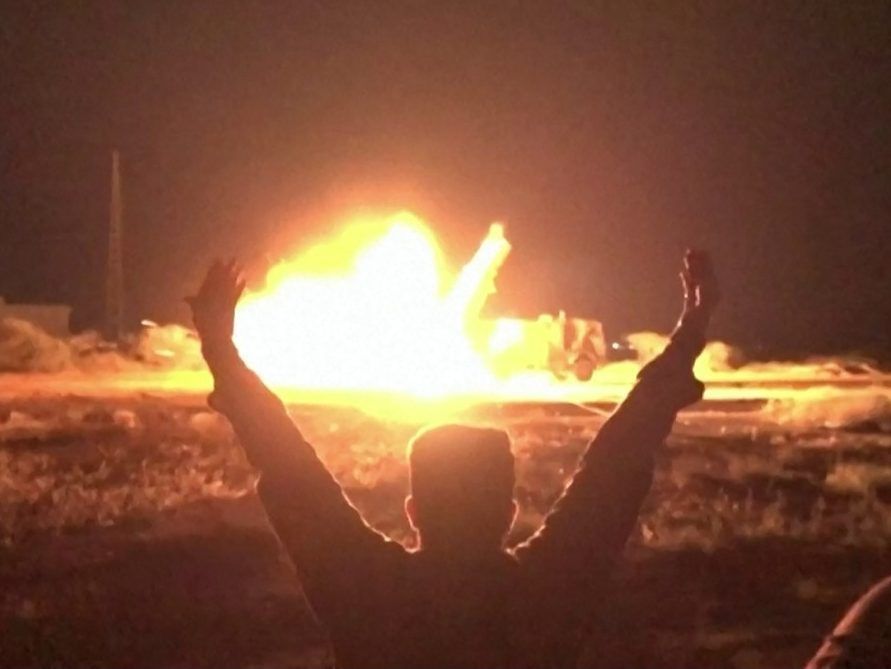
The fighting around the Strait of Hormuz, near the coasts of Iran and Oman, has reached dangerous and unprecedented levels. The Ministry of Defense of the United Arab Emirates reported that two Iranian cruise missiles struck two Emirati supertankers transiting the southern channel of the strait in Omani waters. One crew member aboard the Mombasa was killed and eight others injured.
Article content
Another troubling sign of escalation is the widening of the conflict through the Iranian-backed Houthis in Yemen, who had largely remained on the sidelines until they launched ballistic missiles and drones at southern Saudi Arabia, striking Abha International Airport and the Tihama power stations for the first time since 2022.
























/https%3A%2F%2Fsportsmole-media-prod.s3.gra.io.cloud.ovh.net%2Fuploads%2F2026%2F07%2Fdaniel-mcgregor-huyer-zuma-press-wire-luciano-gonzalez-anadolu-abacapress-com-estadio-azteca-harry-kane-jude-bellingham-composite-6a49eb8857b70695441164.png)
 Bengali (BD) ·
  English (US) ·