.png)
 1 hour ago
7
1 hour ago
7
New research says 49% of workers experiencing strain of higher costs as trade tensions between Canada, U.S. increase
Published Sep 15, 2026 • Last updated 26 minutes ago • 2 minute read

See more Toronto Sun on Google — save as a Preferred Source
Advertisement 2

THIS CONTENT IS RESERVED FOR SUBSCRIBERS ONLY
Subscribe now to read the latest news in your city and across Canada.
- Unlimited online access to articles from across Canada with one account.
- Get exclusive access to the Toronto Sun ePaper, an electronic replica of the print edition that you can share, download and comment on.
- Enjoy insights and behind-the-scenes analysis from our award-winning journalists.
- Support local journalists and the next generation of journalists.
- Daily puzzles including the New York Times Crossword.
SUBSCRIBE TO UNLOCK MORE ARTICLES
Subscribe now to read the latest news in your city and across Canada.
- Unlimited online access to articles from across Canada with one account.
- Get exclusive access to the Toronto Sun ePaper, an electronic replica of the print edition that you can share, download and comment on.
- Enjoy insights and behind-the-scenes analysis from our award-winning journalists.
- Support local journalists and the next generation of journalists.
- Daily puzzles including the New York Times Crossword.
REGISTER / SIGN IN TO UNLOCK MORE ARTICLES
Create an account or sign in to continue with your reading experience.
- Access articles from across Canada with one account.
- Share your thoughts and join the conversation in the comments.
- Enjoy additional articles per month.
- Get email updates from your favourite authors.
THIS ARTICLE IS FREE TO READ REGISTER TO UNLOCK.
Create an account or sign in to continue with your reading experience.
- Access articles from across Canada with one account
- Share your thoughts and join the conversation in the comments
- Enjoy additional articles per month
- Get email updates from your favourite authors
Article content
Rising trade tensions between Canada and the U.S. are expected to add one more layer of financial uncertainty for many Ontarians.
Article content
Article content
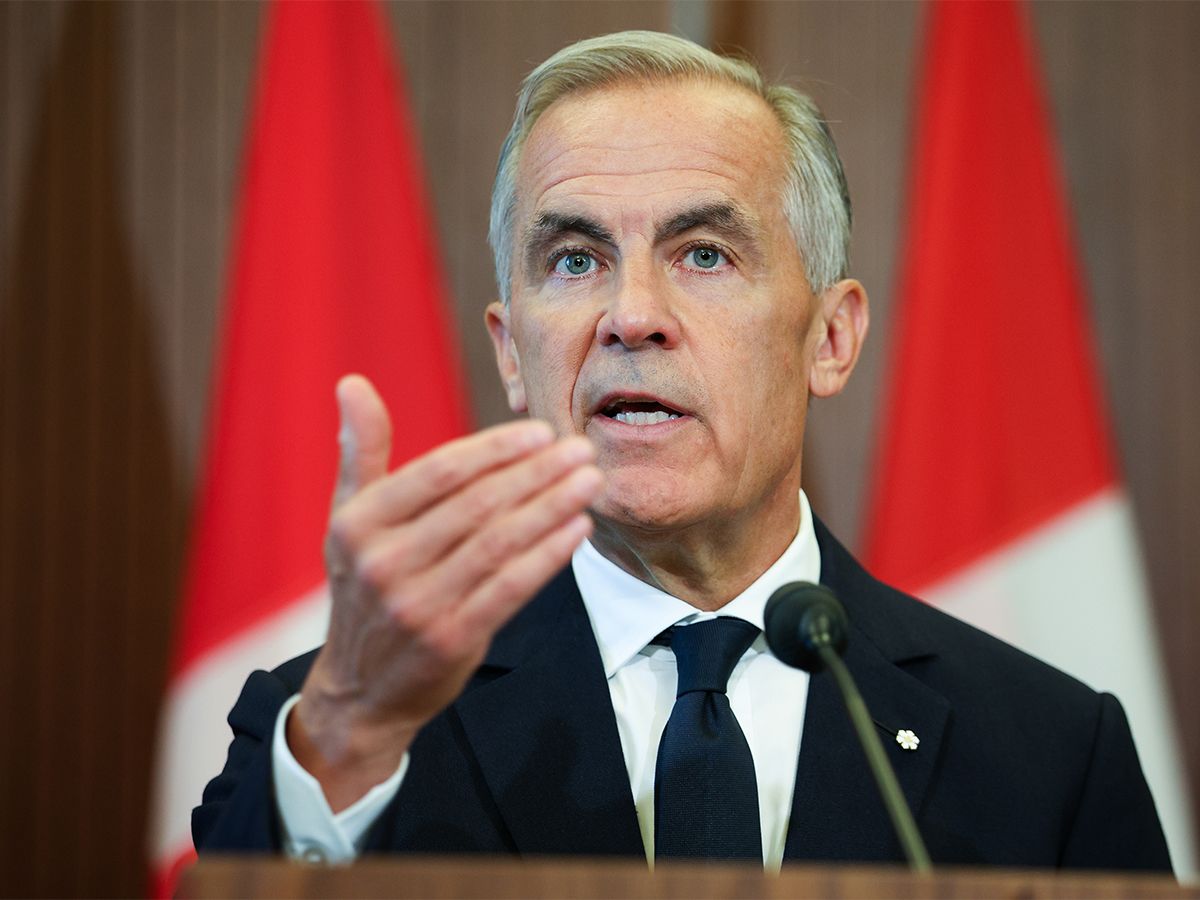
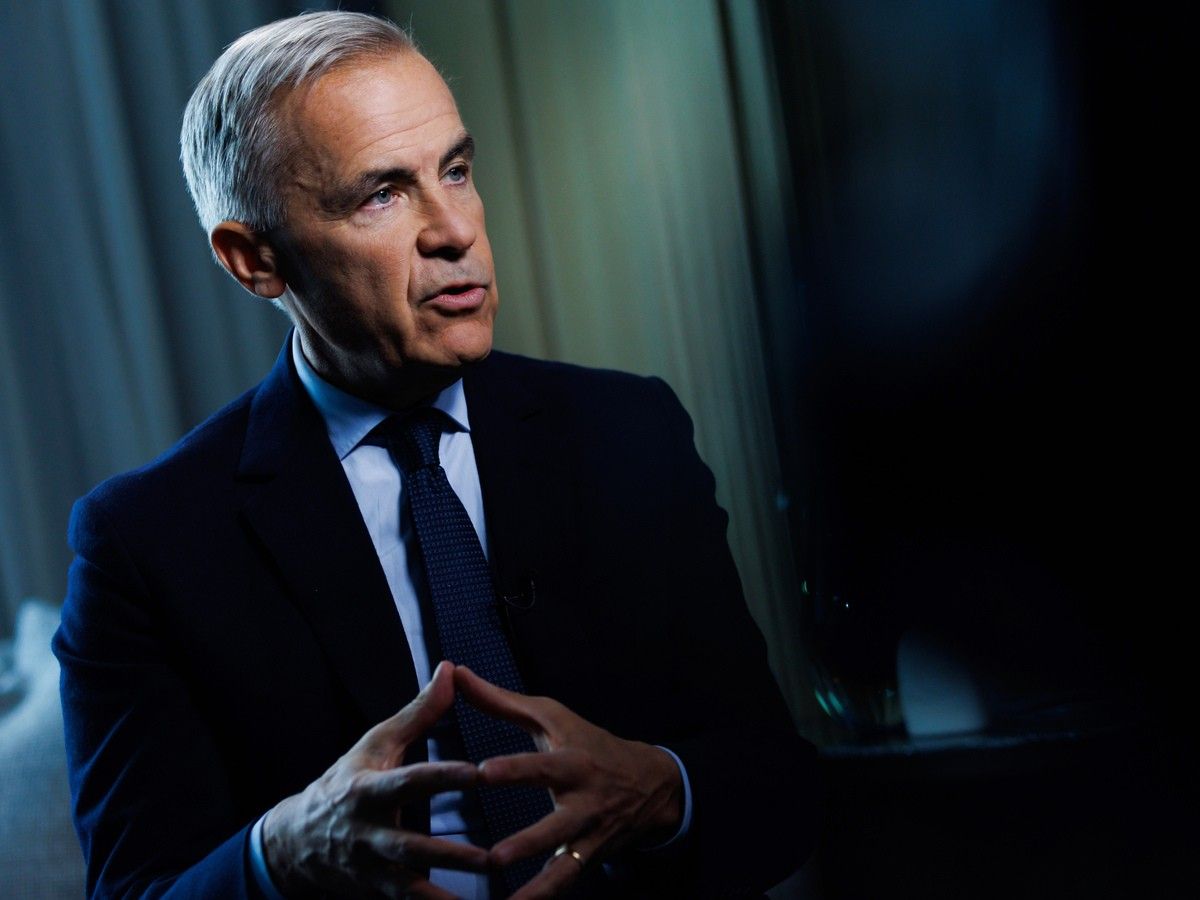
With the latest round of tariffs imposed by Canada’s most important trading partner and counter-tariff measures by Prime Minister Mark Carney’s Liberal government that went into effect last week, a lot of residents will be feeling the financial pinch in their bank accounts as prices are expected to climb.
According to new research from credit counselling agency Money Mentors, 49% of working Ontarians said they felt less financially secure than they did a year ago.
That was worse than Quebec’s 38% who said the same, but significantly lower than the 62% of Albertans and 64% in Atlantic Canada who said the cost of living is getting more uncertain.
“The result puts Ontario close to the national average, but still points to a sizable deterioration in financial security across Canada’s most populous province,” the agency said.
By signing up you consent to receive the above newsletter from Postmedia Network Inc.
Article content
Advertisement 3
Article content

Only one in five financially secure
The survey found only about one in five (19%) Ontario residents said they were more financially secure.
Those numbers were taken from financial security and savings questions posed to 370 employed, self-employed and business owner respondents in Ontario as part of pollster Angus Reid’s 2026 National Omnibus of 1,522 Canadians surveyed nationally and published last month.
According to the survey, about 44% of respondents in the province said they could cover no more than two months of expenses if they lost their job right now. About a quarter said they were much closer to the financial edge — 12% could cover less than a month of expenses, while 14% said they would not be able to pay their regular expenses at all. Just 30% said they had the funds to cover their expenses for six months or more.
The findings were on top of the financial pressures of everyday costs with debt and interest payments standing out compared with some other major provinces.
Advertisement 4
Article content
RECOMMENDED VIDEO

We apologize, but this video has failed to load.
Higher costs eating into earnings
Ontario workers said daily costs remained the most commonly cited reason they felt less financially secure with 22% saying the cost of groceries, utilities, transportation and other day-to-day expenses were eating into their earnings. Other reasons Ontarians cited for their financial insecurity included higher debt payments or interest costs (7%), which was higher than other more populous provinces.
“Ontario is significantly more likely than both British Columbia and Quebec to identify higher debt payments or interest costs as the main reason for losing financial ground,” the agency said.
Meanwhile, other financial pressures Ontarians revealed in the survey included 7% citing higher housing costs including rent or mortgage payments, 7% saying their income was reduced or uncertain and 5% identifying unexpected expenses.
“The Ontario story therefore goes beyond the cost of groceries or utilities: For a notable share of workers, the cost of carrying debt itself is contributing to declining financial security,” the agency said.
Read More
-

Poll finds nearly 70% of Canadian small businesses rely on ties to U.S.
-

Canadian wage growth plunges to 9-year low while 42,000 jobs vanish: StatsCan
-

Canadians demand cuts, not taxes or debt, to fund trade war relief: Poll


Article content

























/https%3A%2F%2Fsportsmole-media-prod.s3.gra.io.cloud.ovh.net%2Fuploads%2F2026%2F09%2Ficonsport-373637-0018-6a9e6d20a27e0398293470.jpg)
 Bengali (BD) ·
  English (US) ·