.png)
 2 hours ago
9
2 hours ago
9
Article content
More broadly, the U.S. has raised doubts about its commitment to NATO, cancelling a rotation of 4,000 troops in Poland and drawing down numbers in Germany. U.S. Defence Secretary Pete Hegseth even refused to confirm America’s commitment to Article 5, the joint defence provision that calls on members to “take such action as deemed necessary” to defend an ally.
Article content
The Europeans and Canada are now working on the assumption that U.S. military support may be delayed, limited or withheld altogether in the event of an attack.
Article content
Against such a backdrop, it is no surprise that Canada has opted to go with two NATO partners, in the form of the joint German-Norwegian bid.
Article content

Article content
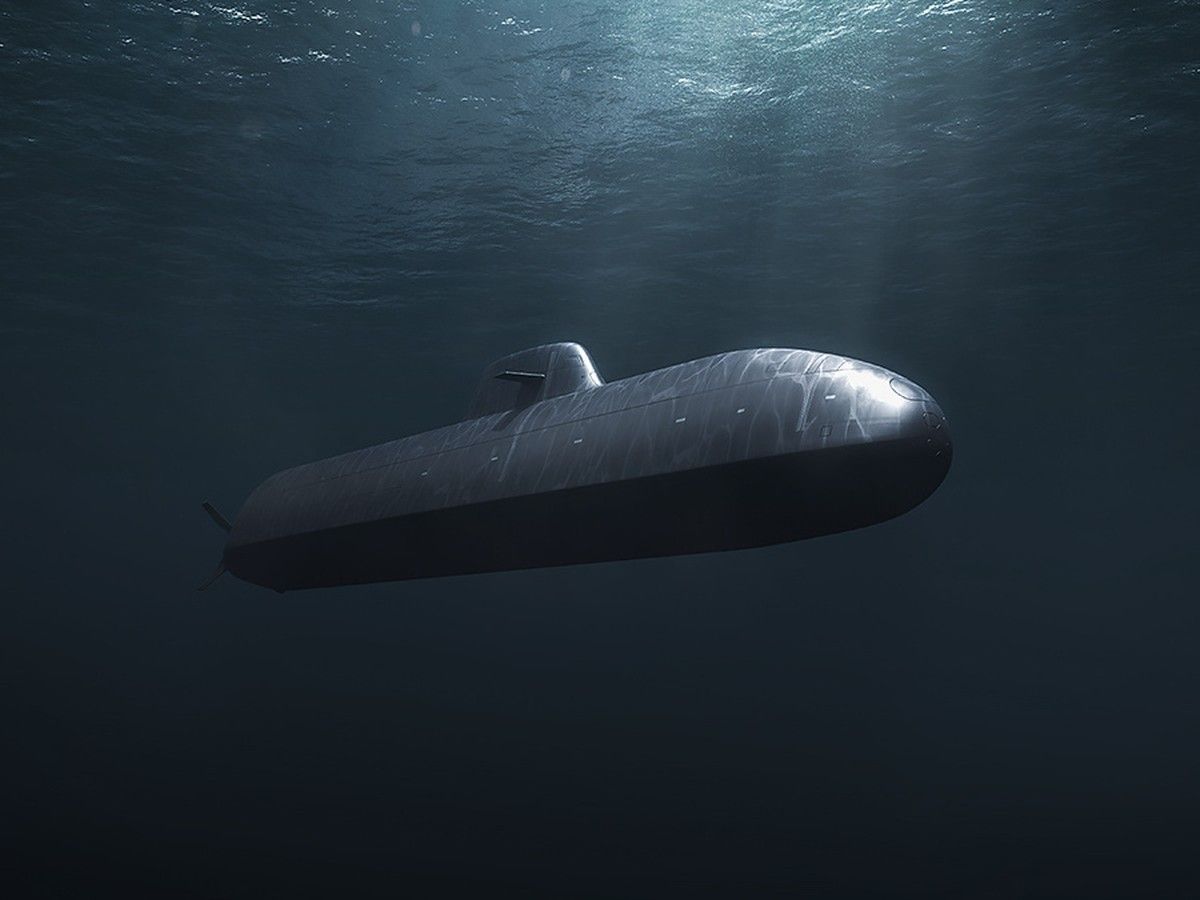
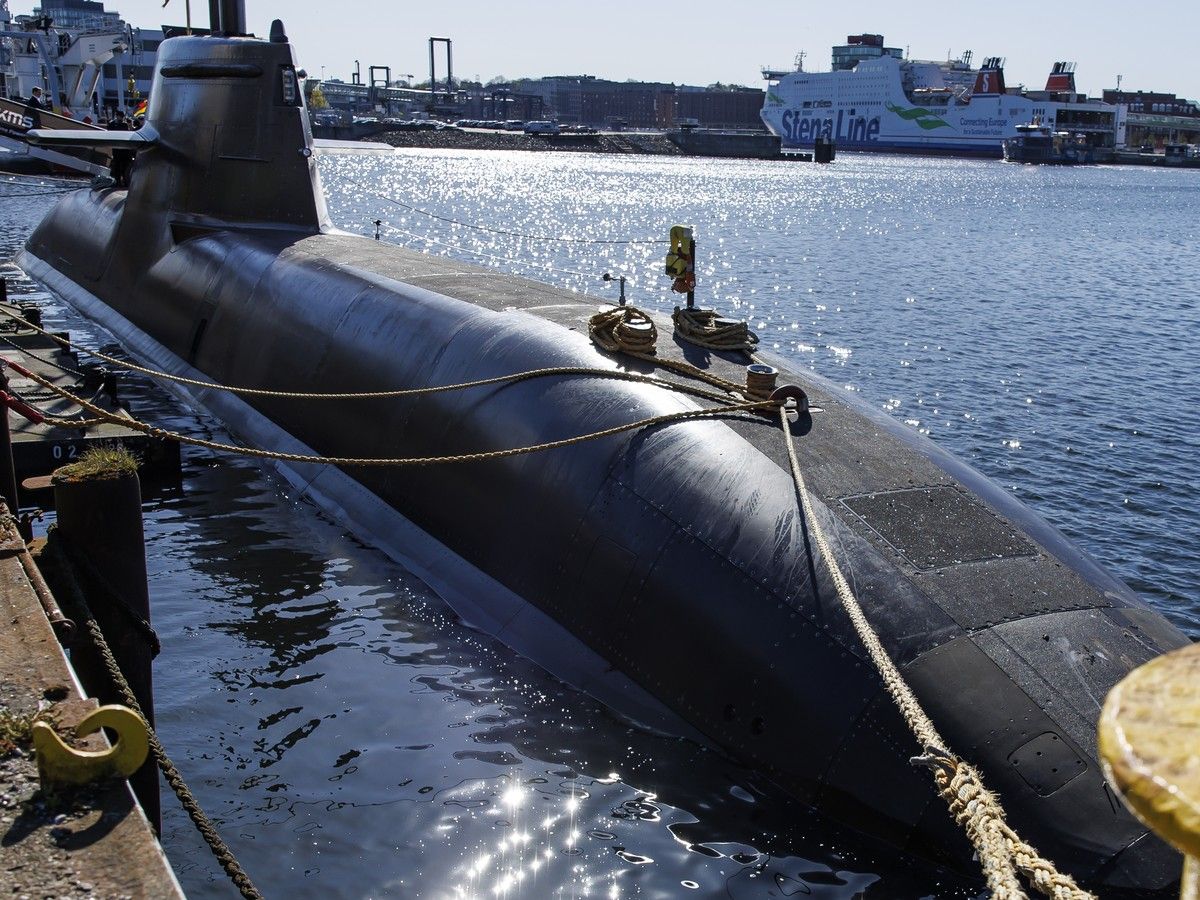
When he visited Ottawa to lobby for the TKMS Type 212 CD subs, Germany’s defence minister, Boris Pistorius, promised not just economic benefits for Canada but a strategic long-term partnership, including technical integration, maintenance and logistics co-operation, including the option of exchanging crews.
Article content
Carney said that the value of the contract remains commercially confidential while the government negotiates terms with TKMS but that 100 per cent of the value will be matched with investments by TKMS in Canada.
Article content
Article content
With hindsight, this deal appears to have been a foregone conclusion, even though Carney denied it was a symbol of Canada walking away from the Indo-Pacific.
Article content
Canada had already announced a maritime procurement agreement with Germany and Norway in July 2024, and the political alliances were always likely to work in the favour of the German-Norwegian bid.
Article content
Canada had also signed a bilateral deal with the European Union called SAFE, which allows Canadian companies and products to participate in European defence procurement. Carney has pushed Canada firmly in Europe’s orbit and it would have taken a major shift in momentum to have gone with the rival South Korean bid by Hanwha Ocean.
Article content
The Koreans had the advantage of selling a boat that is already in the water (the first Type 212CD sub won’t be launched until next year). But they have had mixed success with foreign sales. Indonesia bought three subs, but a follow-up order for three more was cancelled amid suggestions the Indonesians were not satisfied with the performance of the first three (they also lost a sub with 53 crew members in 2021. Although that was German-made, it had undergone a two-year refit in South Korea. The Koreans blamed Indonesian maintenance for the accident.)
Article content
Article content

Article content
The announcement of a procurement that could amount to $100 billion over the life of the submarines should inoculate Carney against American accusations of Canada being a “free-rider” at this week’s NATO leaders’ summit in Ankara, Turkey.
Article content
Carney said he and Defence Minister David McGuinty will arrive in Ankara “in a position to help lead the alliance.”
Article content
He said the submarine procurement has now been included in the fiscal framework.
Article content
The Carney government didn’t specifically earmark money in its November budget but it has pledged an additional $80 billion in capital spending over the next five years and promised to spend 3.5 per cent of GDP on core defence by 2035, by which time annual expenditure on defence will be $132 billion.
Article content
The government has not revealed how it will manage to reach that target and still keep the debt-to-GDP ratio under control.
Article content
The prime minister will push his idea in Turkey for a defence investment bank, with the goal of making it easier for NATO countries to access capital for defence purchases. But even cheap money needs to be paid back and the government is currently relying on unrealistic economic growth to ensure the defence spending pays for itself.



















 Bengali (BD) ·
  English (US) ·