.png)
 2 hours ago
9
2 hours ago
9
Article content
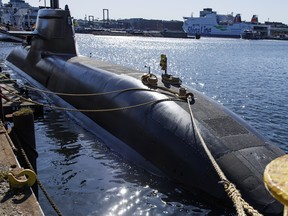
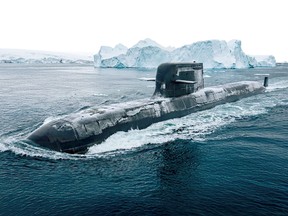
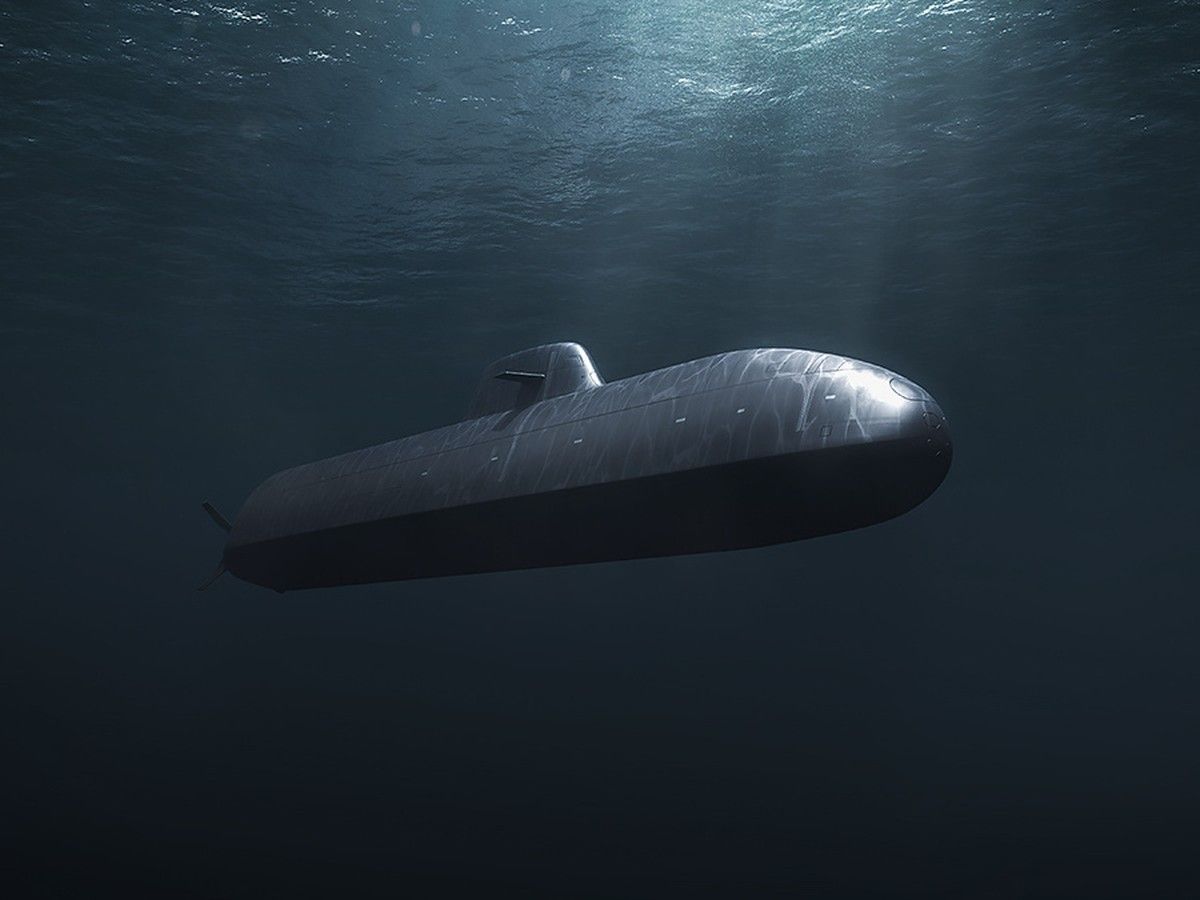
HALIFAX and OTTAWA — The next generation of Canada’s submarine fleet is set to be built by Germany’s ThyssenKrupp Marine Systems (TKMS) in partnership with Norway, a move which the Liberal government will bring Ottawa closer to its European allies and better protect the Arctic.
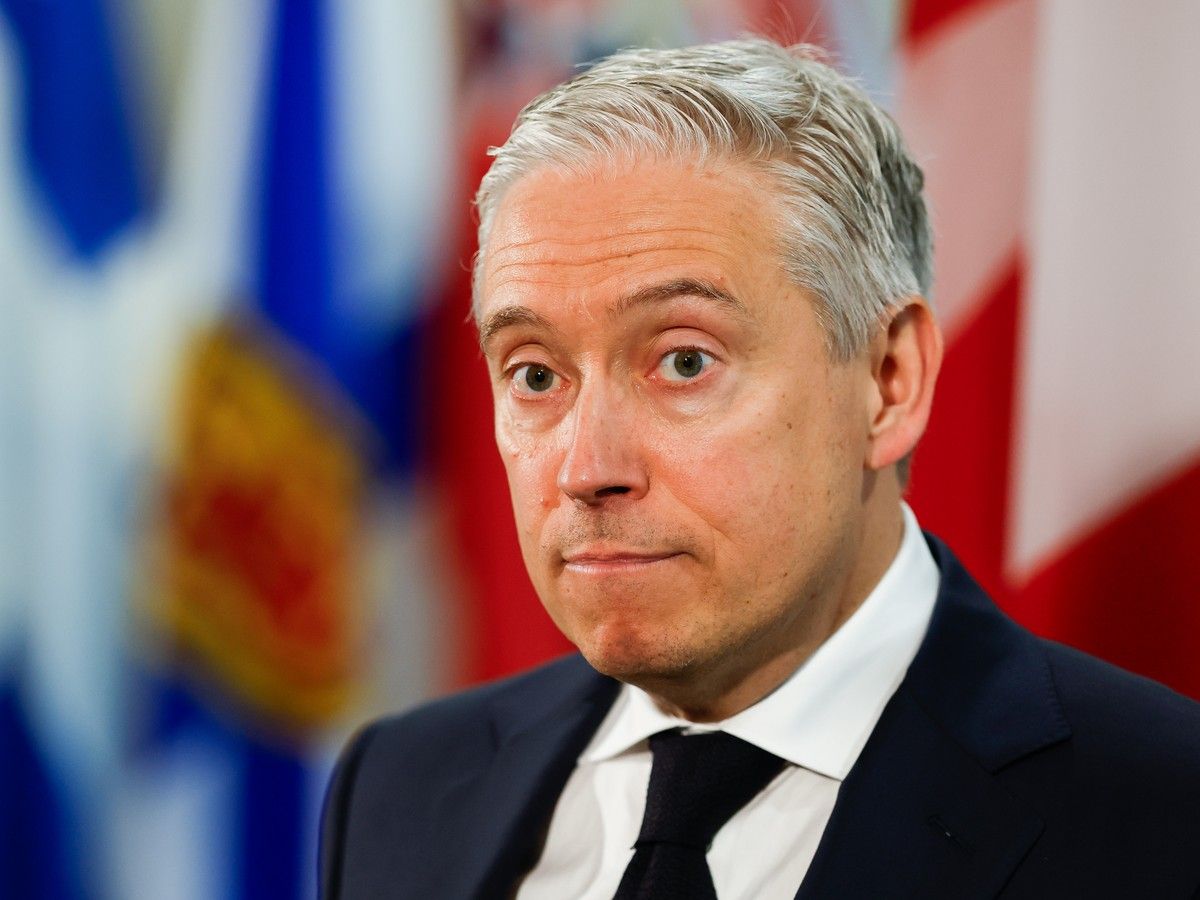
Prime Minister Mark Carney made the announcement in Halifax on his way to the NATO Summit in Ankara, Turkey, in an effort to showcase to the alliance that Canada is serious about turning billions of dollars more in defence into combat-ready capabilities.
“The TKMS subs will strengthen our defence industrial base, deepen our partnerships with trusted allies, and open new opportunities for Canadian businesses in European supply chains,” said Carney on Monday.
The federal government has designated TKMS as the “preferred supplier” for the project, said Carney, selecting the builder over a South Korean bidder. Canada will now enter into negotiations with the German firm to procure “up to” 12 submarines to replace the navy’s current aging fleet.
Canada intends to conclude those talks no later than the end of 2027. If the contract with TKMS goes ahead as planned, the first four submarines are expected to be delivered to Canada by 2034. Carney said TKMS has offered to reallocate boats from German and Norwegian orders to Canada in order to make that happen.
Should those talks prove unsuccessful, he said Canada retains the right to designate South Korea’s Hanwha Ocean as the preferred choice instead.
David Perry, president of the Global Affairs Institute of Canada, said the government’s decision to go with TKMS could signal Canada’s desire to have closer defence and economic ties with Europe.
Norway and Germany are also members of NATO.
Last month, Canada secured its first contract with Poland under the Security Action for Europe (SAFE) agreement, a European defence procurement program with 150 billion euros in financing at its disposal.
“This would obviously fit pretty closely into his (Carney’s) discussions that he led about a strengthening role with the Europeans,” Perry said. “This helps bolster the link with Europe.”
Canada’s high-stakes submarine announcement puts an end to the bidding war over the last year that saw Hanwha Ocean and TKMS promise incentives to Canada with economic benefits in areas that were adjacent to the supply chain or, in some cases, had nothing to do with submarines.
For instance, the TKMS proposal included investing into the Port of Churchill in Manitoba to help it export liquefied natural gas (LNG) and partnering on large-scale carbon-capture projects in Alberta. Hanwha, for its part, offered to use Canadian-made steel, a sector hit hard by U.S. tariffs, for submarine construction and related infrastructure.

THIS CONTENT IS RESERVED FOR SUBSCRIBERS
Enjoy the latest local, national and international news.
- Exclusive articles by Conrad Black, Barbara Kay and others. Plus, special edition NP Platformed and First Reading newsletters and virtual events.
- Unlimited online access to National Post.
- National Post ePaper, an electronic replica of the print edition to view on any device, share and comment on.
- Daily puzzles including the New York Times Crossword.
- Support local journalism.
SUBSCRIBE FOR MORE ARTICLES
Enjoy the latest local, national and international news.
- Exclusive articles by Conrad Black, Barbara Kay and others. Plus, special edition NP Platformed and First Reading newsletters and virtual events.
- Unlimited online access to National Post.
- National Post ePaper, an electronic replica of the print edition to view on any device, share and comment on.
- Daily puzzles including the New York Times Crossword.
- Support local journalism.
REGISTER / SIGN IN TO UNLOCK MORE ARTICLES
Create an account or sign in to continue with your reading experience.
- Access articles from across Canada with one account.
- Share your thoughts and join the conversation in the comments.
- Enjoy additional articles per month.
- Get email updates from your favourite authors.
THIS ARTICLE IS FREE TO READ REGISTER TO UNLOCK.
Create an account or sign in to continue with your reading experience.
- Access articles from across Canada with one account
- Share your thoughts and join the conversation in the comments
- Enjoy additional articles per month
- Get email updates from your favourite authors
Sign In or Create an Account
or
Article content
Article content
Article content
Article content
“This was a difficult, close decision between two highly qualified suppliers,” Carney said, adding that both TKMS and Hanwha met the capabilities of the Royal Canadian Navy.
“I would like to thank both bidders for the extraordinarily thoughtful, comprehensive, and cooperative proposals they and their governments submitted.”
The prime minister pointed to TKMS as being the “best choice” for Canadian workers and having the “greatest economic impact.” He said it will create and sustain over 100,000 “well-paying jobs” across the country.
German Defence Minister Boris Pistorius said in May that his country’s bid would add $86 billion to Canada’s GDP.
On its website, TKMS touts itself as having delivered more than 70 per cent of NATO allies’ submarine capabilities and the only provider offering a “low-risk” and “conventional” submarine solution.
Carney echoed those remarks, saying that the TKMS submarine is “proven and capable” and fully NATO interoperable.
Perry said this procurement will allow three ships to be operational at any given time, which will make a huge difference in terms of the Royal Canadian Navy’s combat abilities.
“If you have three consistently available, you’d have options to have one patrolling the Arctic, Pacific, Atlantic Oceans at the same time,” he said. “It’s enhanced ability to understand what’s happening around the waters of this country and North America, and be able to deter people from doing things we don’t want them to do.”
Carney insisted on the necessity of protecting Canada’s Arctic waters, adding it is becoming “integral” to the security of North America and NATO’s western flank.
“These new submarines, combined with the world’s second-largest fleet of icebreakers, new aircraft, new radar, more missiles and drones, better cyber defences, and new ports and airbases, are allowing Canada to assert its full sovereignty in the Arctic,” he said.
Carney did not proactively disclose the price tag for the purchase of TKMS submarines, which has been estimated to be worth $80 billion, but said it has been taken into account in Canada’s fiscal framework.
“This process is commercially sensitive, and always, we will not negotiate in public so as maintain the strongest possible position for Canada,” he said.
“I can confirm that this procurement will be the largest in Canadian history.”
National Post
Article content
Article content
Article content
Our website is the place for the latest breaking news, exclusive scoops, longreads and provocative commentary. Please bookmark nationalpost.com and sign up for our politics newsletter, First Reading, here.
Article content
Advertisement 1
























 Bengali (BD) ·
  English (US) ·