.png)
 2 hours ago
10
Article content
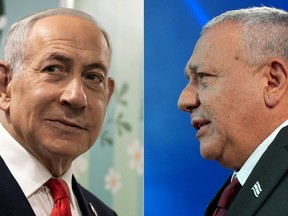
This is a critical time for Israel: Hamas has vowed to launch another October 7-style attack, the U.S. is said to be considering renewed strikes on Iran, Hezbollah is reportedly preparing for another round of conflict, the IDF is stretched to its limits and violence, perpetrated by both Palestinian and Israeli extremists, is roiling the West Bank. The lack of a clear winner in Tuesday’s Israeli election is thus one of the worst possible outcomes.

THIS CONTENT IS RESERVED FOR SUBSCRIBERS
Enjoy the latest local, national and international news.
- Exclusive articles by Conrad Black, Barbara Kay and others. Plus, special edition NP Platformed and First Reading newsletters and virtual events.
- Unlimited online access to National Post.
- National Post ePaper, an electronic replica of the print edition to view on any device, share and comment on.
- Daily puzzles including the New York Times Crossword.
- Support local journalism.
SUBSCRIBE FOR MORE ARTICLES
Enjoy the latest local, national and international news.
- Exclusive articles by Conrad Black, Barbara Kay and others. Plus, special edition NP Platformed and First Reading newsletters and virtual events.
- Unlimited online access to National Post.
- National Post ePaper, an electronic replica of the print edition to view on any device, share and comment on.
- Daily puzzles including the New York Times Crossword.
- Support local journalism.
REGISTER / SIGN IN TO UNLOCK MORE ARTICLES
Create an account or sign in to continue with your reading experience.
- Access articles from across Canada with one account.
- Share your thoughts and join the conversation in the comments.
- Enjoy additional articles per month.
- Get email updates from your favourite authors.
THIS ARTICLE IS FREE TO READ REGISTER TO UNLOCK.
Create an account or sign in to continue with your reading experience.
- Access articles from across Canada with one account
- Share your thoughts and join the conversation in the comments
- Enjoy additional articles per month
- Get email updates from your favourite authors
Sign In or Create an Account
or
Article content
Advertisement 1
Article content
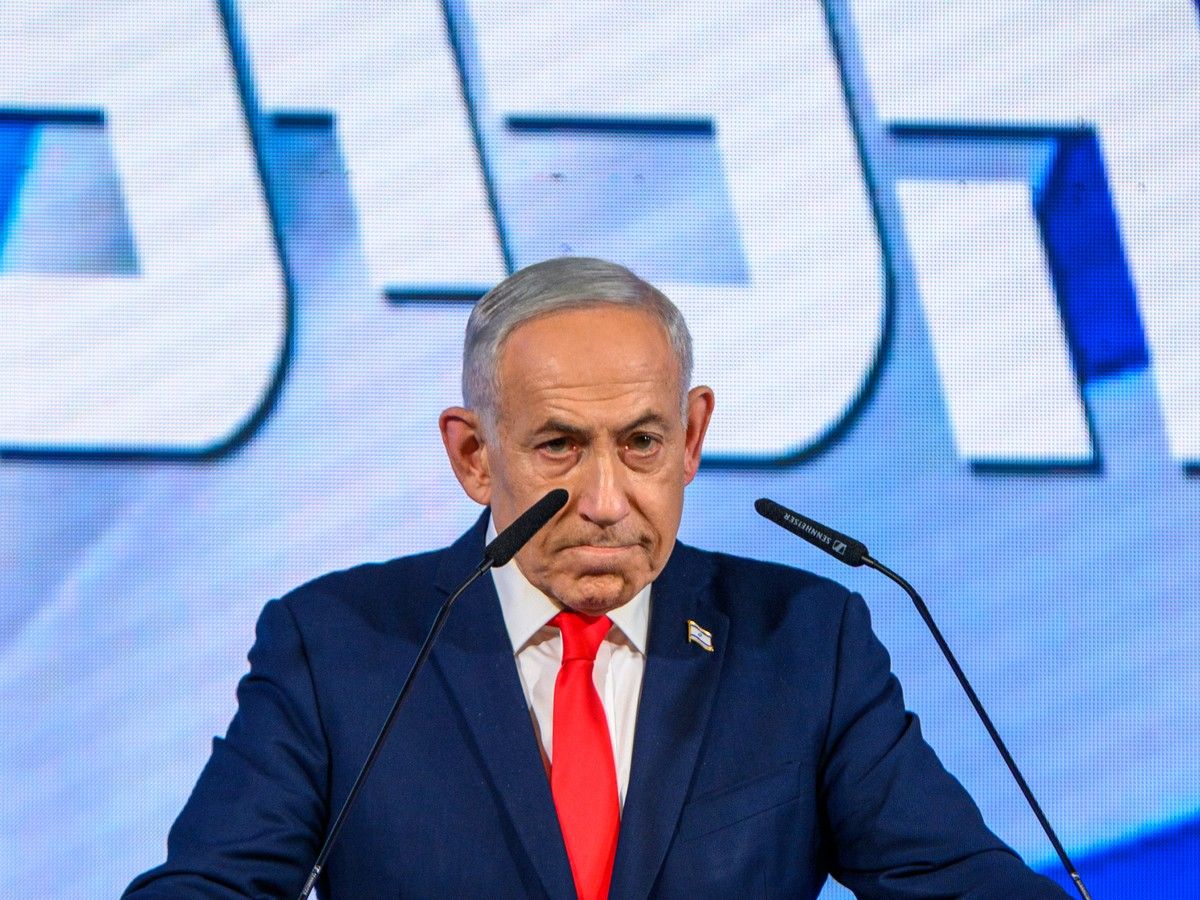
Prime Minister Benjamin Netanyahu has not exactly been a decisive leader over the past three years, having refused to come up with an exit plan for Gaza, get serious about the Haredi draft, curb settler violence or take steps to mend Israel’s worsening image abroad. An extended stay in the role of “caretaker prime minister” will only serve to exacerbate the issues facing the Jewish state at a time when decisive leadership and fresh ideas are sorely needed.
Article content
Article content
By signing up you consent to receive the above newsletter from Postmedia Network Inc.
Article content
Israelis were fully aware of the stakes of this election, the first to take place since Hamas’s October 7 massacre: turnout was the highest it’s been in a quarter century, with 77.7 per cent of eligible voters casting a ballot, and the airport was full of expats returning home to have a say in their country’s future.
Article content
Yet the unofficial tally continues to highlight Israel’s deep divides. Preliminary results have Netanyahu’s Likud party in the lead, with a projected 27 seats, compared to 21 for the opposition Yashar party. The pro-Netanyahu bloc appears to have eked out the anti-Netanyahu faction by a margin of 53-48, with the two Arab parties, Joint List and Ra’am, commanding a historic 19 seats in the 120-seat Knesset.
Article content
Advertisement 2
Article content
Neither side is close to the 61-seat threshold needed for a majority, which could lead to weeks, or even months, of political instability, and possibly another election in the new year. This is a scenario that would not be in Israel’s interests, which is why President Isaac Herzog, whose role is functionally equivalent to our governor general, is calling on party leaders to do everything they can “to avoid another round of elections.”
Article content
Article content
Next week, after the results are certified, Herzog will meet with party leaders and decide which one has the best chance of forming a stable coalition. The candidate will then have 28 days to attempt to forge an alliance that can command the confidence of the legislature, with an optional 14-day extension. If that fails, the president will have the option of repeating the process with someone else.
Article content
If the current numbers stand, however, the Arab parties will hold the balance of power, and the more moderate Ra’am party will not have enough seats to give the anti-Netanyahu bloc a majority. Moreover, most of the Zionist party leaders expressly ruled out forming a coalition with the Arabs during the election, which sets the stage for weeks of political horsetrading and the potential of broken promises that rile up the electorate.






















 Bengali (BD) ·
 English (US) ·