.png)
 1 week ago
8
1 week ago
8
Article content
Kwasnicki says a desire to be close to nature and the earth has brought a lot of texture into the home.
Article content
“When we think about that in the sense of texture, what we are seeing is more matte or leather finishes in our stone and tiles so that it feels more like it does in nature and not so manufactured,” she says. “We’re seeing a lot of handmade-looking tiles as well – moving away from the manufactured and pristine look and letting the material look more varied and unique.”
Article content
Ross says if a space lacks textiles, increase the sense of touch by adding pillows, a throw and rug by applying the “three texture rule” – one soft, one natural and one structured – and use a stripe to balance out a busier pattern.
Article content
Lighting evokes many senses and in a dining room it plays a major role in how food is enjoyed, impacting the sense of taste.
Article content
Ross believes lighting shapes the mood of a meal.
Article content
“Well lit dining areas create ambiance allowing meals to be more enjoyable, visually appealing and comfortable,” she says and suggests adding a memorable chandelier or pendant to enhance the space.
Article content
Kwasnicki notes warmer light versus cooler light will make everything on the table look more appetizing, and suggests portable movable lights (LED candles, or small lamps) as added layers and texture to the tablescape.
Article content
Article content

Article content
Sound is sometimes an overlooked sense in the backdrop of a home.
Article content
“The idea of ambient sound, like ambient light, is actually a really healing feature,” says Kwasnicki. “Think about sound machines, or speakers that provide gentle music throughout the home. When we’re thinking about finishes in a home, we never want a space to be full of hard surfaces only – softening a bathroom with a beautiful mat on the floor or creating some sound ambiance at a dining table with a fixture made of textiles versus glass helps to cut through the harshness of some sounds. The more texture you have in a home, the softer the soundscape will be and, similar to sight, will be soothing and less jarring.,”
Article content
Moving to the sense of smell, Kwasnicki connects it back to discussions about texture and the cosy factor.
Article content
“When I think about smells in a home I think about laundry, baths, flowers and diffusers. The more you live in a home, the more your home will smell like you and the life you live. Cooking, going to the farmers market, washing new bedding, watering your plants, opening the windows are all ways that we infuse scent into our homes without even thinking about it,” says Kwasnicki.
Article content
Article content
Ross says natural scents can determine a mood and add a sense of cleanliness and freshness.
Article content
“Room scents should barely be noticeable and avoid too many competing scents across rooms,” she advises.
Article content
Taskrabbit’s report found tasks that include rose (+34 per cent), flowers (+33 per cent) and scented (+29 per cent) show natural aromas are increasingly popular indoors.
Article content
The sense of smell is also closely aligned with taste and leads directly to the kitchen, typically the heart of the home.
Article content
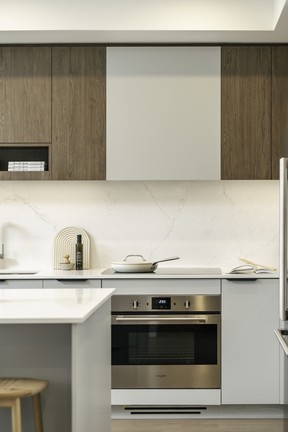
“Green in a kitchen is having a moment, and I think it’s because it feels fresh and alive,” says Kwasnicki, adding neutrals also create a great setting. “You can infuse your own blast of colour into the space – a big bowl of fruit from the farmers market, the oil bottle you bought on your trip to Italy, the dish towels you inherited from Grandma – the kitchen is often where you see a lot of someone’s personality and taste.”
Article content
Article content
Martinez says when it comes to kitchens and food related spaces, the goal is to balance appetite stimulation with cleanliness. She suggests the best colours for these spaces include a deep forest green, like SICO’s 2026 Canadian Colour of the Year, Boreal Forest (6167-83) that provides a sophisticated, farm-to-table feel. For a coffee station or breakfast nook, warm browns evoke the richness of coffee beans and toasted grains – consider colours like, Café Glacé (6191-42) and Arabica (6191-83).





























/https%3A%2F%2Fsportsmole-media-prod.s3.gra.io.cloud.ovh.net%2Fuploads%2F2026%2F05%2Fchamp-69fa166311171530187348.jpg)
 Bengali (BD) ·
  English (US) ·