.png)
 1 week ago
21
1 week ago
21
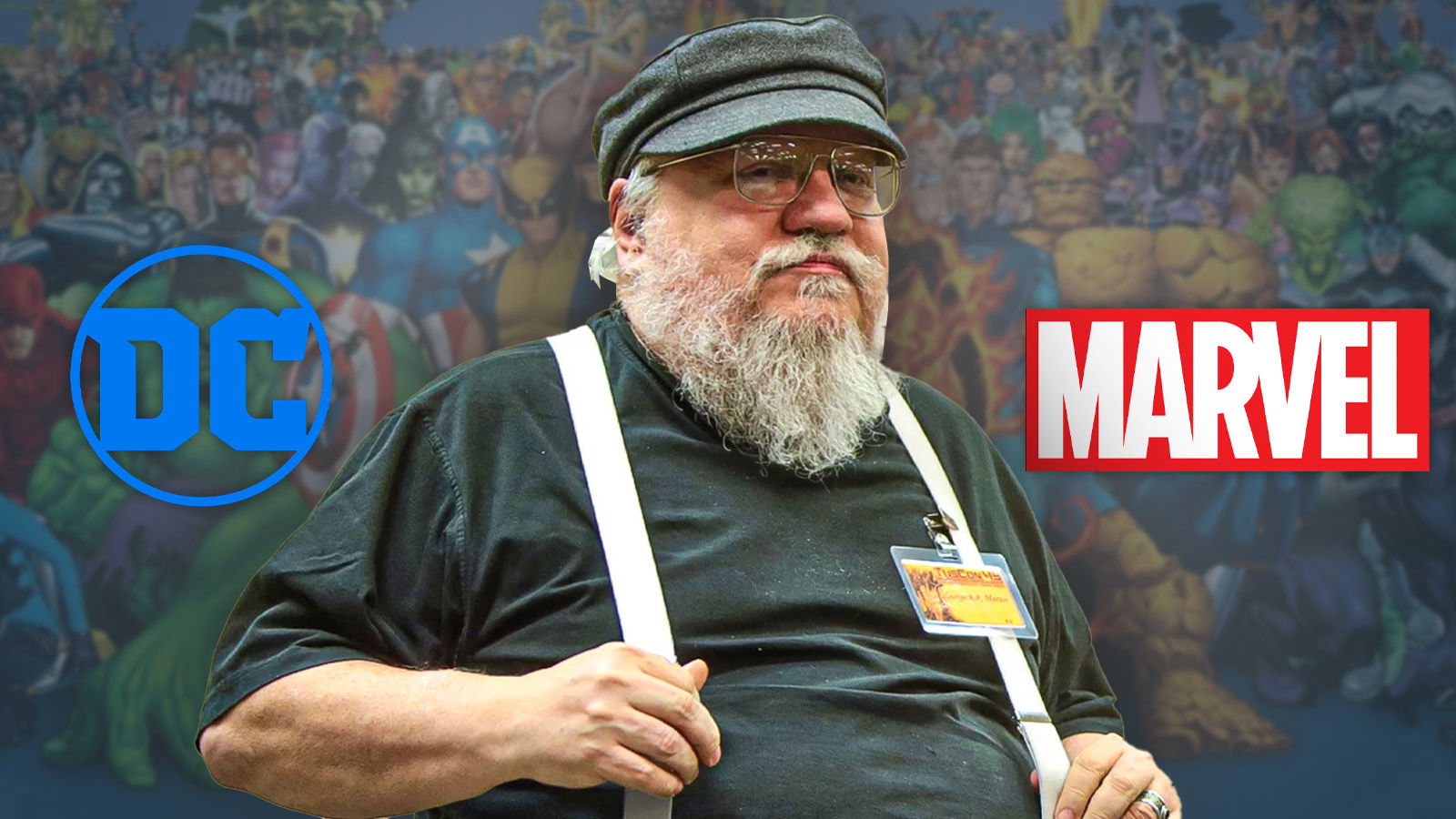 Credits:- DC, Marvel Comics, Middle Image Credit: Gage Skidmore, CC BY-SA 3.0 Via Wikimedia Commons
You think you know superheroes because you watch Marvel and DC movies? Well, George R.R. Martin’s Wild Cards anthology will shatter that assumption and reshape how you see superpowers. In this universe, they aren’t considered a gift—they are a curse, and only the strongest can survive them.
Marvel and DC gave us some of the world’s best superheroes and villains, the most iconic powers ever witnessed on the comic pages and the big screen, but at the end of the day, they are superhero fantasies. Wild Cards, on the other hand, strips that away and reimagines it as chaotic and, more often than not, tragic.
1 Superhumans In Wild Cards Came From A Single Origin Source
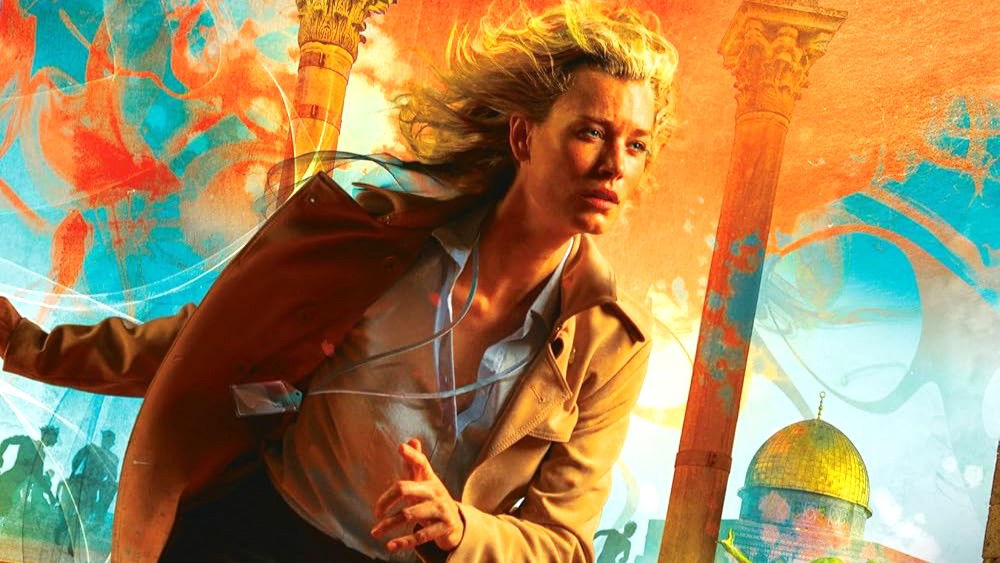 Wild Cards / Credits: Random House Worlds
The events in Wild Cards began after an alien virus was accidentally released over New York City in 1946, eventually infecting tens of thousands globally. The virus was developed as a bioweapon by a noble family on the alien planet Takis. Dr. Tachyon, a member of that family who opposed the experiment, attempted to stop the release, but his intervention accidentally crashed their ship, unleashing the virus over New York.
Marvel and DC characters, on the other hand, receive individual transformations through specific events or circumstances, such as radioactive exposure, an experiment gone wrong, or mysterious occurrences. Oftentimes, the abilities they gained after acquiring powers make them special.
2 Marvel & DC Characters Can Always Survive the Transformation Process
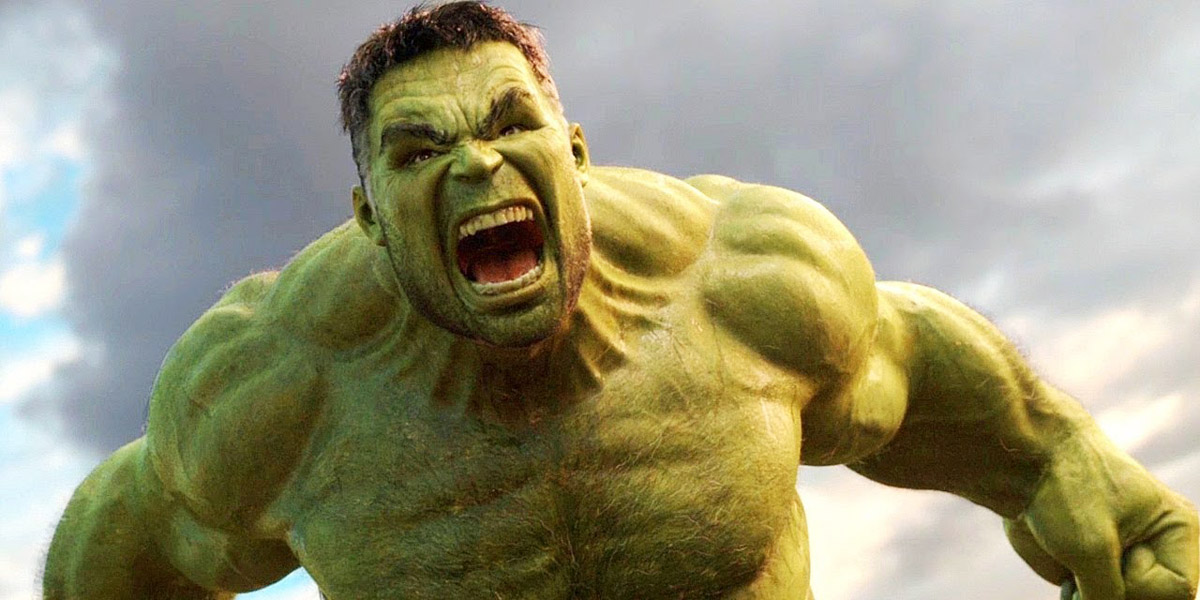 Mark Ruffalo in The Avengers / Credits: Marvel Studios
Most Marvel and DC characters, if not all, get to endure and survive their origin story. After they have been transformed, they embark on a journey of exploring their newfound powers.
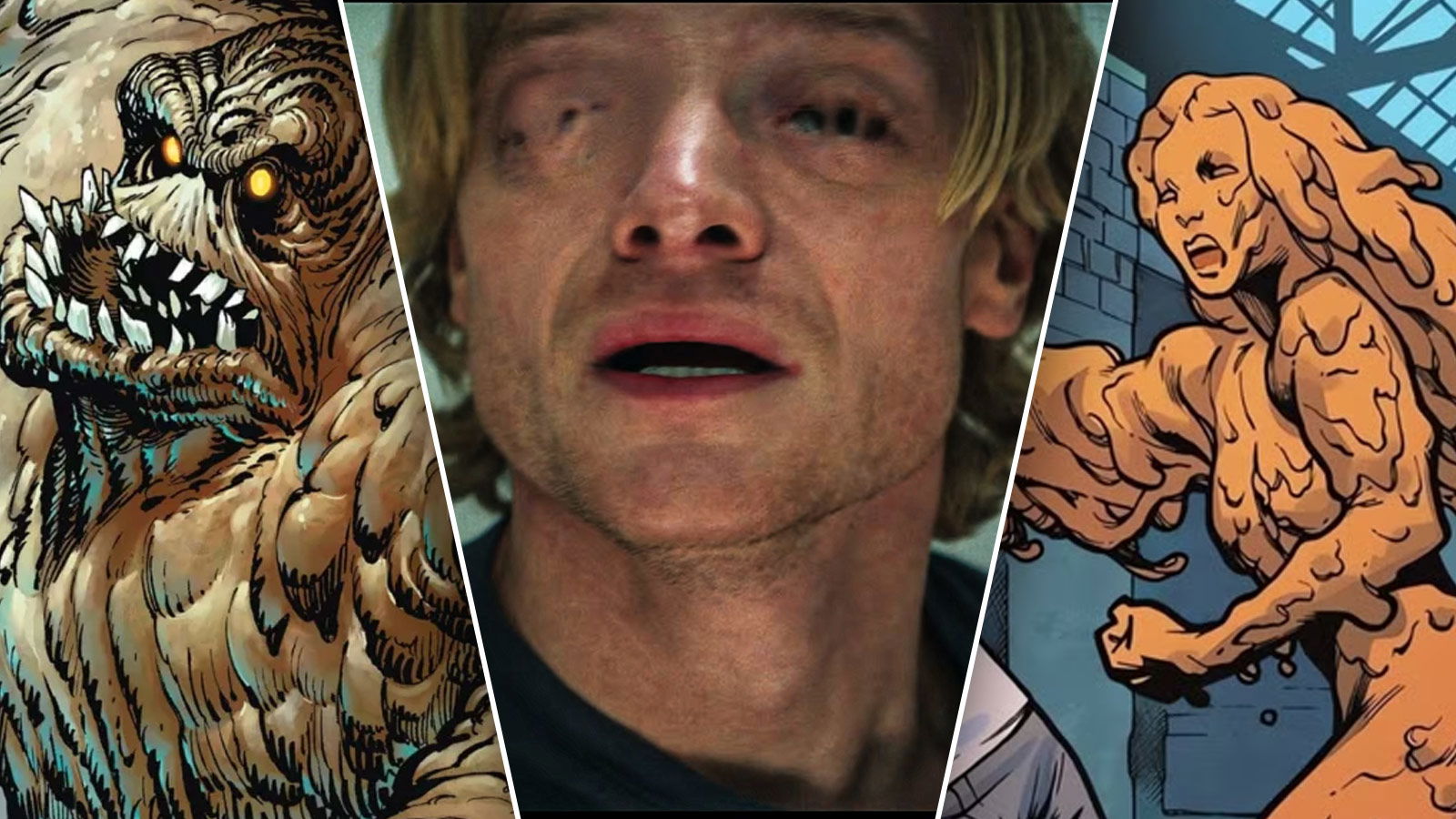
The virus in Wild Cards is deadly, with a survival rate of just 1 in 10, and of those who survive, only 1% become Aces. In the lore, 90% are immediately killed, 9% become Jokers, who develop deformities, and 1% become Aces, who remain human but gain special abilities.
3 DNA’s Response to Virus Determines One’s Superpower In Wild Cards
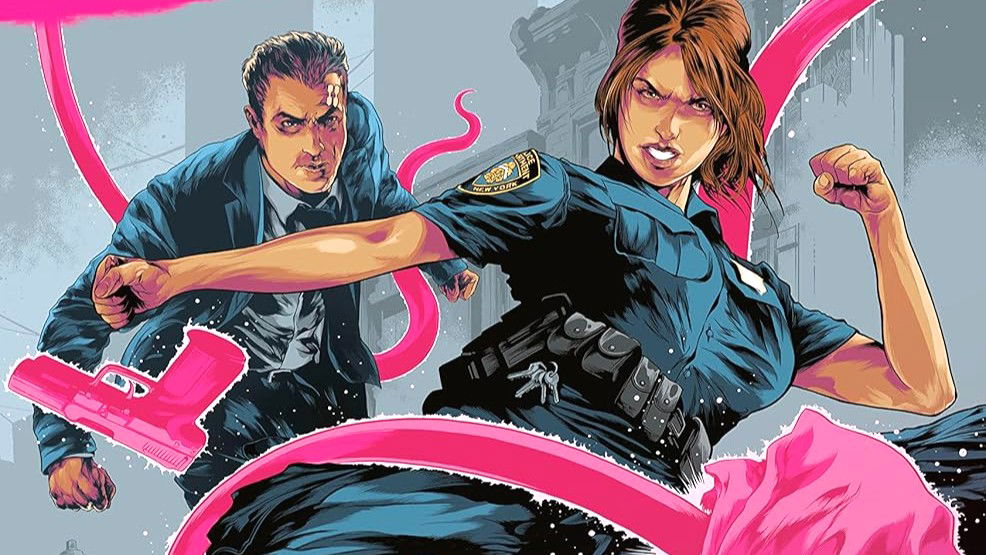 Wild Cards / Credits: Random House Worlds
The Wild Cards virus has random and unpredictable symptoms, and no one knows what exactly would happen to them when affected. In fact, the result is determined by how the virus would react to one’s DNA.
The Aces are definitely the lucky ones, as not only do they get to remain human, but they also gain superpowers. Jokers are the miserable ones because they end up with physical disabilities that make them outcasts. Deuces are basically Aces with useless powers.
4 Marvel & DC Still Prioritize Typical Hero & Villain Archetypes
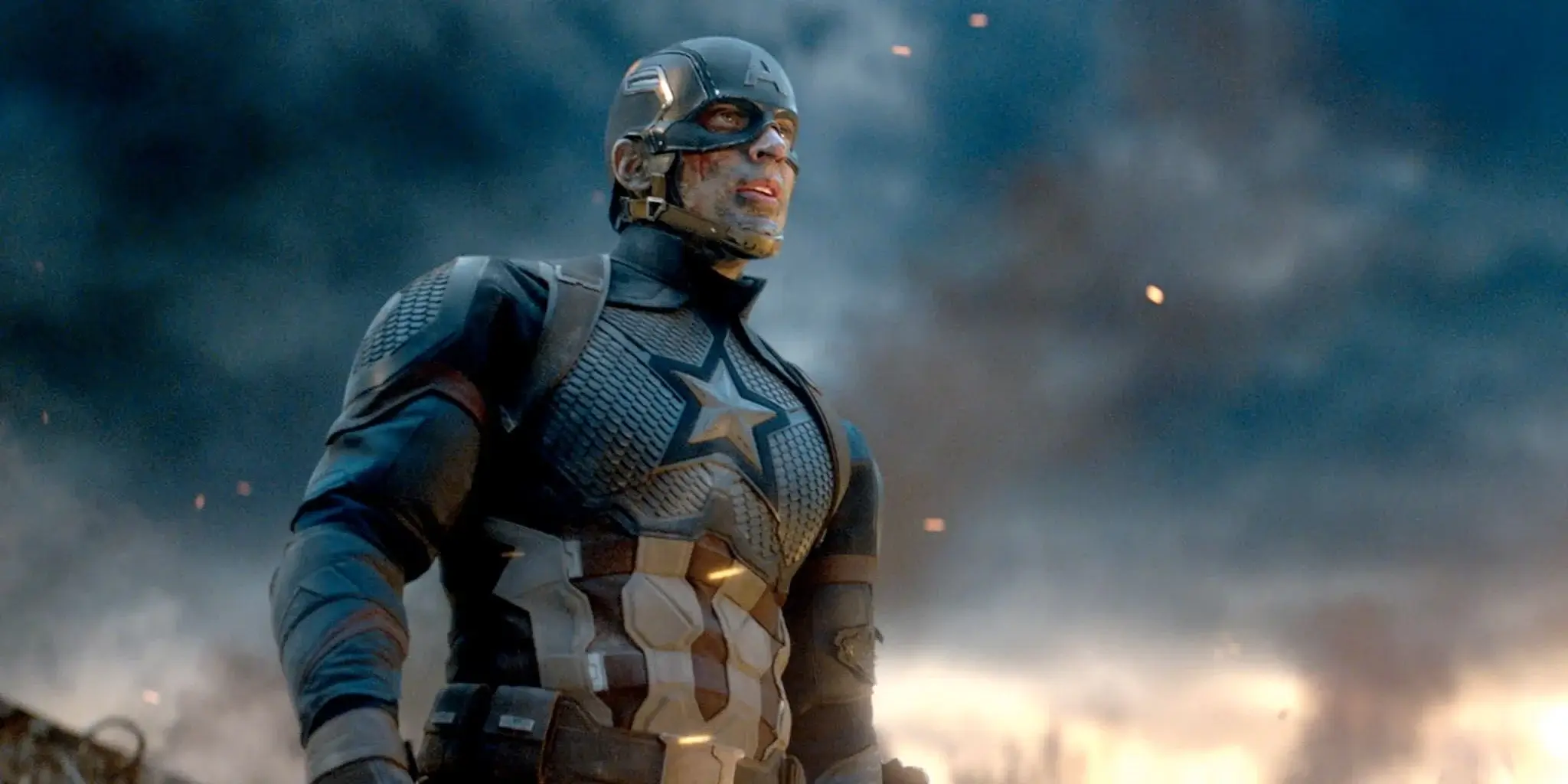 Chris Evans in Avengers: Endgame as Steve Rogers | Credits: Marvel Studios
There are many deeply layered and morally complex characters in Marvel and DC, and these intricacies often drive compelling arcs. However, even with this nuance, most characters still tend to lean on either a heroic or villainous framework. We can still identify which roles they play despite their motives.
In Wild Cards, humans tend to operate within the harsh realities they are facing. No one wanted the virus, and because the effects are so random, it has left many people severely traumatized. As a result, they act out of survival without considering if it’s right or wrong. The story is indeed grounded in the same realities we face today.
5 Multiverse & Confusing Timelines Don’t Exist In Wild Cards
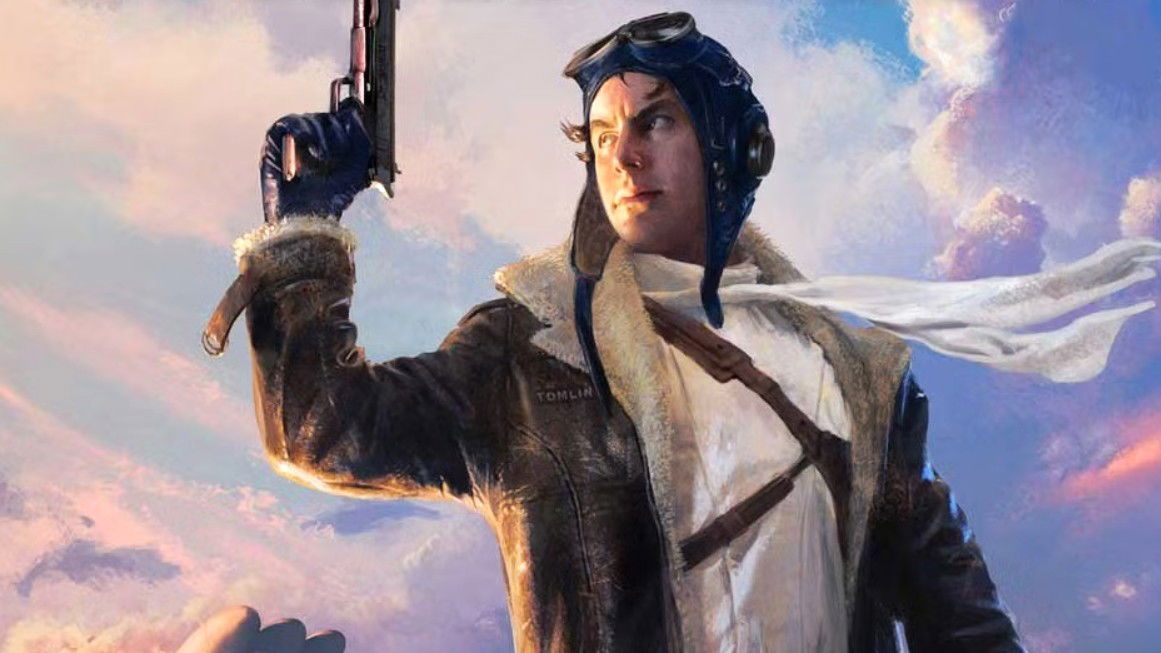 Wild Cards / Credits: Tor Books
The ever-confusing multiverses widely used in Marvel and DC allow certain characters to be reused repeatedly, even after they have appeared in past storylines where they’ve died or aged.
Wild Cards’ timeline has been continuous since its first publication in 1987. The characters exist in a reality that unfolds in real time, which means they gradually age and die—and stay dead— without the safety net of convenient resurrections.
6 Marvel & DC’s Worldbuilding Is Based on Long-Running Mythologies
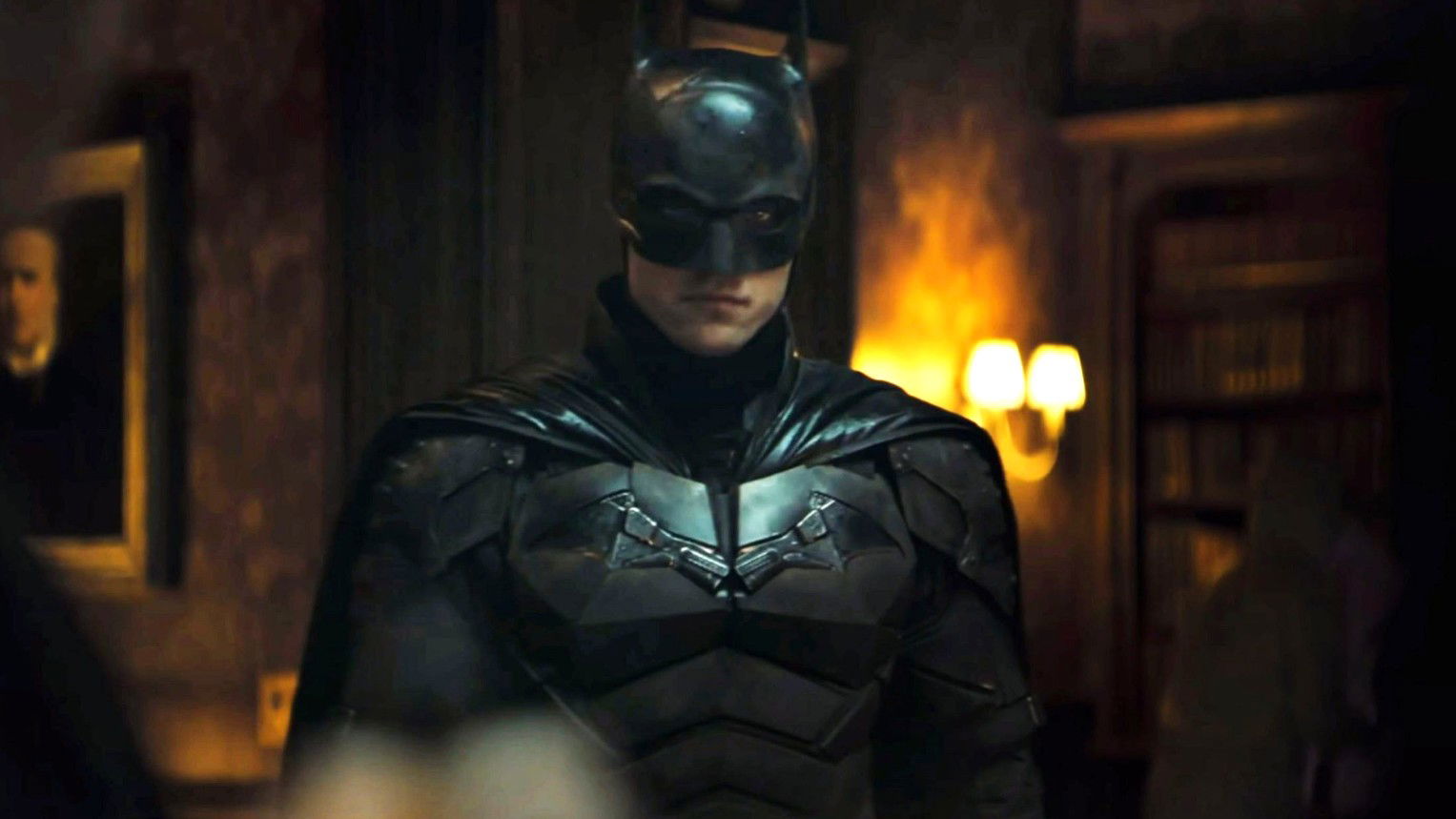 Robert Pattinson in The Batman / Credits: Warner Bros.
The worlds of Marvel and DC have evolved throughout the years, but if there’s one thing that has remained constant, it is the fact that their stories continue to stay fresh through a cycle of modern mythology and frequent reinvention. In short, both universes are designed to last forever.
Wild Cards, on the other hand, is the complete opposite. One catastrophic event was meant to change the entire world forever. It is built around an alternate history of superheroes where society has been reshaped by a single outbreak—and there’s no way to undo it.
7 Wild Cards’ Tone Is Grounded & Focuses on Consequences of Power
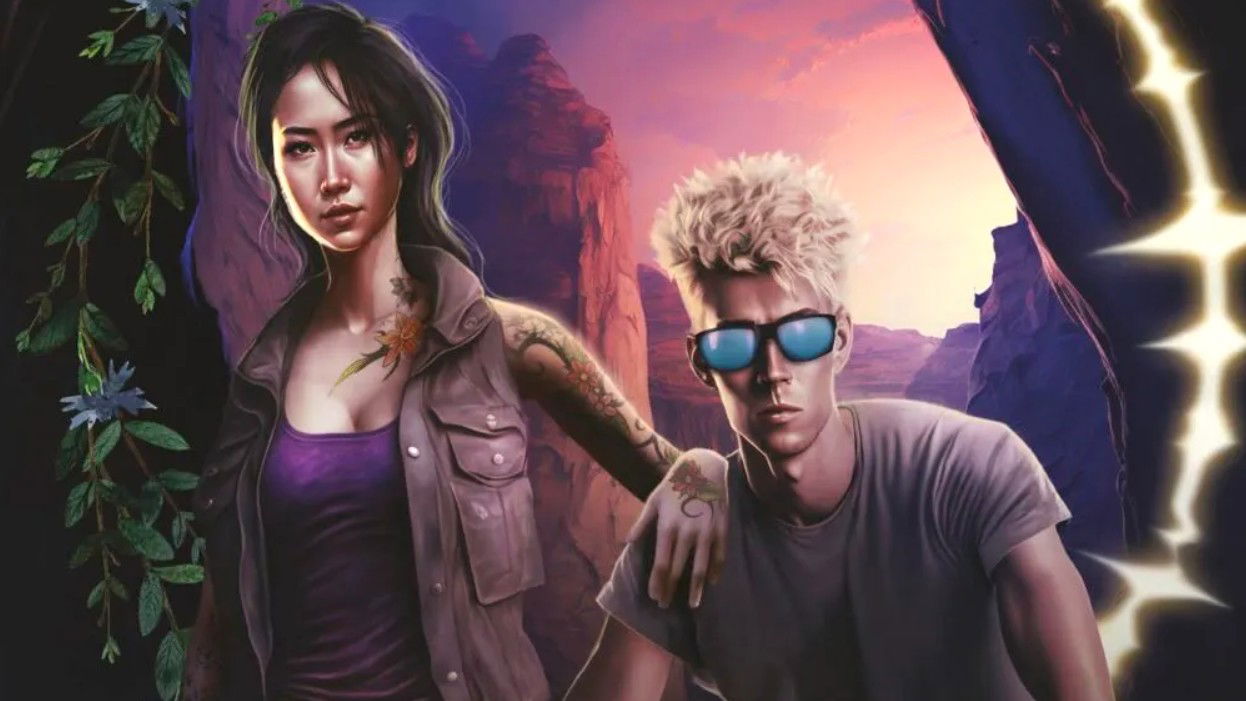 Wild Cards / Credits: Random House Worlds
From the premise alone, Wild Cards’ tone is very much grounded and extremely political, so that one can clearly see the divide between the Jokers and the Aces. There’s also the psychological impact of the plague, especially for those who were forced to face isolation. It pretty much reflects a world that we already know.
While Marvel and DC storylines offer arcs that explore similar issues, they mostly cater to flexible genres and themes depending on the characters involved. Superpowers here are used as tools for diverse storytelling, and often come as symbols of hope and freedom.
8 Marvel & DC Often Include God-Level & Cosmic Entities
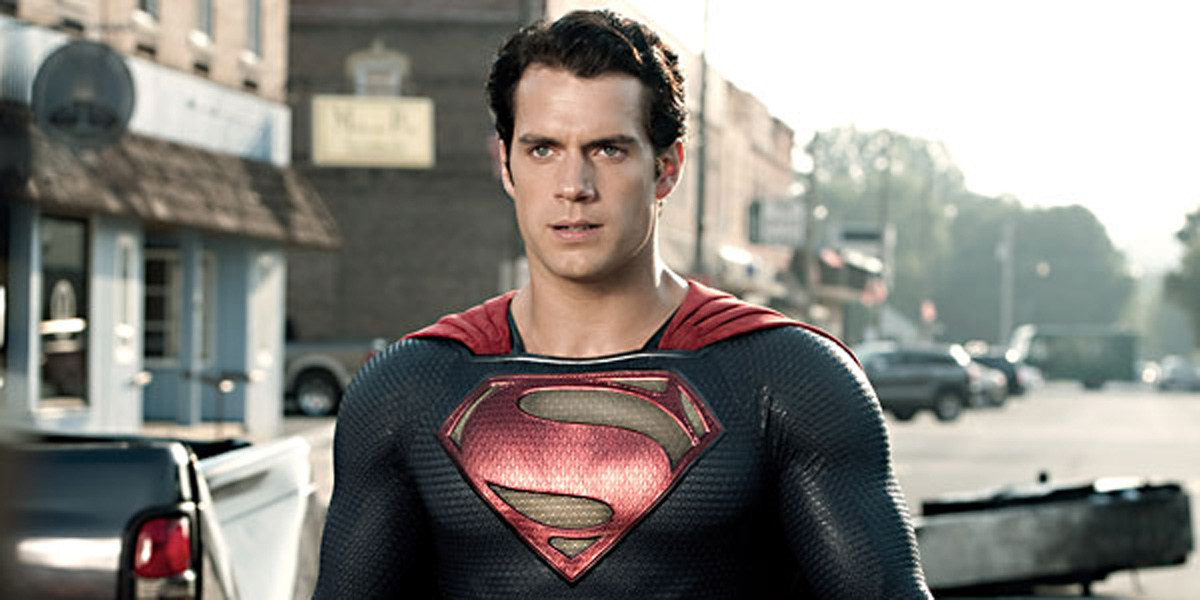 Henry Cavill in Man of Steel / Credits: Warner Bros.
The scale and intensity of powers in Wild Cards are not only unpredictable but also limited. Aces might be able to move things around, but the use of these powers can have a physical toll as well, which means they are still vulnerable.
In Marvel and DC, we have god-tier beings who can destroy an entire planet with just a snap of their fingers or a single blast of energy. We have heroes like Superman, who possess X-ray vision, flight, superhuman speed, and heightened senses, making him one of the most extremely powerful figures in the superhero mythology.
9 Wild Cards Is A Shared World & Writers Own Their Characters
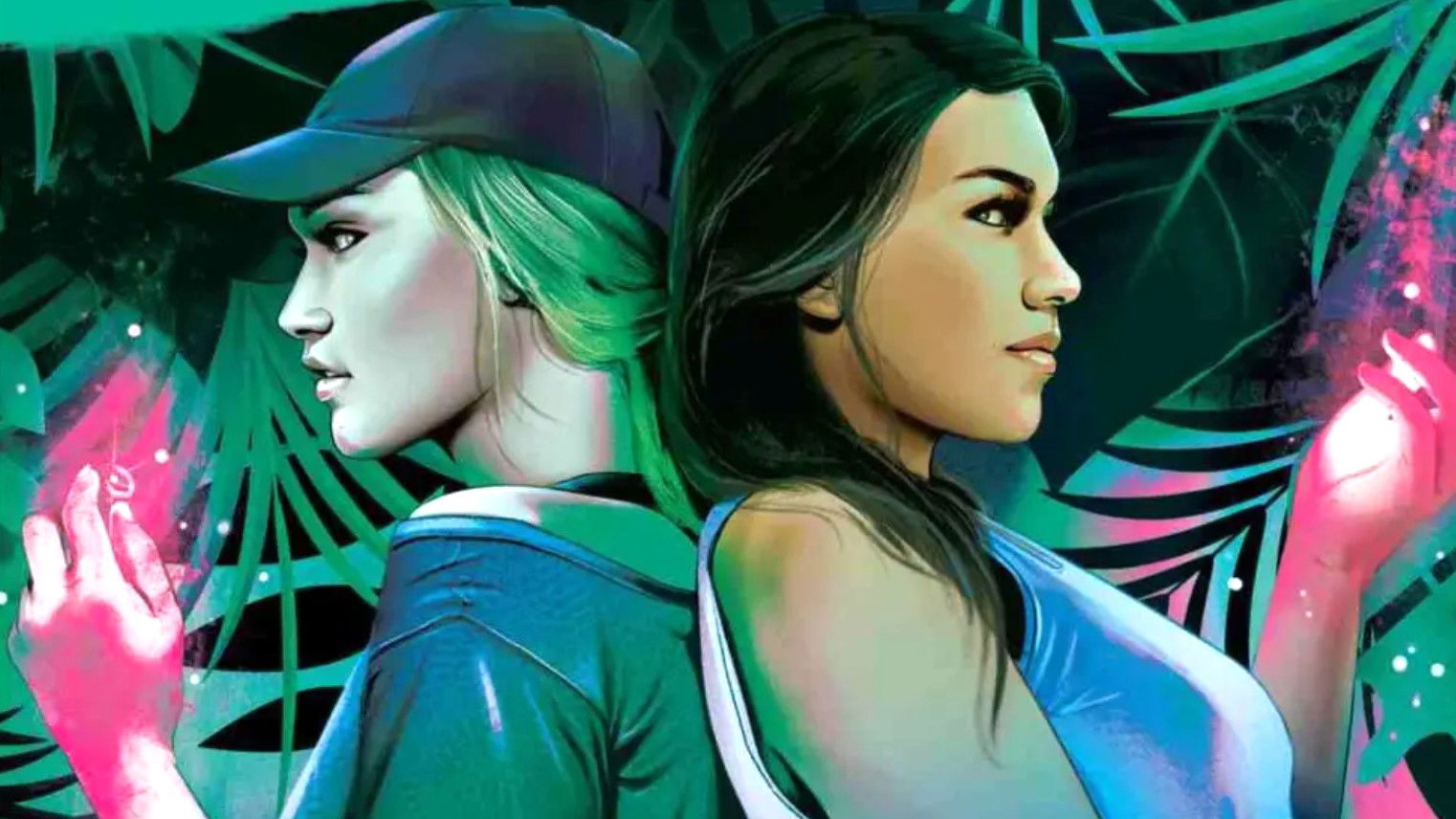 Wild Cards / Credits: Random House Worlds
Wild Cards is an anthology series written by multiple authors, each creating their own characters and storylines within a shared universe. As a result, individual creators retain significant control over their characters, including the authority to develop their arcs over time—or, when the story demands it, to end them permanently.
This isn’t the case with Marvel and DC, where the publisher has the final say. Once a character enters the shared universe, they’re shaped by many writers and editors rather than controlled by its original creator.
10 Marvel & DC Characters Can Control Their Powers At Will
Superpowers in the Marvel and DC universes can be developed through training and sometimes with the help of proper equipment. Spider-Man learned how to swing from one building to another; The Flash trained himself to control and master his speed. Most of them can use their powers on their own terms.
Jokers in Wild Cards often suffer from their mutations, which are often physically agonizing and difficult to control. This is why superpowers in this world aren’t largely viewed as a gift but rather a biological curse.
| Novel Series: | Wild Cards |
| Editors: | George R.R. Martin Melinda M. Snodgrass |
| Genres: | Superhero, science fiction |
| Publishers: | Bantam Books (1987–1993, 2023–present) Baen Books (1993–1995) ibooks Inc. (2002–2006) Tor Books (2008–2022) |
| Total Number of Books: | 34 (as of April 11, 2026) |
Here’s an FAQ guide for you:
What is Wild Cards all about?
George R.R. Martin’s Wild Cards is a collection of stories set in a shared universe where an alien virus gives people superpowers or mutations.
Is the Wild Cards adaptation still happening?
It’s not currently in active production, but after Hulu passed on the project in 2021 and Peacock followed in 2023, Martin publicly stated he intends to shop it to other networks once conditions allow. As of early 2026, no new home has been confirmed.
Where else can I read Wild Cards books?
Apart from printed paperbacks and hardbacks, it’s also available as graphic novels, e-book, and audiobook.
Which superhero universe do you prefer more? Let us know in the comments!














 Bengali (BD) ·
  English (US) ·