.png)
 13 hours ago
11
Article content
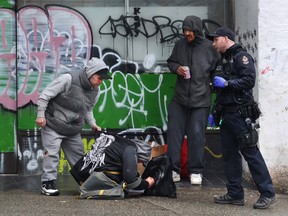
Those leaving are generally young and in the middle class: the precise cohorts of voters who are most reactive to issues like failing public transit or rising street crime.
Article content
Article content
It might also explain why many of the cities most likely to attract resettled Vancouverites pushed out by high prices experienced very different election results on Saturday. Jurisdictions such as Penticton, Langford, Surrey and New Westminster all elected mayors and councils with explicitly hard lines on public safety and street disorder.
Article content
Electorates shut out of home ownership are more radical
Article content
Large Canadian cities such as Vancouver and Toronto happen to be some of the most unaffordable real estate markets on earth. The aggregate impact of this is that whole cohorts of people who would have been homeowner parents in an earlier (and more affordable) era are now eternal renters delaying childbirth.
Article content
And, in general, eternal renters without children are much more inclined towards leftist ideals than conservative ones.
Article content
This is another phenomenon for which there is growing evidence in the United States. Younger American cohorts have trended strongly toward overt socialism in recent years, resulting in the ascension of several far-left “Democratic Socialist” candidates in the upcoming U.S. midterm elections.
Article content
Advertisement 3
Article content
A 2025 paper by the Pacific Research Institute framed this as a reaction to a real estate market young people saw as “rigged” against them.
Article content
“Rent control and similar policies have proven time and again to be ineffective solutions to housing problems, and yet they will continue to gain traction if housing affordability remains an issue,” it read.
Article content
The alternatives are awful
Article content
In Ontario, Premier Doug Ford has pulled off the rare feat of winning three consecutive majority governments. This is despite the fact that he is consistently one of the least popular premiers in the country. As of the last ranking by the Angus Reid Institute, he was dead last in popularity, with just 31 per cent of Ontarians thinking he was doing a good job.
Article content

Article content
And yet, if an election were called tomorrow, Ford would almost certainly be assured a fourth majority. The reason? Nobody likes his NDP and Liberal opposition.
Article content
In Vancouver, the defending incumbent was Mayor Ken Sim, whose 2022 landslide victory was largely won on Sim’s promise to pull the city out of its acute “public safety crisis.” That almost nothing changed on that front made the message less compelling this time around.
Article content
Advertisement 4
Article content
Most voters are low-information voters
Article content
It’s been a major source of controversy in B.C. that the provincial election is occurring just one week after the municipal elections.
Article content
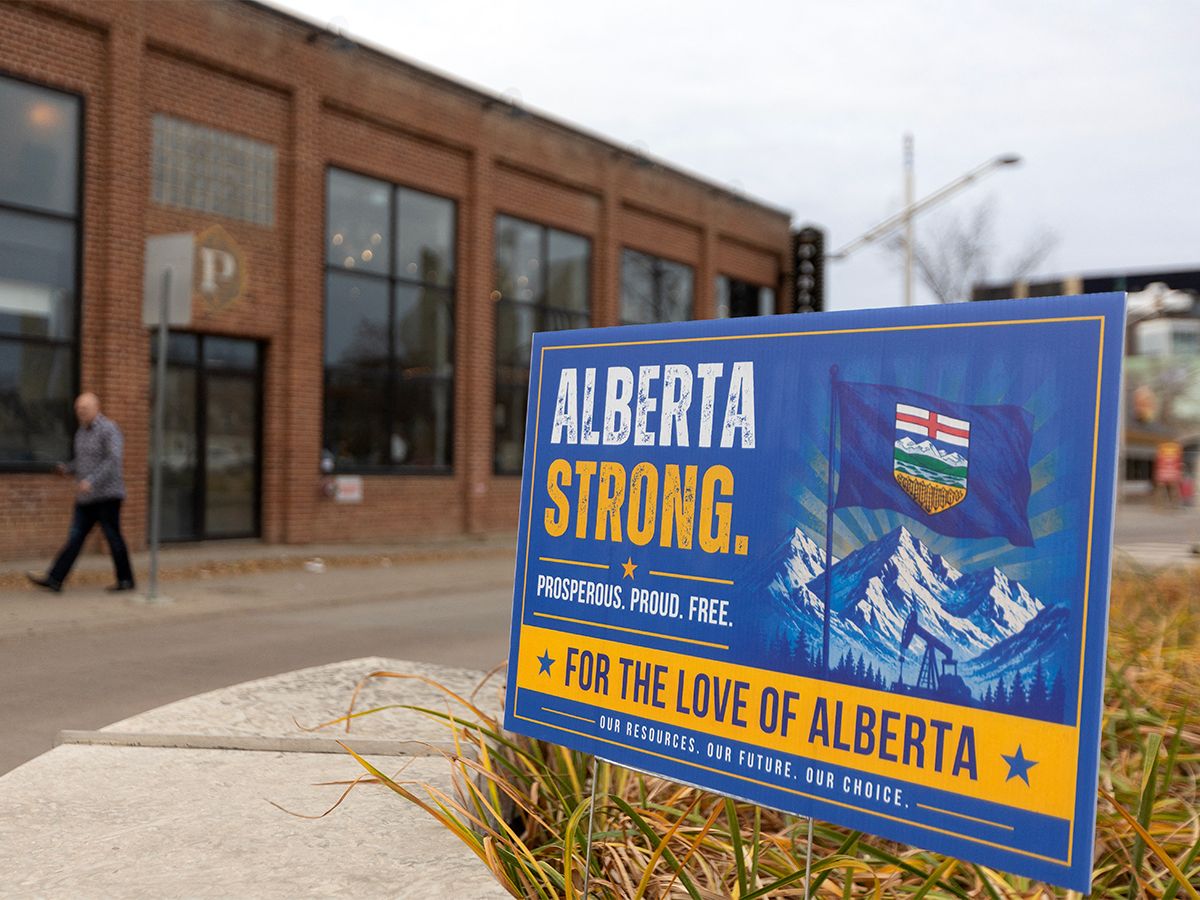
The duelling campaigns have been left scrabbling for scarce media coverage and lawn sign real estate. But perhaps more importantly, many officials have openly worried that voters are not capable of telling the difference between voting for a city councillor and voting for an MLA.
Article content
Earlier this month, a former head of the Union of B.C. Municipalities, Cori Ramsay, complained that a not-insubstantial number of voters did not seem to understand that the two were different elections. “I’m hearing candidates going door-to-door for the municipal election being told that ‘I can’t vote for you because I’m voting for our MLA,'” she told CBC.
Article content
Perhaps the greatest evidence for the low-information phenomenon was that a meme candidate won an election in Kelowna. Brady Rogers’ entire campaign consisted of humourous lawn signs declaring how unqualified he was for city council, and how little he wanted the job. Rogers not only won, but he got the fourth-highest vote share of any other candidate.























 Bengali (BD) ·
 English (US) ·