.png)
 5 hours ago
10
Article content
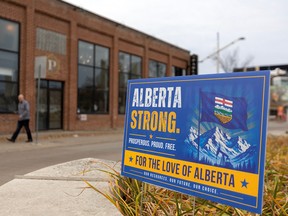
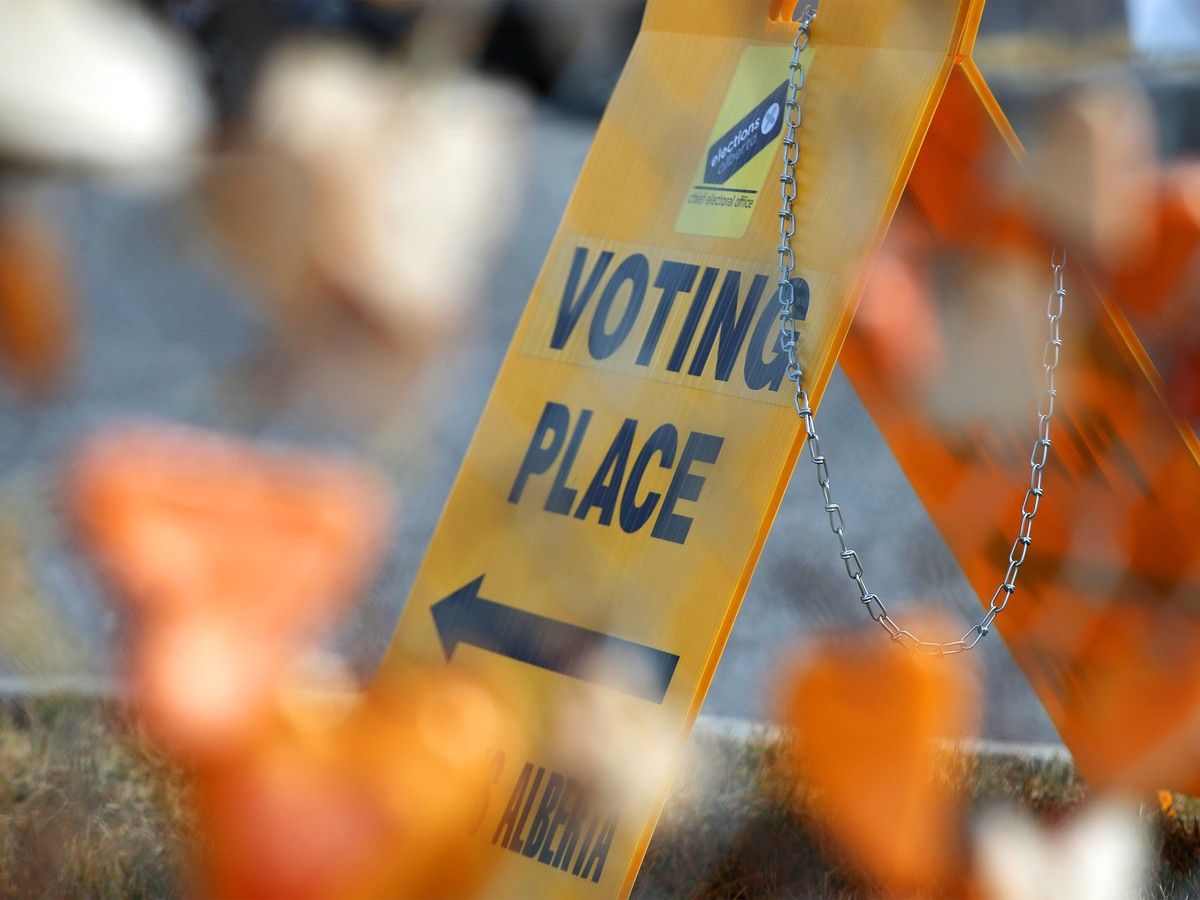
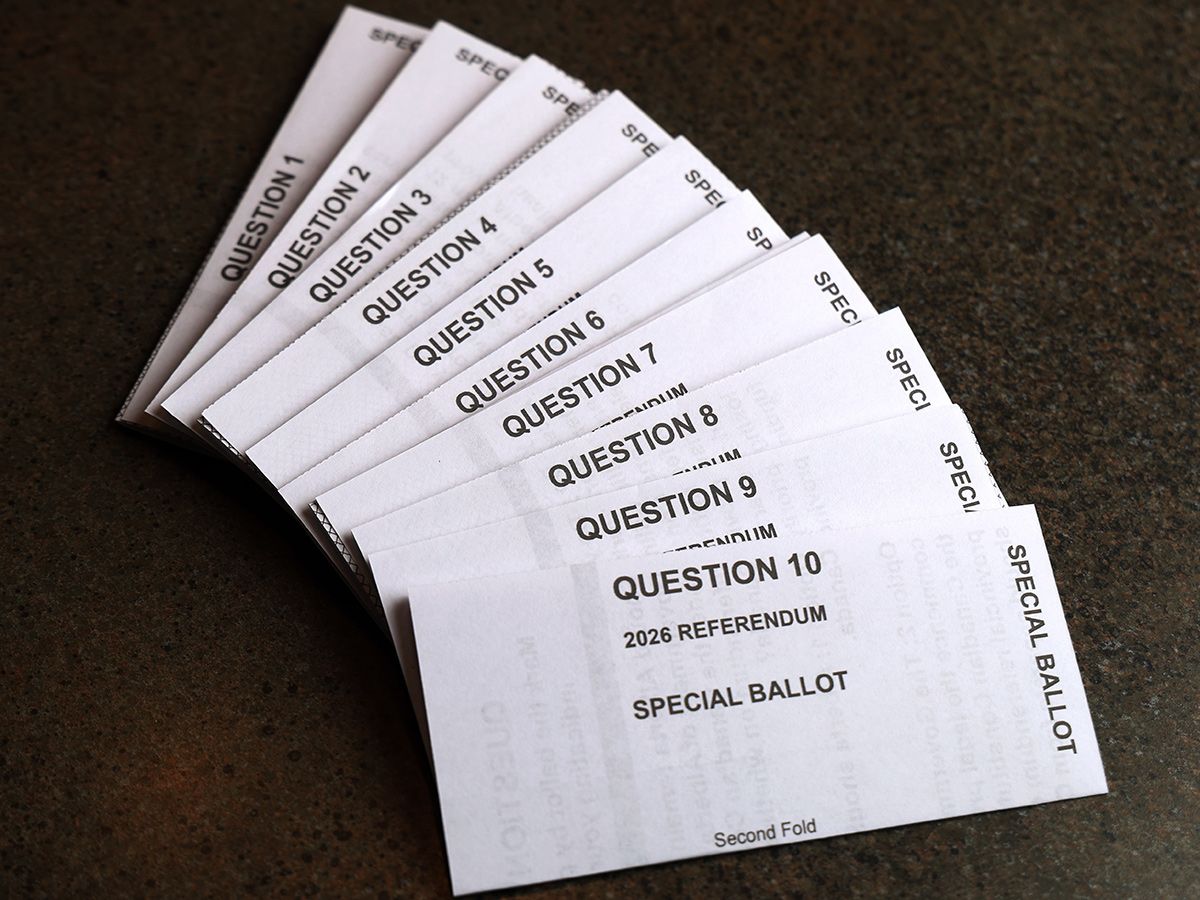
Alberta will remain part of Canada — for now. Ballots are still being counted on the province’s 10 referendum questions, but as it stands, voters rejected the separatist option by roughly three to one. On the other nine questions, they appear to have given Premier Danielle Smith a slim-to-moderate victory, setting the scene for future showdowns with Ottawa over immigration and health care, while she contends with internal divisions that are sure to fester in the United Conservative Party. In fact, for both Smith and Prime Minister Mark Carney, the fireworks are just beginning.

THIS CONTENT IS RESERVED FOR SUBSCRIBERS
Enjoy the latest local, national and international news.
- Exclusive articles by Conrad Black, Barbara Kay and others. Plus, special edition NP Platformed and First Reading newsletters and virtual events.
- Unlimited online access to National Post.
- National Post ePaper, an electronic replica of the print edition to view on any device, share and comment on.
- Daily puzzles including the New York Times Crossword.
- Support local journalism.
SUBSCRIBE FOR MORE ARTICLES
Enjoy the latest local, national and international news.
- Exclusive articles by Conrad Black, Barbara Kay and others. Plus, special edition NP Platformed and First Reading newsletters and virtual events.
- Unlimited online access to National Post.
- National Post ePaper, an electronic replica of the print edition to view on any device, share and comment on.
- Daily puzzles including the New York Times Crossword.
- Support local journalism.
REGISTER / SIGN IN TO UNLOCK MORE ARTICLES
Create an account or sign in to continue with your reading experience.
- Access articles from across Canada with one account.
- Share your thoughts and join the conversation in the comments.
- Enjoy additional articles per month.
- Get email updates from your favourite authors.
THIS ARTICLE IS FREE TO READ REGISTER TO UNLOCK.
Create an account or sign in to continue with your reading experience.
- Access articles from across Canada with one account
- Share your thoughts and join the conversation in the comments
- Enjoy additional articles per month
- Get email updates from your favourite authors
Sign In or Create an Account
or
Article content
Advertisement 1
Article content
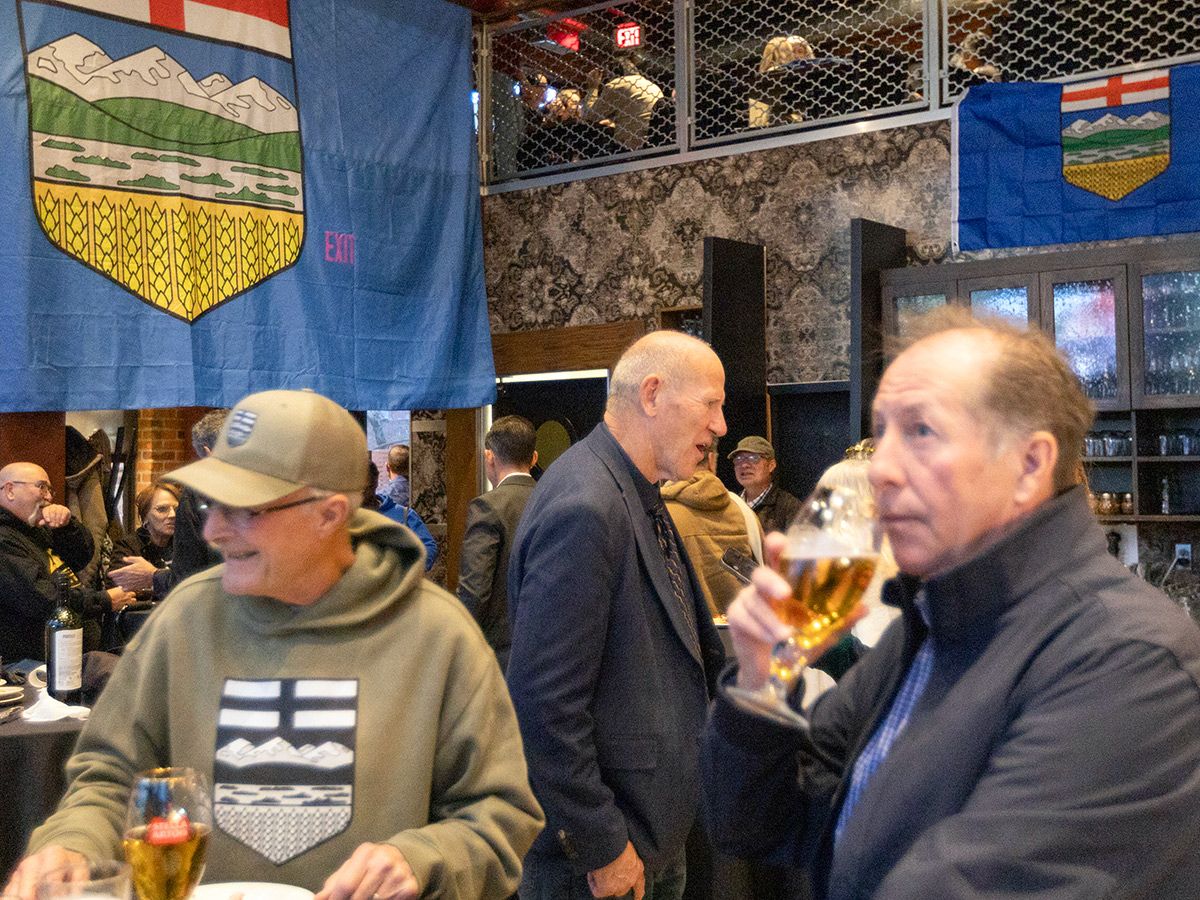
I spent the night at the Radio-Canada election desk in Edmonton, helping fill air for three hours until the results came in, and watching interviews with supporters of both leave and remain. Most in the separation camp predicted results of at least 30 per cent, with one even suggesting 55 per cent, insisting that a hidden separatist vote would materialize once Albertans entered the privacy of the voting booth.
Article content
Article content
By signing up you consent to receive the above newsletter from Postmedia Network Inc.
Article content
That didn’t happen, but while the separatists lost the referendum, they have not abandoned their cause. The question is how they choose to pursue it: inside or outside the UCP. Rancher Tim Hoven, a separatist supporter, questioned whether the movement needed its own political party, saying only that, “The right leader will show up at the right time to show us over the finish line.”
Article content
Such thoughts don’t bode well for Smith, who faces a UCP convention in November, where separation supporters, who form a slim majority in her party, will have an opportunity to vent their frustrations. If Smith can’t satisfy separatists without alienating mainstream conservatives, she could face a leadership challenge or a party split, possibly spawning an even thornier version of her former Wildrose Party.
Article content
Advertisement 2
Article content
Either scenario would threaten the coalition that brought the UCP to power and boost the fortunes of NDP Leader Naheed Nenshi. Smelling blood in the water, last night Nenshi reiterated his call to Smith to hold an election as soon as possible, ahead of next year’s fixed October date. The NDP is currently polling at 43 per cent to the UCP’s 48, a result considered within the margin of error.
Article content
Article content
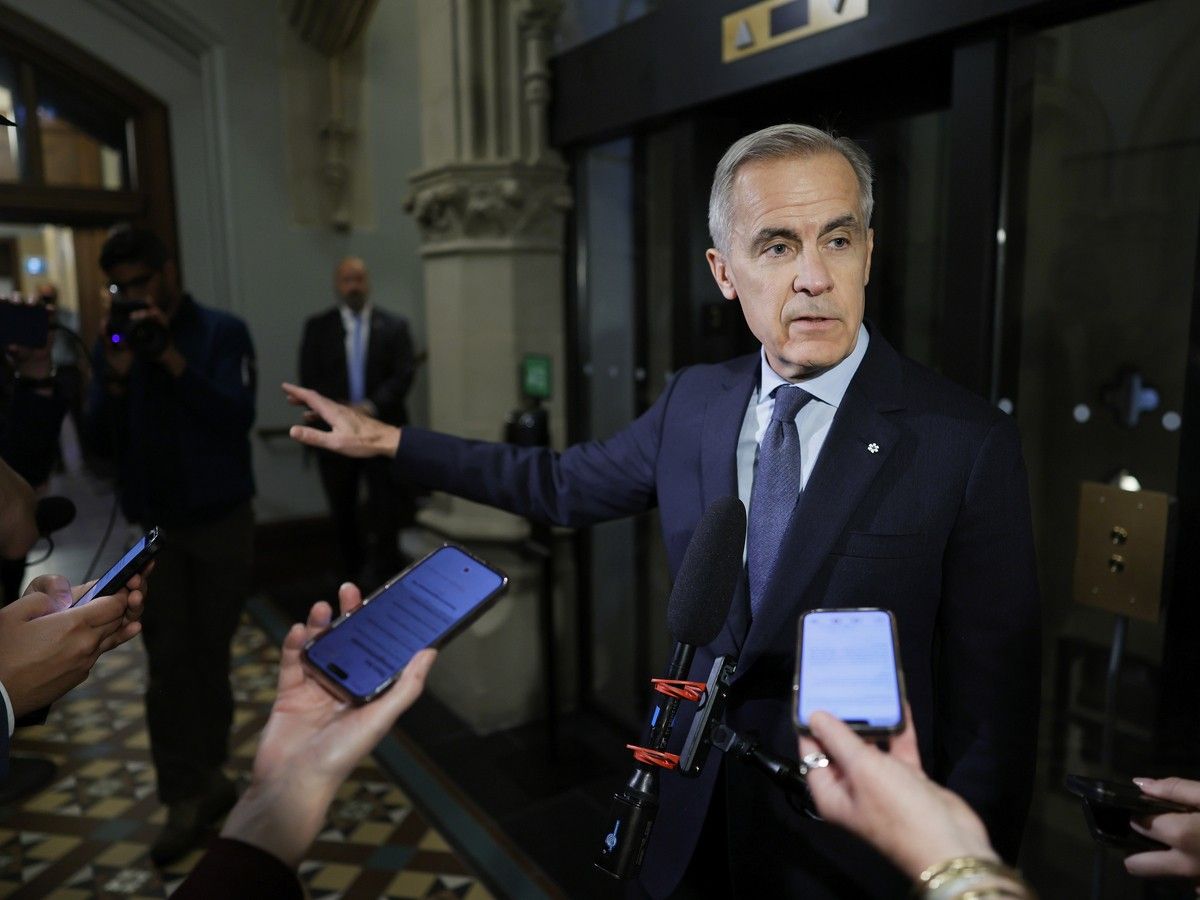
Carney will also have his set of challenges. Albertans voted on nine other questions involving immigration, access to social services, voting requirements and provincial powers. A clear majority supports greater provincial control over immigration and restrictions on certain benefits for newcomers — including Canadians from outside Alberta. That flies in the face of Carney’s ambitious One Economy plans, which would see the end to interprovincial barriers to labour mobility.
Article content
It also complicates his agenda of “building Canada strong” through major projects including a new pipeline to take oil to tidewater from Alberta. Without enough skilled workers, Carney’s goal risks becoming a pipe dream. Not surprisingly, perhaps, Carney is now contemplating a possible uptick in immigration levels. But with Canadian public sentiment swinging against newcomers, as in much of the western world, he could face serious political pushback.
























 Bengali (BD) ·
 English (US) ·