.png)
 1 hour ago
8
Article content
More than 660,000 indicated they “support the Government of Alberta charging a reasonable fee or premium to individuals with a non-permanent immigration status living in Alberta for their and their family’s use of the health care and education systems.”
Article content
More than 489,000 said no to that question.
Article content
“In large measure, immigration falls mostly within federal jurisdiction,” said Wayne MacKay, a professor emeritus at Dalhousie University’s Schulich School of Law.
Article content
Immigration laws can be tweaked, he said.
Article content
“But as with most things there are trade-offs,” he said. “In some areas, we certainly still need immigrants to keep the population up. Like many countries, we don’t have enough immigration. We don’t have enough workers to operate the economy.”
Article content
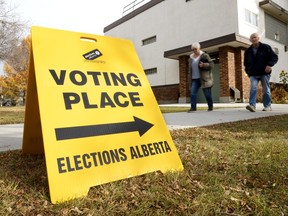
More than 736,000 indicated they support “the Government of Alberta introducing a law requiring individuals to provide proof of citizenship, such as a passport, birth certificate or citizenship card, to vote in an Alberta provincial election.” More than 418,000 voted no.
Article content
MacKay questioned whether the effect would be “more focused on vulnerable groups” who may have more difficulty producing evidence of citizenship. “That one’s a little tricky. You do have to be a citizen to vote, so if they’re upping the requirement to do that, and they do it consistently, then I suppose that’s legitimate.”
Article content
Advertisement 3
Article content
More than 570,000 Albertans said yes to whether they support “the Government of Alberta working with the governments of other willing provinces to amend the Canadian Constitution to have provincial governments, and not the federal government, select the justices appointed to provincial King’s Bench and Appeal courts.” More than 527,000 voted no.
Article content
Provinces already have “quite a bit of input” into who is appointed to the bench, MacKay said. “Increasingly there are independent selection committees that try to take some of the politics out of this.”
Article content
More than 569,000 said yes when asked if they support “the Government of Alberta working with the governments of other willing provinces to amend the Canadian Constitution to abolish the unelected federal Senate?” More than 490,000 voted no.
Article content
Article content
That would require a constitutional amendment, MacKay said, noting it would take unanimous consent from Ottawa and the provinces. “It’s a pretty high hurdle to meet and therefore might be not a very wise exercise in time and energy trying to do it.”
Article content
More than 526,000 voted no when asked if they “support the Government of Alberta working with the governments of other willing provinces to amend the Canadian Constitution to allow provinces to opt out of federal programs that intrude on provincial jurisdiction such as health care, education and social services, without a province losing any of the associated federal funding for use in its social programs.” More than 512,000 voted yes on that question.
Article content
Advertisement 4
Article content
The vote skewed slightly to the yes side (more than 520,000) when Albertans were asked if they “support the Government of Alberta working with the governments of other willing provinces to amend the Canadian Constitution to better protect provincial rights from federal interference by giving a province’s laws dealing with provincial or shared areas of constitutional jurisdiction priority over federal laws when the province’s laws and federal laws conflict.” More than 500,000 voted no to this question.
Article content
That would be “a big reversal of existing constitutional structure, where if there’s valid federal and provincial laws in the same area, the federal one kind of prevails,” MacKay said.
Article content
“What they’re really arguing for is a significant round of constitutional amendment giving more power to the provinces and less power to the federal government. And as we know from way back with Meech Lake and all the other various attempts to amend the Constitution, amending our Constitution is a very difficult, lengthy and not very successful process.”
Article content
Our website is the place for the latest breaking news, exclusive scoops, longreads and provocative commentary. Please bookmark nationalpost.com and sign up for our daily newsletter, Posted, here.
Article content


























 Bengali (BD) ·
 English (US) ·