.png)
 3 hours ago
7
3 hours ago
7
'Have not' provinces such as Ontario, Quebec and the Maritimes rewarded at the expense of 'have' provinces such as Alberta, B.C. and Saskatchewan: Fraser Institute
Get the latest from Lorrie Goldstein straight to your inbox
Published Apr 16, 2026 • Last updated 23 minutes ago • 1 minute read
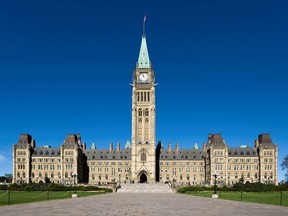
The federal equalization program is broken, resulting in $10.5 billion in overpayments to “have not” provinces such as Ontario, Quebec and the Maritimes, at the expense of “have” provinces such as Alberta, B.C. and Saskatchewan, according to a new study by the Fraser Institute.
Advertisement 2

THIS CONTENT IS RESERVED FOR SUBSCRIBERS ONLY
Subscribe now to read the latest news in your city and across Canada.
- Unlimited online access to articles from across Canada with one account.
- Get exclusive access to the Toronto Sun ePaper, an electronic replica of the print edition that you can share, download and comment on.
- Enjoy insights and behind-the-scenes analysis from our award-winning journalists.
- Support local journalists and the next generation of journalists.
- Daily puzzles including the New York Times Crossword.
SUBSCRIBE TO UNLOCK MORE ARTICLES
Subscribe now to read the latest news in your city and across Canada.
- Unlimited online access to articles from across Canada with one account.
- Get exclusive access to the Toronto Sun ePaper, an electronic replica of the print edition that you can share, download and comment on.
- Enjoy insights and behind-the-scenes analysis from our award-winning journalists.
- Support local journalists and the next generation of journalists.
- Daily puzzles including the New York Times Crossword.
REGISTER / SIGN IN TO UNLOCK MORE ARTICLES
Create an account or sign in to continue with your reading experience.
- Access articles from across Canada with one account.
- Share your thoughts and join the conversation in the comments.
- Enjoy additional articles per month.
- Get email updates from your favourite authors.
THIS ARTICLE IS FREE TO READ REGISTER TO UNLOCK.
Create an account or sign in to continue with your reading experience.
- Access articles from across Canada with one account
- Share your thoughts and join the conversation in the comments
- Enjoy additional articles per month
- Get email updates from your favourite authors
Article content
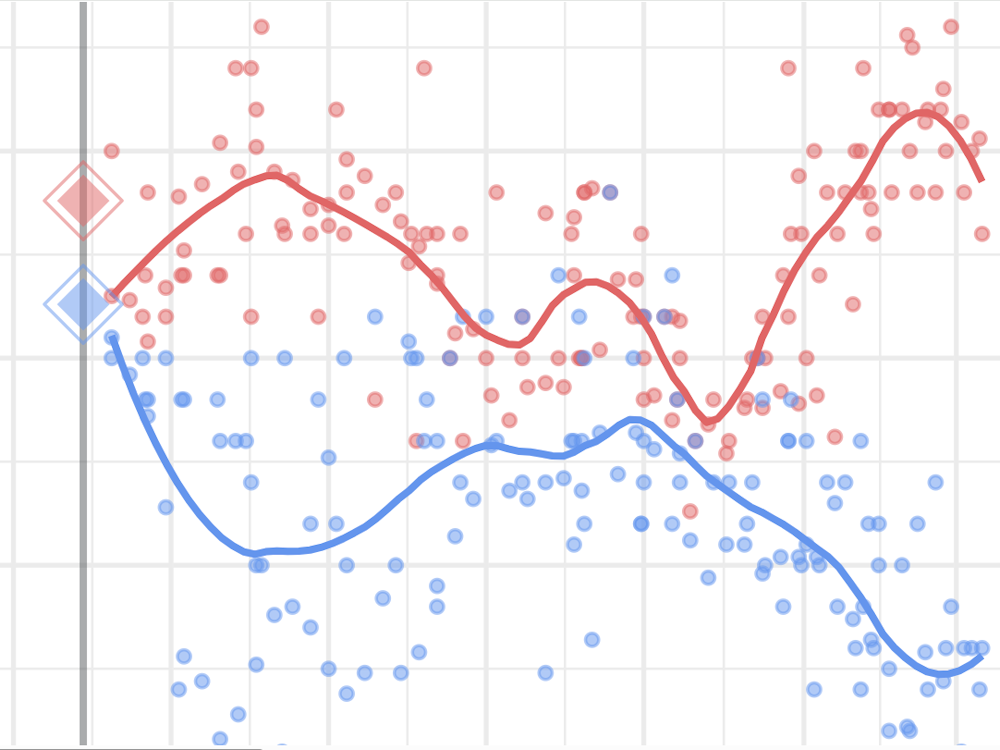
The fiscally conservative think tank says the overpayments have occurred since 2018 because of a design flaw introduced in 2009 known as the fixed growth rate rule linking annual payments to the growth rate of the economy, which was intended to cap annual equalization increases.
Article content
Article content
The program, one of the largest components of federal transfer payments to the provinces, is supposed to ensure all provinces are able to provide comparable public services at comparable levels of taxation across the country.
Ben Eisen, co-author of the study: “Equalization Is Broken: How the Continuous Growth Requirement Inhibits Reform,” said “equalization should shrink when the ability of provinces to raise revenues — particularly between so-called ‘have’ and ‘have-not’ provinces — moves closer together.”
Read More
-

OPINION: Equalization lawsuit is a taxpayer cash grab
-

BEWICK: Equalization reform could benefit Ontarians most of all


The problem is that the current formula does not account for the fact that the fiscal capacities of the provinces have been moving closer together over time, while the fixed growth rate rule now mandates upward adjustments to equalization payments instead of decreasing them.
Advertisement 3
Article content
While Alberta, Saskatchewan and B.C. receive no equalization payments and they account for just 0.2% of provincial revenues in Ontario and 1.7% in Newfoundland and Labrador, they are major contributors to Quebec where they account for 8.4% of provincial revenues, 19.3% in Manitoba, 20.5% in Nova Scotia, 20.7% in P.E.I. and 23.6% in New Brunswick.
“When a program designed to equalize fiscal capacity (in the provinces) can no longer adjust to relative changes in that capacity, its core mechanism is no longer functioning, as intended,” Eisen said.
“In order to make real equalization reforms possible, policymakers will first have to fix the growth requirement flaw.”
RECOMMENDED VIDEO

We apologize, but this video has failed to load.
Article content


























 Bengali (BD) ·
  English (US) ·