.png)
 3 hours ago
11
Article content
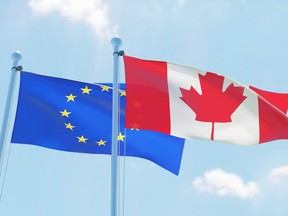
When a joint Canada-European Union statement is issued at their summit kicking off in Montreal on Thursday, there’ll be no mention of “associate membership,” according to reports.

THIS CONTENT IS RESERVED FOR SUBSCRIBERS
Enjoy the latest local, national and international news.
- Exclusive articles by Conrad Black, Barbara Kay and others. Plus, special edition NP Platformed and First Reading newsletters and virtual events.
- Unlimited online access to National Post.
- National Post ePaper, an electronic replica of the print edition to view on any device, share and comment on.
- Daily puzzles including the New York Times Crossword.
- Support local journalism.
SUBSCRIBE FOR MORE ARTICLES
Enjoy the latest local, national and international news.
- Exclusive articles by Conrad Black, Barbara Kay and others. Plus, special edition NP Platformed and First Reading newsletters and virtual events.
- Unlimited online access to National Post.
- National Post ePaper, an electronic replica of the print edition to view on any device, share and comment on.
- Daily puzzles including the New York Times Crossword.
- Support local journalism.
REGISTER / SIGN IN TO UNLOCK MORE ARTICLES
Create an account or sign in to continue with your reading experience.
- Access articles from across Canada with one account.
- Share your thoughts and join the conversation in the comments.
- Enjoy additional articles per month.
- Get email updates from your favourite authors.
THIS ARTICLE IS FREE TO READ REGISTER TO UNLOCK.
Create an account or sign in to continue with your reading experience.
- Access articles from across Canada with one account
- Share your thoughts and join the conversation in the comments
- Enjoy additional articles per month
- Get email updates from your favourite authors
Sign In or Create an Account
or
Article content
Instead, the statement will call for “ever closer associations” between Canada and the 27-member bloc, “short of full membership itself,” Politico reported Wednesday.
Article content
Article content
Germany, France and Greece, while broadly supporting closer ties with Ottawa, all objected to the use of “associate member” in draft versions, Euronews had earlier reported.
Article content
Advertisement 1
Article content
“The main concern is that this is unknown terminology, it might bring up legal uncertainty and expectations from other third countries,” an unnamed diplomat said.
Article content
By signing up you consent to receive the above newsletter from Postmedia Network Inc.
Article content
Article content
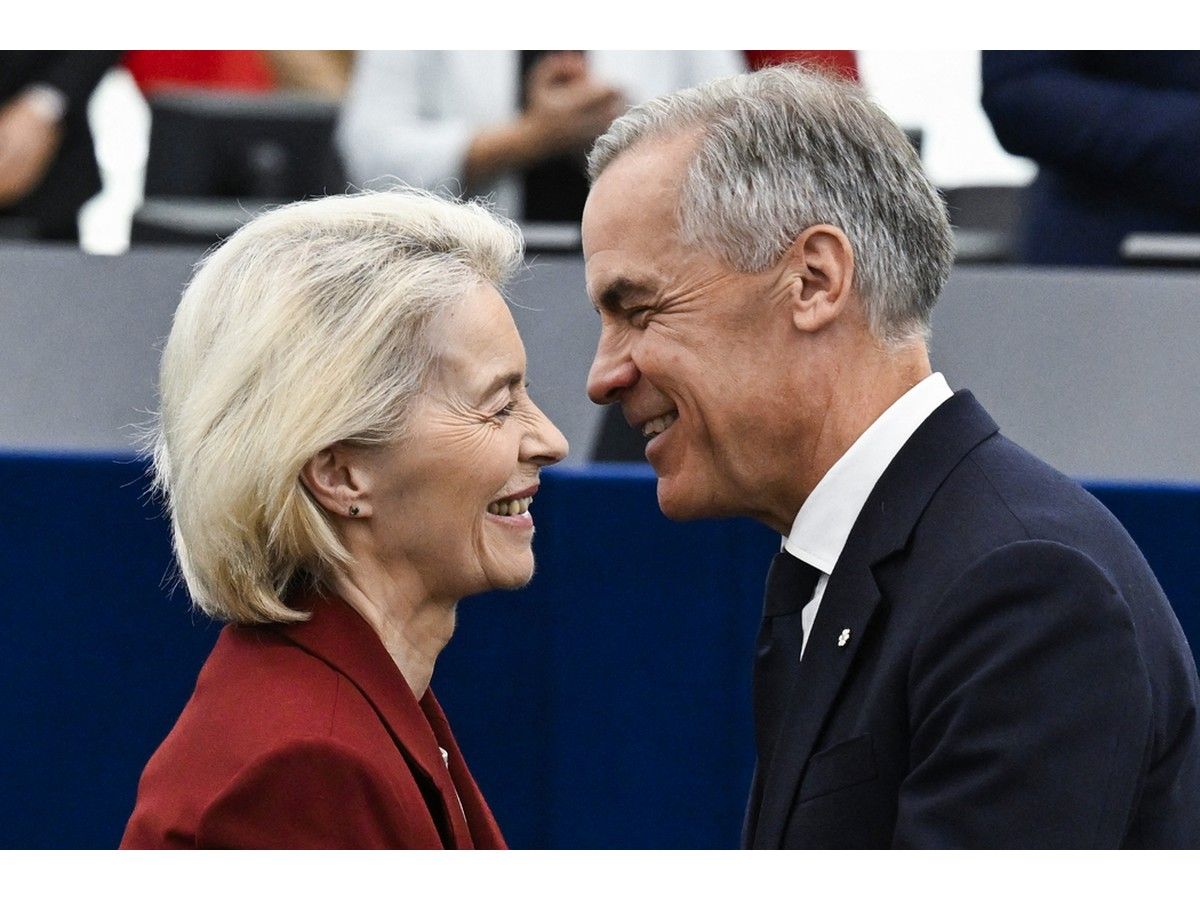
Last month, during a State of the Union address in Strasbourg, France, where Carney was the guest of honour, European Commission President Ursula von der Leyen proposed that Canada become an “associated member” of the EU, a term that doesn’t legally exist within the enclave. The idea was presented as a way to build a deeper partnership with a country that shares Europe’s democratic values and strategic concerns but has no intention of outright bloc membership.
Article content
Four European diplomats said von der Leyen put it forward without first consulting European capitals, Politico reported at the time.
Article content
Other EU diplomats warned that introducing a class of membership without a clear definition could create legal uncertainty, raise expectations among other countries seeking closer ties with Europe and complicate the EU’s existing arrangements with potential member nations.
Article content
Advertisement 2
Article content
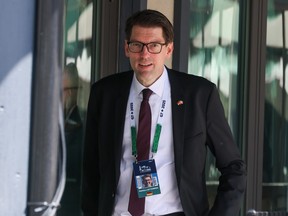
Matthias Lüttenberg, Germany’s ambassador to Canada, told CTV his country has used “associate membership” to describe the EU’s relationship with Ukraine and Moldova, two countries striving for full membership.
Article content
Article content
Article content
In May, German Chancellor Friedrich Merz proposed associate membership for Ukraine as an interim step to full membership that he said could help end the war with Russia, Reuters reported.
Article content
“What we have in front of us is something which is not clearly understood by all member states,” Lüttenberg said, suggesting all 27 member nations need “some time to reflect.”
Article content
“I think we have been a little surprised by the announcement, which doesn’t mean that we cannot agree on it.”
Article content
During a media briefing Tuesday, European officials said member nations are united in the ambition of Canada as an “associate member,” but admitted there is some division over the terminology, per Bloomberg.
Article content
Outside of “associate membership,” which is being explored only with Canada in mind, the officials also said talks could result in an “alliance of the future” — a broader framework the EU could extend to other countries that want closer ties without full membership.

























 Bengali (BD) ·
 English (US) ·