.png)
 1 day ago
15
Controversies are a staple of life, and the video game industry is no different. Over the last two decades, we’ve had some of the craziest video game controversies, from accusations of violence in games encouraging real-world crime to scandals with hidden content and questionable monetization.
In fact, some of these controversies have resulted in lasting changes across the industry. Today, we’ll be looking at the seven craziest controversies that left a lasting mark on gaming, ranked by their cultural impact, public backlash, and consequences for the industry.
7 The Horse Armor DLC Controversy in The Elder Scrolls IV: Oblivion
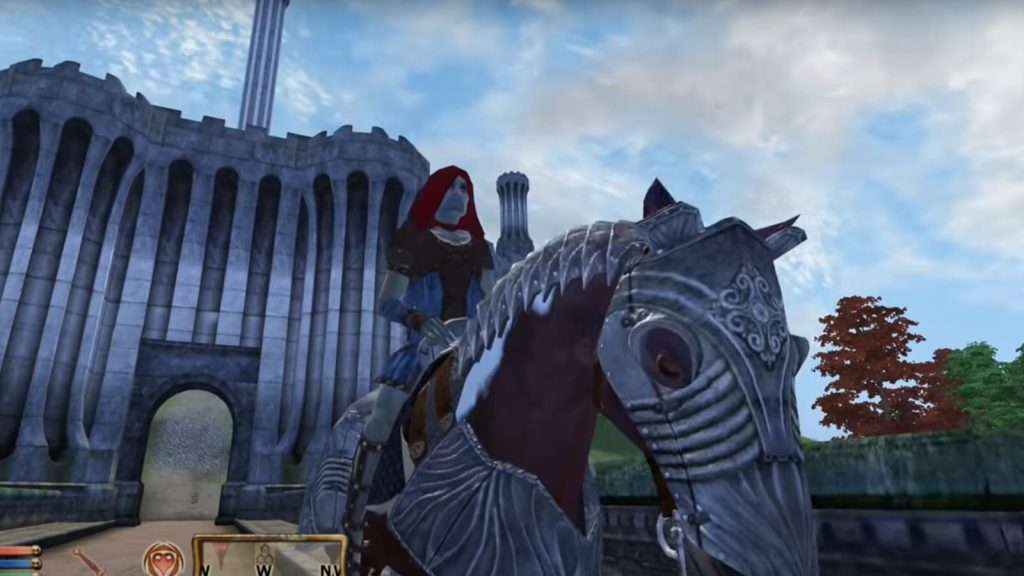 Image Credit: Bethesda Game Studios
When Bethesda introduced paid horse armor for The Elder Scrolls IV: Oblivion in 2006, the downloadable content cost approximately $2.50. Although the cosmetic upgrade was relatively minor, many players questioned why they had to pay extra for something they considered insignificant.
The backlash was an early example of gaming communities pushing back against paid downloadable content. What seemed like an overpriced cosmetic purchase at the time also foreshadowed the widespread use of microtransactions that is common today.
6 Call of Duty: Modern Warfare 2’s No Russian Mission
 Image Credit: Activision
Released in 2009, Call of Duty: Modern Warfare 2 featured one of gaming’s most disturbing missions. In “No Russian,” players accompany terrorists during an attack on civilians at an airport, with the option to participate in the massacre.
The sequence got a ton of media attention because of its graphic depiction of violence. Infinity Ward included a warning and allowed players to skip the mission, but those measures didn’t prevent criticism. Some regions even censored the sequence, and it’s been a controversy ever since.
5 Doom Being Linked to the Columbine School Shooting
 Image Credit: id Software
id Software’s Doom became a landmark first-person shooter following its 1993 release, but its graphic violence also attracted criticism. The controversy grew after the 1999 Columbine High School shooting, when the suspect’s interest in the game became part of the public discussion.
People attempted to connect violent games with real-world violence, placing Doom under intense scrutiny. However, the association did not establish that the game caused the tragedy.
4 The Xbox One’s Used-Game and Online Restrictions
 Image Credit: Microsoft
Microsoft’s initial Xbox One announcement in 2013 got backlash over its proposed policies concerning internet connectivity and game sharing. Players worried that restrictions on used games and digital licensing could limit their ability to lend, trade, or resell their purchases.
Sony capitalized on the controversy by emphasizing the PlayStation 4’s support for traditional used-game sharing. Following the negative response, Microsoft reversed its controversial policies before the Xbox One launched. How the tables have turned today.
3 The Hot Coffee Scandal in Grand Theft Auto: San Andreas
 Image Credit: Rockstar Games
Rockstar Games found itself at the center of a major industry scandal in 2005 when players discovered hidden sexual content in Grand Theft Auto: San Andreas. Known as “Hot Coffee,” the content consisted of a sexual minigame that was inaccessible at release but still existed in the game’s files.
Once a modification made the content accessible, the controversy escalated. The Entertainment Software Rating Board (ESRB) revoked the game’s Mature rating and reassigned it an Adults Only rating, forcing retailers to reconsider their stock. Rockstar and its parent company, Take-Two Interactive, also faced regulatory scrutiny and financial consequences.
2 Mortal Kombat and the Creation of the ESRB
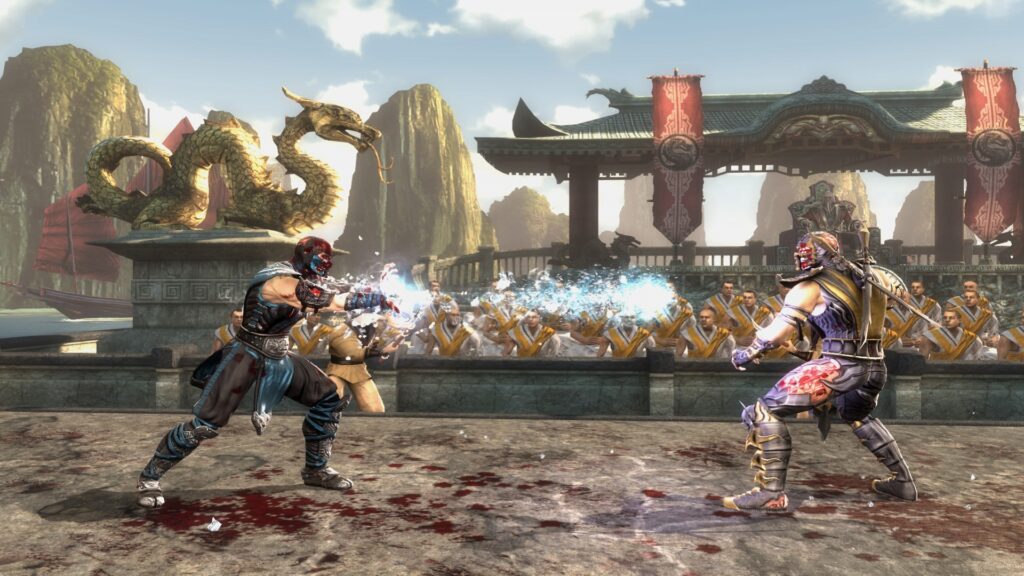 Image Credit: NetherRealm Studios
When the original Mortal Kombat arrived in arcades in 1992, its realistic-looking blood and brutal finishing moves shocked audiences accustomed to less graphic fighting games. Its home-console releases intensified the debate, turning the franchise into a major target for critics concerned about violence in entertainment.
In December 1993, the controversy reached the US Senate, where Mortal Kombat, alongside games such as Night Trap, became a focus of congressional hearings. Lawmakers threatened government intervention unless the industry established a suitable ratings system. It resulted in the creation of the Entertainment Software Rating Board (ESRB).
1 Gamergate: When Gaming Outrage Turned Into Online Harassment
 Image Credit: Riot Games
Gamergate initially began as an online controversy in 2014. It involved independent game developer Zoë Quinn and allegations against gaming journalism. While the initial accusations were ultimately untrue, it rapidly turned into a campaign targeting women in the gaming industry and journalists.
The resulting harassment included doxxing, threats, and coordinated online abuse. What started as an argument about ethics in games journalism turned into a much more toxic cultural conflict, resulting in debates about gender, representation, and who belonged in gaming communities.















 Bengali (BD) ·
 English (US) ·