.png)
 14 hours ago
7
14 hours ago
7
The Lord of the Rings: The Rings of Power, or The Rings of Power, has always known how to be big. Where it’s sometimes been lacking, however, is in discipline and a recognition that the Second Age should be the kind of story that J.R.R. Tolkien told it: an epic tragedy in slow motion of the seductive nature of craft, where creating something extraordinary is not necessarily a morally neutral act.
The third season, due for release later this year, will depict “the height of the War of the Elves and Sauron,” which means adapting material that Tolkien himself left only partly written: scattered throughout Unfinished Tales, the final chapters of The Silmarillion, and even the terse timeline of appendices. The following list is about some of the greatest Second Age moments in Middle-earth that we hope showrunners have done justice to.
Quick reference:
| Title | The Lord of the Rings: The Rings of Power |
| Creators | J. D. Payne, Patrick McKay |
| Premise | Set during Middle-earth’s Second Age, the series follows the rise of Sauron, the forging of the Rings of Power, the fall of Númenor, and the events leading to the Last Alliance of Elves and Men. |
| Main Cast | Morfydd Clark, Charlie Vickers, Robert Aramayo, Owain Arthur, Sophia Nomvete, Ismael Cruz Córdova, Daniel Weyman, Benjamin Walker, Lloyd Owen, Cynthia Addai-Robinson, Trystan Gravelle, Markella Kavenagh |
| IMDb | 6.8/10 |
| Rotten Tomatoes | 84% (Tomatometer), 48% (Popcornmeter) |
1 The Forging of the One Ring
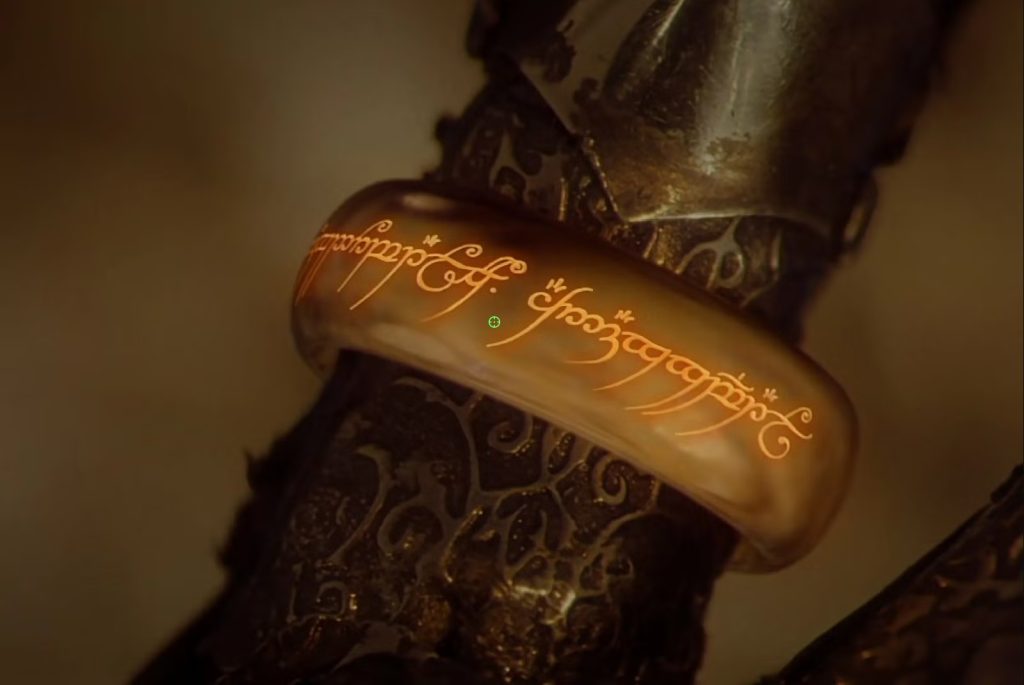 The One Ring as seen in The Lord of the Rings trilogy | Credits: New Line Cinema
The forging of the One Ring occurs in Orodruin (or Mount Doom) around S.A. (Second Age) 1600. As it happens, this was the year Sauron (Charlie Vickers) completed the construction of his fortress, Barad-dûr. His powers were employed in constructing the foundations of the fortress itself. Tolkien modified his internal chronology of the Second Age several times, and thus the use of the word “circa” is doing real work in that date.
It should be clear that this is an example of binding oneself, because Sauron, easily the best fantasy villain of all time, places a great part of his own power into the Ring. It is, as you already know, the greatest of all the rings forged in Middle-earth. Which is to say, he diminishes himself in the very act that makes him omnipotent. Well, nearly so. Sauron’s greatest strength from this point is also his biggest weakness.
2 The Founding of Rivendell
-

Credits: New Line Cinema
-

Credits: New Line Cinema
-

Credits: New Line Cinema


Imladris, which is Elvish for Rivendell, isn’t founded in triumph. It is not founded in retreat. It is the consolation of a rescue mission gone wrong, the creation of a sanctuary because the army of Elrond (Robert Aramayo in The Rings of Power and Hugo Weaving in Jackson’s movies) was forced from the battlefield. Tolkien’s account is almost embarrassingly plain about it: “he was forced away northwards, and it was at that time… that he established a refuge and stronghold at Imladris.”
The visual look of the place will go a long way in convincing the fans that this is the Rivendell they know from Peter Jackson‘s The Lord of the Rings trilogy.
3 The Distribution of the Nine Rings
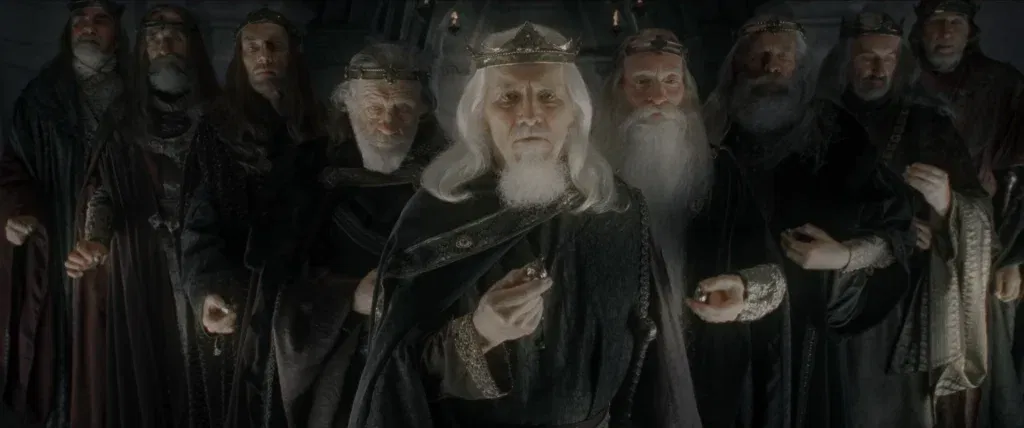 The Nine Kings of Men receive the Rings of Power in Peter Jackson’s The Lord of the Rings: The Fellowship of the Ring | Credits: New Line Cinema
At some point after the Sack of Eregion around S.A. 1697, Sauron gifts nine rings to nine mortal men seemingly out of the goodness of his heart. Amongst them are three Númenórean lords and one Easterling king. The others are unidentified, and the show is welcome to fill in the blanks. Tolkien is vague about the nature of the actual exchange. There isn’t anything that compels this to take place wholly in season 3 rather than being split over the following two seasons. The Rings of Power is, after all, clearly happy to stretch out any ramifications related to the titular rings for dramatic purposes.
4 The Rise of the Ringwraiths
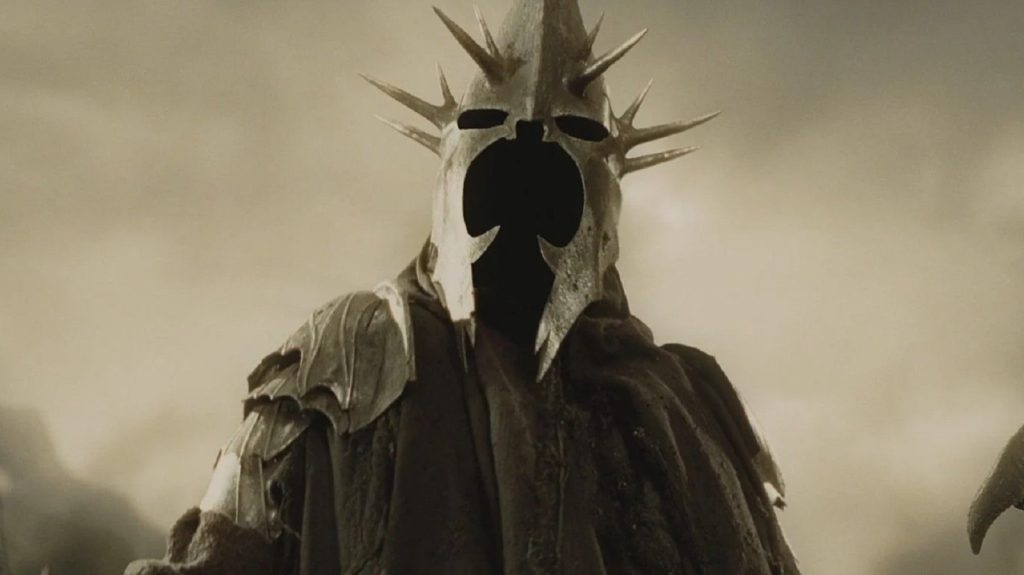 The Witch King of Angmar, the leader of the Nazgûl | Credits: New Line Cinema
The dreaded Nine do not instantly transform into the Nazgûl. There is enough time span in Tolkien’s timeline for them to be corrupted gradually through decades and even centuries. The rings handed to them by Sauron unnaturally elongate their life, make them rich, but also hollow them out into wraiths. They forever remain invisible and bound slaves. Only two Nazgûl of the Nine are identified with specific names: the Witch-king of Angmar and Khamûl, his second in rank (played by Zubin Varla in the forthcoming season of Rings of Power).
Clearly, the first obvious trap of the adaptation is body horror: a hasty transformation scene. The transformation that Tolkien describes is much closer to an addiction, which takes a long, long time for the wearers to realize what they have lost, and by then, it’s too late. Their arc in the show should reflect that.
5 Sauron’s Corruption of Númenor
-

Credits: Prime Video
-

Credits: Prime Video
-

Credits: Prime Video


The entire Akallabêth story — the capture of a “surrendering” Sauron by Ar-Pharazôn, the cutting down of Nimloth the White Tree, the worshipping of Morgoth at the Temple, and the doomed Great Armament against Valinor — may be out of season 3’s scope. However, the series has taken two seasons to prepare the political background: the Faithful versus King’s Men factionalism, and so on.
What Tolkien says and that adaptations tend to gloss over is the fact that Sauron doesn’t conquer Númenor by force but comes there as a prisoner and convinces the king to let him become his most trusted advisor. The seduction of an entire kingdom rather than its conquest is what makes the real horror, and the series can begin planting the seeds of it now, although the Fall of Númenor, one of the biggest things to happen in the Second Age, will take place in further seasons.
6 Gandalf’s Journey Through Rhûn
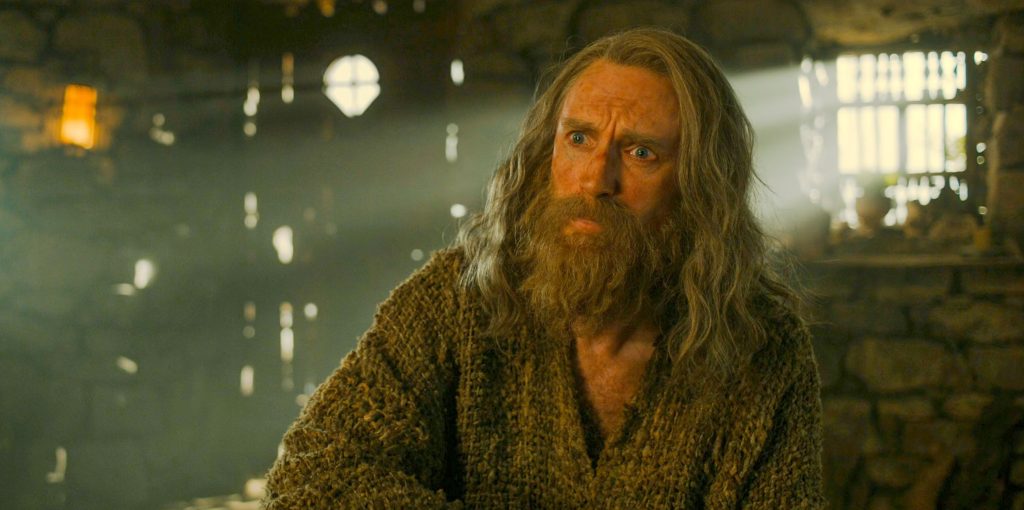 Daniel Weyman’s Gandalf returns in The Lord of the Rings: The Rings of Power season 3 | Credits: Prime Video
Tolkien never sends Gandalf to Rhûn. The Maia Olórin doesn’t even incarnate as Gandalf until the Third Age. The wizard who actually journeys east through Rhûn is Alatar, one of those Blue Wizards, traditionally paired with his friend Pallando.
This series has already dabbled in this lore. The “Dark Wizard” plot line in Rhûn during The Rings of Power season 2 has been seen as referring to Pallando. There is nothing in the lore that makes this any less open-ended than Tolkien intended it to be, which means the series would not only be in the clear but doing itself a great service if it continued this plot line for its entire run.
7 The Rise of Barad-dûr as Sauron’s Stronghold
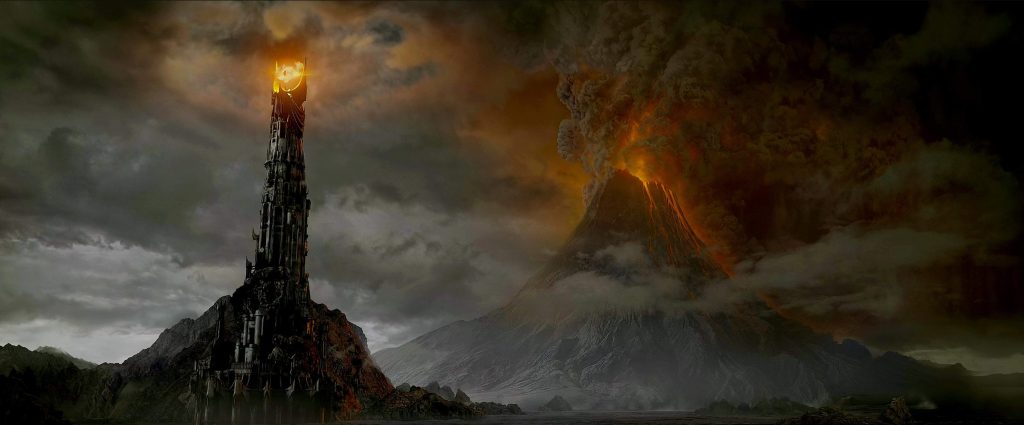 Barad-dûr and Mount Doom in The Lord of the Rings trilogy | Credits: New Line Cinema
The construction of the fortress began around S.A. 1000, when Mordor becomes Sauron’s chosen seat. It took about six hundred years to build, finishing in the same year as the Ring was forged. There is virtually no information given by Tolkien about the inside of the tower at all, not even the layout of its floor or the existence of a throne room. Its power in the text is entirely a matter of scale and the sense of dread, “secure in its pride and its immeasurable strength.”
It is up to the writers whether to depict the tower as newly constructed or old, for this is not dictated by Tolkien. Barad-dûr is supposed to be viewed from afar, not to be entered into.
8 Sauron’s Transformation Into the Dark Lord of Mordor
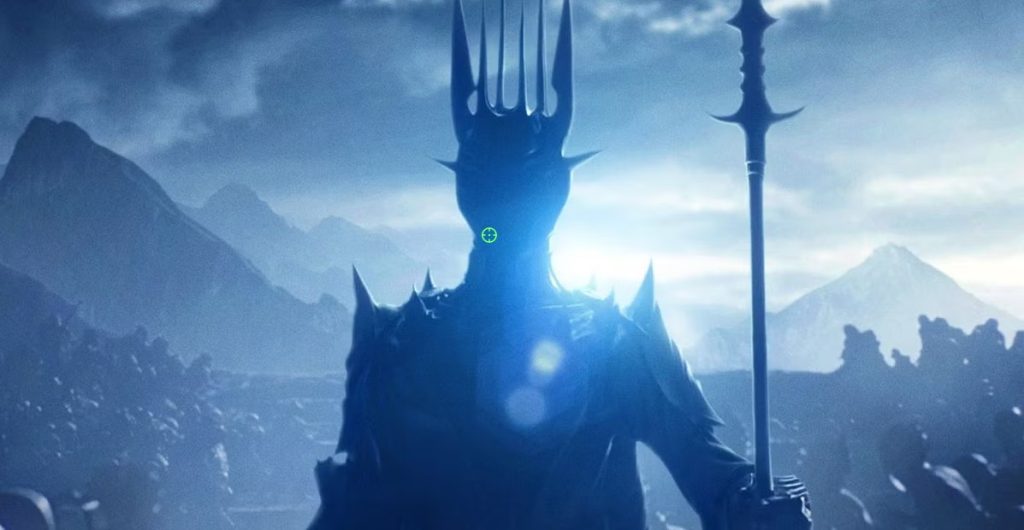 A silhouette of Sauron in The Rings of Power | Credits: Prime Video
Sauron in the show has been Halbrand and Annatar for two seasons. He is a character who is charming, wounded, and plausible by turns. The Dark Lord in the latter part of the Second Age is something terrible: he will eventually reach a stage in life when he cannot take on an attractive and pleasing form anymore. He becomes ugly after the fall of Númenor (he loses the ability to appear beautiful). He turns from seduction to pure domination.
It will be difficult to get the tone right, for Sauron stops trying to be likable. But this only happens in the text when he falls out of grace after the Fall of Númenor, an event which may happen in the fourth or fifth season.
9 The Seven Rings Reach the Dwarf-Lords
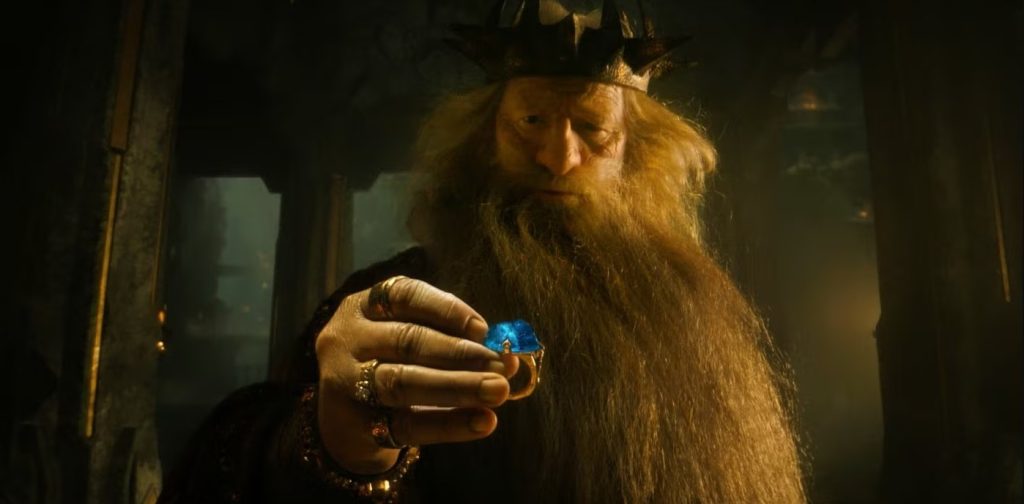 King Durin III holds one of the Seven Rings of Power in The Rings of Power | Credits: Prime Video
These Seven Rings are seized by Sauron when Eregion falls. They are not made individually for the Dwarves, for Sauron lacks the ability to corrupt the wills of Dwarves like he corrupts Men; because of the strength of their will, a quality that Tolkien admires in them, the rings turn their wearers into greedy individuals.
The series has already made a significant commitment to the line of Durin, making this one an easy one to go with for season 3, even if nothing demands that it must happen this season. The challenge here will be whether the corruption will feel Dwarven enough — the dragon-sickness that afflicts them.
10 Gil-galad and Elrond’s Defense of Lindon and Eriador
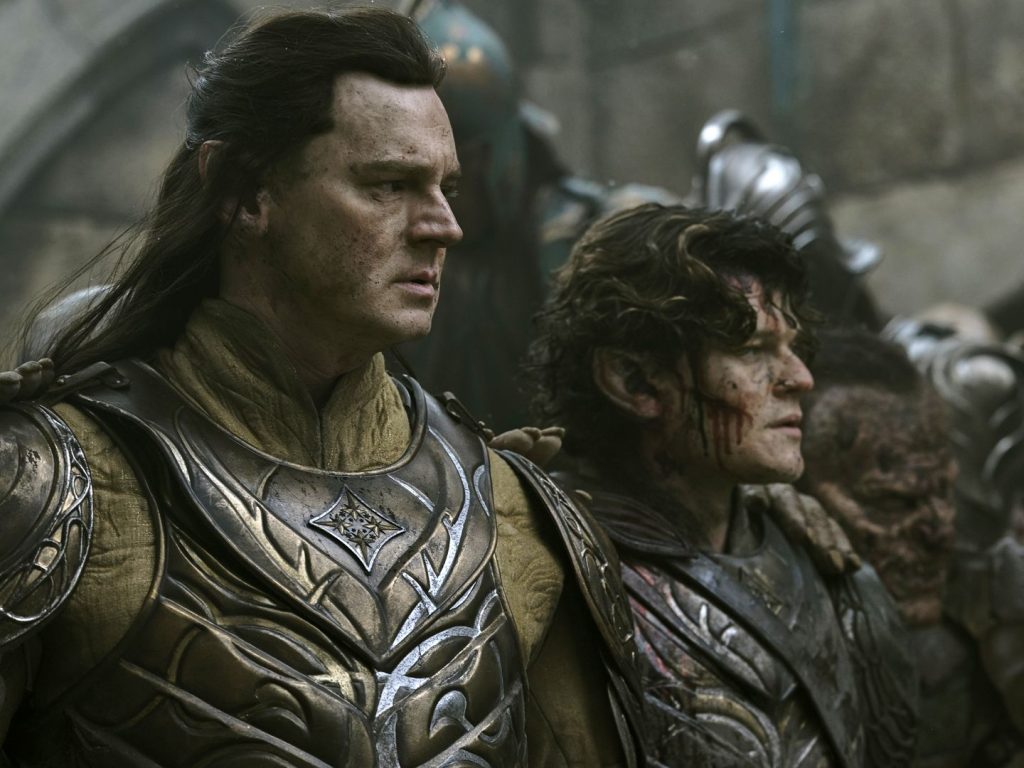 Benjamin Walker as High King Gil-galad and Robert Aramayo as Elrond in The Rings of Power | Credits: Prime Video
Unfinished Tales provides the fullest account: driven mad by the Elves’ refusal to yield up their remaining rings, Sauron marches on Eriador around S.A. 1695. Gil-galad (Benjamin Walker) dispatches Elrond and his troops, but too late to save Eregion; Elrond flees north and establishes Imladris. But he is soon under siege while Sauron drives for Lindon in the hope of seizing one of the Three Rings from Gil-galad.
It is not until Tar-Minastir of Númenor responds to Gil-galad’s call around S.A. 1700 that the siege is finally broken and the tide of battle is turned at the Battle of the Gwathló, the final battle of the War of the Elves and Sauron (which we will likely see towards the end of season 5, perhaps in the finale).
While the show has depicted the fall of Eregion and the retreat north, the siege and relief are clearly season three material if the show intends to follow its own shortened timeline; there’s nothing in the lore to prevent it from doing so. What remains is more prosaic, less cinematic, than the destruction of yet another city.
The 10 most-awaited moments, summarized:
| 1 | The Forging of the One Ring | Sauron forges the One Ring in Mount Doom, binding much of his power to it. |
| 2 | The Founding of Rivendell | Elrond establishes Rivendell as a refuge after retreating from Eregion. |
| 3 | The Distribution of the Nine Rings | Sauron gifts the Nine Rings to mortal kings, setting their corruption in motion. |
| 4 | The Rise of the Ringwraiths | The Nine Kings gradually become the Nazgûl under the Rings’ influence. |
| 5 | Sauron’s Corruption of Númenor | Sauron manipulates Ar-Pharazôn and steers Númenor toward its catastrophic downfall. |
| 6 | Gandalf’s Journey Through Rhûn | The series could expand its Rhûn storyline by exploring the Blue Wizards rather than Gandalf’s lore. |
| 7 | The Rise of Barad-dûr as Sauron’s Stronghold | Sauron’s mighty fortress becomes the center of his power in Mordor. |
| 8 | Sauron’s Transformation Into the Dark Lord of Mordor | Sauron sheds his deceptive persona and embraces his fearsome Dark Lord form. |
| 9 | The Seven Rings Reach the Dwarf-Lords | The Seven Rings begin corrupting the Dwarf-lords through insatiable greed. |
| 10 | Gil-galad and Elrond’s Defense of Lindon and Eriador | The Elves make their stand against Sauron’s invasion during the War of the Elves and Sauron. |
Which of these moments are you most nervous — or most excited — to see The Rings of Power season 3 tackle? Drop your predictions below.
The Lord of the Rings: The Rings of Power season 3 premieres on November 11, 2026.



![Ariyela Wald-Cohain Talks Scary Movie 2026, Teyana Taylor, and Art the Clown [INTERVIEW]](https://fwmedia.fandomwire.com/wp-content/uploads/2026/06/12141929/scary-movie-costume-designer-ariyela-wald-cohain.jpg-1.jpeg)
















/https%3A%2F%2Fsportsmole-media-prod.s3.gra.io.cloud.ovh.net%2Fuploads%2F2026%2F03%2Ficonsport-361551-0102-1-69b560866f7b6508942731.jpg)
 Bengali (BD) ·
  English (US) ·