.png)
 10 hours ago
14
10 hours ago
14
War has always been a major part of Naruto, but the series never treated it as something heroic or exciting. Instead, Masashi Kishimoto repeatedly showed how battles leave behind broken families, lost childhoods, and people who carry emotional scars for the rest of their lives.
From children raised to become weapons to villages destroyed by fear and leaders forced into impossible decisions, Naruto constantly reminded fans that nobody truly wins in war. Here are 10 moments that proved the series was always warning us about the real horrors of conflict.
1 Zabuza and Haku Showed How War Turned Children Into Weapons
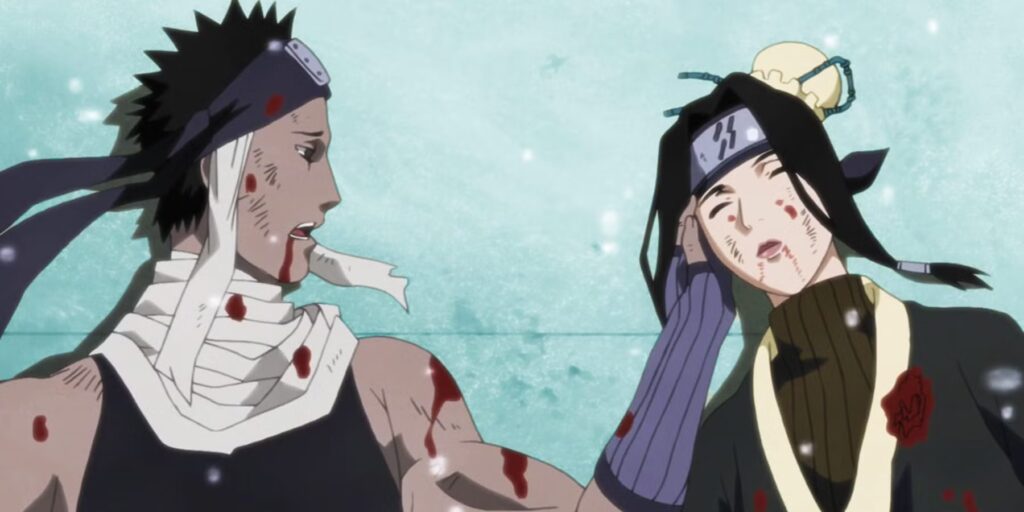 Zabuza and Haku from a still. | Credit: Studio Pierrot
Land of Waves arc marked the first time that Naruto showed the ruthlessness of the shinobi world. Haku’s background showed how the years of violence affected people in Hidden Mist Village. In the times of Bloody Mist, people with special abilities called Kekkei Genkai were feared and hunted down by common citizens. Haku’s father even started hating his son once he found out about his Ice Release abilities and thought that Kekkei Genkai users bring only misfortune.
Zabuza’s story is just as tragic. The Hidden Mist became famous for its brutal graduation exam, where students were forced to kill each other to become ninjas. Growing up in a village built on fear and violence, both Haku and Zabuza became tools instead of children. Naruto makes it clear that war doesn’t only kill people. It creates societies where kindness becomes a weakness, and survival comes before everything else.
2 Fear of the Uzumaki Clan’s Power Destroyed an Entire Village
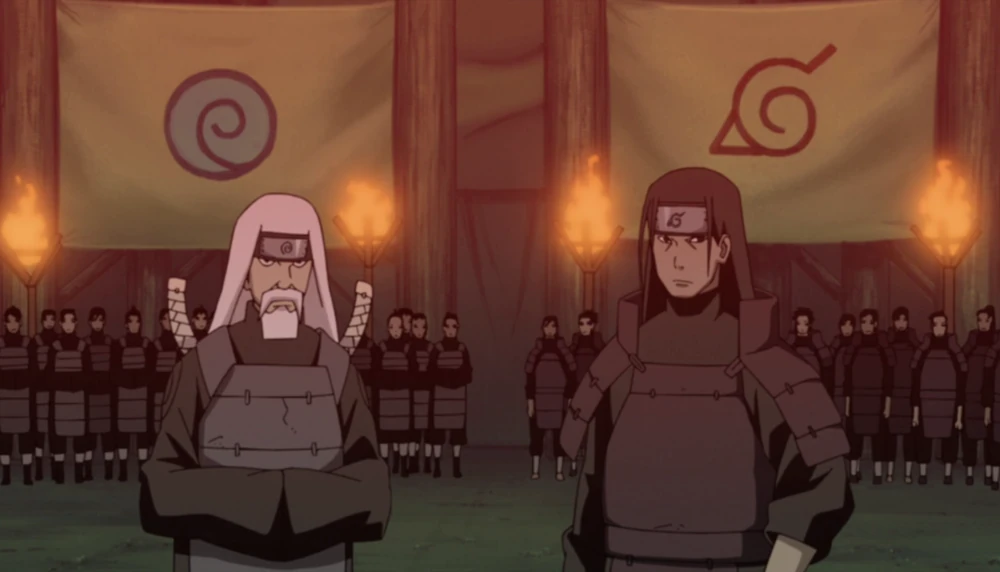 Hashirama Senju and Ashina Uzumaki from a still. | Credit: Studio Pierrot
Long before Naruto‘s story began, the Uzumaki Clan was respected throughout the ninja world for its powerful sealing jutsu and incredible life force. They were close allies of the Hidden Leaf, but that strength also made other nations fear them. As Kushina later explains and the series expands upon during the Fourth Great Ninja War, Uzushiogakure was eventually attacked and destroyed by multiple countries.
What makes this tragedy so powerful is that the Uzumaki were targeted because of what they could do, not because they had started a war. The destruction of an entire village simply out of fear shows one of Naruto‘s biggest themes. When nations let fear guide their decisions, innocent people are often the ones who suffer the most.
3 Gaara Showed How Fear Can Turn a Child Into a Weapon
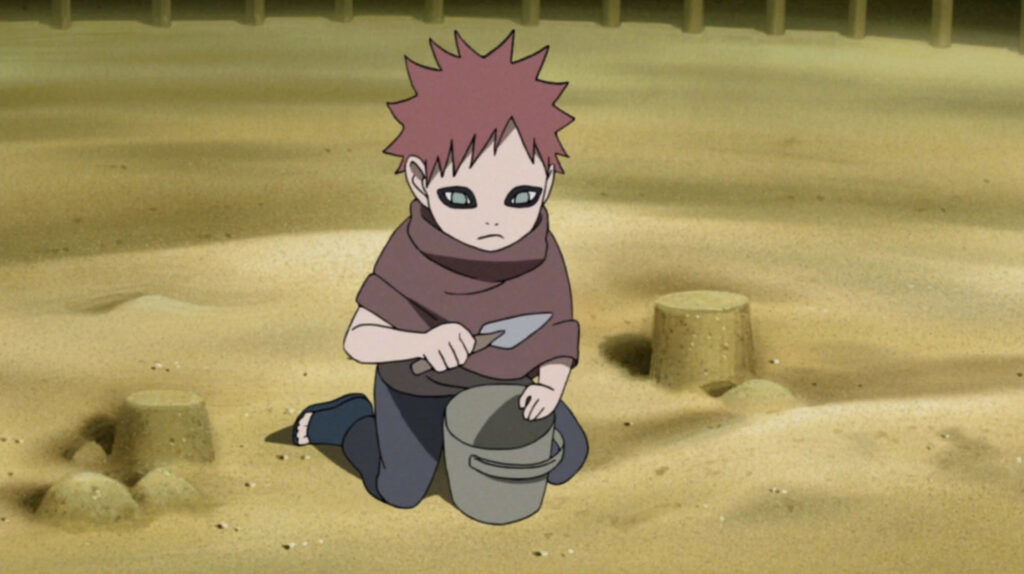 Gaara as a kid from a still. | Credit: Studio Pierrot
Gaara’s backstory during the Chunin Exams and Konoha Crush arc perfectly shows how villages treated Jinchuriki as military assets. Before he was even born, Shukaku was sealed inside him because the Hidden Sand wanted a stronger weapon.
Instead of receiving love, Gaara spent his childhood being feared by everyone around him, including his own father, the Fourth Kazekage, who even ordered several assassination attempts against him. Naruto understands that loneliness better than anyone. Their fight proves that children don’t become monsters because they are born that way. They become monsters after years of fear, hatred, and rejection.
4 Tsunade Proved That Even Survivors Carry War’s Scars
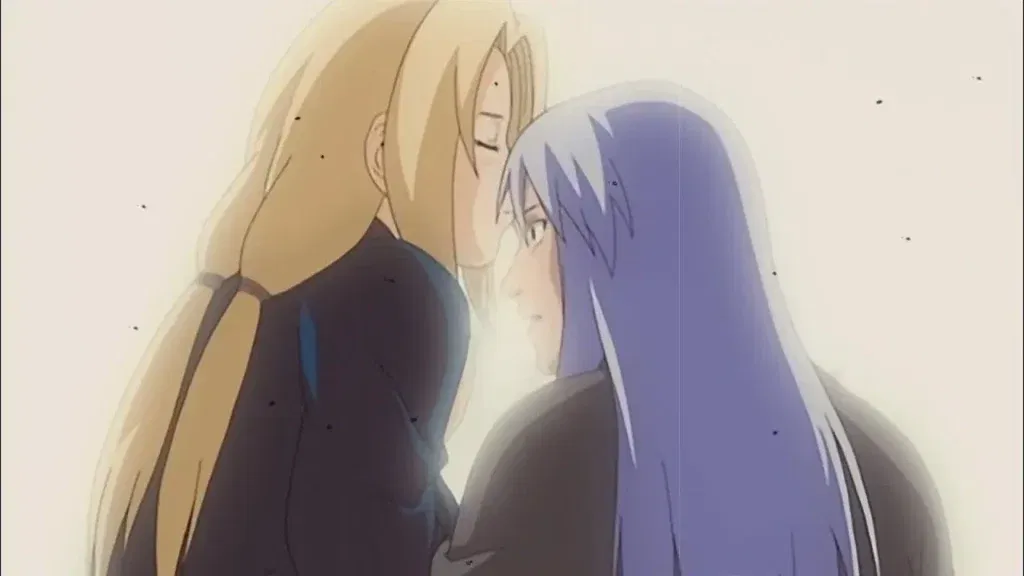 Tsunade and Dan from a still. | Credit: Studio Pierrot
When Tsunade is introduced during the Search for Tsunade arc, she seems fearless. But fans soon learn that the Second Great Ninja War took almost everything from her. She lost both her younger brother Nawaki and the man she loved, Dan, leaving emotional wounds that never truly healed.
Those losses even caused her to develop hemophobia, making it impossible for the world’s greatest medical ninja to face blood for years. Naruto reminds viewers that surviving a war doesn’t mean escaping it. Some injuries are invisible, and emotional pain can last much longer than physical wounds.
5 Pain Showed How War Creates the Next Generation of Enemies
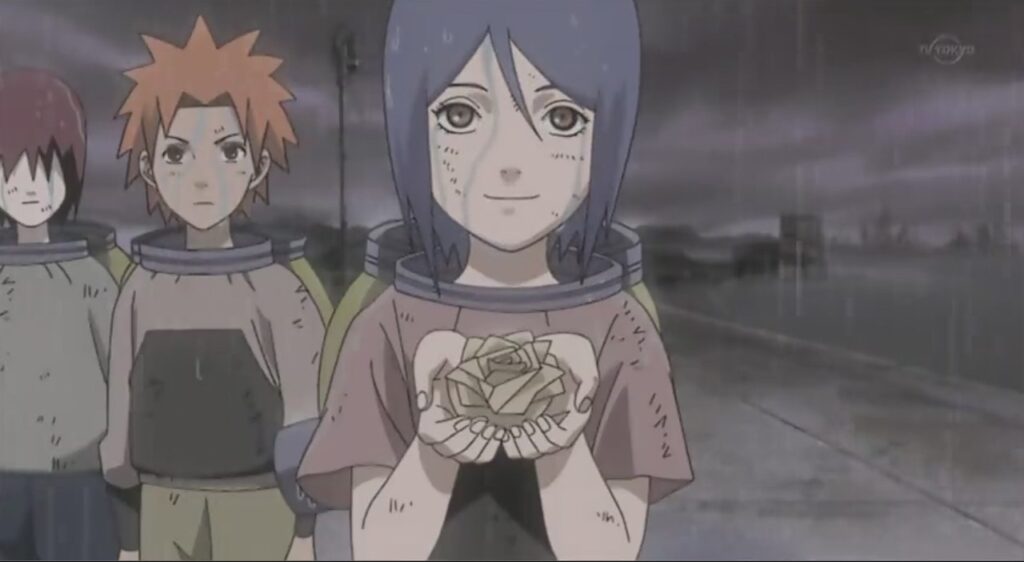 Nagato, Yahiko, and Konan from a still. | Credit: Studio Pierrot
Nagato’s past, revealed before the Pain Assault arc, during Jiraiya’s flashbacks, is one of the strongest anti-war stories in Naruto. Growing up in Amegakure during the Second Great Ninja War, he watched Leaf shinobi accidentally kill his parents after mistaking them for enemy ninja.
After Yahiko’s death, Nagato abandoned his dream of peaceful change and transformed the Akatsuki into an organization that believed peace could only come through overwhelming pain. His famous “cycle of hatred” speech isn’t meant to justify his actions. Instead, it explains how every war creates new victims, and those victims often become the next generation of enemies.
6 Itachi Showed That War Forces Good People Into Impossible Choices
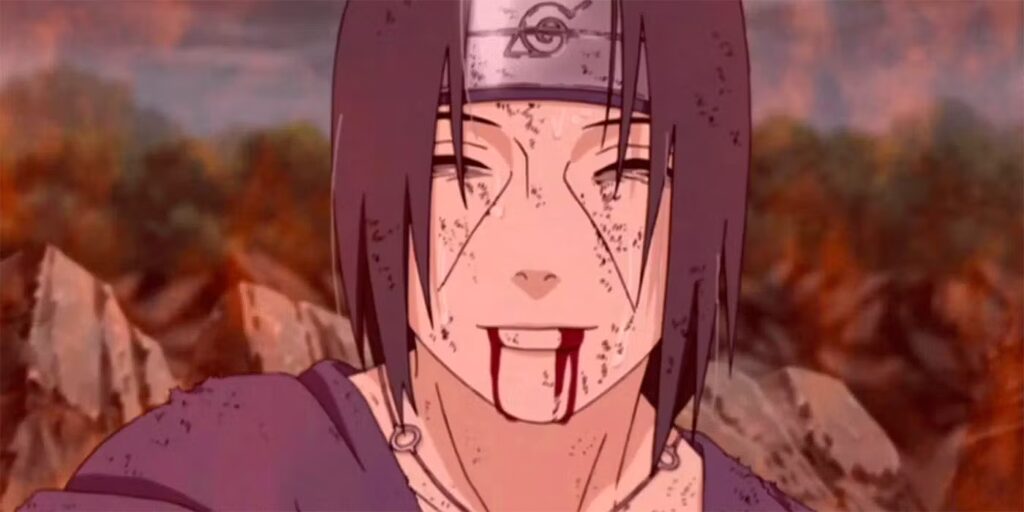 Itachi Uchiha from Naruto Shippuden. | Credit: Studio Pierrot
The truth regarding the Uchiha massacre was revealed in detail after Itachi’s death, and further elaborated on through the Five Kage Summit and the Fourth Great Ninja War arcs. The Uchiha Clan was plotting a coup against Konoha, and the village elders feared that a new Great Ninja War would break out if the situation worsened.
Danzo secretly stole Shisui Uchiha’s right eye before Shisui could use Kotoamatsukami to peacefully stop the coup. After Shisui’s death, Itachi was left with an impossible choice. Ordered by Danzo and supported by the village leadership, he massacred his own clan to prevent a much larger war, sparing only Sasuke. Naruto never presents this as a heroic decision. Instead, it shows how war and politics can force good people to commit terrible acts.
7 The Hyuga Affair Showed That Peace Sometimes Comes at a Terrible Cost
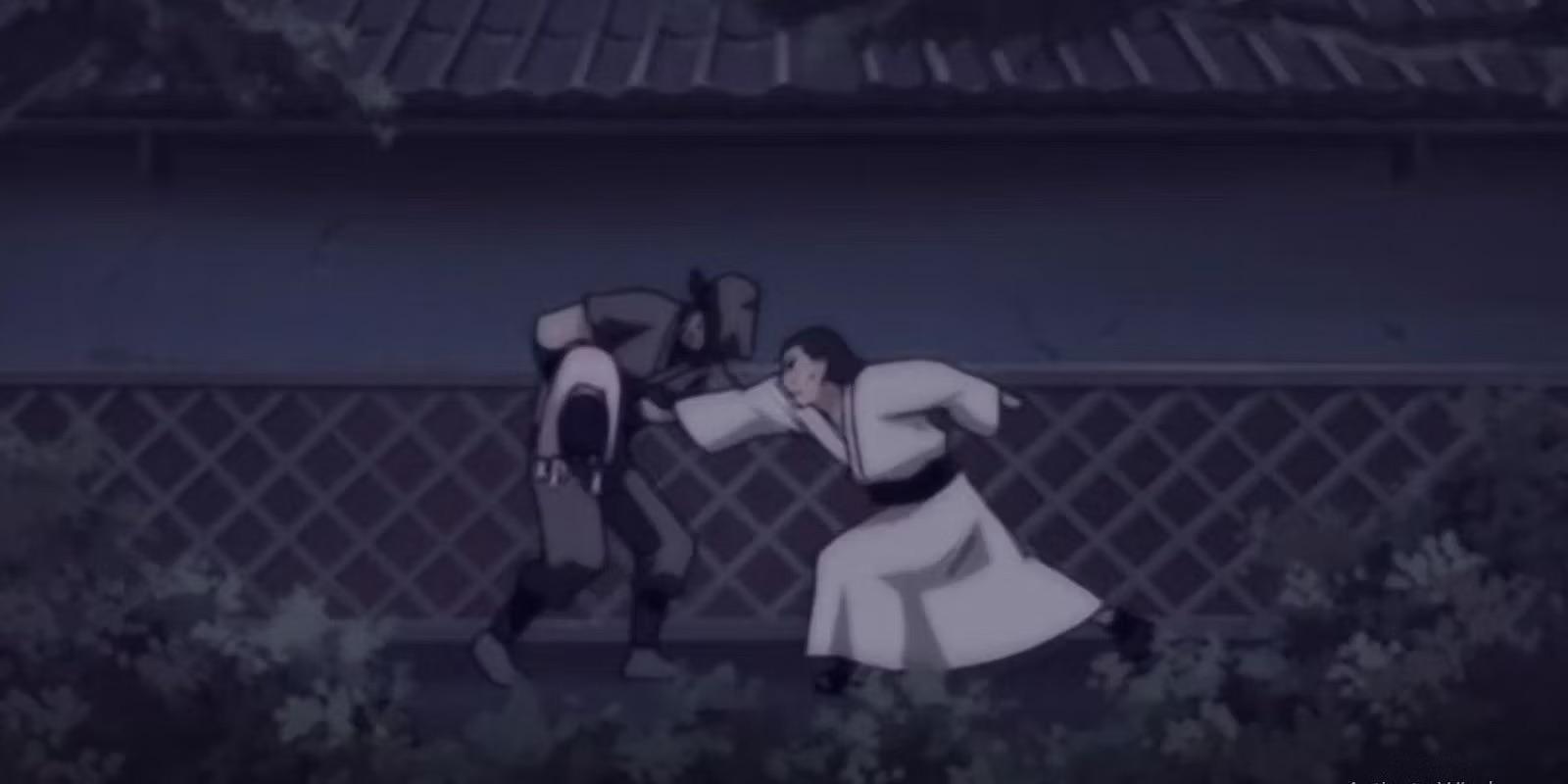 Hiashi killing a Kumogakure shinobi. | Credit: Studio Pierrot
The Hyuga Affair is explained during Neji and Naruto’s fight in the Chunin Exams, when Hiashi finally reveals the truth about Neji’s father. Years earlier, the Hidden Cloud tried to kidnap young Hinata to steal the Byakugan. When the kidnapper was killed, Kumogakure demanded Hiashi’s body as compensation and threatened war.
In order to avoid war, Hizashi Hyuga offered his own life to save his brother’s. This sacrifice brought peace to the village but left Neji with a feeling that his father was considered only as a substitute for many years. This is the best example of how peace is usually obtained at the cost of a tragedy.
8 Obito Showed How War Can Make Someone Lose All Hope
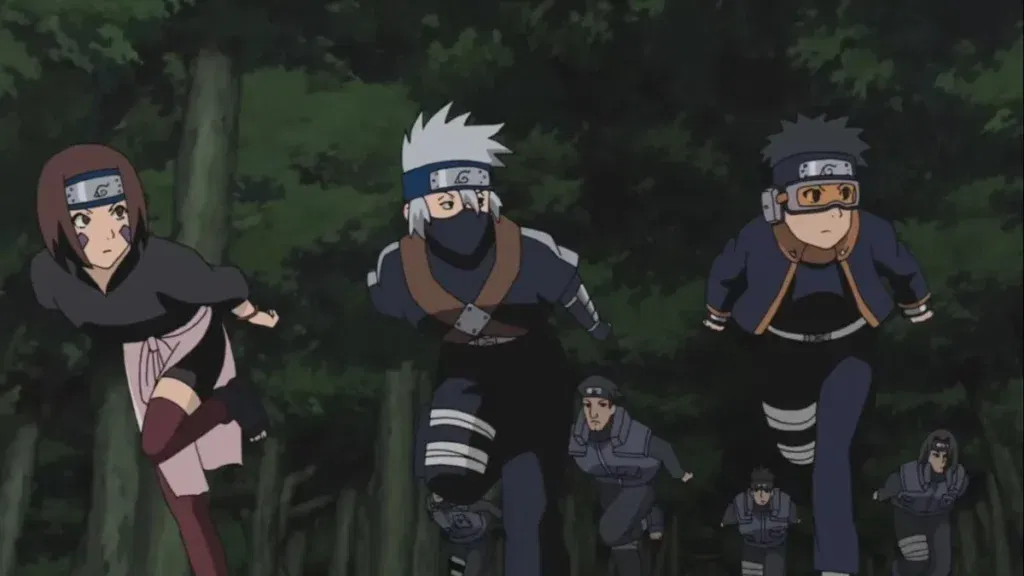 Obito, Rin, and Kakashi from Naruto Shippuden. | Credit: Studio Pierrot
Obito’s full story is revealed during the Fourth Great Ninja War. As a child, he dreamed of becoming Hokage and helping everyone around him, much like Naruto himself.
Everything changed after the Kannabi Bridge mission and later when he witnessed Rin die by Kakashi’s Chidori during the Third Great Ninja War. Madara used Obito’s grief to convince him that the real world would never escape hatred. Instead of simply becoming a villain, Obito became someone who completely gave up on reality. His story shows that war doesn’t only take lives. Sometimes, it destroys hope itself.
9 The Ninja Academy Raised Children to Fight Adult Wars
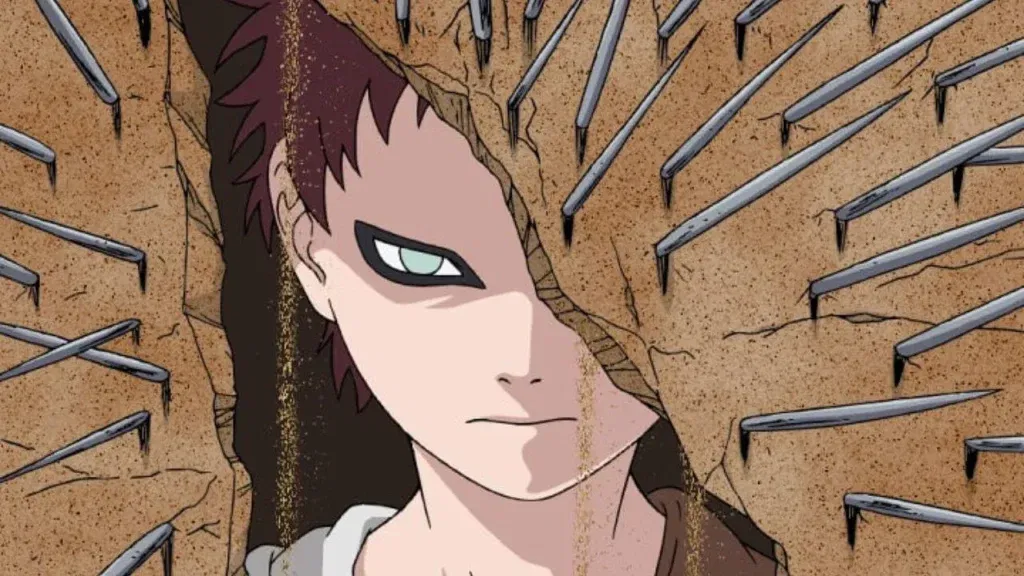 Gaara from the Naruto anime series. | Credit: Studio Pierrot
One of Naruto‘s darkest ideas is also one of its most normal. Children enter the Ninja Academy at a young age, train to become soldiers, and are expected to risk their lives soon after graduating. The Chunin Exams make this reality impossible to ignore as young ninja are placed in deadly survival tests and forced to fight each other.
The older generation barely questions this system because it has existed for so long. Even legendary ninjas like Kakashi, Itachi, Minato, and Obito all fought in wars while they were still children. Naruto quietly reminds us that when war becomes normal, societies begin treating childhood as another weapon.
10 Danzo’s Root Exposed the Shinobi World’s Darkest Secret
Root was far more than Konoha’s secret ANBU branch. Under Danzo, it became a shadow organization where children were stripped of their names, emotions, and personal identities in the name of protecting the village. Sai’s childhood is the clearest example, as he was taught to abandon all feelings and see every mission as more important than human life.
Danzo’s actions went far beyond Root itself. He secretly ordered Orochimaru’s human experiments that eventually created Yamato’s Wood Release abilities, stole Shisui Uchiha’s Sharingan to increase his own power, manipulated Itachi during the Uchiha crisis, and believed that sacrificing innocent lives was acceptable if it strengthened Konoha. Through Danzo, Naruto warns that fear can slowly turn even the “good guys” into the very people they claim to be fighting. Sometimes, the darkest horrors of war happen long before the battlefield.
Now the big question: Which moment in Naruto do you think delivered the strongest message about the horrors of war, and is there another example that deserves a spot on this list? Share your thoughts in the comments section below.
Naruto and Naruto Shippuden is currently available for streaming on Crunchyroll.


















/https%3A%2F%2Fsportsmole-media-prod.s3.gra.io.cloud.ovh.net%2Fuploads%2F2026%2F07%2Fdaniel-mcgregor-huyer-zuma-press-wire-luciano-gonzalez-anadolu-abacapress-com-estadio-azteca-harry-kane-jude-bellingham-composite-6a49eb8857b70695441164.png)
 Bengali (BD) ·
  English (US) ·