.png)
 1 week ago
13
1 week ago
13
Long before digital pipelines and automated interpolation software took over the industry, the late 1980s and 1990s represented the absolute, unfiltered zenith of hand-drawn television anime. This was the legendary era that unleashed the raw sci-fi edge of Cowboy Bebop, the mind-bending psychological horror of Neon Genesis Evangelion, and the sweeping, high-stakes fantasy of The Vision of Escaflowne.
Instead of clicking mouse buttons, elite animators meticulously layered physical celluloid sheets (cels), painted sprawling backgrounds by hand, and captured intricate mechanical details frame by frame under physical cameras. The resulting depth, kinetic weight, and cinematic lighting established a gold standard that modern studios still chase. Buckle up, because we’re diving into the groundbreaking production techniques, sakuga secrets, and unforgettable scenes that redefined what television anime could achieve!
1 Cowboy Bebop‘s Cinematic Animation Changed Anime Forever (1998)
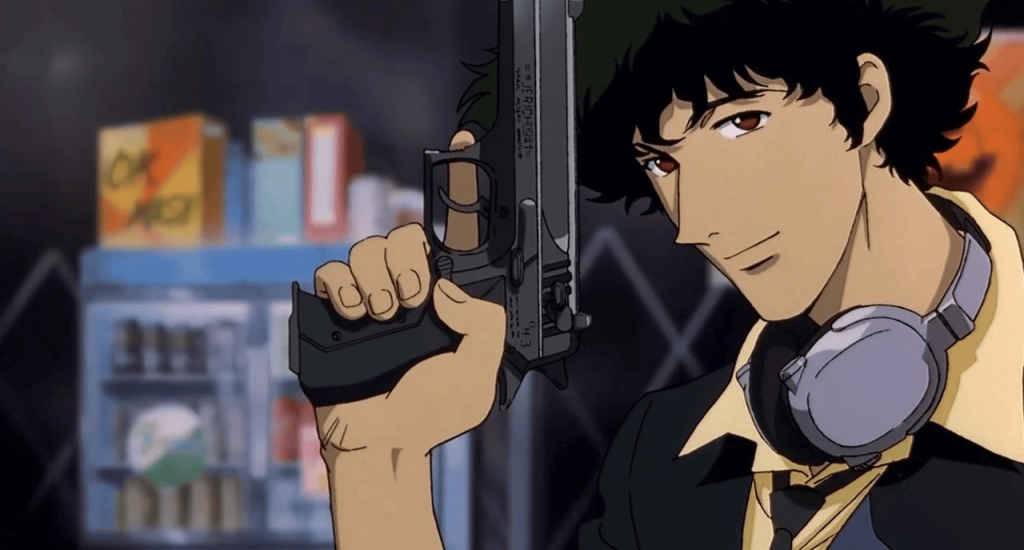 Spike Spiegel from Cowboy Bebop. [Credit: Sunrise]
Sunrise pushed cell animation to a cinematic frontier by recruiting elite sakuga (high-quality expressive animation) talent like Yutaka Nakamura. The production abandoned flat television lighting for realistic shadows, complex multi-plane camera panning, and meticulous choreography modeled on real martial arts. Spike Spiegel’s breathtaking church brawl against Vicious in Episode 5 (“Ballad of Fallen Angels”) stands as a masterclass in weight, momentum, and timing.
This commitment to hyper-fluid physics elevated the show’s jazzy, melancholic atmosphere, proving television anime could match the kinetic complexity and prestige of high-budget theatrical films.
2 Evangelion Redefined What TV Anime Could Look Like (1995)
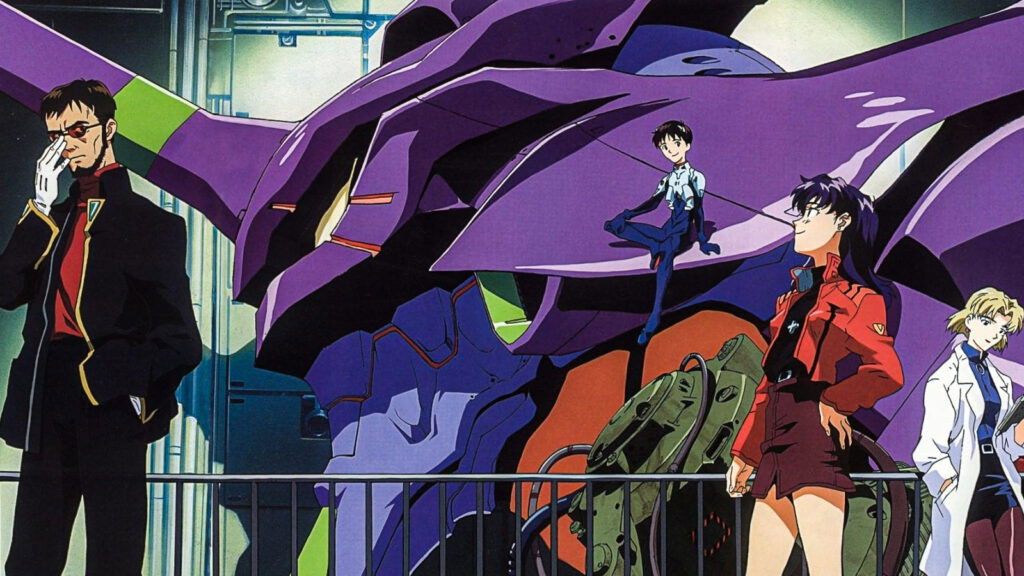 Shinji, Misato, and Gendo from Neon Genesis Evangelion. [Credit: Gainax]
Gainax shattered standard television constraints through Hideaki Anno’s avant-garde visual direction and Mitsuo Iso’s revolutionary mechanical animation. By blending traditional hand-drawn animation on cels with striking expressionistic color choices and experimental rapid-fire editing, Evangelion transformed standard robot battles into visceral, biological horror.
Although the watch order of Evangelion is vast, Unit-01’s terrifying, feral awakening in Episode 19 showcases jaw-dropping kinetic distortion and organic fluidity. This godlike manipulation of abstract shadow and explosive kinetic energy perfectly mirrored the cast’s psychological trauma, fundamentally altering the visual vocabulary of all psychological and sci-fi anime that followed.
3 Escaflowne Blended Fantasy With Stunning Visual Spectacle (1996)
Produced by Sunrise under producer Masahiko Minami (who later co-founded Bones) to give The Vision of Escaflowne a movie-level television budget. And it is arguably better than Gundam. The team achieved visual splendor by rejecting standard mecha shortcuts, painstakingly animating the heavy, ornate Guymelefs entirely by hand alongside gorgeous watercolor backgrounds.
The pilot episode’s ferocious sword fight between Van and a dragon utilizes complex rotating perspectives and immaculate debris physics. This fluid, heavy animation grounding gave the fantasy world an authentic, tactile presence, cementing the series as a timeless high-water mark for hand-drawn fantasy action.
4 Nadia Raised the Bar for TV Anime Animation in the ’90s (1990)
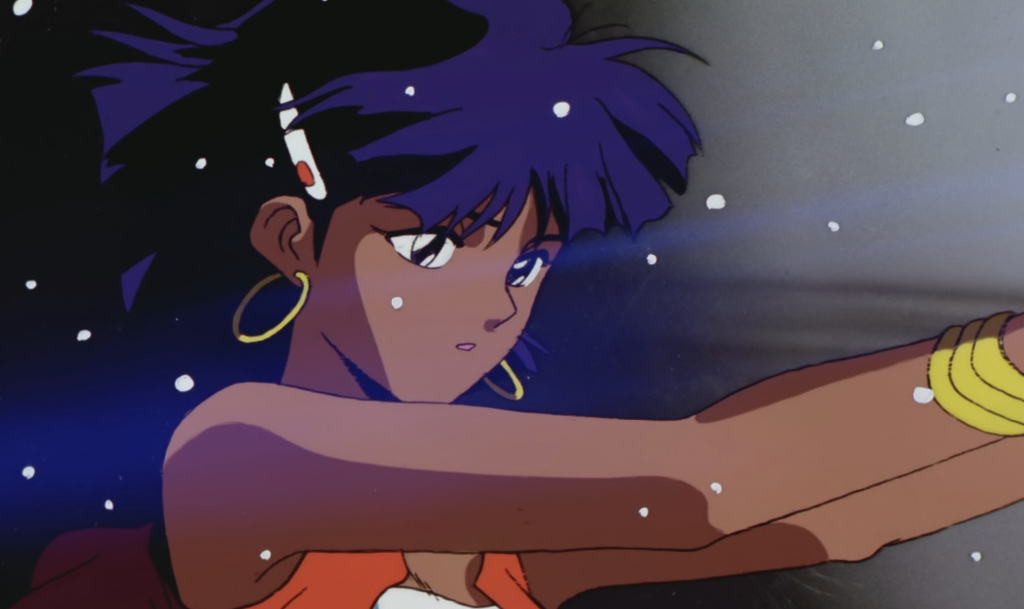 Nadia from Nadia: The Secret of Blue Water. [Credit: Gainax, Group TAC, Dongwoo A&E]
Directed by Hideaki Anno at Gainax, Nadia: The Secret of Blue Water weaponized aggressive kinetic timing and theatrical-grade effects layout to push television boundaries. The production utilized complex ink-and-paint layering and beautiful hand-drawn water physics to sell its nautical sci-fi scale.
The multi-vehicle aerial and submarine battles across the Neo-Atlantis arc feature intricate smoke trajectories and shattering armor plate dynamics. This relentless visual energy brilliantly heightened the show’s Jules Verne-inspired sense of adventure, laying the technical foundation for Gainax’s later masterworks.
5 Saint Seiya Turned Mythological Battles Into an Animation Showcase (1986)
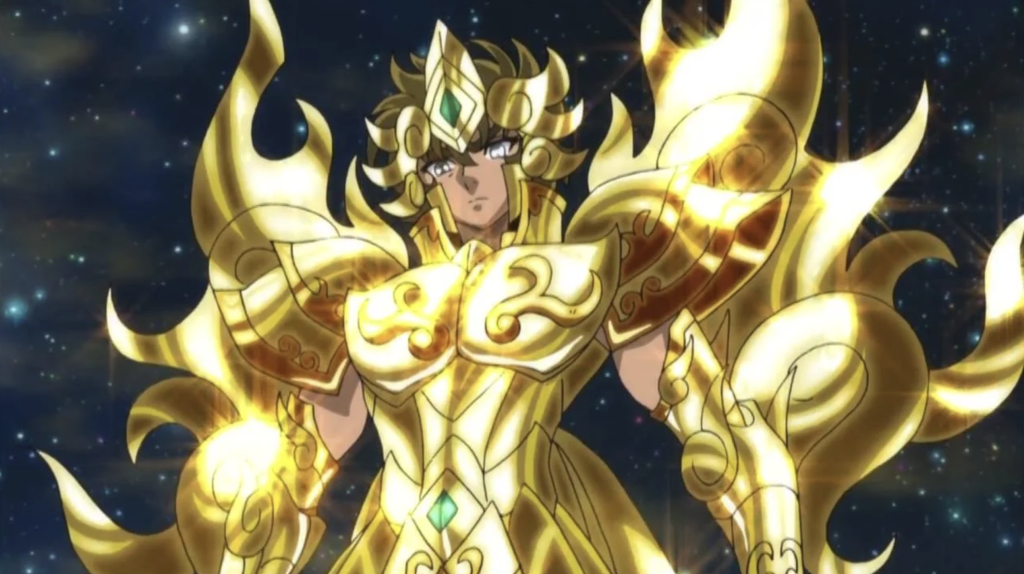 Leo Aiolia from Saint Seiya. [Credit: Toei Animation]
Saint Seiya proved that weekly television anime could deliver action with theatrical flair. Produced by Toei Animation, the series combined fluid martial arts choreography, dazzling energy effects, and intricate Cloth Armor transformations that became visual icons of the era. The Sanctuary arc, particularly Seiya’s battles against the Gold Saints, features dynamic camera angles, impactful effects animation, and expressive character acting that pushed the limits of late-’80s TV production.
Beyond spectacle, the animation amplified the emotional weight of every fight, making each clash feel like a test of conviction rather than brute strength. Its blend of mythology, kinetic combat, and polished visual storytelling became a blueprint for countless battle shōnen anime.
6 Turn A Gundam Perfected the Art of Hand-Drawn Mecha (1999)
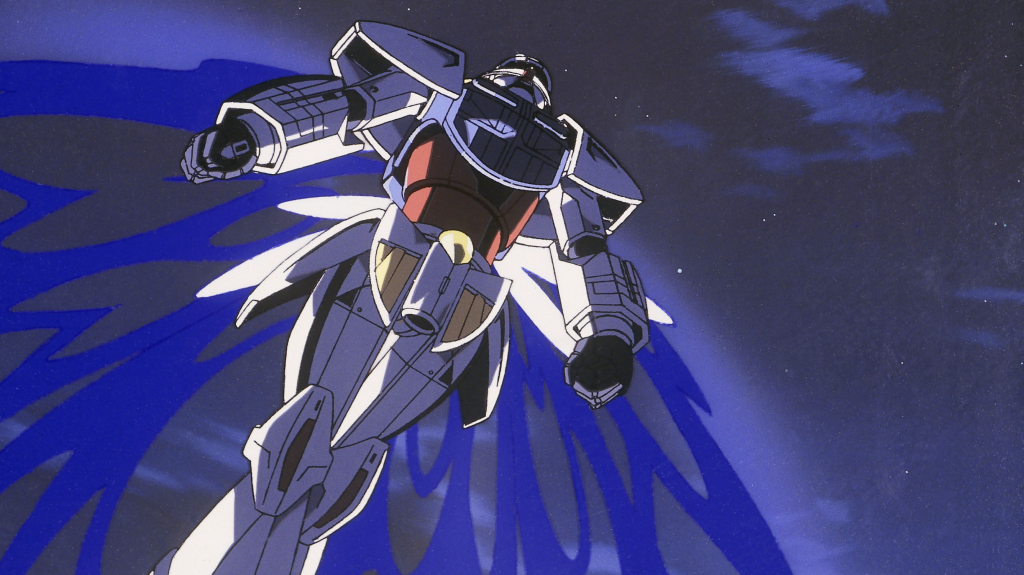 System-∀99 from Turn A Gundam. [Credit: Sunrise]
Yoshiyuki Tomino’s Turn A Gundam is one of the franchise’s best works. It served as Sunrise’s majestic love letter to the sunset of traditional hand-drawn cel animation. Featuring intricate mechanical profiles designed by Hollywood concept artist Syd Mead, the animators meticulously maintained complex line-work before digital workflows became standard throughout the industry.
The fluid, graceful movements of the Turn A machine, especially during its surreal, atmospheric activation sequence in Episode 1, defied the typical clunky weight of giant robots. It remains a gorgeous monument to pure illustrative draftsmanship and delicate cinematic framing.
7 Serial Experiments Lain Proved Atmosphere Could Be Animated (1998)
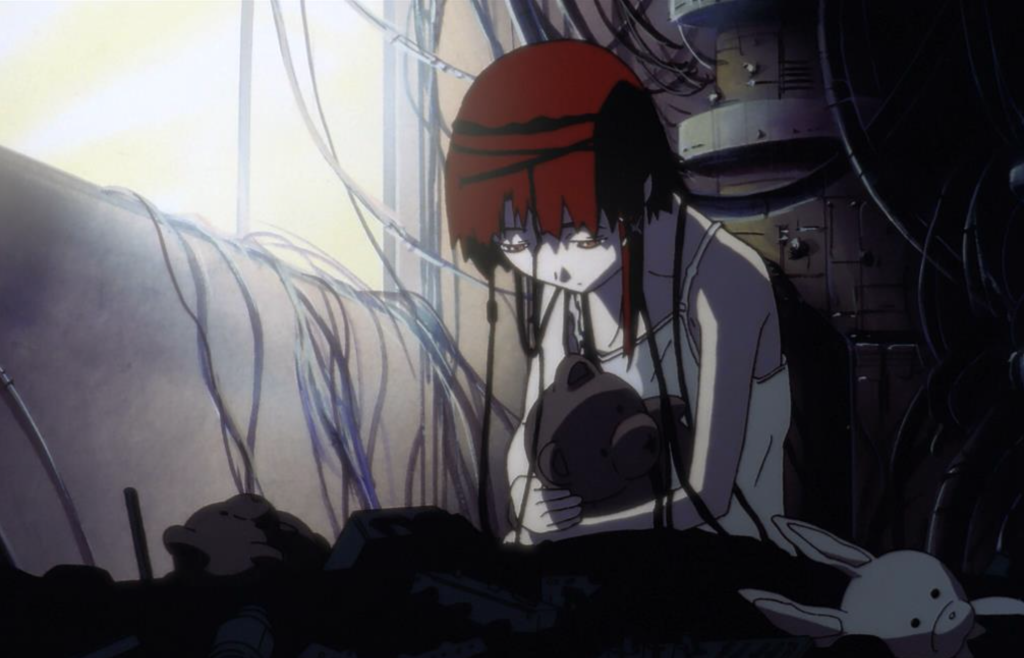 Lain Iwakura from Serial Experiments Lain. [Credit: Triangle Staff]
Studio Triangle Staff proved that godlike animation isn’t solely about explosive action. It can also mean precise, avant-garde atmospheric control. Standing at the historical crossroads of the industry’s digital transition, Lain abandoned physical celluloid cels to become an early pioneer of digital ink-and-paint workflow. Director Ryutaro Nakamura used stark digital experiments for Serial Experiments Lain alongside hand-drawn cells, implementing bleeding shadow textures, unsettlingly static frames, and high-contrast lighting.
The iconic street scenes dripping with bleeding telephone wire shadows evoke an unmatched sense of techno-dread. This brilliant minimalism and psychological framing elevated the show’s cyber-philosophical narrative, proving that calculated visual restraint can craft an incredibly haunting, immersive environment.
8 The Big O Delivered Hollywood-Level Style on Television (1999)
Sunrise blended American Art Deco aesthetics with classic Japanese kaiju tropes, utilizing heavy black linework, deep shadows, and stark cinematic framing to evoke a slick film-noir atmosphere. The heavy, industrial weight of the Megadeus robots was conveyed through deliberate, high-impact keyframes and massive, hand-drawn smoke plumes.
Megadeus Big O’s initial launch and the shattering impact of its Sudden Impact piston punch deliver unparalleled mechanical impact. This stylistic triumph proved that television animation could successfully fuse diverse international art movements into something wholly unique.
9 Outlaw Star Took Space Battles to Another Animation Level (1998)
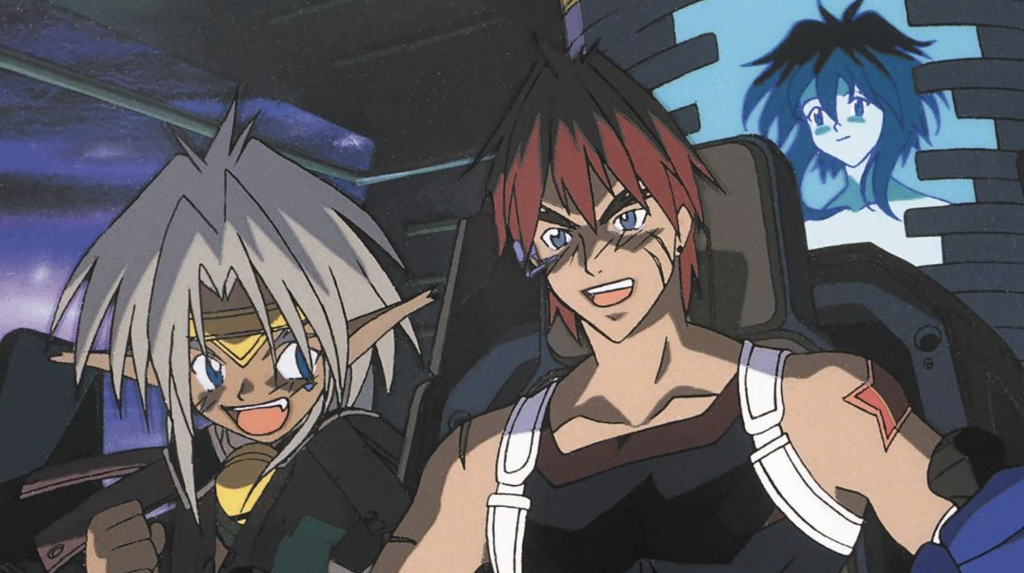 Gene and Aisha from Outlaw Star. [Credit: Sunrise]
Produced by Sunrise, Outlaw Star revolutionized sci-fi action by introducing “Grappler Ships”, spacecraft designed for visceral, close-quarters hand-to-hand combat. Animators blended traditional space effects with fluid, acrobatic martial arts choreography, utilizing shifting camera axes and brilliant, hand-drawn thruster fires.
The lethal duel against the Akemiya pirates in Episode 4 showcases dizzying ship-to-ship maneuvering and incredible kinetic velocity. This energetic visual execution transformed typical, sterile space dogfights into intense, character-driven spectacles, remaining incredibly dynamic to this day.
10 City Hunter Made Stylish Animation Feel Effortless (1987)
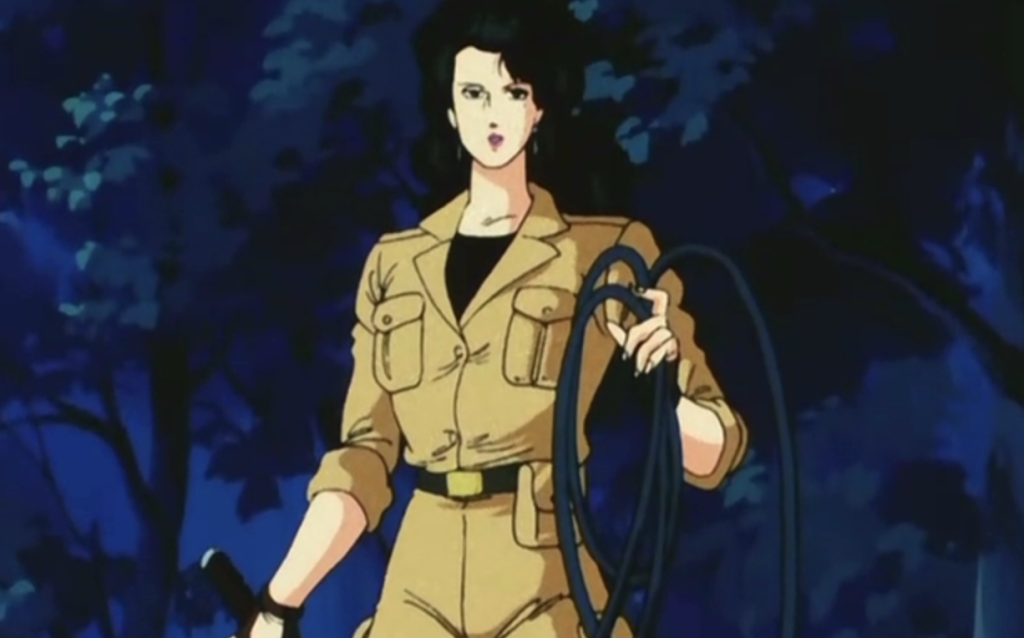 Boss Lady from City Hunter. [Credit: Sunrise]
City Hunter showcased Sunrise’s mastery of cinematic television animation through fluid character acting, richly detailed urban backdrops, and confident visual direction. Rather than relying solely on explosive action, the series used expressive body language, realistic lighting, and carefully composed shots to make every chase, gunfight, and quiet conversation feel remarkably polished.
Its sophisticated cinematography and attention to movement helped redefine what audiences expected from weekly television anime, leaving a lasting influence on action-comedy series that followed.
Here is a summary table:
Which ’80s or ’90s anime do you think still has the most jaw-dropping animation today? Comment below.















/https%3A%2F%2Fsportsmole-media-prod.s3.gra.io.cloud.ovh.net%2Fuploads%2F2026%2F07%2Fdaniel-mcgregor-huyer-zuma-press-wire-luciano-gonzalez-anadolu-abacapress-com-estadio-azteca-harry-kane-jude-bellingham-composite-6a49eb8857b70695441164.png)
 Bengali (BD) ·
  English (US) ·