.png)
 7 hours ago
6
7 hours ago
6
It’s easy to miss the darkest implications made in the One Piece anime and manga series, given the sheer scale of the narrative written down by Eiichiro Oda, which is still expanding as we speak. While some are pretty much obvious, some are too vague to miss easily.
With the main agenda and intention of this listing out of the way, let’s dive right into it. Here are some of the darkest implications made in the One Piece series we noticed, ranked by intensity and narrative consequences.
| TITLE | One Piece |
| CREATORS | Eiichiro Oda |
| RELEASE DATE | October 20, 1999 |
| IMDb RATINGS (as of July 16, 2026) | 9/10 |
| WHERE TO WATCH | Crunchyroll |
10 Big Mom Turns Her Own Children Into Currency for Alliances
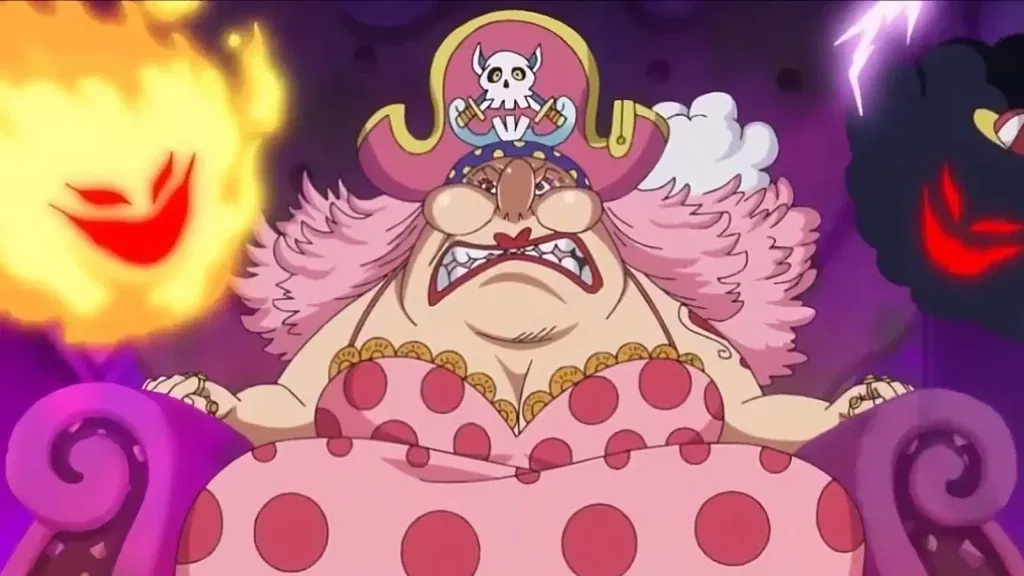 Big Mom from One Piece | Credits: Toei Animation
Big Mom doesn’t really see her children as family – she sees them as leverage. Every marriage in the Charlotte family is a deal, sealed behind smiles and cake, and refusing one is a death sentence. Sanji was forced toward Pudding to secure Vinsmoke technology; Lola ran from her wedding and spent years hunted by her own mother’s assassins.
Even affection is transactional here. It’s not the flashiest cruelty in One Piece, but it’s the kind that lingers – a mother who raised eighty-five kids purely as pieces on a board. Ranked here because the horror is systemic and slow-burning rather than violent in the moment – cruelty dressed up as family tradition.
9 Sugar Turned Dressrosa’s People Into Toys and Erased Their Memories
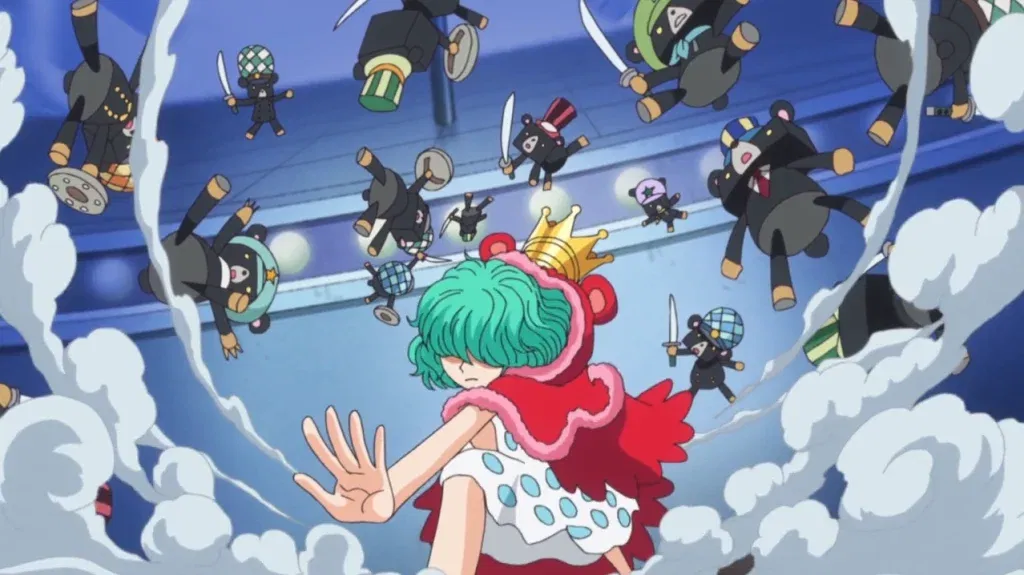 Sugar from One Piece | Credits: Toei Animation
For ten years, Sugar quietly erased people from Dressrosa without anyone noticing, using the powers of her reality-altering Hobi Hobi no Mi. Touch someone, turn them into a toy, and everyone who loved them forgets they ever existed – husbands forget wives, kids forget parents, and the victim just keeps living, aware, trapped, and unable to tell anyone the truth. Kyros spent a decade as a wind-up soldier while his own daughter walked past him.
It’s less about violence and more about the quiet horror of being erased from every memory that ever held you. Sits above Big Mom because it strips away identity itself, not just freedom – being forgotten by everyone who loves you is its own kind of death.
8 Nico Robin Was Given a Bounty and a Demon’s Name at Age Eight
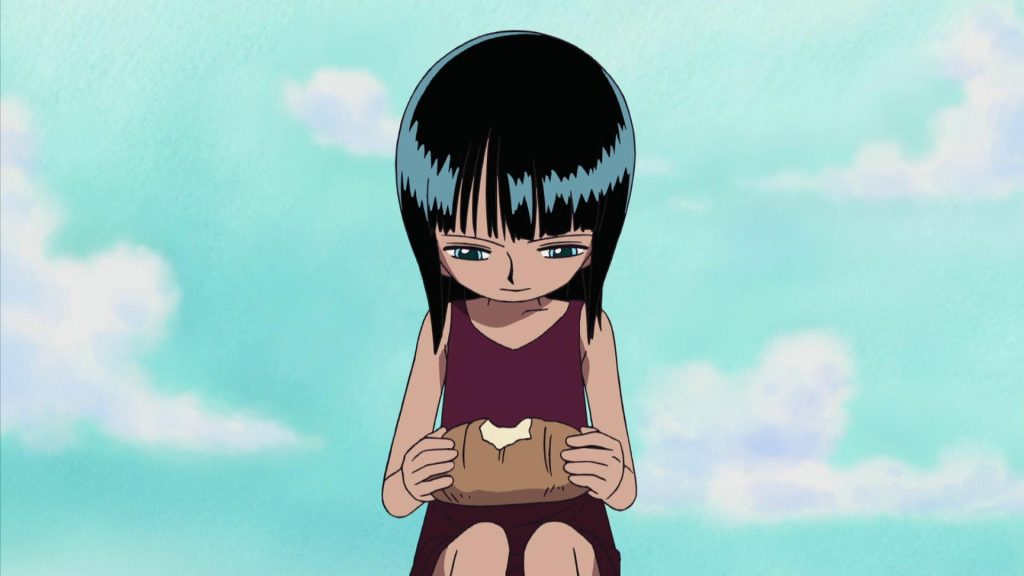 Nico Robin from One Piece | Credits: Toei Animation
Nico Robin was eight years old when the government decided she was a threat to civilization. Not because she’d hurt anyone – because she could read a language they’d spent centuries trying to erase. They burned her home, killed everyone she knew, and slapped a bounty on a grieving child, branding her the “Devil Child” for the crime of literacy.
She spent the next twenty years running, unable to trust a single person, because the world had already decided who she was before she’d done anything at all. Ranks above Sugar’s victims because it happened to a real child on-page, with a name and a face, not an anonymous crowd – the personal scale makes it hit harder.
7 Bartholomew Kuma Traded His Mind and Freedom for His Daughter
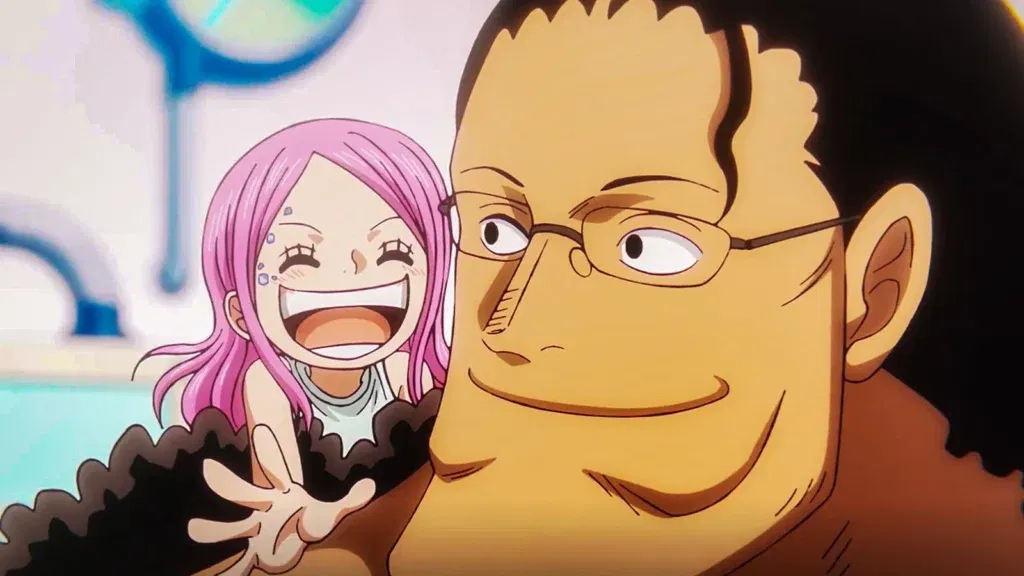 Bonney and Kuma from One Piece | Credits: Toei Animation
Bartholomew Kuma didn’t get talked into this – he agreed instantly, no hesitation. To save his dying daughter Bonney, he let the government turn him into a weapon: memories locked away, personality erased, free will switched off like a light. His last act as a person was asking for one thing – protect the ship, and wish her a happy birthday.
Even Dr. Vegapunk cried doing it. The world just saw a silent Warlord who never spoke again, guarding a ship for two years, remembering nothing. Placed above Robin’s story because Kuma chose this fate with full knowledge of what he’d lose – a willing erasure of self is a heavier weight than one imposed by force alone.
6 Rouge Carried Ace for Twenty Months to Outrun a Death Sentence
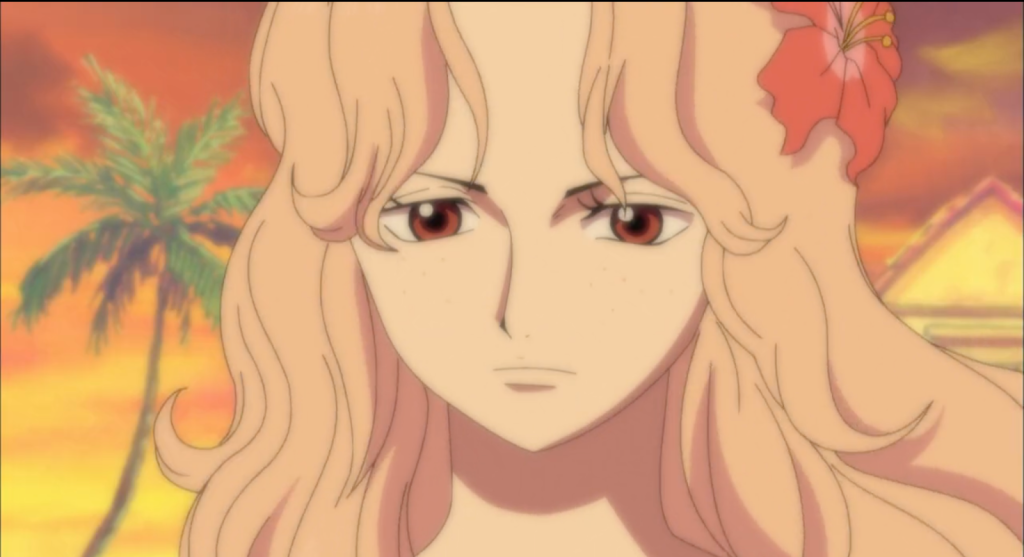 Portgas D. Rouge from One Piece | Credits: Toei Animation
Portgas D. Ace was marked for death before he even had a name. After Roger’s execution, the Marines went hunting for his bloodline, so his mother Rouge held her pregnancy for twenty months through sheer stubborn willpower just so the timeline wouldn’t give him away – and it killed her.
Sengoku later stood over Ace at Marineford and said, flat out, that his birth alone made his execution necessary. Not what he did. Who his father was. That’s the World Government’s justice system in one sentence. Ranks above Kuma because this isn’t one man’s cruelty toward one family – it’s a stated legal principle, guilt by blood, applied to an infant before birth.
5 Germa 66 Engineers Its Own Children Into Emotionless Soldiers
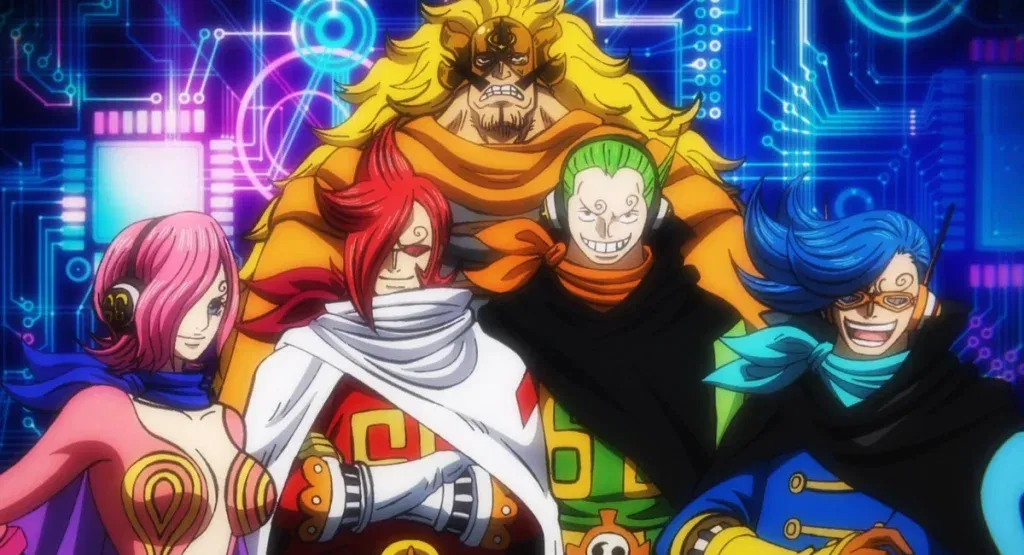 Germa 66 from One Piece | Credits: Toei Animation
Let’s get one thing clear: Vinsmoke Judge didn’t want strong kids – he wanted weapons that happened to be his sons and daughter. Before Ichiji, Niji, and Yonji were even born, he modified them in the womb to strip out empathy entirely, so they’d fight without hesitation or fear. And it worked out, except for Reiju, who still had some humanity underneath the armour.
When they nearly died together, the three of them laughed about it while their father broke down sobbing – they simply couldn’t process why he was upset. Only Sanji escaped, saved by his mother’s desperate, self-destructive gamble with an untested drug. Above Ace’s bloodline curse because this is engineered from conception – not a threat imposed on a child, but a child redesigned to feel nothing at all.
4 Caesar Clown Experimented on Kidnapped Children for Many Years
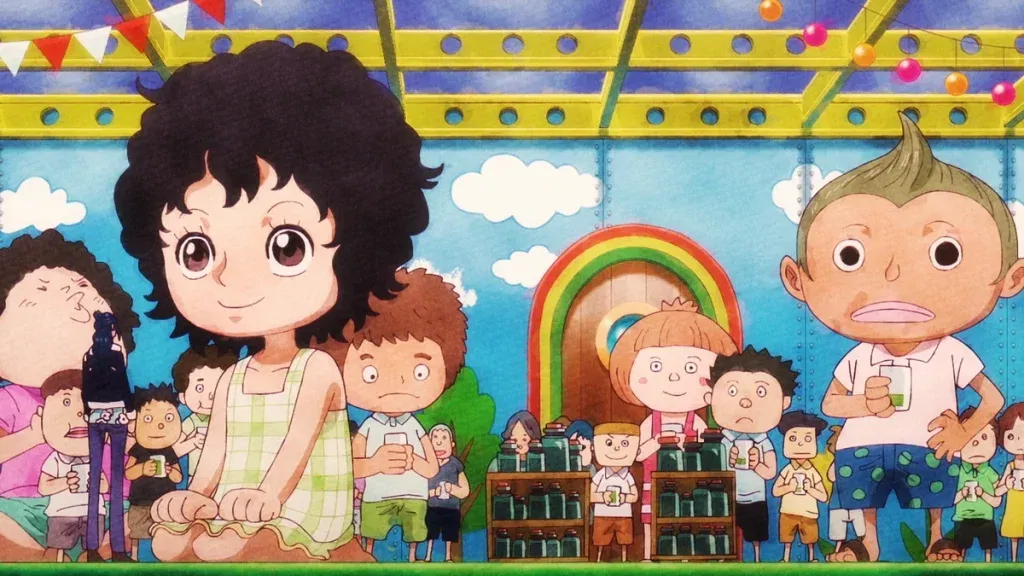 Experimented children from One Piece | Credits: Toei Animation
Caesar Clown, the mad scientist at Punk Hazard, didn’t kidnap kids to torture them for fun – that’s almost the scarier part. He told them they were sick, that leaving would kill their families, and cried fake tears about a son he never had.
They trusted him completely while he pumped their bodies full of drugs meant to trigger unnatural growth, fully aware every single one of them would be dead within five years. He wasn’t hiding his cruelty. He’d convinced them to thank him for it. Beats Germa 66 because Judge at least believed he was building something; Caesar knew his subjects were disposable from day one and manipulated their gratitude anyway.
3 Celestial Dragons Buy, Brand, and Kill Slaves Without Punishment
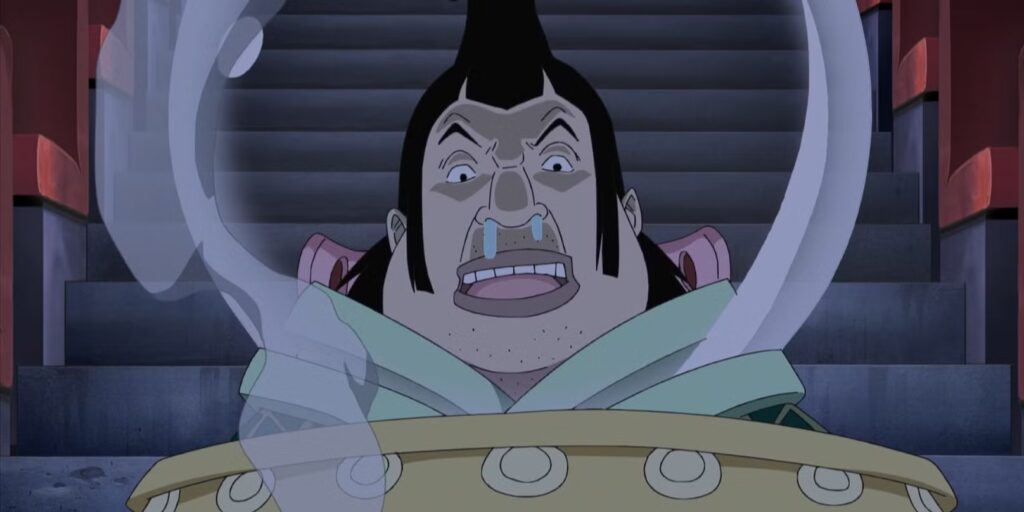 Charlos from One Piece | Credits: Toei Animation
Slavery is technically illegal in the One Piece world – except for the one family that actually runs it. Celestial Dragons brand people like livestock, own a soundproof auction house that the government quietly protects, and can shoot anyone who displeases them without consequence.
Charlos guns down Hatchan just for existing as a fish-man, then dances in celebration over getting a free slave. Nobody in the room even flinches – because attacking a Celestial Dragon back means an admiral gets called on you, not them. Outranks Caesar’s cruelty because it’s not one villain’s project – it’s a legal loophole, quietly enforced by the entire government, protecting an entire caste’s right to own people.
2 The World Government Erased an Entire Kingdom and Its People
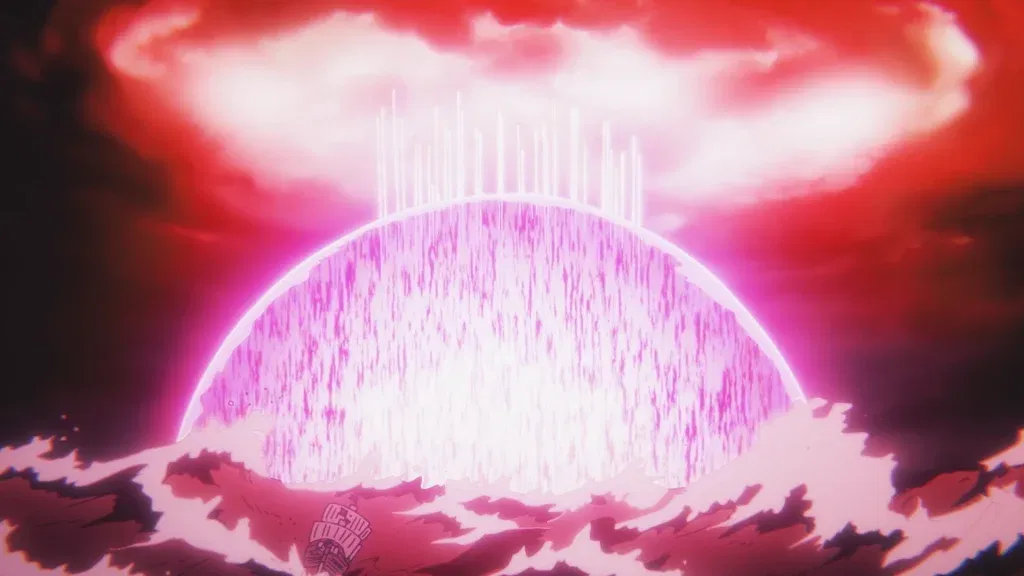 Lulusia destroyed from One Piece | Credits: Toei Animation
Lulusia wasn’t destroyed because it was dangerous. Imu picked it because it happened to be nearby and convenient for testing a new weapon. Sixteen beams from the sky, one island, and not a single trace left – no wreckage, no bodies, no crater with a name. The Gorosei then simply declared the kingdom had never existed, erasing an entire population from history in one sentence.
Thousands of people, gone, and the official record now says there was nothing there to lose. Ranks second because this is genocide as a footnote – an entire nation wiped out for the sake of convenience, then erased so thoroughly that grief has nowhere to attach.
1 How the World Government Ruled Eight Centuries Through Fear
 The World Government Flag from One Piece | Credits: Toei Animation
Everything else on this list so far is a symptom. The World Government has ruled for eight straight centuries by doing one simple thing extremely well: making sure nobody remembers what actually happened during the Void Century. Anyone who gets close to that truth – an island of scholars, a lone scientist, an entire kingdom – gets a Buster Call and a cover story.
Twenty kings decided the world’s history eight hundred years ago, and they’ve been rewriting it ever since, one silenced witness at a time. Takes the top spot because it’s the root system every other entry grows from – the slavery, the child soldiers, the erased kingdoms, all of it is downstream of one government’s centuries-long war on the truth.
| RANKINGS | IMPLICATIONS |
| 1 | The World Government ruling with fear. |
| 2 | Lulusia destroyed for convenience. |
| 3 | Celestial Dragons promoting slavery. |
| 4 | Children experimented on clinically. |
| 5 | Judge engineering his own children. |
| 6 | Ace penalized for bloodline. |
| 7 | Kuma trading his life for his daughter’s. |
| 8 | Robin criminalized at the age of 8. |
| 9 | Sugar turning people into mindless toys. |
| 10 | Big Mom using her children as currency for alliances. |
What are your thoughts on our ranked list of the darkest implications made in the One Piece series by Eiichiro Oda? Is there one we missed? We’d love to hear your top picks and opinions in the comments below.
The One Piece anime series is currently available to stream on Crunchyroll.


















/https%3A%2F%2Fsportsmole-media-prod.s3.gra.io.cloud.ovh.net%2Fuploads%2F2026%2F07%2Fdaniel-mcgregor-huyer-zuma-press-wire-luciano-gonzalez-anadolu-abacapress-com-estadio-azteca-harry-kane-jude-bellingham-composite-6a49eb8857b70695441164.png)
 Bengali (BD) ·
  English (US) ·