.png)
 1 week ago
24
1 week ago
24
There are many reasons anime needs to stay away from Hollywood, especially in light of recent developments that have caused many fans to worry. Crunchyroll recently announced its inaugural “Anime Future Forum”, which is a summit scheduled for October 7, 2026 (as per The Hollywood Reporter). The stated goal of this event is to connect the Japanese creators with Hollywood.
From the perspective of long-time anime fans, this is bad news. Hollywood’s involvement will inevitably lead to a loss of artistic control, and monetization will be prioritized over the art form itself. Let’s dive into 10 specific reasons why Anime should simply stay away from Hollywood.
1 Hollywood Committees Replace the Creator’s Vision
-

Credit: A-1 Pictures
-

Credit: A-1 Pictures
-

Credit: Studio Daisy


The Western film and television industry operates through a system of committees. That means scripts go through many executives, producers, and writer rooms before anything is even approved. What this does is that the original idea gets diluted into something that is more optimal, rather than creative.
On the other hand, anime thrives on the singular vision of its creators. When an artist is left alone to execute their specific idea, the result is often amazing. A clear example is the short anime film called Shelter, or even the recent anime called Bâan: The Boundary of Adulthood, which was a creative work by a YouTuber with no experience in making anime before.
Both of these were pure love letters to the art form, driven entirely by personal passion and a specific creative goal, free from executive interference. Hollywood’s committee structure actively prevents this level of individual expression.
2 Corporate Profits Take Priority Over Anime Storytelling
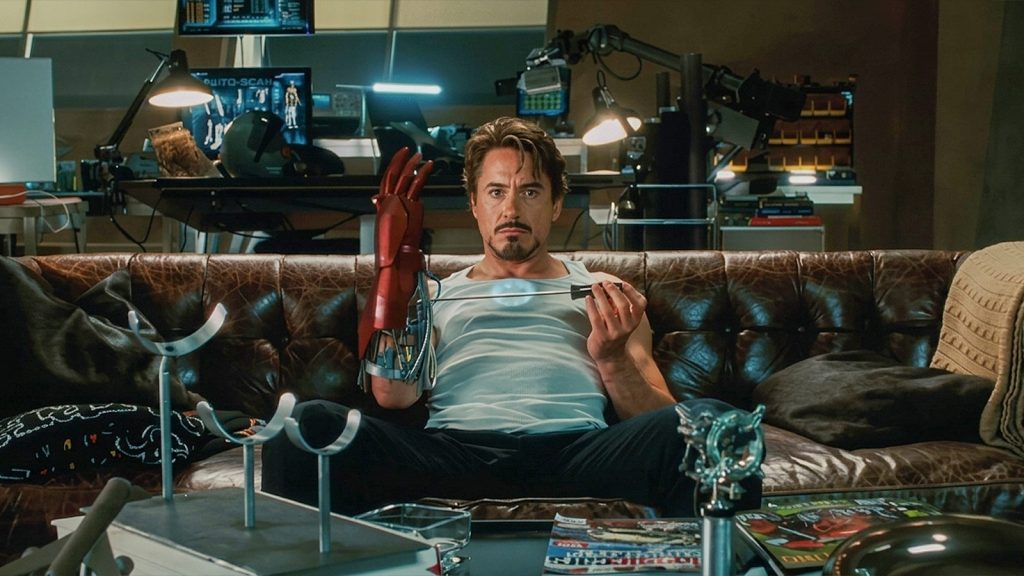 Robert Downey Jr. as Tony Stark in Iron Man | Credits: Paramount Pictures, Marvel Studios
In Hollywood, return-on-investment is a really important element. The main goal of most Hollywood studios is not to tell a good story; it is to maximize profit margins. For Hollywood, it makes sense, as in each project, there are many people involved, and money becomes an important factor. However, one of the primary factors that makes anime so great is that the storytelling takes priority.
The current state of the Marvel Cinematic Universe is the best example of this. It began with Iron Man, which was a masterpiece when it came to storytelling, but the entire franchise has now devolved into a messy, disjointed timeline of subpar movies and television shows.
3 Creators Lose Their Independence to Hollywood Contracts
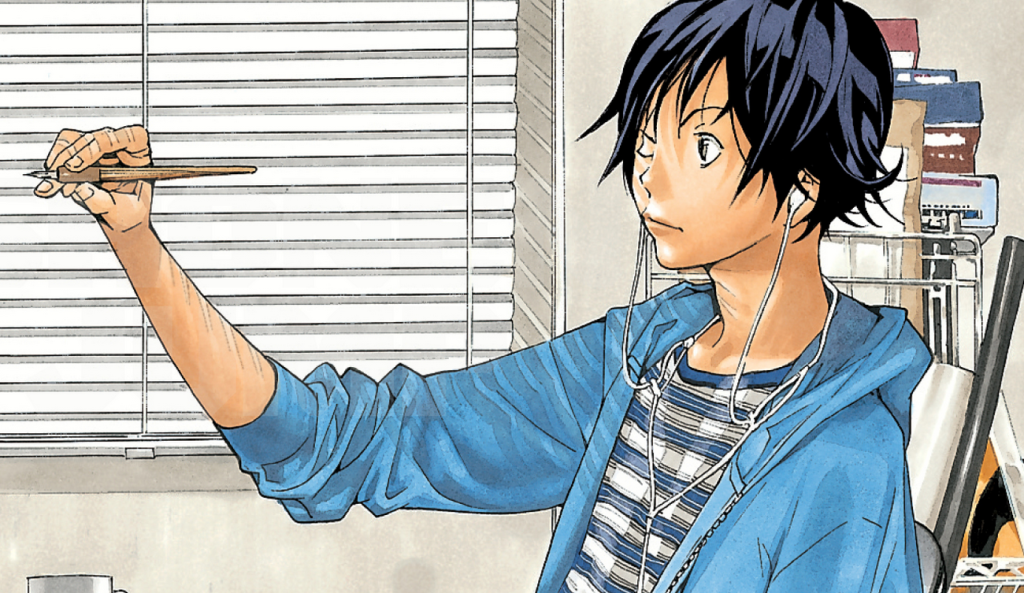 Moritaka from Bakuman | Credit: Shueisha
The Western entertainment industry is designed to strip creators of their control. When a Hollywood studio buys the rights to a property, the contract usually transfers ownership of the intellectual property entirely to the corporation. On the other hand, the anime industry is totally opposite.
In the anime industry, an anime is almost always a one-to-one adaptation of an existing manga, that is, if it is adapted from a manga. The good thing is, most of the anime are adapted from manga to begin with. The original manga is created purely by the author, usually working alone or with a single editor, with no intervention from anyone else. The anime then exists to faithfully translate that original work to the screen.
4 Anime Fans Are Treated as Revenue Streams
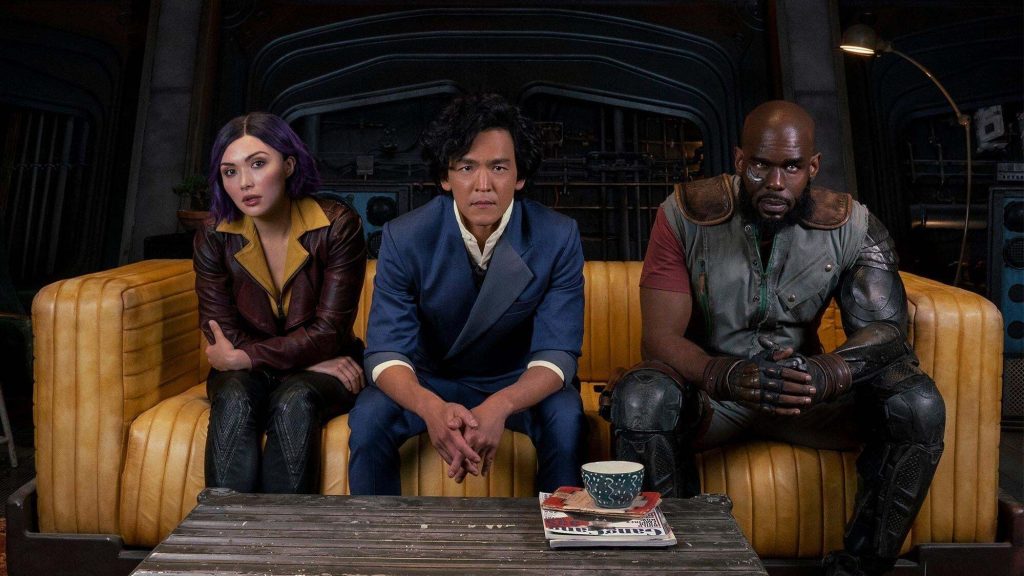 Faye, Spike, and Jet from Cowboy Bebop | Credit: Netflix
When Hollywood gets hold of a beloved property, the goal is often to extract capital from the fans by leveraging the brand name. The studios assume fans will pay for movie tickets, subscription services, and merchandise simply because of the title of the franchise.
This approach ignores what the fans actually value about the original material. An infamous example of this is the live-action adaptation of Cowboy Bebop, which largely failed to capture the true essence of the original anime. In fact, it was so bad that even the original creator hated it.
5 Hollywood Focus Groups Kill Originality
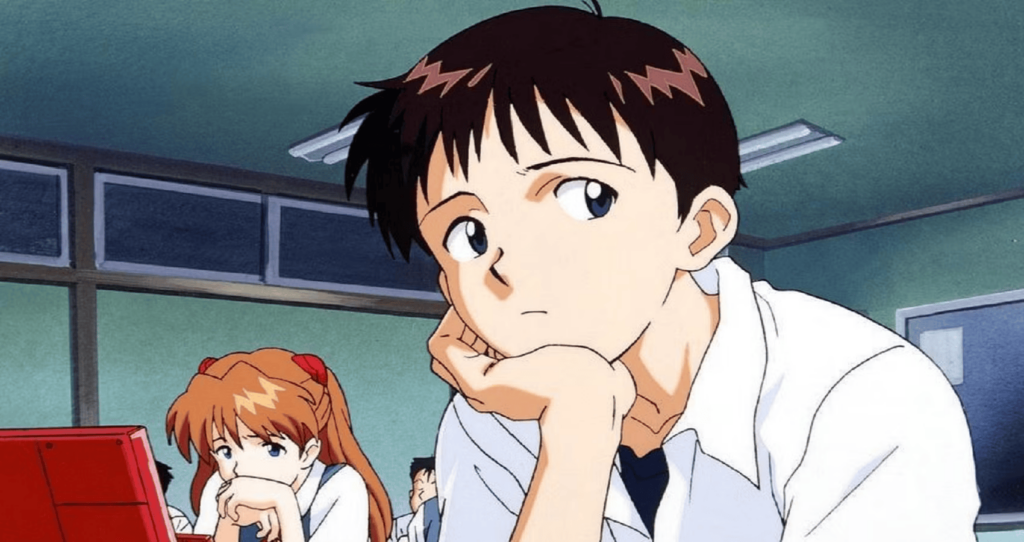 Asuka and Shinji from Neon Genesis Evangelion | Credit: Gainax, Tatsunoko Production
Before a Hollywood movie is finalized, there is a focus group test. Scenes are altered according to the reaction of the focus group. If a plot point is deemed too complex, it is simplified. If an ending is considered too sad, it is recreated to be a bit happier. This approach to storytelling sands down all the interesting parts of a story.
A Japanese mangaka writes their story based on actual character growth, their own life experiences, and what they deem “creative”. For example, the ending of Neon Genesis Evangelion is often said to be too complex, to the point that it is still discussed after so many years. However, had it been a Hollywood production, it wouldn’t be that complex.
6 Stories Are Dragged Out for Endless Franchises
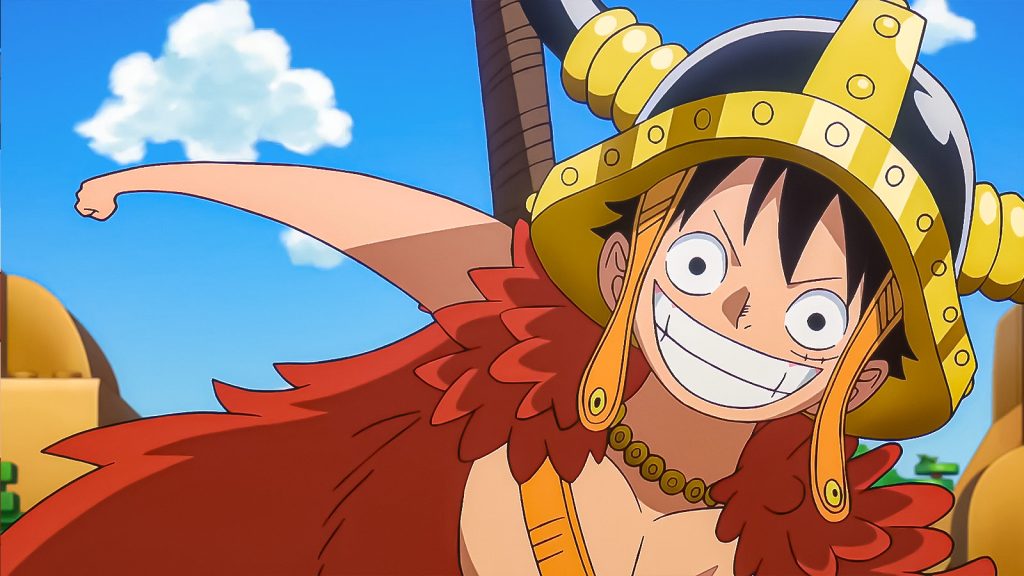 Monkey D. Luffy from One Piece | Credit: Toei Animation
A story needs to end. What made anime like Cowboy Bebop, Death Note, or even Code Geass really amazing was the fact that they ended at a specific time in the characters’ lives. Another example is if, let’s say, Anohana never ended, and the conflict kept escalating further. The story would’ve lost its magic.
While there are still many long-running anime, that framework only works well if there is only one creator. One Piece is a story that has been going on for decades, and it only works well because Eiichiro Oda is a genius who has planned many things and is the sole writer of the franchise. This is never the case in Hollywood. Directors change, and that causes significant fluctuations in quality.
7 Hollywood Executives Refuse to Take Creative Risks
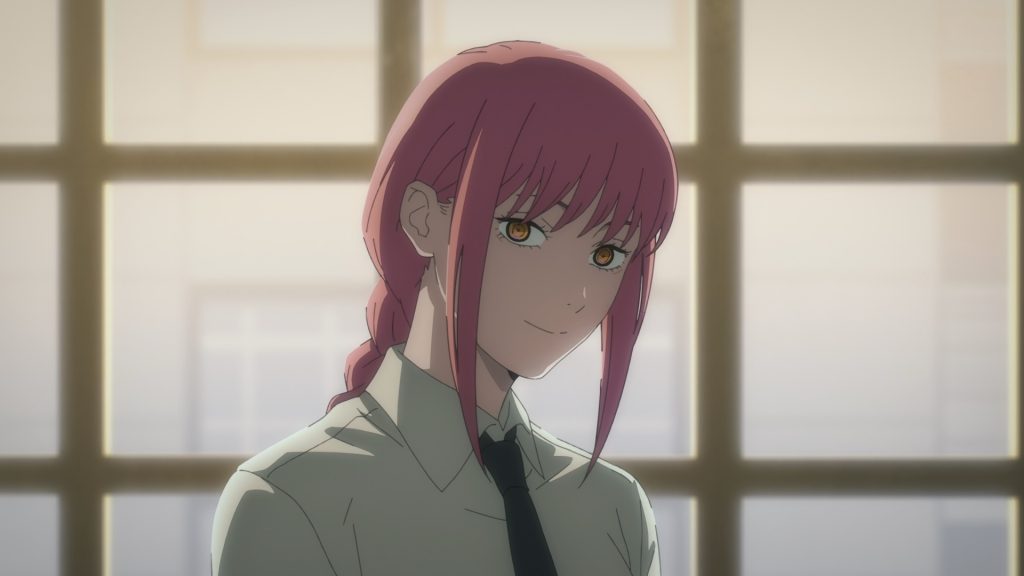 Makima from Chainsaw Man | Credit: MAPPA
Because Hollywood productions require massive financial investments, studio executives are highly risk-averse. They will not greenlight a project unless it closely resembles something that has already proven to be profitable. This results in an environment where creative success is rare.
In contrast, the anime industry frequently takes massive creative risks. Devilman Crybaby is a prime example. This anime is hyper-violent, deeply sexual, visually abrasive, and tackles heavy nihilistic themes. Another anime called Chainsaw Man is known for showing themes that are often avoided in Hollywood.
8 The Need for Mass Appeal Dilutes the Core Identity
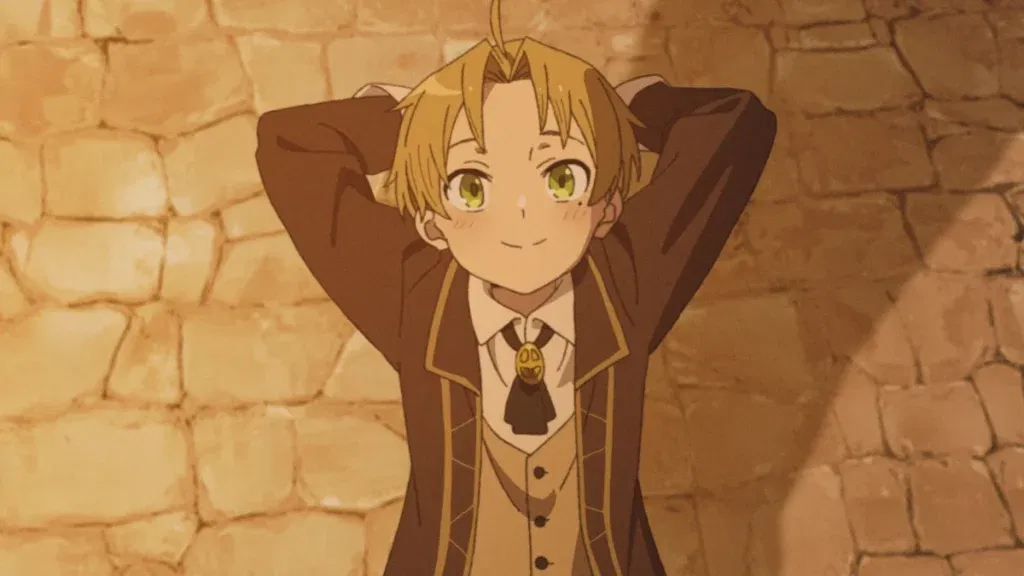 Rudeus Greyrat from Mushoku Tensei | Credit: Studio Bind
In order to make more money, Hollywood makes sure that each and every project is appealing to the majority of the audience. To achieve this, the movies and television series often lack the depth that would challenge the viewer as well.
Consider a story like Mushoku Tensei. It features a deeply flawed, often unlikable protagonist and addresses deeply uncomfortable themes like trauma, morality, and human failing. It is a masterpiece of character development only because it does not shy away from ugly realities. In fact, the author of this story stated that readers come second, something that wouldn’t pass in Hollywood.
If Hollywood made this story, it would sanitize the protagonist to the point that he would be unrecognizable, and the story would lose all its depth and core identity.
9 The Natural Flow From Manga to Anime Is Broken
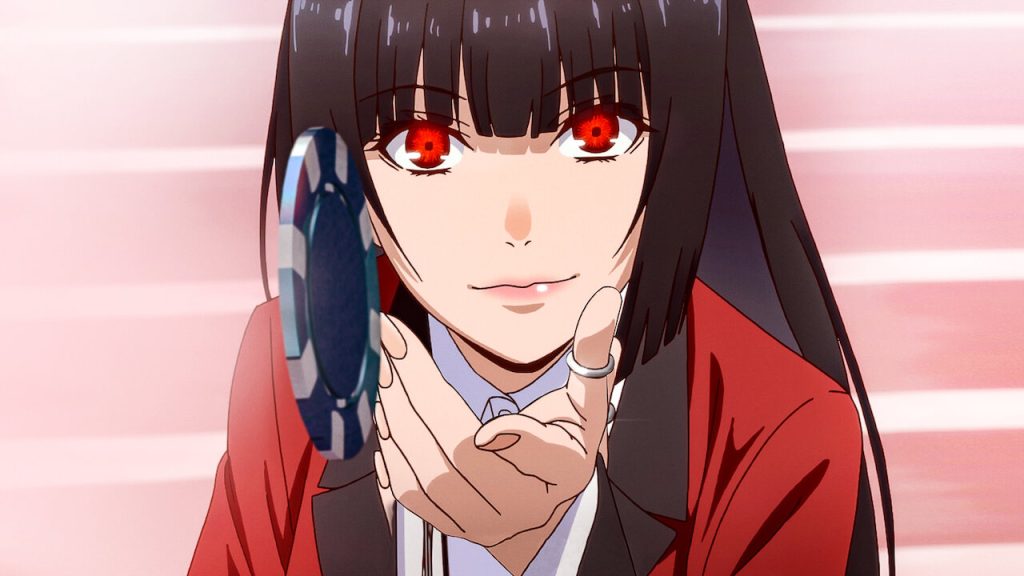 Yumeko from Kakegurui | Credit: MAPPA
The traditional anime industry pipeline for making anime is a closed system. A manga is made by the author, and it’s a creative work of their own with zero intervention from anywhere else. When the manga performs well in sales, it is adapted into an anime. During the production, usually, the author is present, and each and every input is considered. This results in a product that is a true reflection of the original creative work.
In Hollywood, this system is disrupted. Hollywood produces live-action adaptations or westernized animations that have no direct connection to the original work. A very infamous example of this is the live-action adaptation of Death Note, which was as bad as a live-action adaptation could get. Furthermore, another great story called Kakegurui was ruined, proving that no one learned anything from Death Note’s failure.
10 There Is a Clear Track Record of Failure
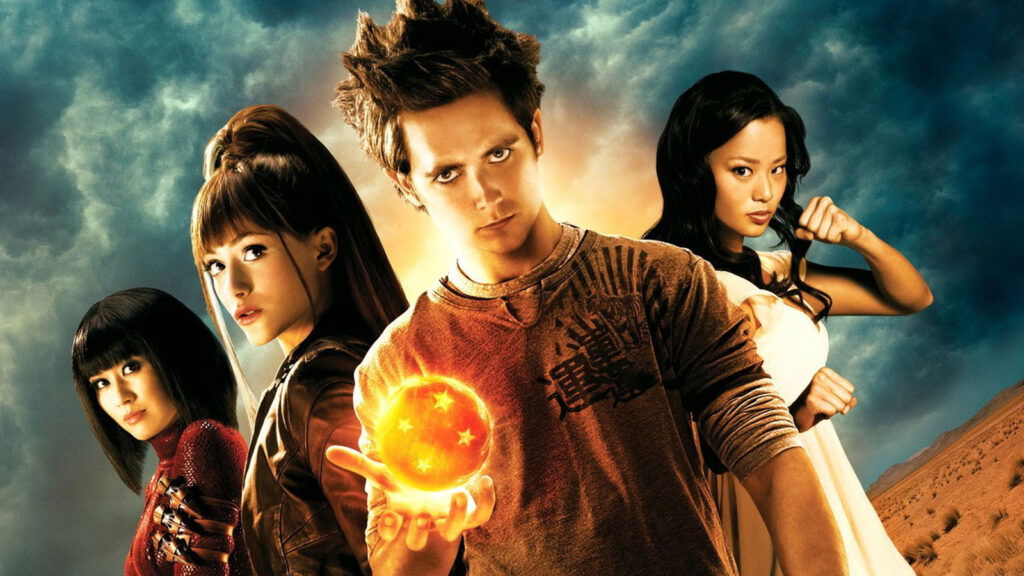 Goku from Dragonball: Evolution | Credit: 20th Century Fox
Every argument mentioned till now against Hollywood is not purely theoretical; it is backed by decades of evidence. The Western studio system has repeatedly demonstrated a complete inability to understand what makes an anime so good. Dragonball Evolution still remains one of the biggest failures because the studio entirely disregarded the tone, characters, and established lore of the original franchise. And the worst part is, this is not an isolated incident.
| Point | Theme | Argument |
| 1 | Creative Vision | Hollywood relies on committees; anime allows for a singular creator’s vision. |
| 2 | Profit vs. Story | Hollywood prioritizes return on investment over narrative quality. |
| 3 | IP Ownership | Hollywood contracts strip creators of intellectual property rights. |
| 4 | Fan Monetization | Hollywood exploits existing fanbases solely for financial extraction. |
| 5 | Focus Groups | Hollywood relies on focus groups, destroying creative originality. |
| 6 | Franchise Length | Hollywood artificially extends franchises, causing quality drops. |
| 7 | Creative Risk | Hollywood executives avoid risk; the anime industry embraces it. |
| 8 | Mass Appeal | Hollywood sanitizes complex themes to appeal to broad audiences. |
| 9 | Adaptation Pipeline | Hollywood adaptations ignore the original creator’s input and intent. |
| 10 | Track Record | Hollywood has a consistent history of failed anime adaptations. |
Hollywood and the anime industry coming together may result in greater profit, but it is, at the end of the day, a really bad move. Events like the Crunchyroll Anime Future Forum indicate a dangerous shift toward treating anime like a scalable commodity for businesses to exploit. The medium of anime thrives precisely because it works outside the confines of corporations.
What is the “Anime Future Forum” mentioned in the article?
Crunchyroll Anime Future Forum is a industry summit scheduled for October 7, 2026.
Why are Hollywood live-action anime adaptations consistently unsuccessful?
Hollywood frequently miscasts characters, compresses dozens of hours of story into a two-hour runtime, and alters the core themes to suit Western sensibilities.
Why is the Marvel Cinematic Universe cited as a warning for the anime industry?
When financial metrics take priority over storytelling, a story is stretched indefinitely through unnecessary sequels and spin-offs, and MCU is the prime example of this.
What are your thoughts on the recent developments? Let us know in the comments.




















 Bengali (BD) ·
  English (US) ·